
Tolosa
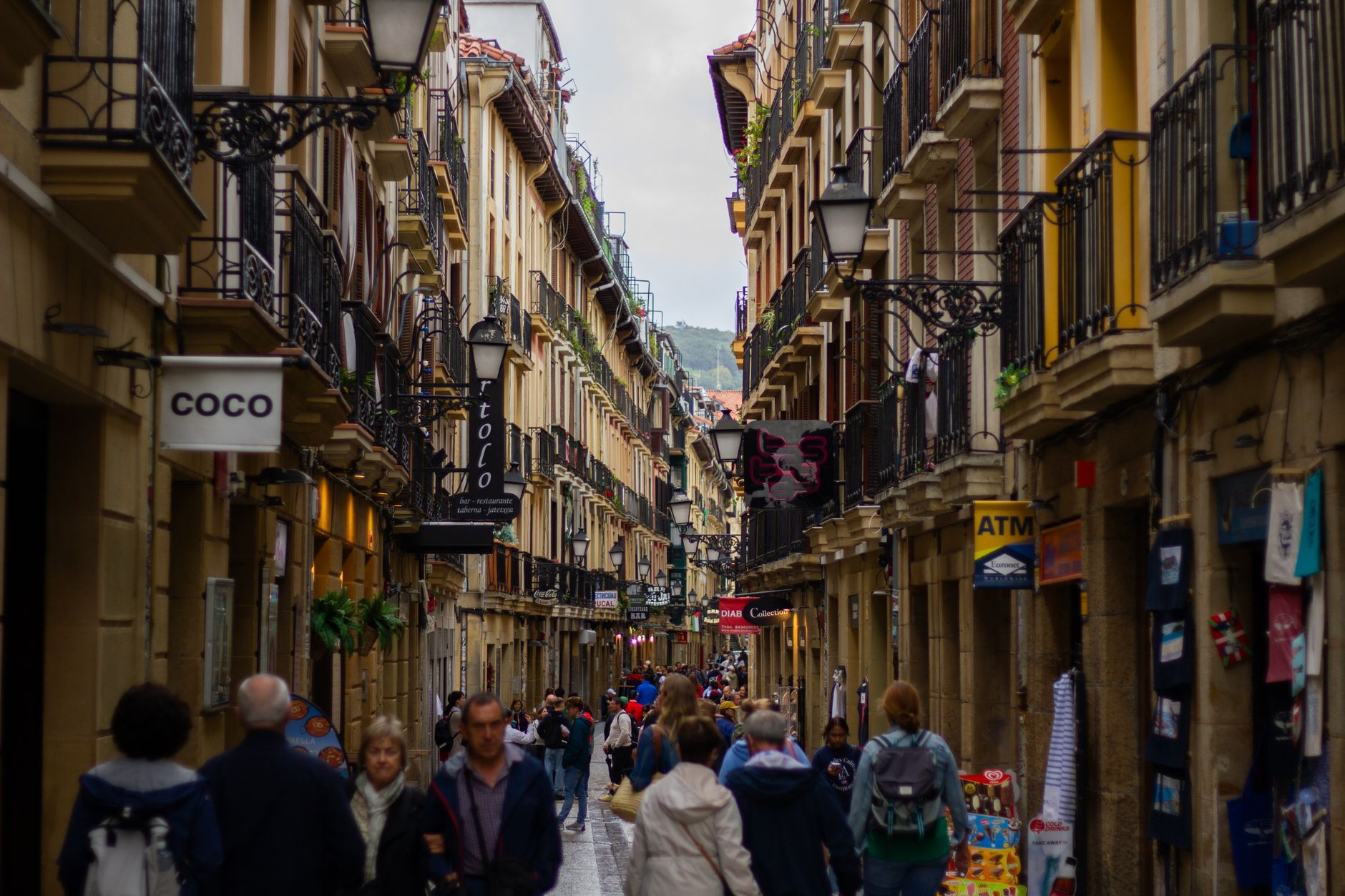
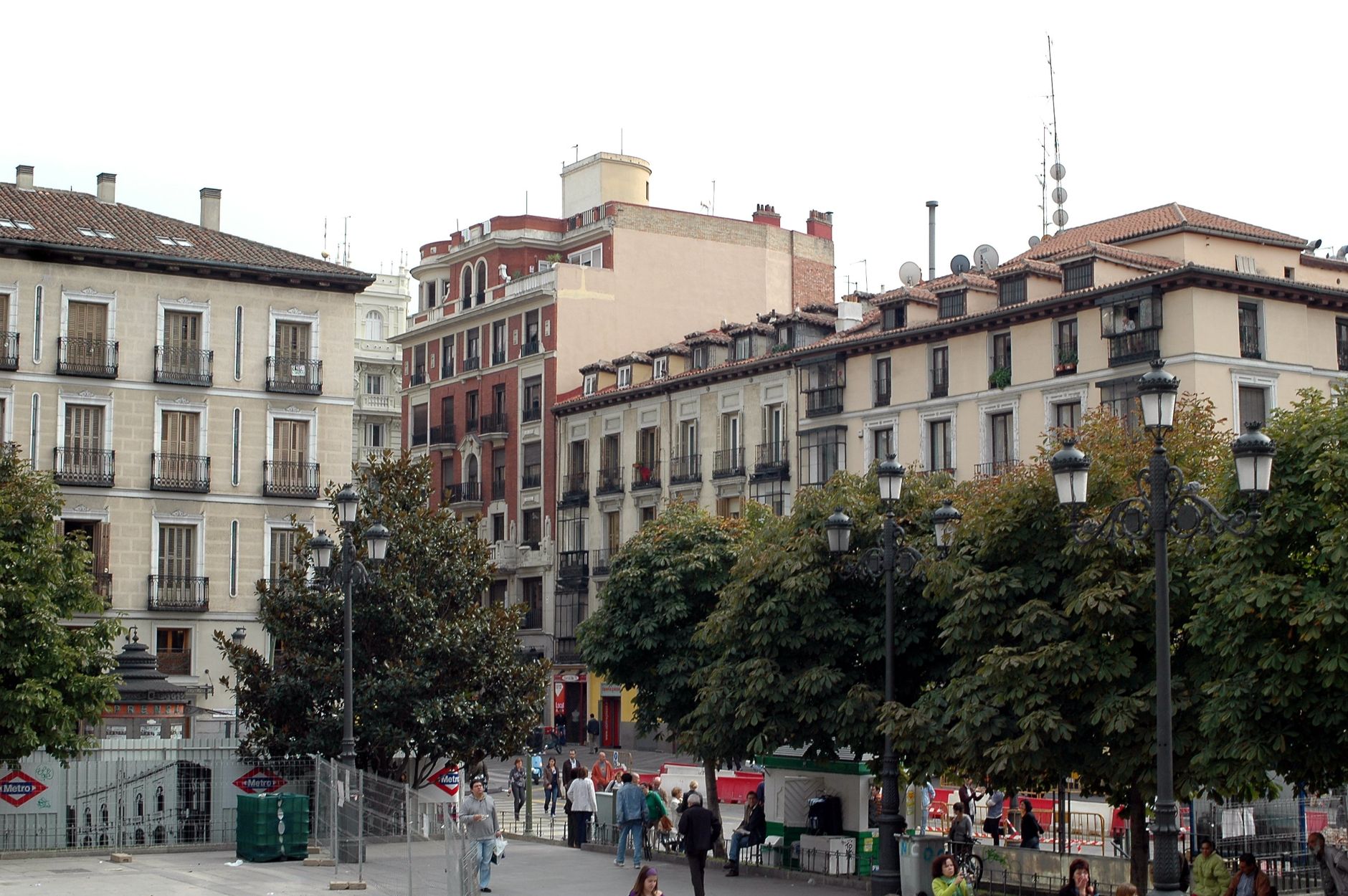
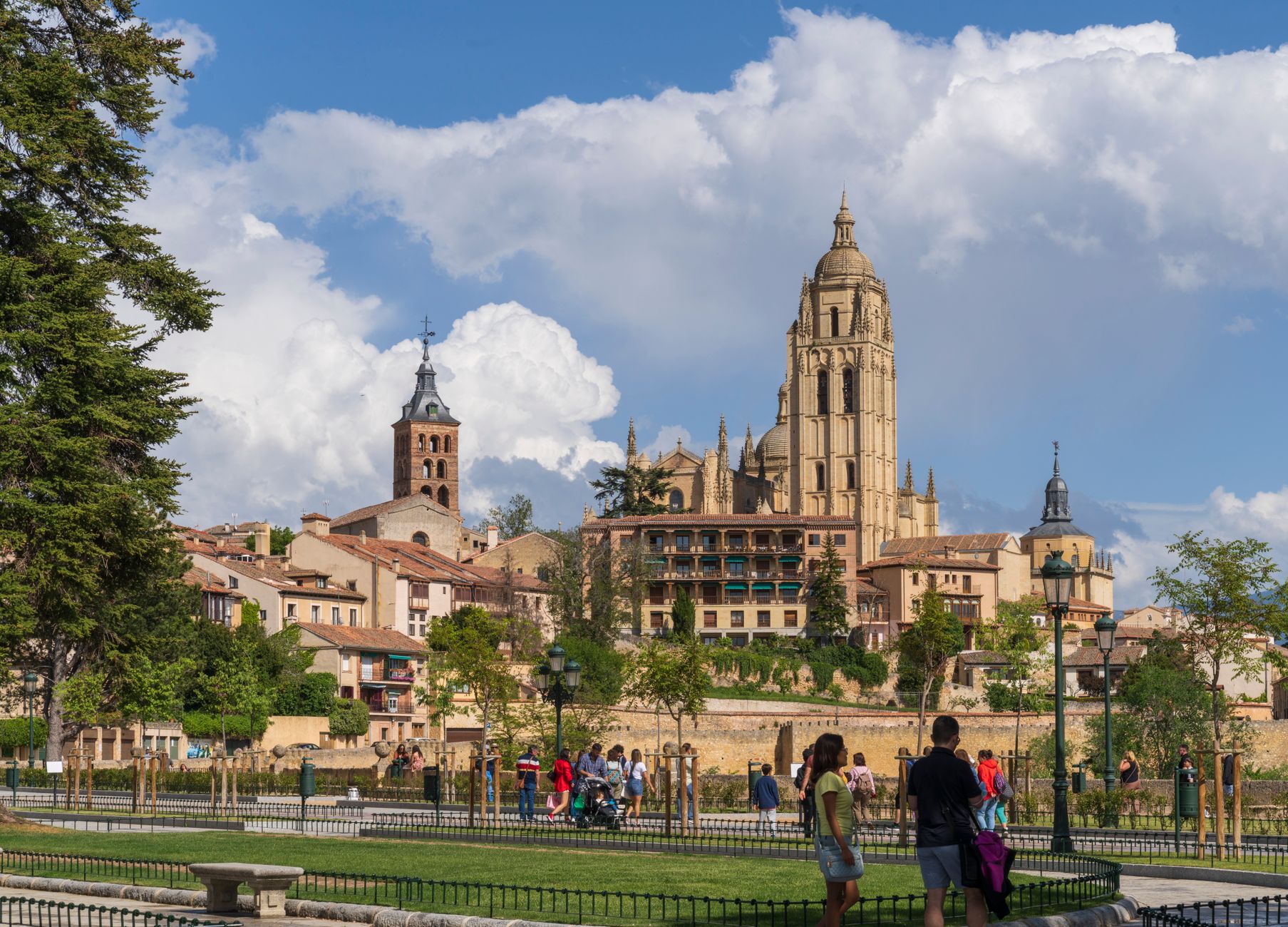
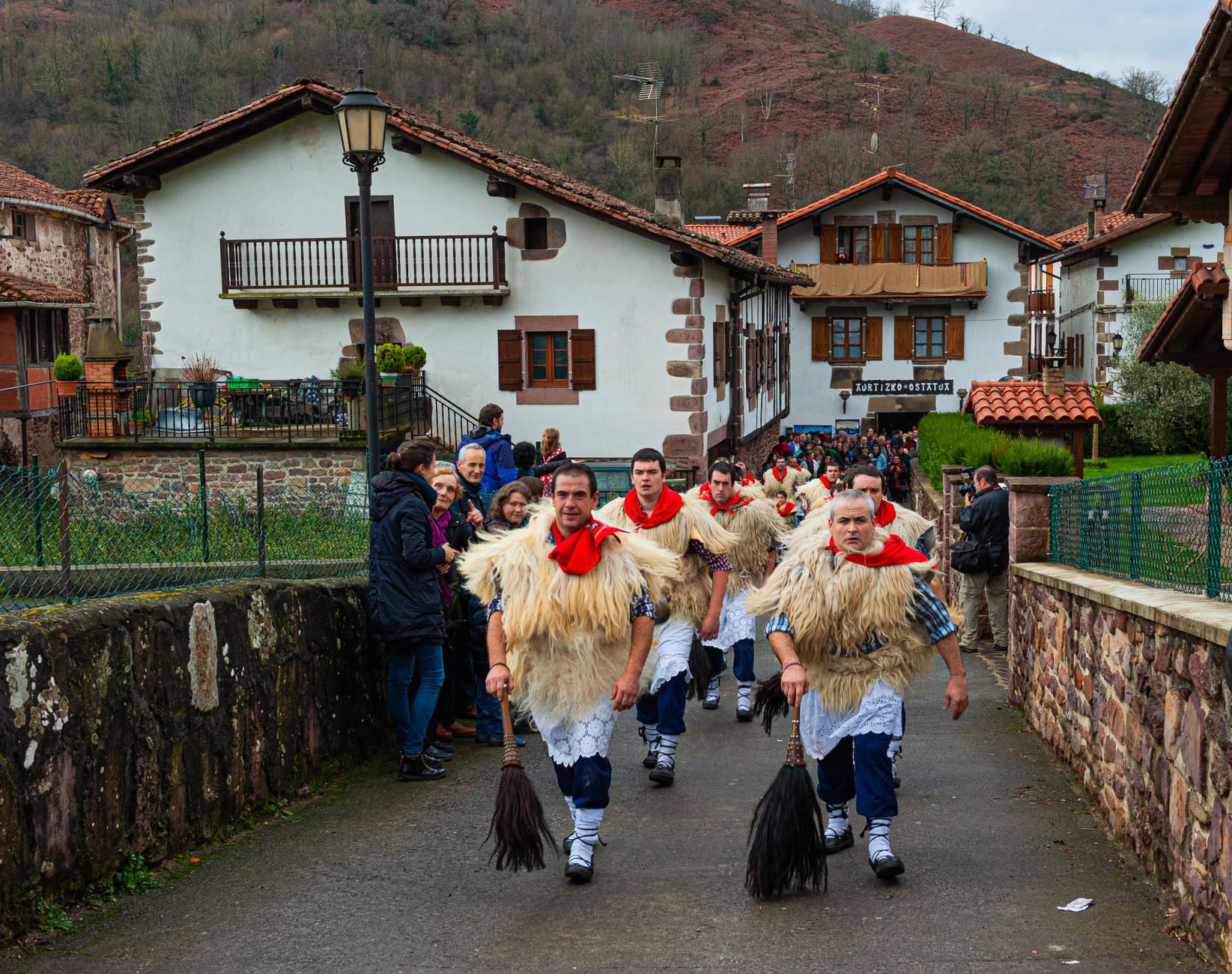
Tolosa sits in the Oria valley about thirty minutes by train from San Sebastián, compact enough to cross on foot in an afternoon but with the kind of layered past that keeps revealing itself. The Saturday market has been running since 1785, spreading across three squares from half-eight until noon — local producers at the Tinglado, flowers in the Plaza de la Verdura, preserves and textiles in the Plaza Euskal Herria.
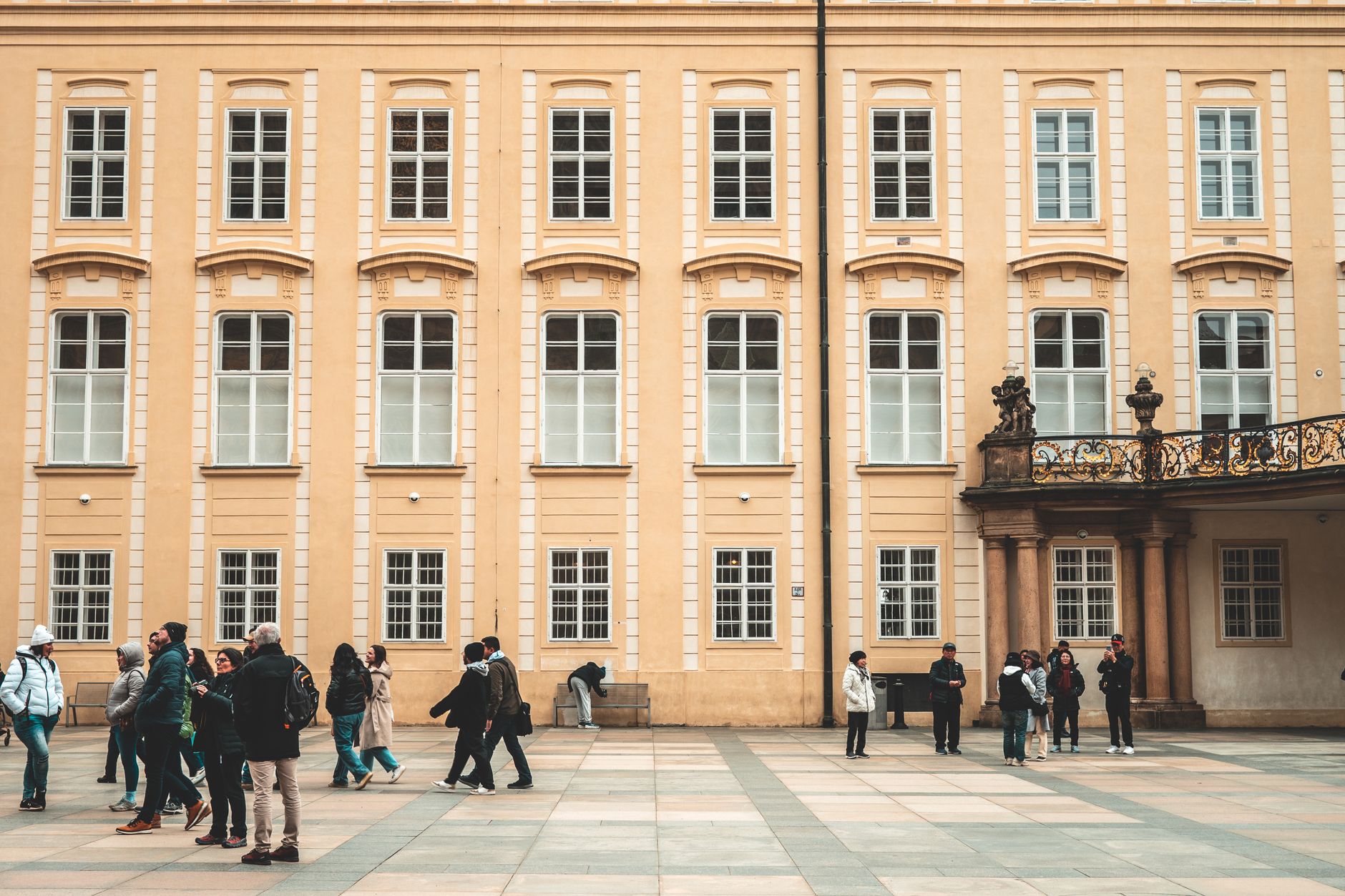
The town was chartered in 1256 by Alfonso X of Castile, who named it after Toulouse, and the centuries left a tight cluster of Baroque palaces and a Gothic church that is the second largest in Gipuzkoa. It also, somewhat improbably, hosts the only puppet museum in Europe dedicated exclusively to the art form.
💛 What travellers fall for
People who return tend to time it for a Saturday, arrive early enough to catch the Tinglado at its fullest, then loop through the Calle Mayor past the Palace of Atodo before the morning crowds thin. The TOPIC puppet centre surprises nearly everyone who goes in expecting something quaint and comes out two hours later.
Experiences you don't want to miss


Deals in Tolosa
Book directly at the provider


How Tolosa came to be
Alfonso X of Castile granted Tolosa its founding charter in 1256, naming the new settlement after Toulouse across the Pyrenees. Gipuzkoa had already been incorporated into Castile half a century earlier, in 1200, and Tolosa grew as an administrative and trading centre along the Oria.
The town took the communal side during the Revolt of the Comuneros; after the royalist victory at Miñano Mayor on 19 April 1521 that resistance collapsed. French troops occupied Tolosa on 9 August 1794 during the War of the Pyrenees. A decade into the following century, between 1844 and 1854, Tolosa served briefly as the capital of Gipuzkoa before the role returned to San Sebastián.
Who and what shaped it
People who shaped it
Landmark buildings
See Tolosa in motion
Plan your visit
On the map
When to go
June through September is the most settled stretch, with temperatures running between 20°C and 26°C and August peaking around 25°C. Outside those months the Basque weather turns wetter and cooler, so pack accordingly if you're visiting for the Saturday market in spring or autumn.
Right now
Background & history adapted from Wikipedia (CC BY-SA) · specs from Wikidata (CC0) · weather from Open-Meteo · map data © OpenStreetMap contributors · photos from Wikimedia Commons / Unsplash with per-image credit. No third-party reviews or social posts reproduced.