
Getxo
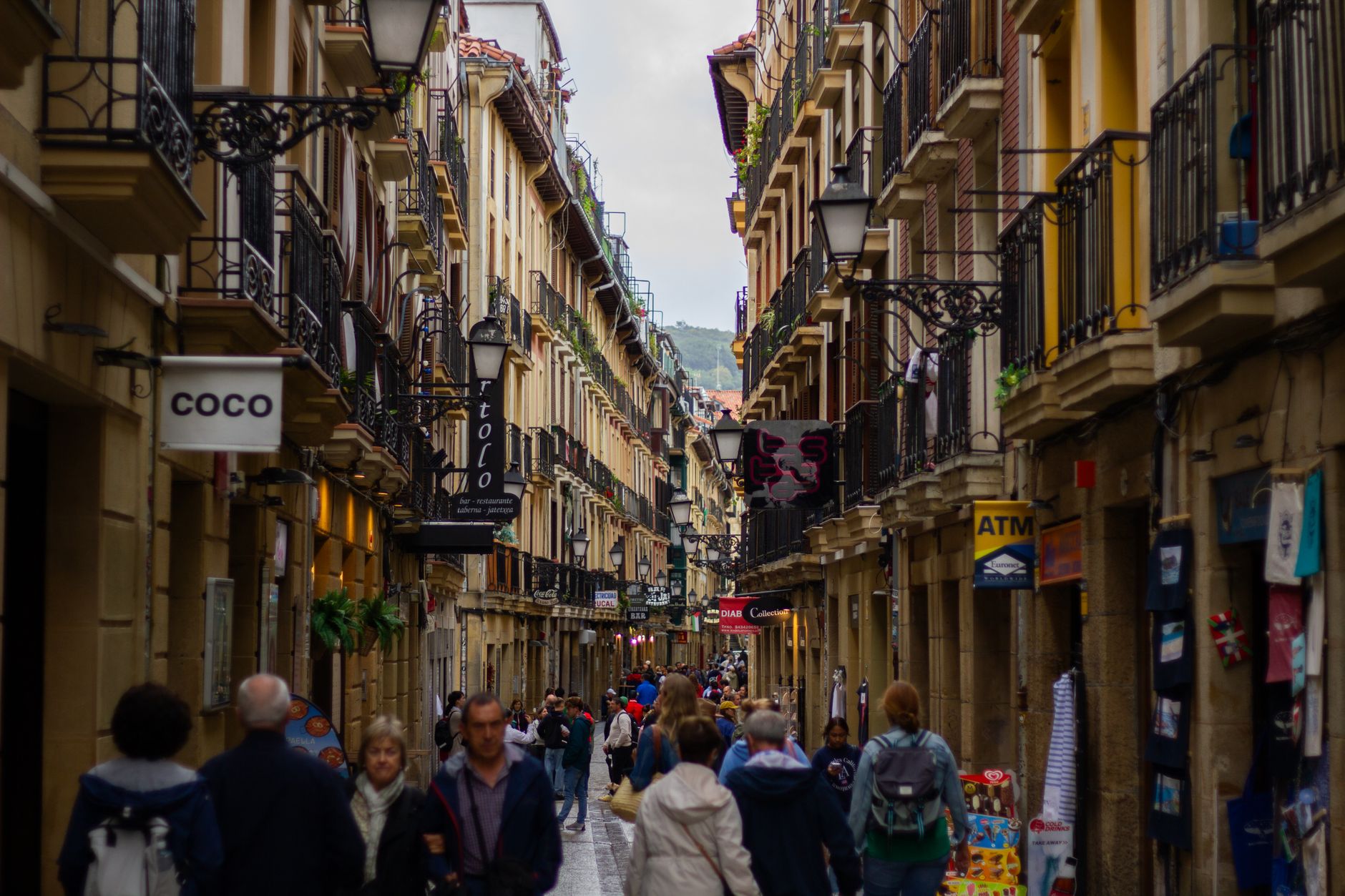
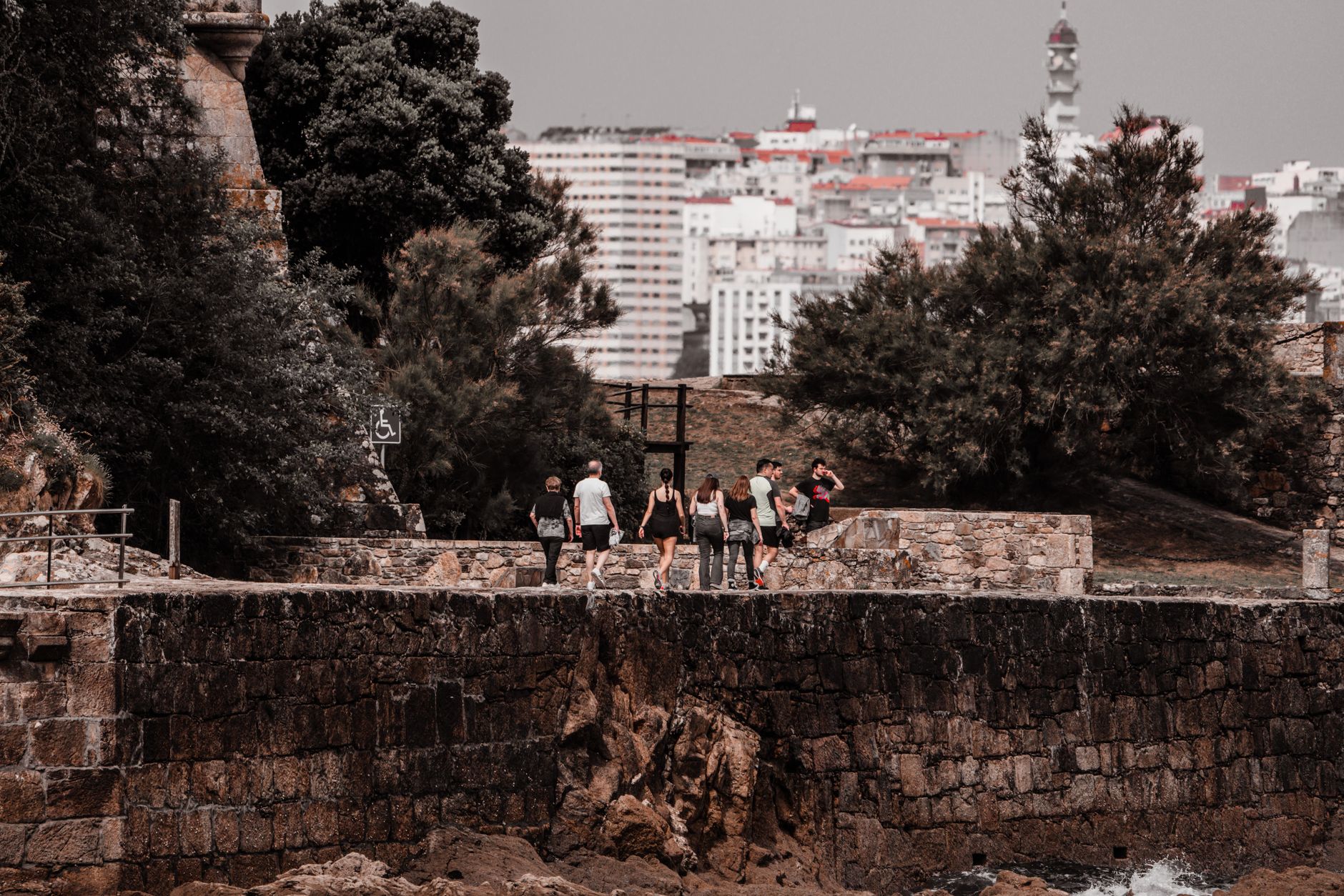

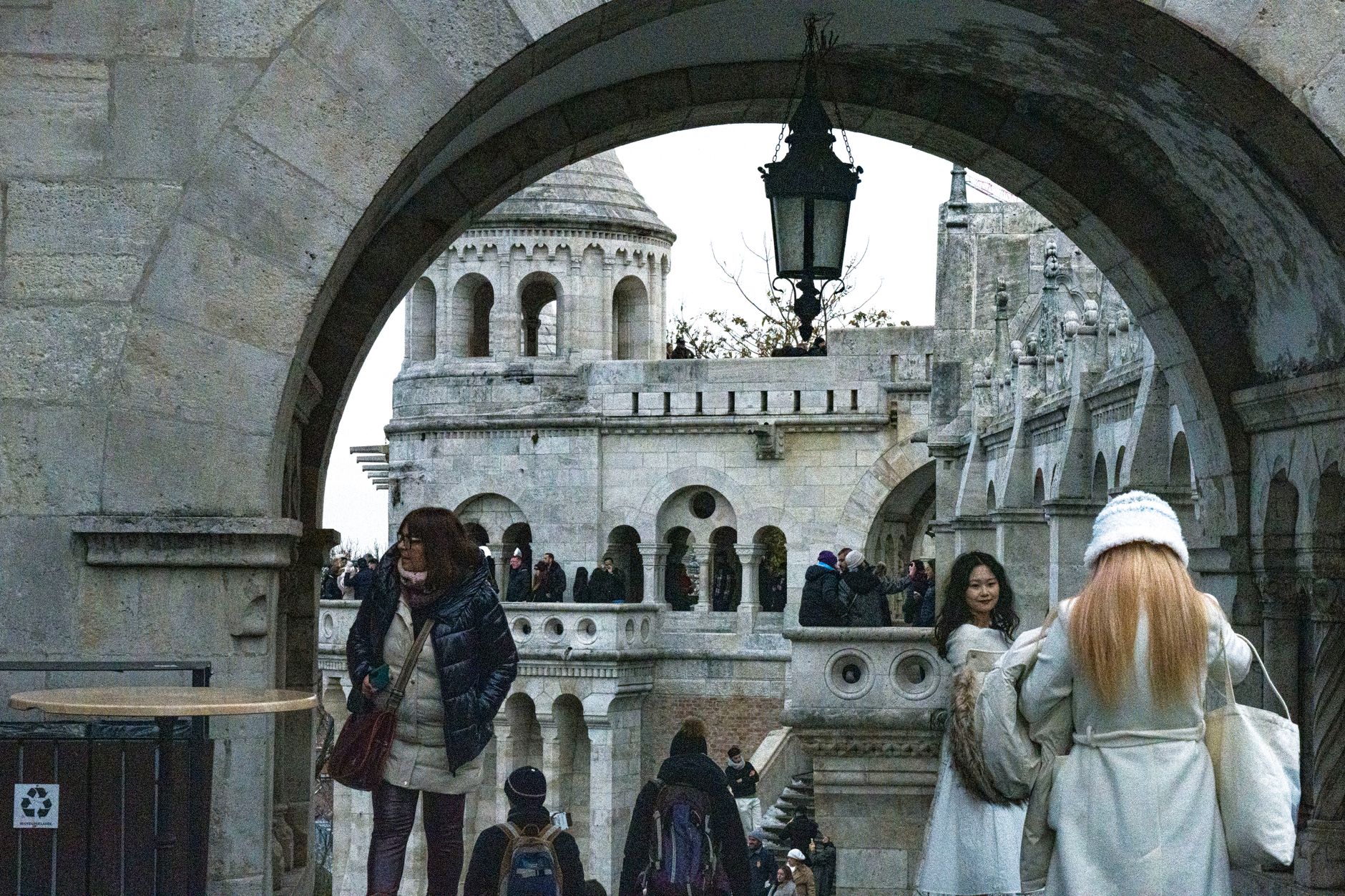

The Vizcaya Bridge gives you Getxo before you've even arrived. Crossing the Nervión estuary on its gondola — six cars, a handful of passengers, one and a half minutes — you pass under a 45-metre iron frame built in 1893, the world's first transporter bridge, and land in a town that has been quietly doing its own thing ever since.
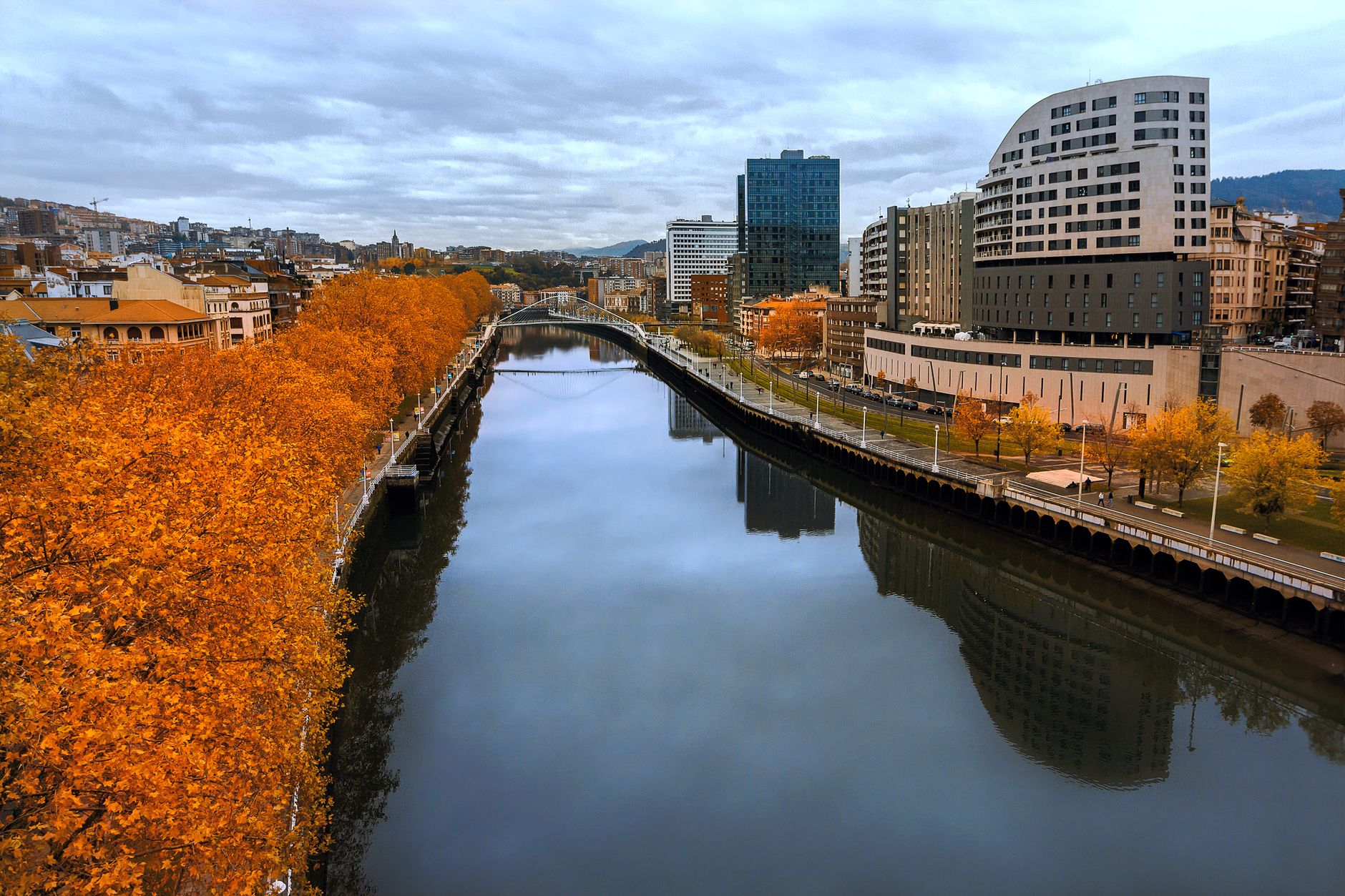
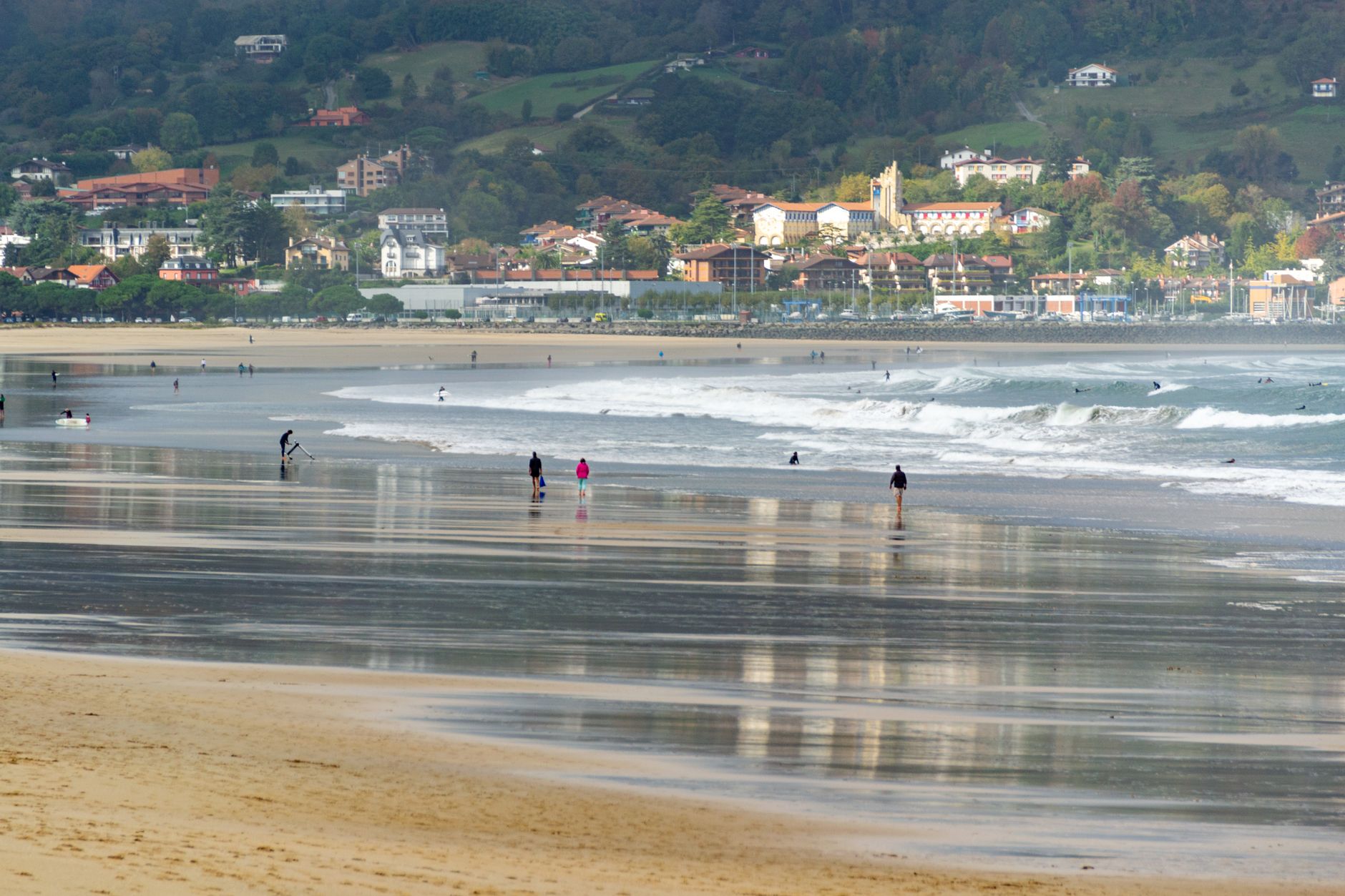
Getxo is a stretch of clifftop, beach and bourgeois architecture on the western lip of Bilbao's estuary. The wealthy families who built their summer mansions here in the late 19th century left behind wide promenades, ornate villas in Neguri and Las Arenas, and a pace of life that still feels a register or two slower than the city twenty minutes down the metro line.
💛 What travellers fall for
People who come back tend to time a visit around the Punta Begoña Galleries — the free guided hour is short enough to fit before lunch. Afterwards, the walk along the cliffs toward Punta Galea earns the meal. The Aixerrota windmill, open most afternoons, is worth the detour for the view alone.
Experiences you don't want to miss



Deals in Getxo
Book directly at the provider
How Getxo came to be
Getxo began as a rural parish — an elizatea — centred on the fishing village of Algorta and the 12th-century Church of Andra Mari, its earliest residents living off fishing, herding and milling. The noble families of Martiartu and Guecho were bound up in its founding, though for centuries it remained a modest, agricultural place at the mouth of the Nervión.
Industrialisation changed everything. As Bilbao's steel and shipping economy expanded through the 19th century, its upper-middle class looked outward for somewhere to spend their money and their summers. They found the cliffs and beaches of Getxo, and built accordingly — first in Las Arenas, then in Algorta and the exclusive enclave of Neguri. Alberto Palacio's iron transporter bridge, completed in 1893, stitched the two banks together. By the early 1980s the town held 50,000 people; today it holds more than 83,000.
Who and what shaped it
People who shaped it
Landmark buildings
See Getxo in motion
Plan your visit
On the map
When to go
Getxo sits on the Bay of Biscay coast and gets the full force of Atlantic weather — mild and damp much of the year, with the warmest and driest stretch running from June through September. Winter is grey and windy but rarely freezing; bring a layer and waterproof whenever you visit.
Right now
Background & history adapted from Wikipedia (CC BY-SA) · specs from Wikidata (CC0) · weather from Open-Meteo · map data © OpenStreetMap contributors · photos from Wikimedia Commons / Unsplash with per-image credit. No third-party reviews or social posts reproduced.