
Eibar
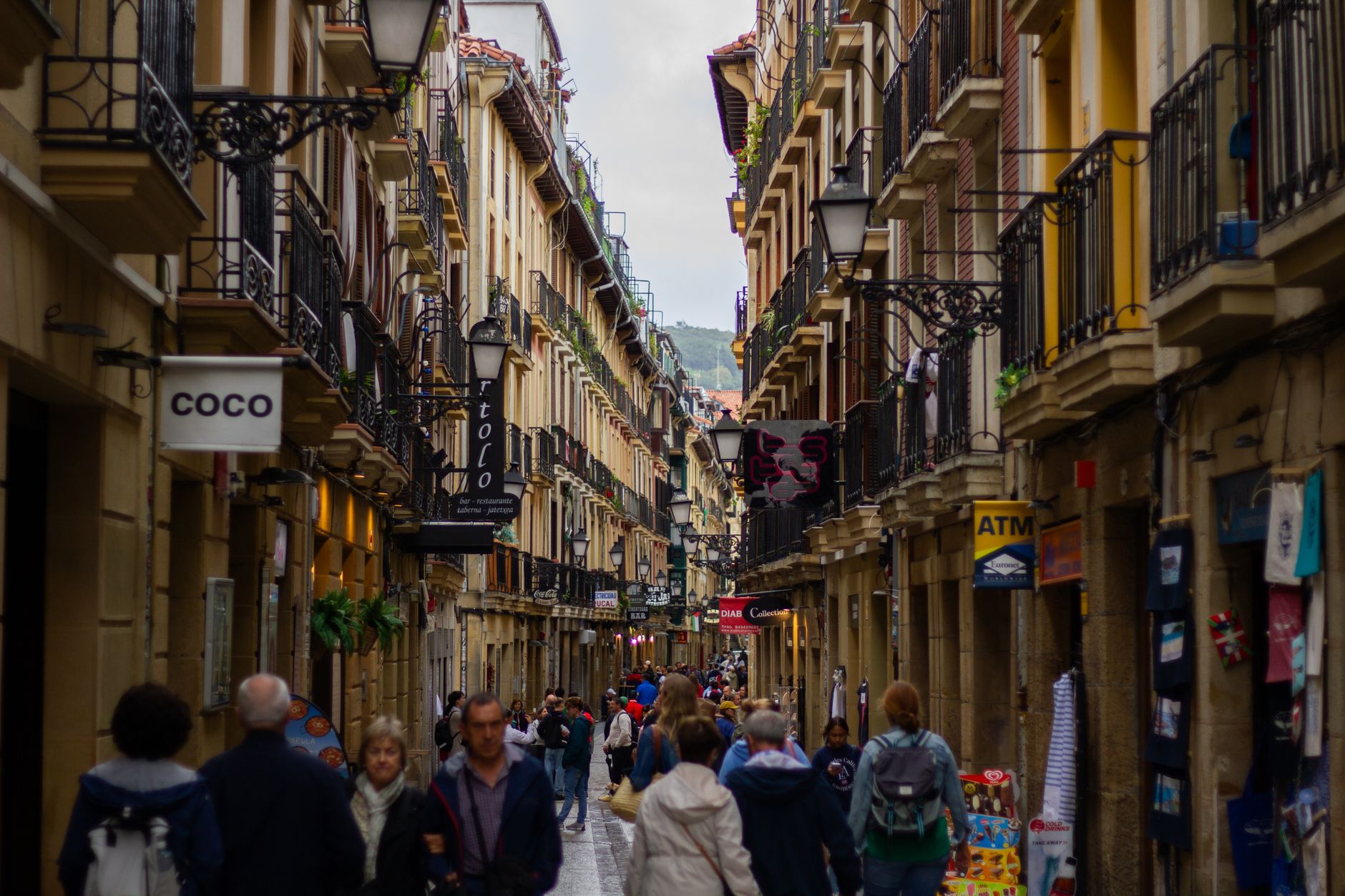
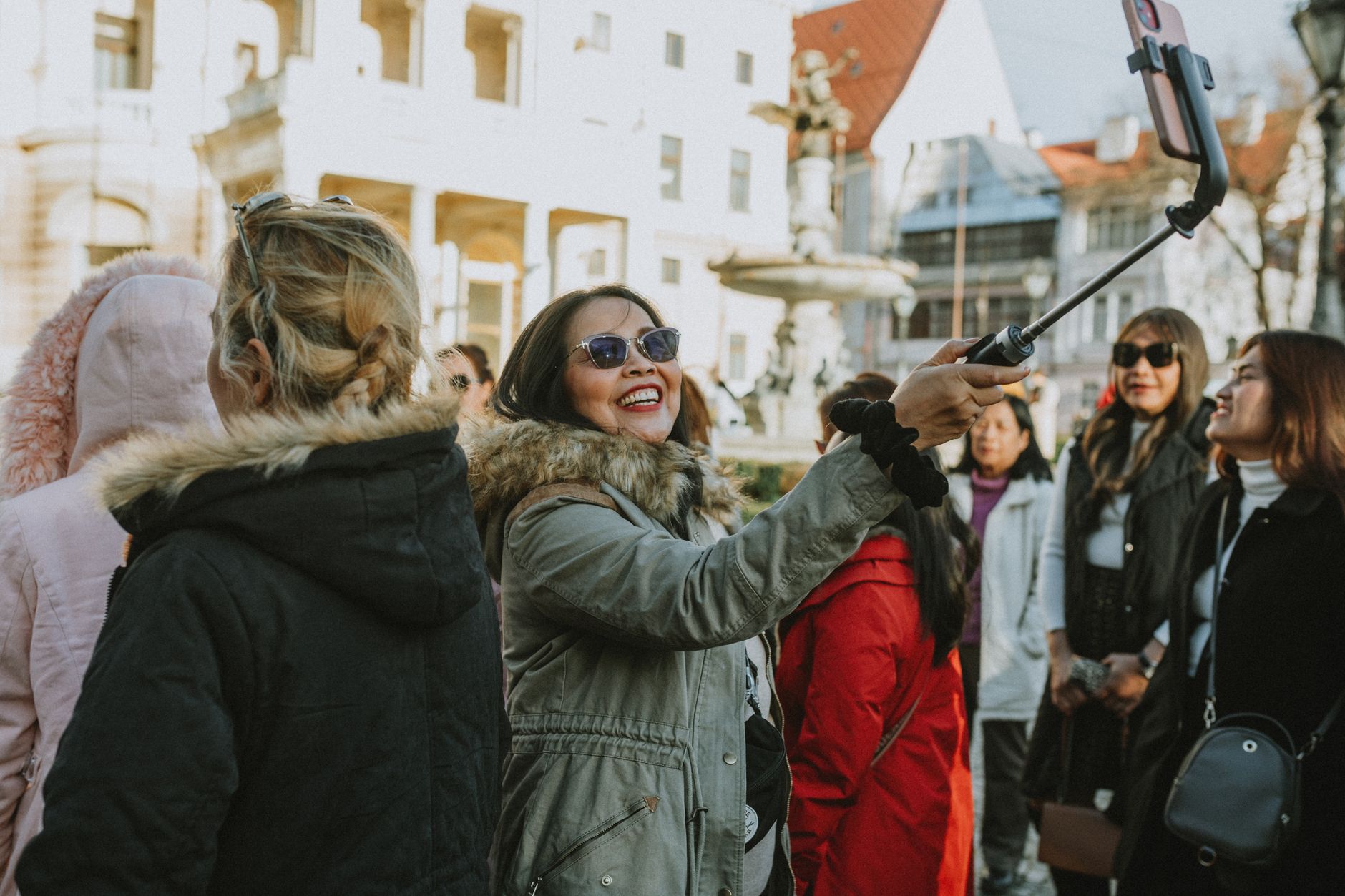
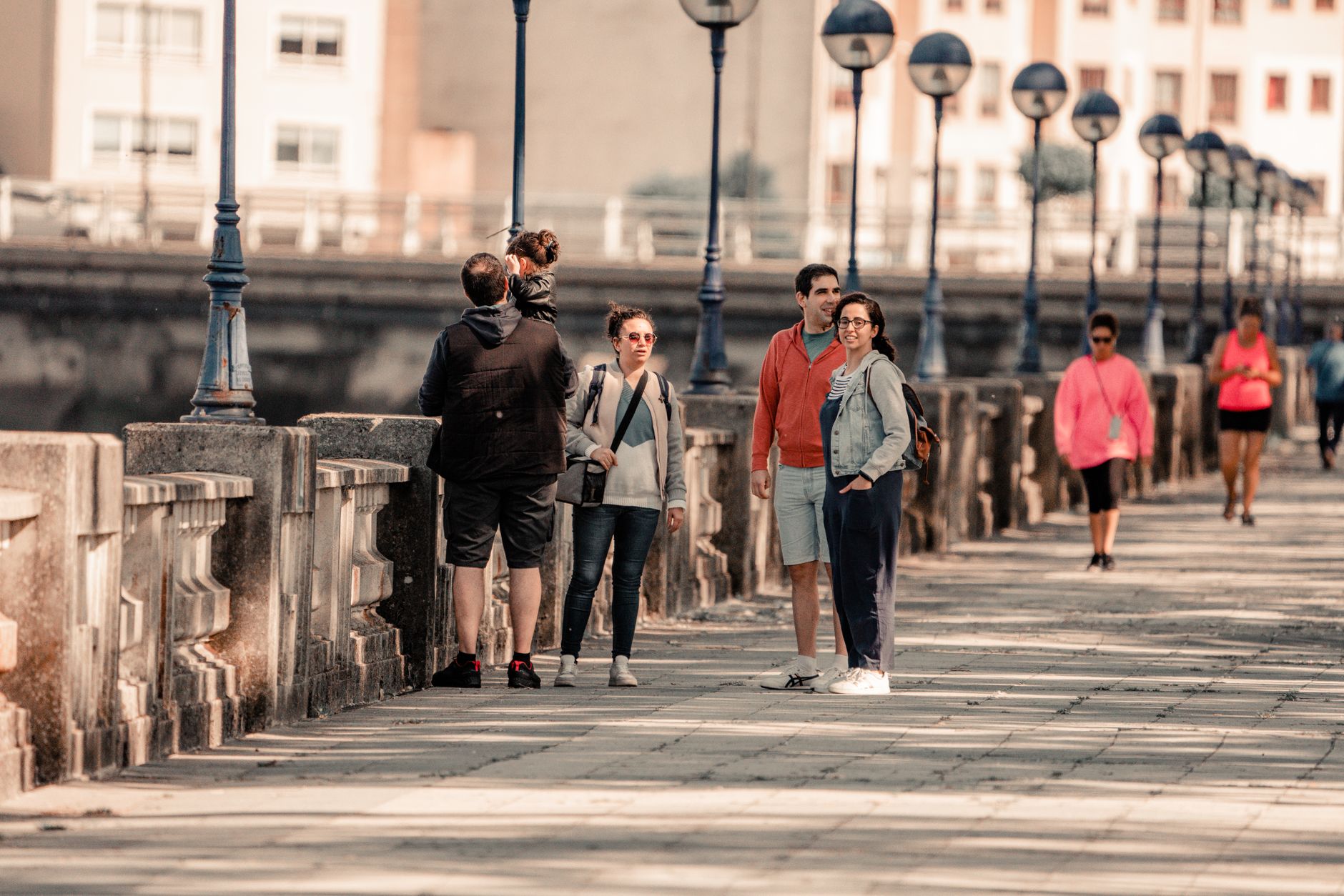
Eibar sits tight in a narrow Basque valley, the river Ego threading between mountains that press close enough to feel personal. It's a working city — always has been — and the streets carry that honestly: solid architecture, a town hall whose central balcony still means something, a fronton where pelota has been played since 1904. What most visitors don't immediately clock is that the guns and knives coming out of these workshops were already famous across Europe before the 16th century ended.
The city wears its history without making a performance of it. On 14 April 1931, the republican flag was hoisted from that Town Hall balcony before anywhere else in Spain — a gesture that made Eibar the first city to proclaim the Second Republic. The Italian bombers that levelled much of it six years later didn't erase that fact, and the city hasn't let it be forgotten.
💛 What travellers fall for
People who come back tend to make the 8 km trip up to the Sanctuary of Virgen de Arrate — partly for the Zuloaga paintings inside the Gothic nave, partly because the picnic area around it gives you the mountains properly. The Astelena fronton is worth a look even outside match days, and Untzaga Plaza is where you read the city's mood.
Experiences you don't want to miss


Deals in Eibar
Book directly at the provider


How Eibar came to be
Alfonso XI of Castile chartered Eibar in 1346, and the town that grew around the parish of San Andrés quickly found its trade: metalwork, and specifically arms. By the close of the 15th century, Eibar blades and firearms had a reputation that reached well beyond the Basque valleys. The 19th century brought industrial-scale production and, with it, a labour movement that made Eibar one of the most politically engaged cities in Spain.
That reputation crystallised on 14 April 1931, when Eibar proclaimed the Second Spanish Republic from its neoclassical Town Hall — the first city in the country to do so, earning the title 'Very Exemplary City.' The Civil War cost it dearly: Italian bombers reduced much of the city to rubble. Eibar rebuilt, drew workers, and grew; the Escuela de Armería, founded in 1913 as Spain's oldest vocational training school, kept the craft tradition alive through all of it.
Who and what shaped it
People who shaped it
Landmark buildings
See Eibar in motion
Plan your visit
On the map
When to go
Eibar has an oceanic climate — expect rain in any season, with humidity highest in winter and the mountains holding cold air in the valley from December through February. May to October is the most workable stretch, with August afternoons reaching around 25°C and July being the driest month of the year.
Right now
Background & history adapted from Wikipedia (CC BY-SA) · specs from Wikidata (CC0) · weather from Open-Meteo · map data © OpenStreetMap contributors · photos from Wikimedia Commons / Unsplash with per-image credit. No third-party reviews or social posts reproduced.