
Andalusia
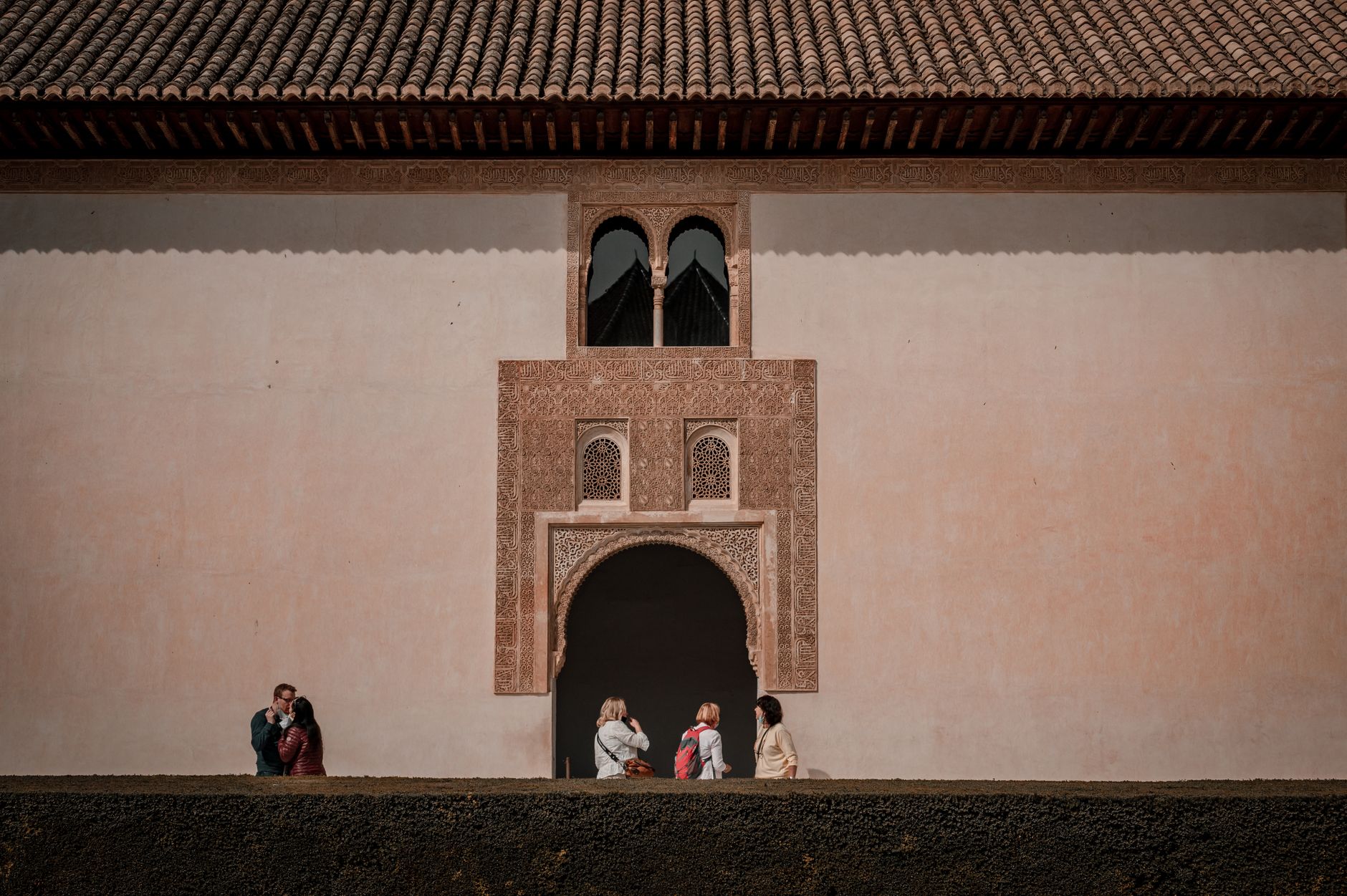
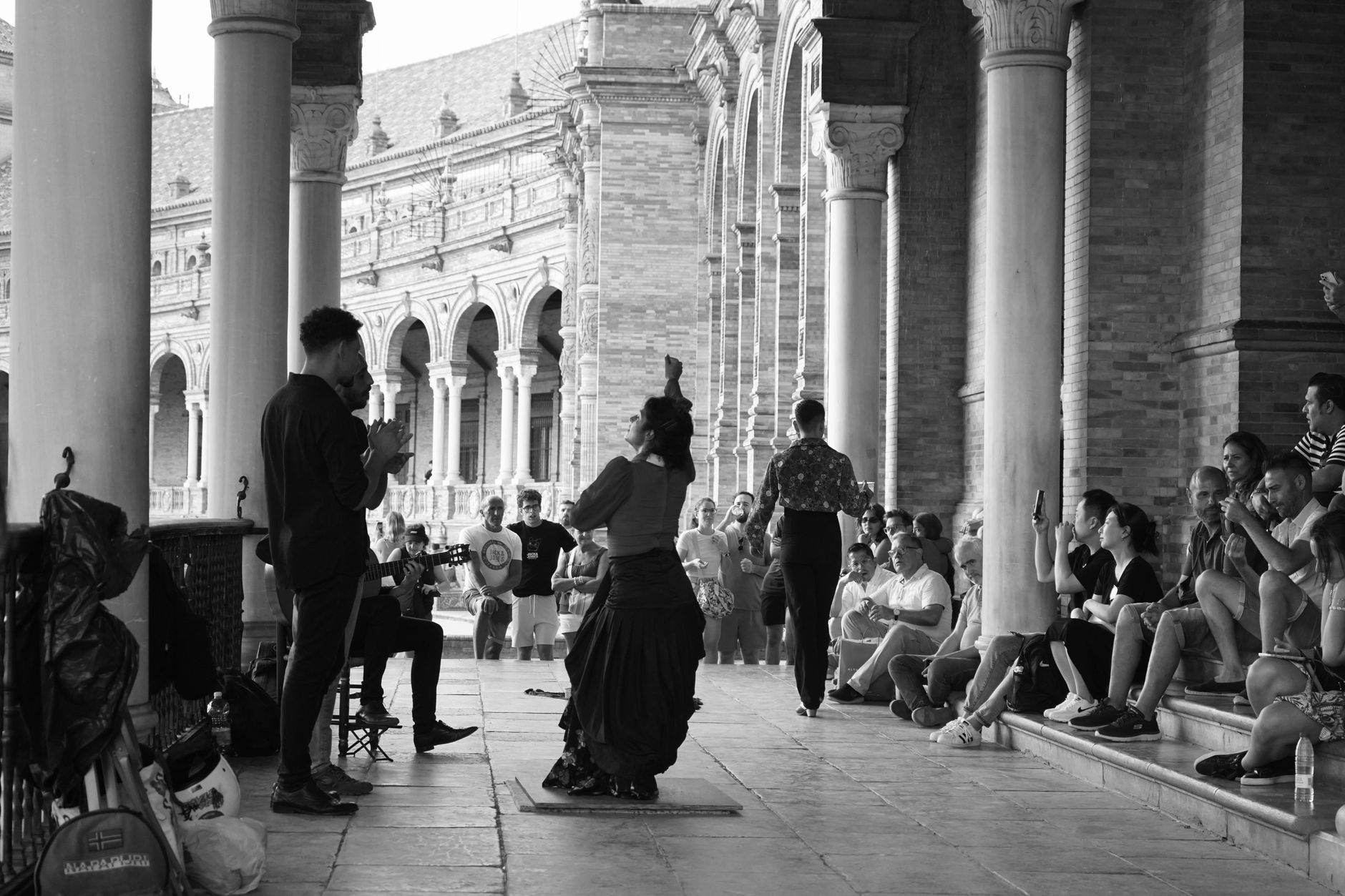
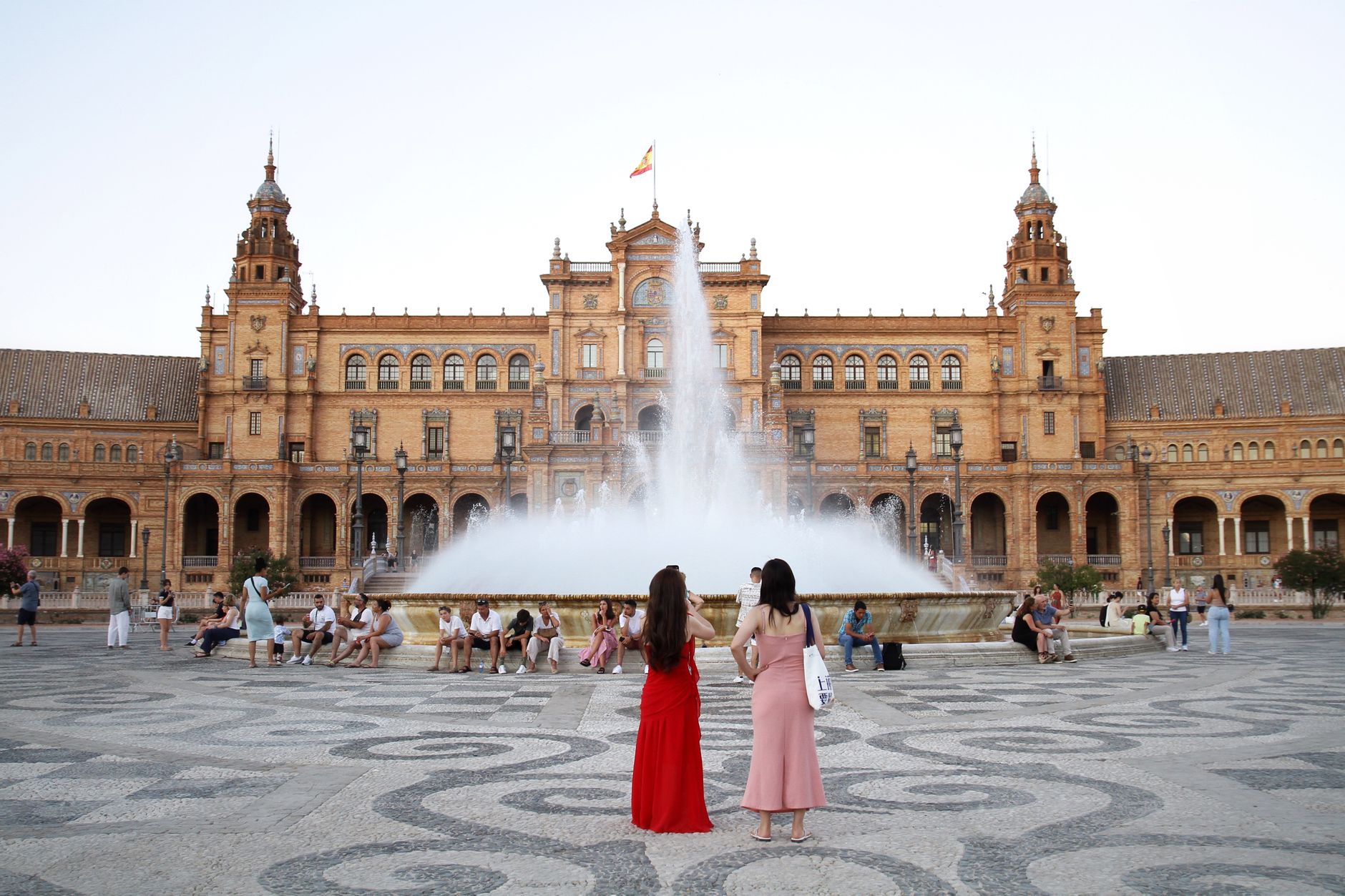
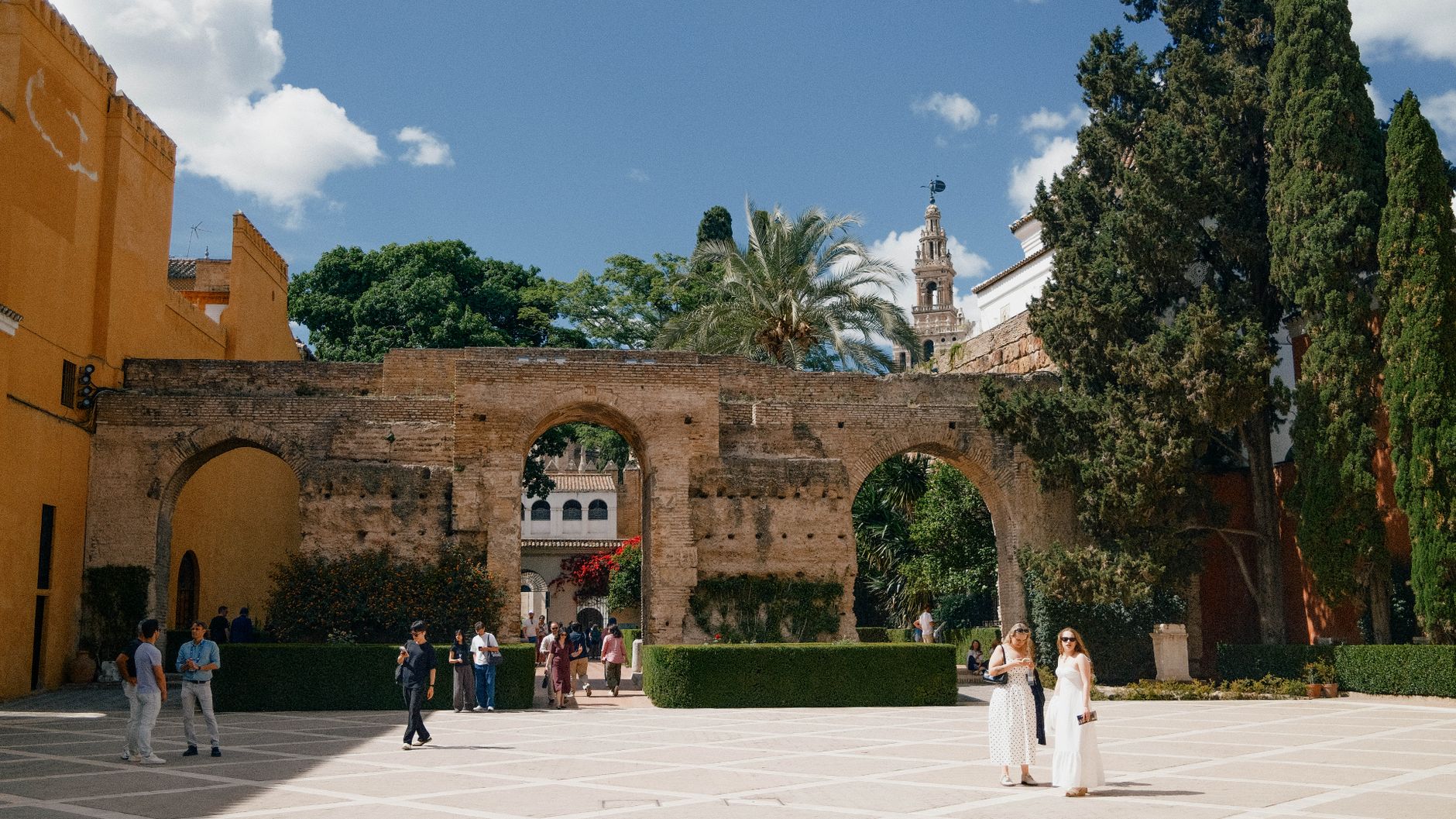
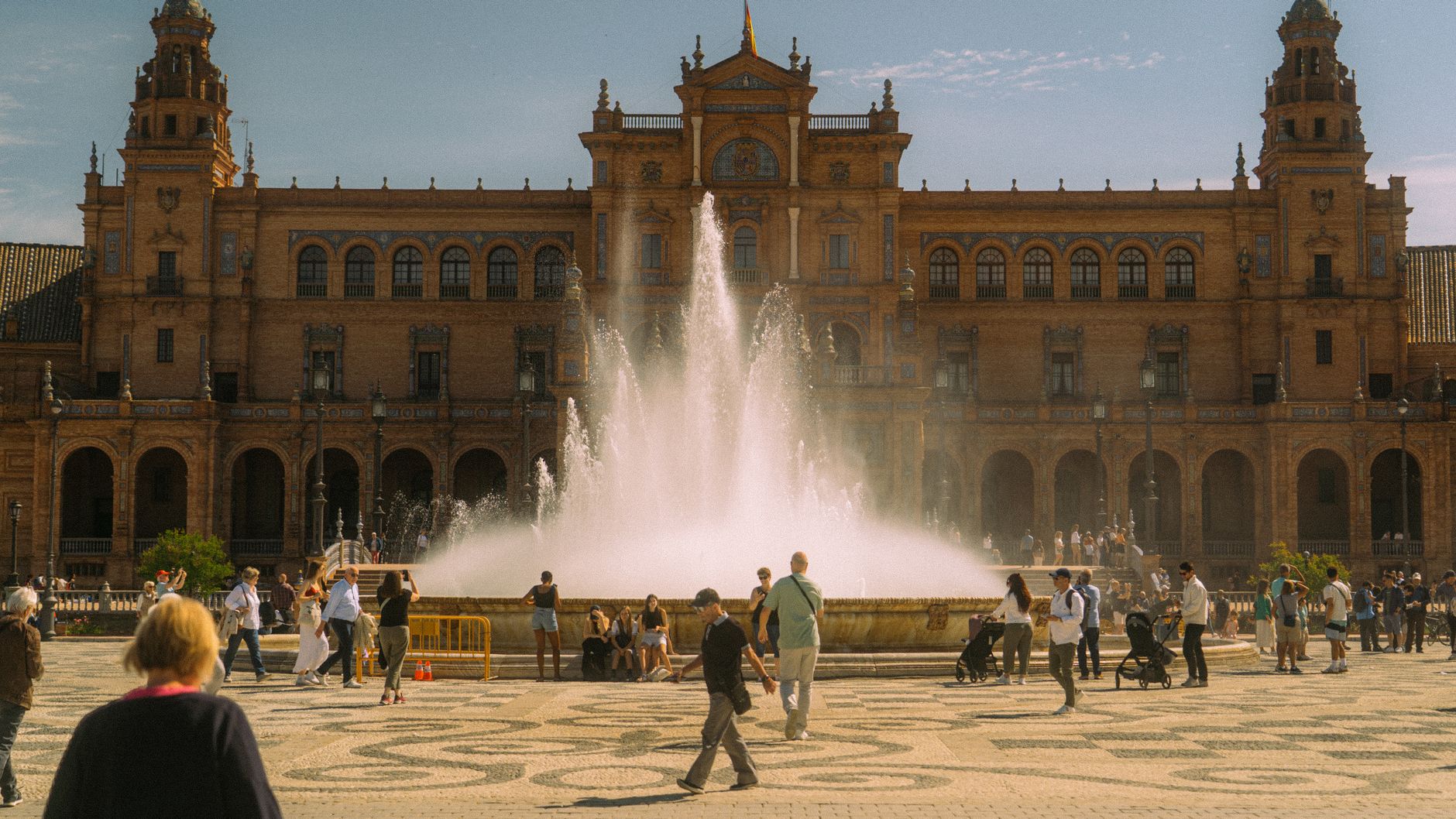
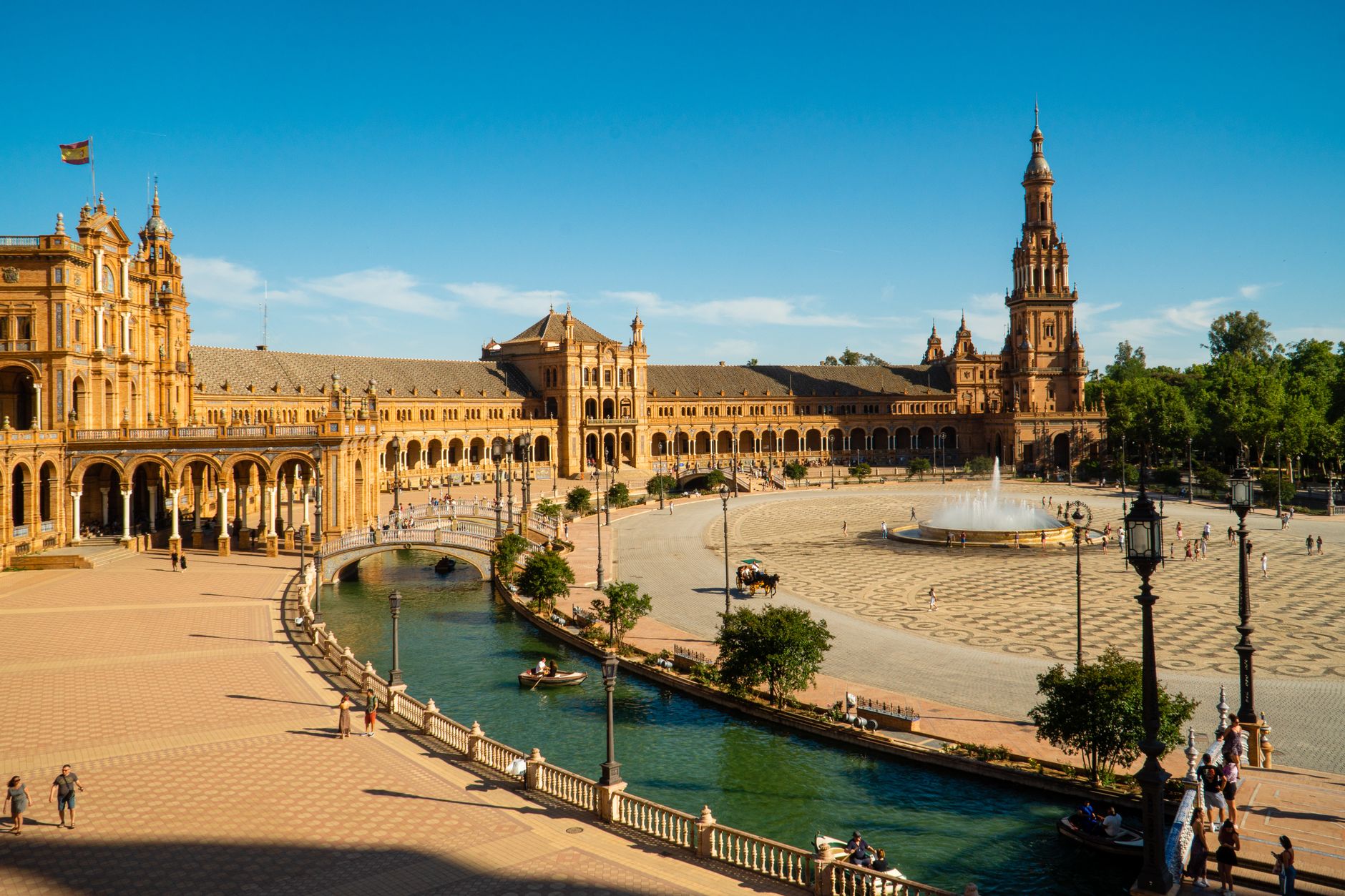
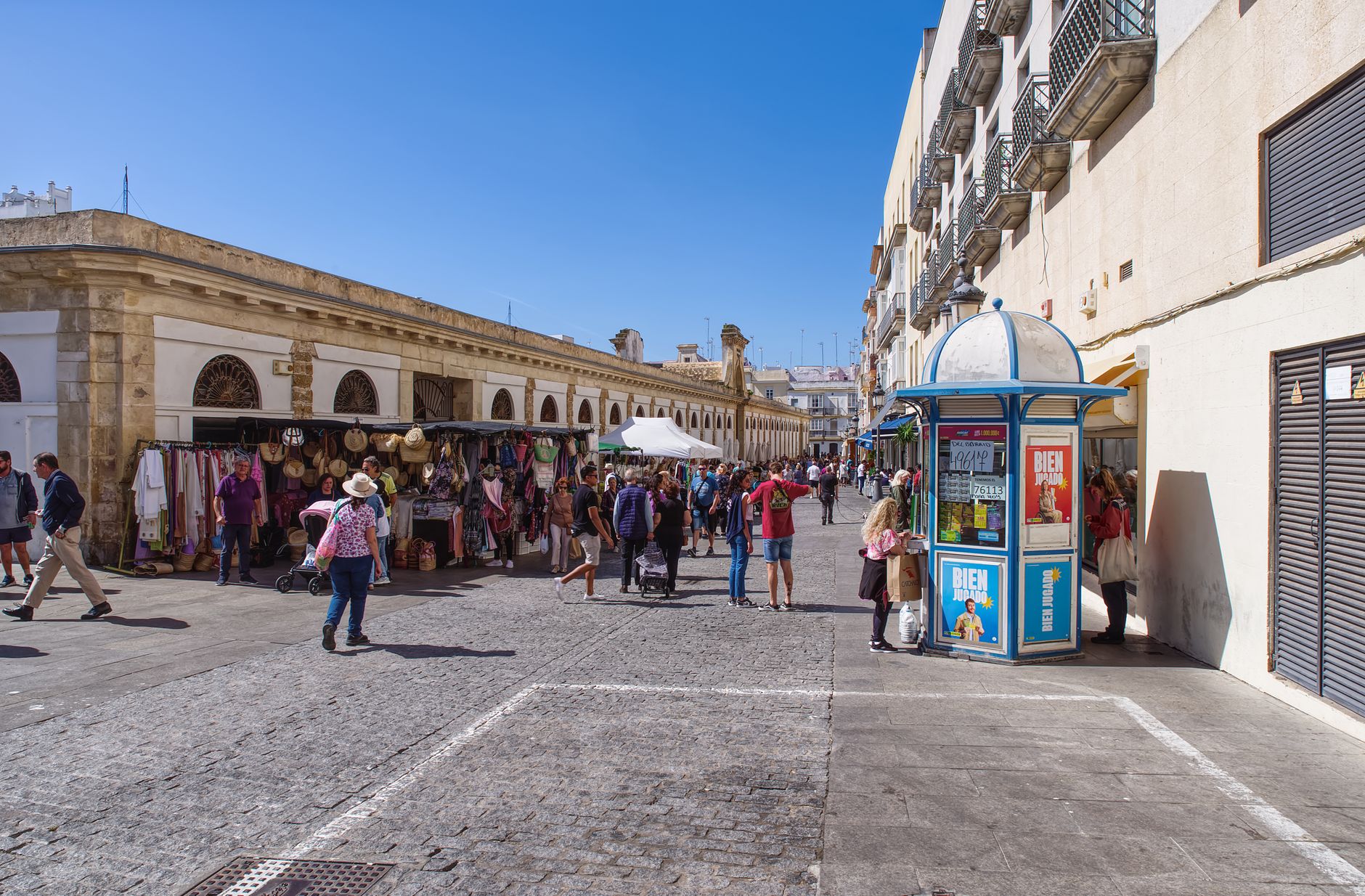
Andalusia is where you start to understand why people end up staying longer than planned. The south of Spain holds the country's most layered past — Roman ruins, Moorish palaces, Gothic cathedrals built over mosques — and all of it sits under one of Europe's most reliable suns. Cádiz, founded by Phoenicians around 1100 BCE, is the oldest city on the continent. The Alhambra in Granada was already ancient when Columbus set sail from Huelva province in 1492.
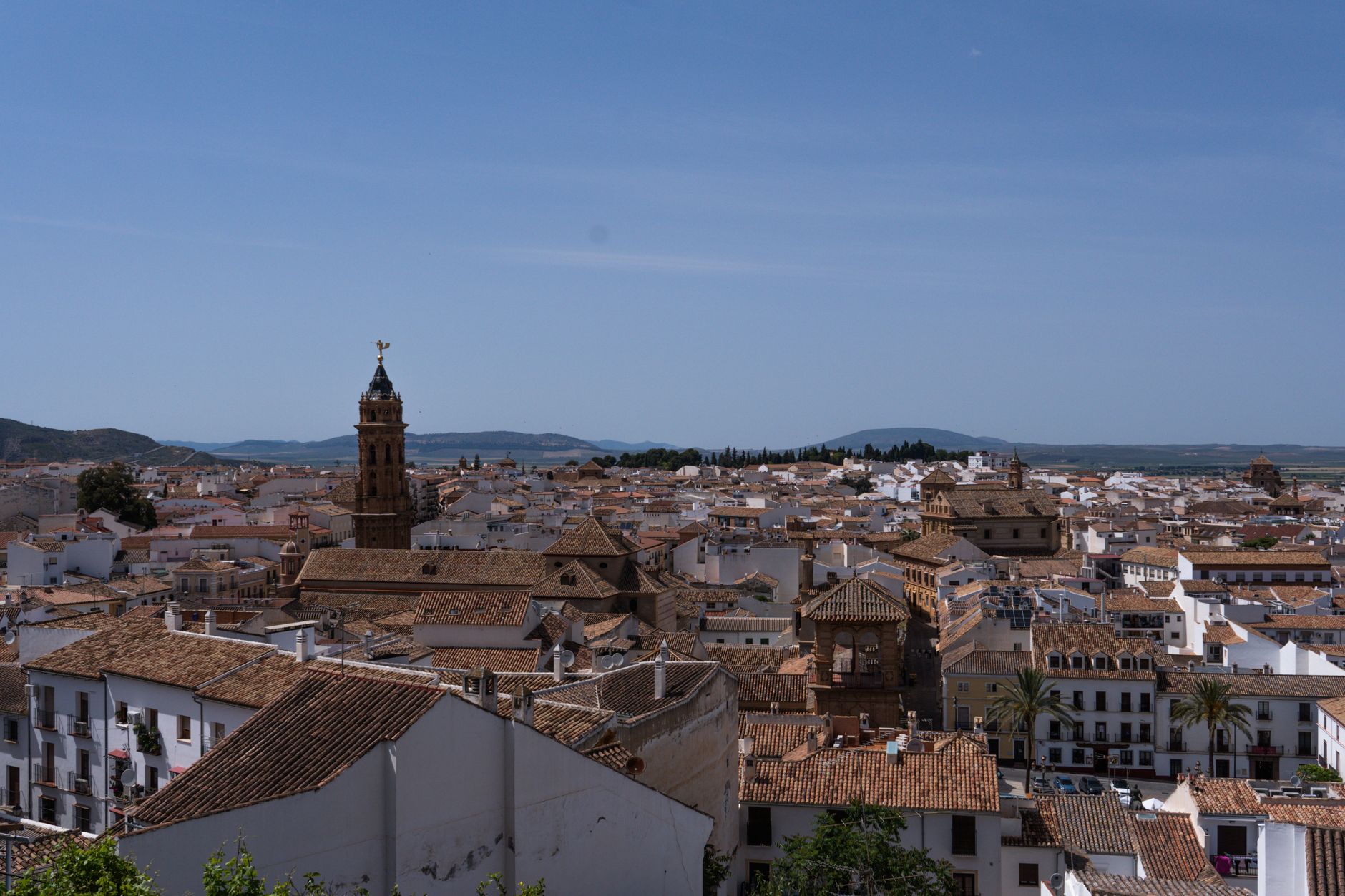
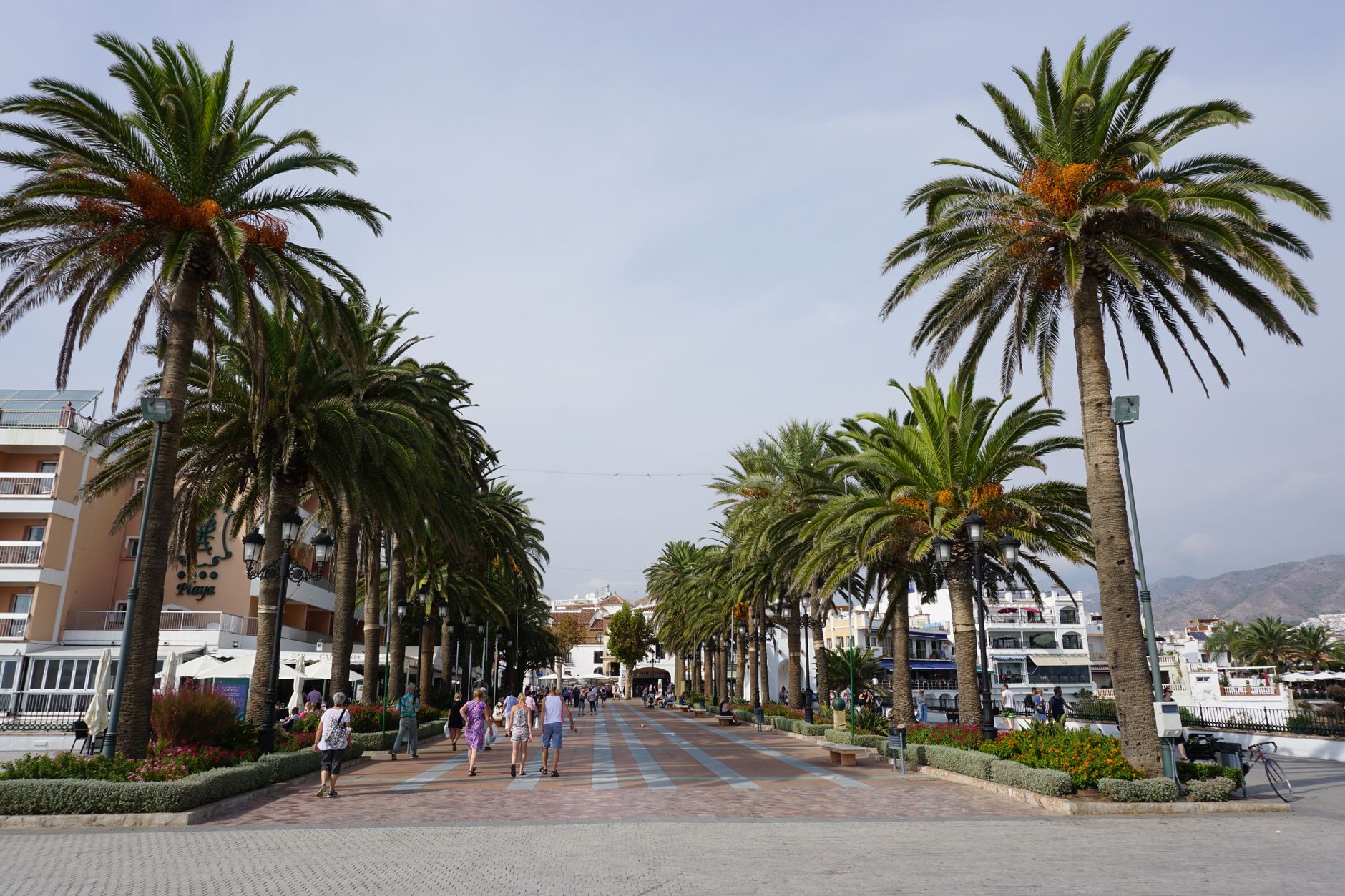
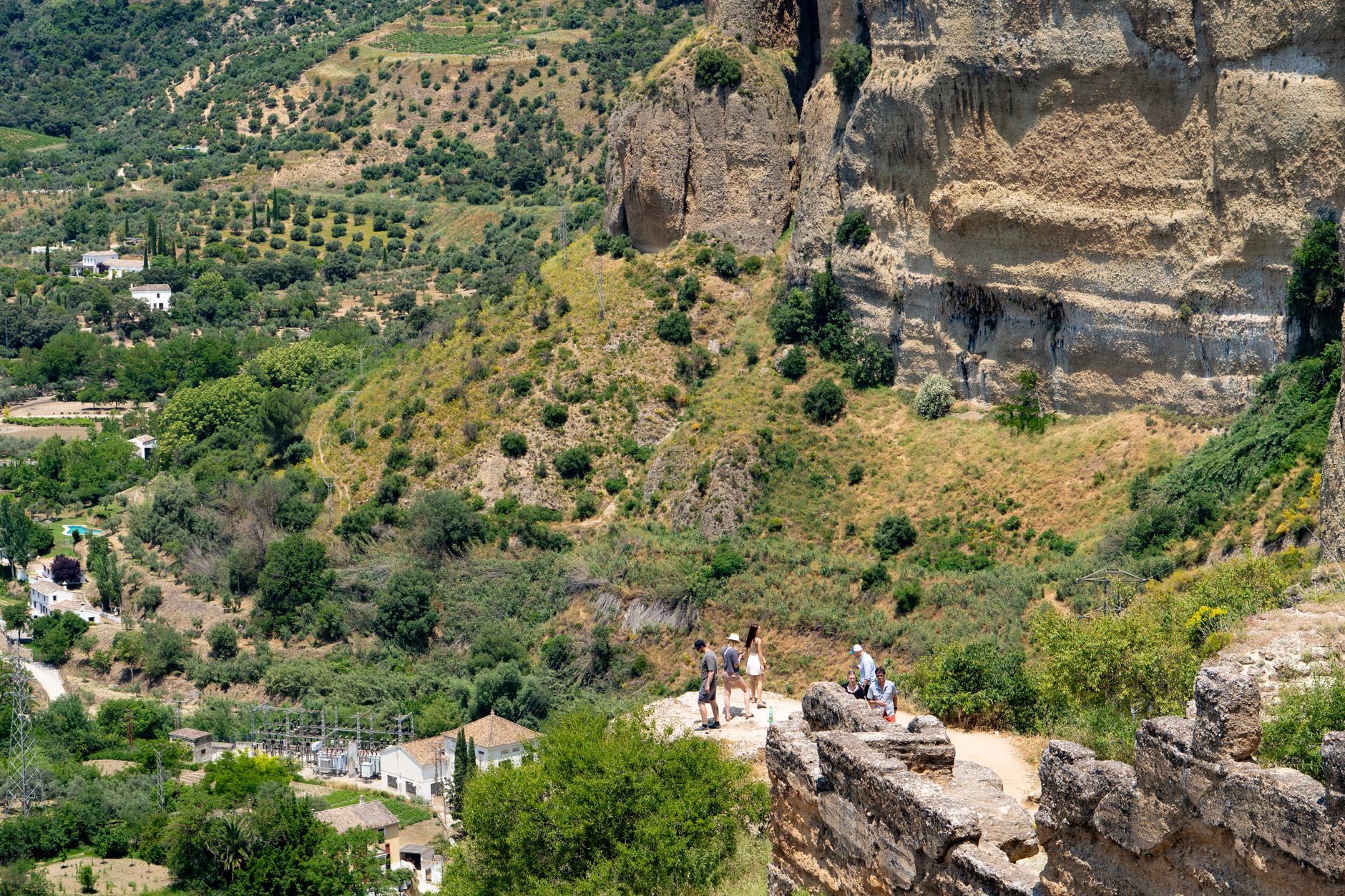
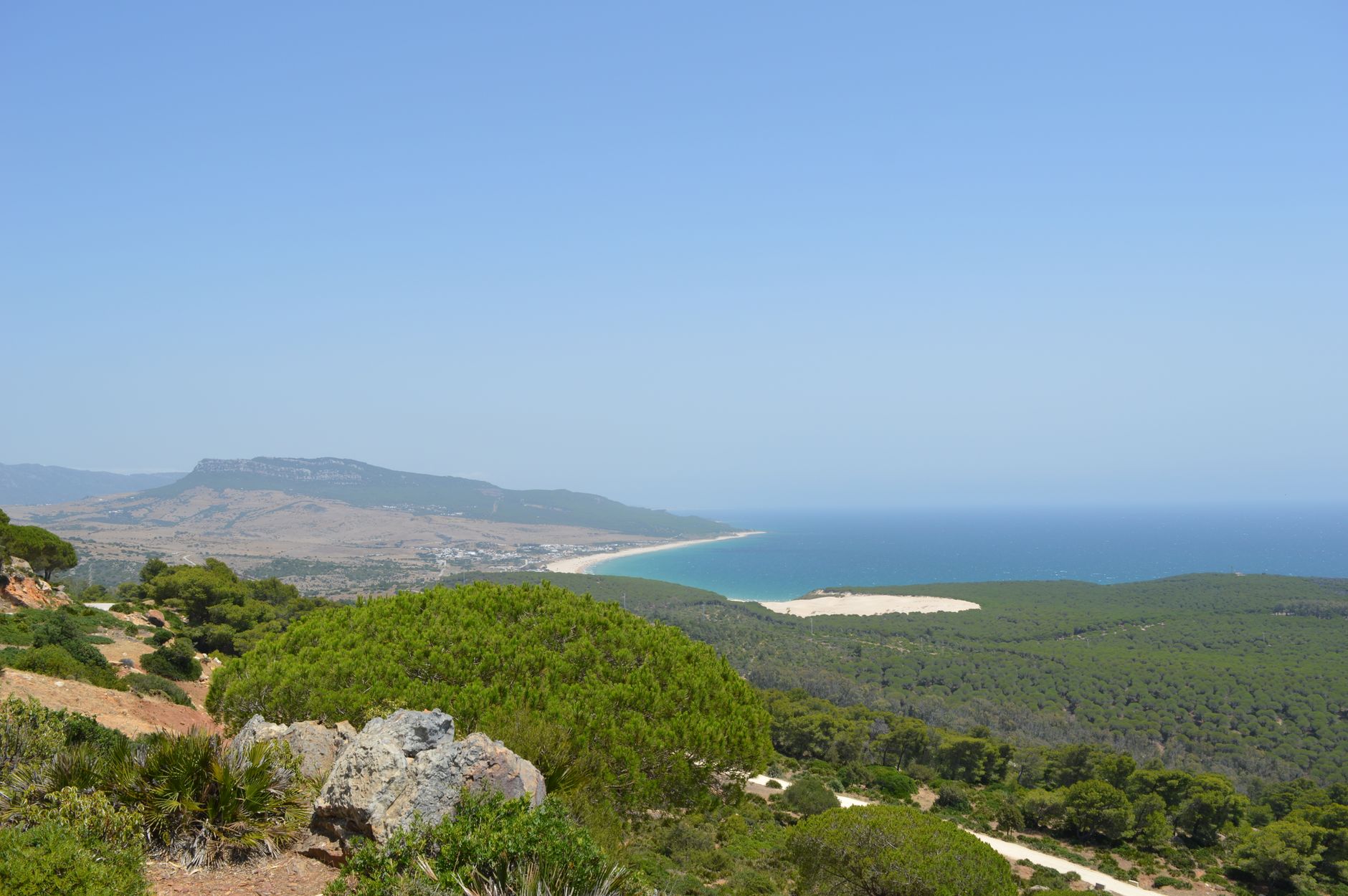
Eight provinces stretch from the Atlantic coast to the Mediterranean, from the Sierra Nevada to the Guadalquivir plain. Each city has its own register: Seville ceremonial and grand, Córdoba quiet and scholarly, Ronda perched above a gorge so deep it stops conversation.
Popular cities in Andalusia
Experiences you don't want to miss



How Andalusia came to be
People were farming this land by 4000 BCE, but Andalusia's recorded history begins on the coast, where Phoenician traders founded Cádiz. Romans under Scipio Africanus took the region between 210 and 206 BCE, naming it Baetica — one of Rome's wealthiest provinces, and the birthplace of emperors Hadrian and Trajan at the city of Itálica. In 711 CE, Muslim forces crossed the Strait of Gibraltar and within years had reshaped southern Iberia entirely.
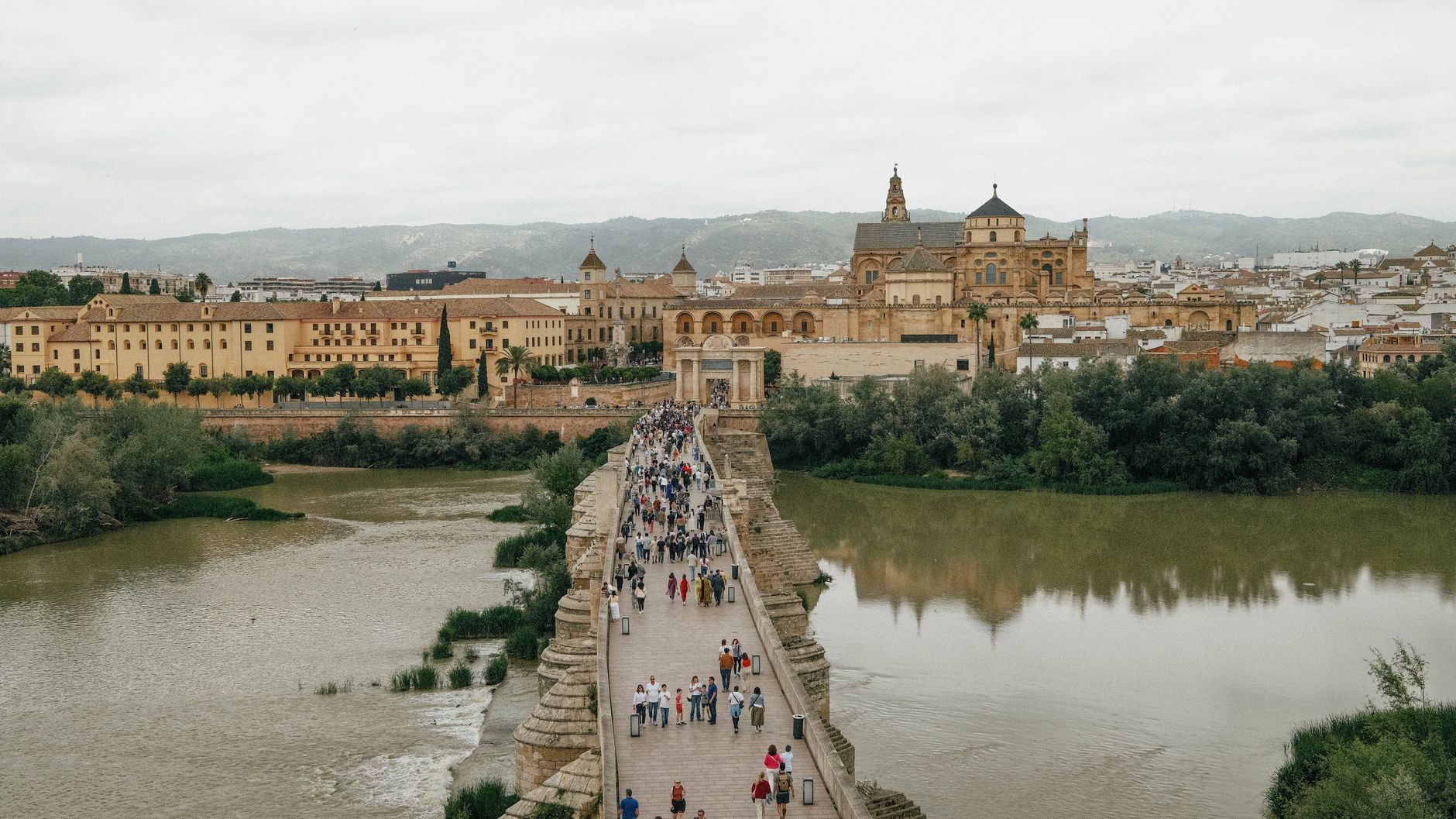
The Umayyad caliphate of Córdoba, proclaimed by ʿAbd al-Raḥmān III in 929, made the region a centre of learning and architecture. The Great Mosque of Córdoba dates to 785; the Alhambra was raised mainly between 1238 and 1358. Córdoba fell to Castilian forces in 1236, Seville in 1248, and the last Nasrid kingdom — Granada — was surrendered in 1492, the same year Columbus left Andalusian shores for the Americas.
Who and what shaped it
People who shaped it
Landmark buildings
See Andalusia in motion
Plan your visit
On the map
When to go
Summers are long, dry, and genuinely hot inland — Seville and Córdoba regularly exceed 36°C in July and August, with almost no rain from May through September. Winters are mild by European standards, with January daytime highs around 17°C and most of the annual rainfall concentrated in November and December.
Right now
↡ Cities

No places match these filters.
Background & history adapted from Wikipedia (CC BY-SA) · specs from Wikidata (CC0) · weather from Open-Meteo · map data © OpenStreetMap contributors · photos from Wikimedia Commons / Unsplash with per-image credit. No third-party reviews or social posts reproduced.