
Almería
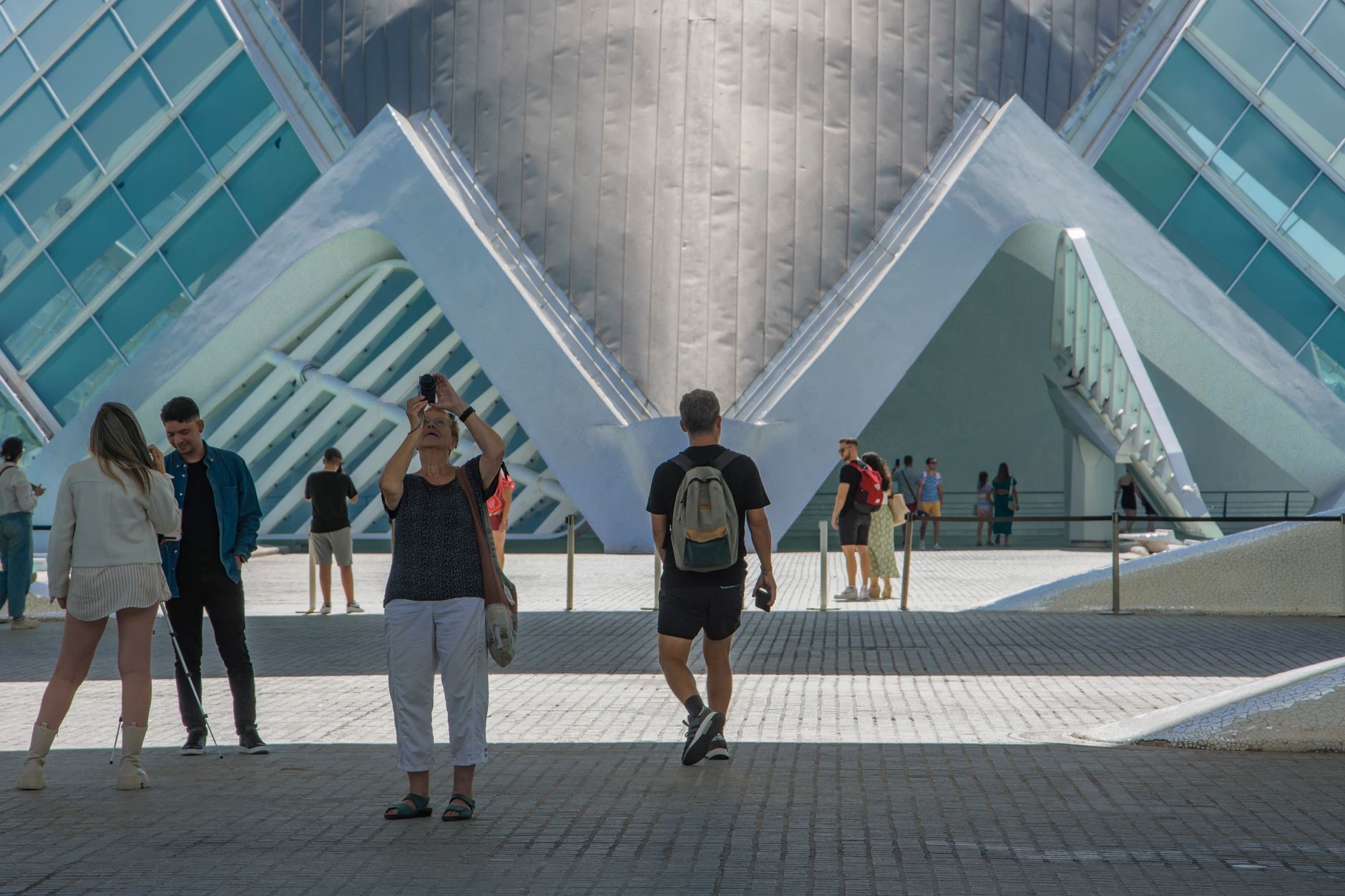
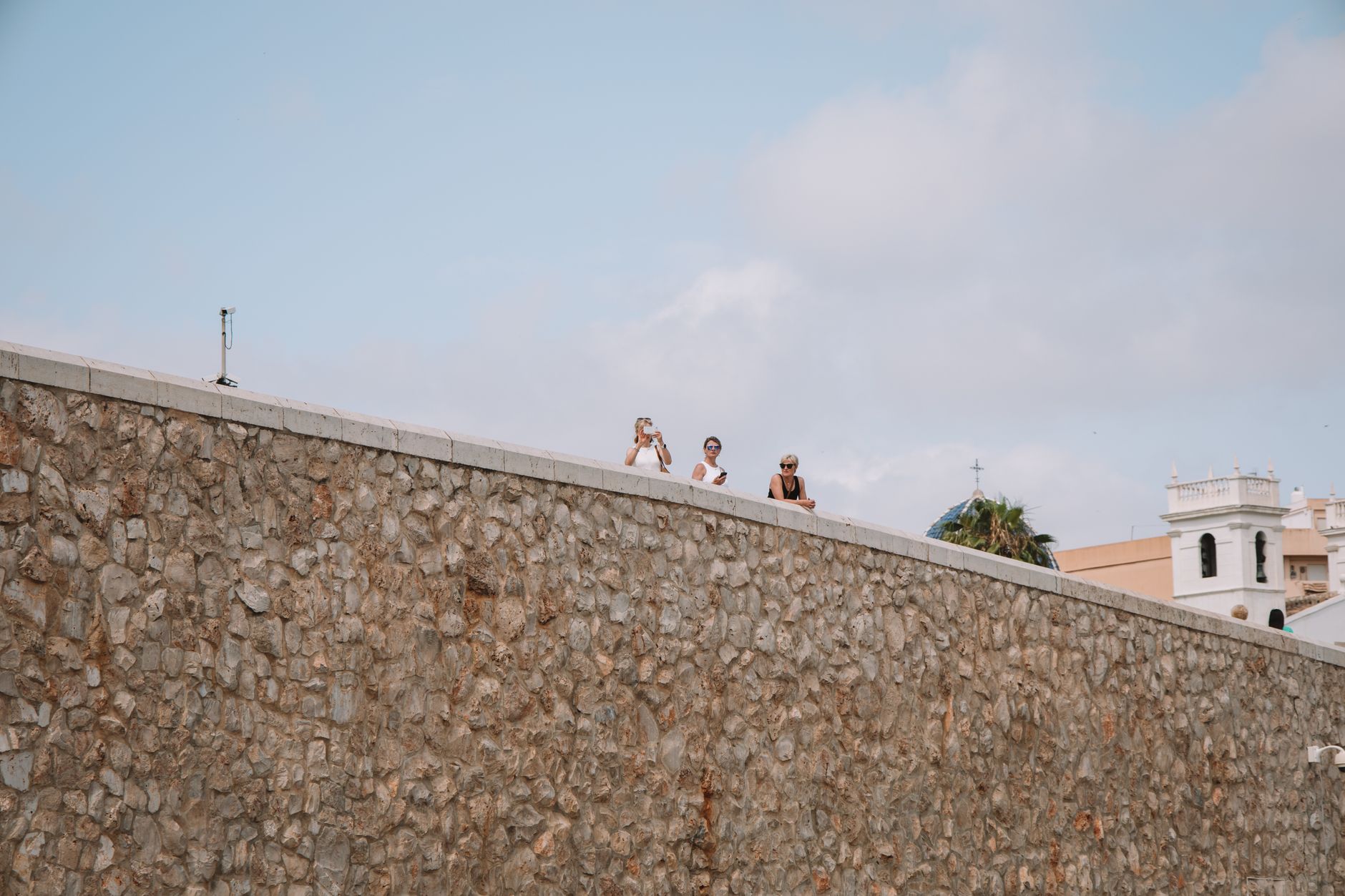
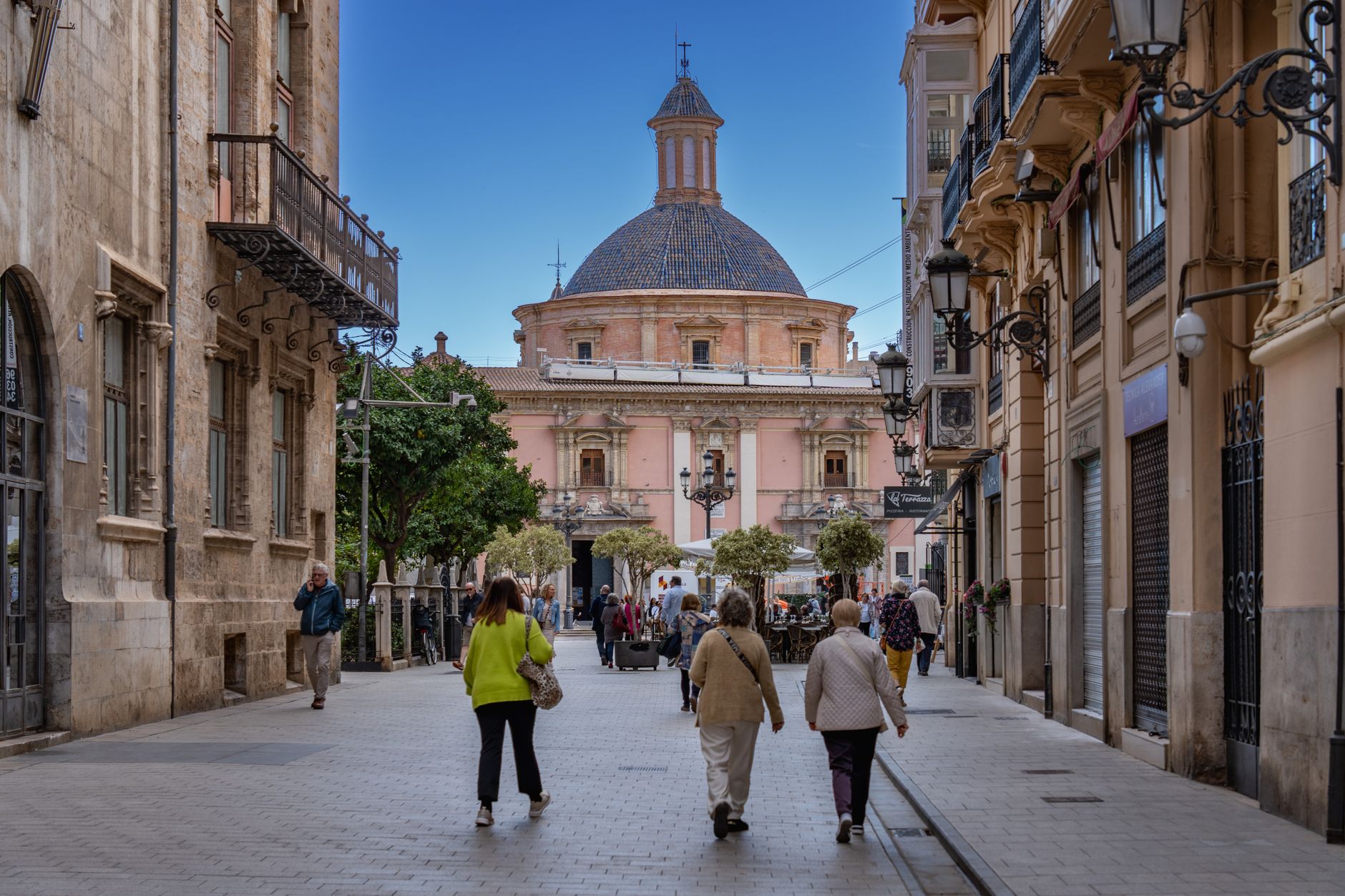
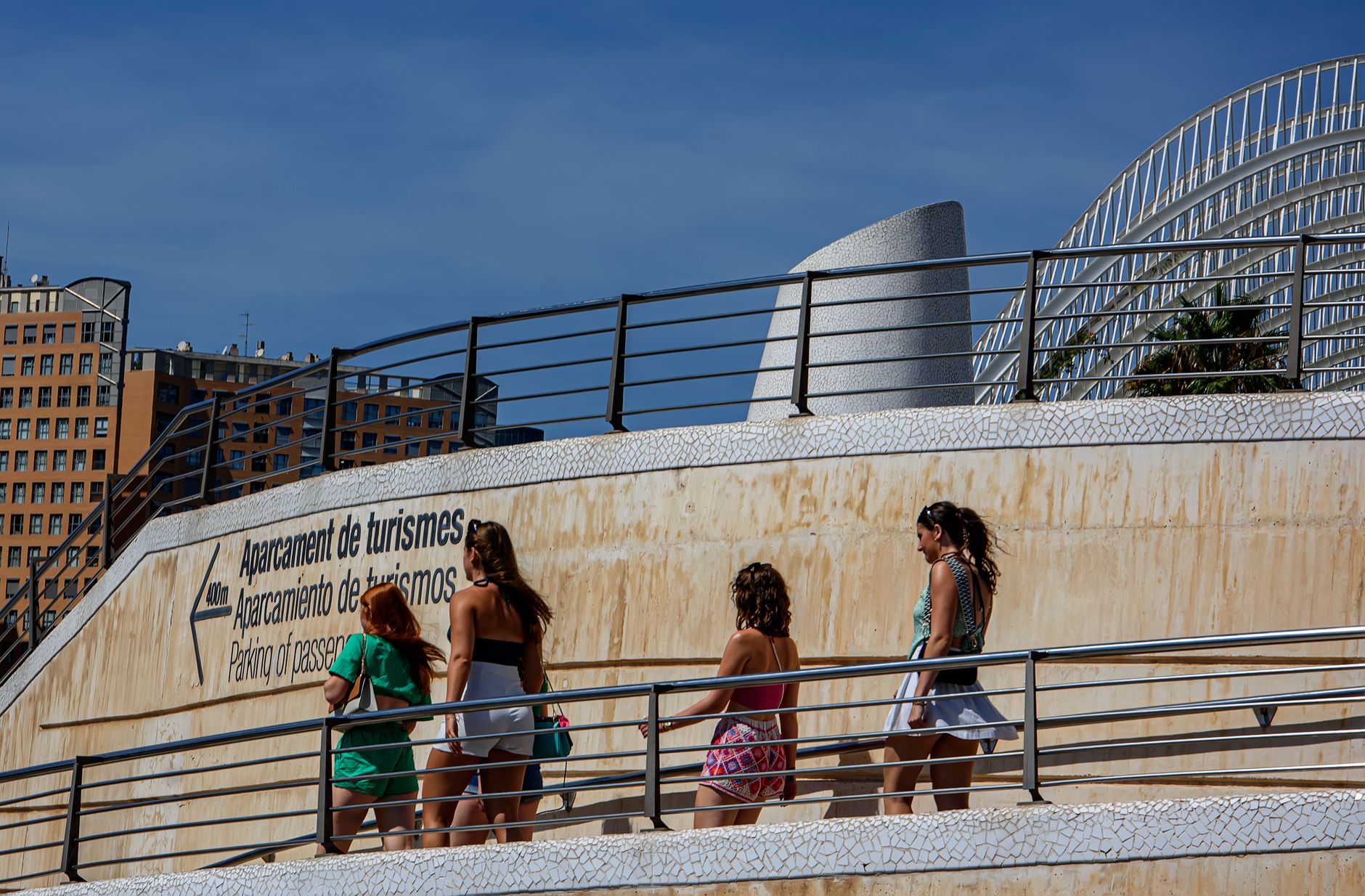
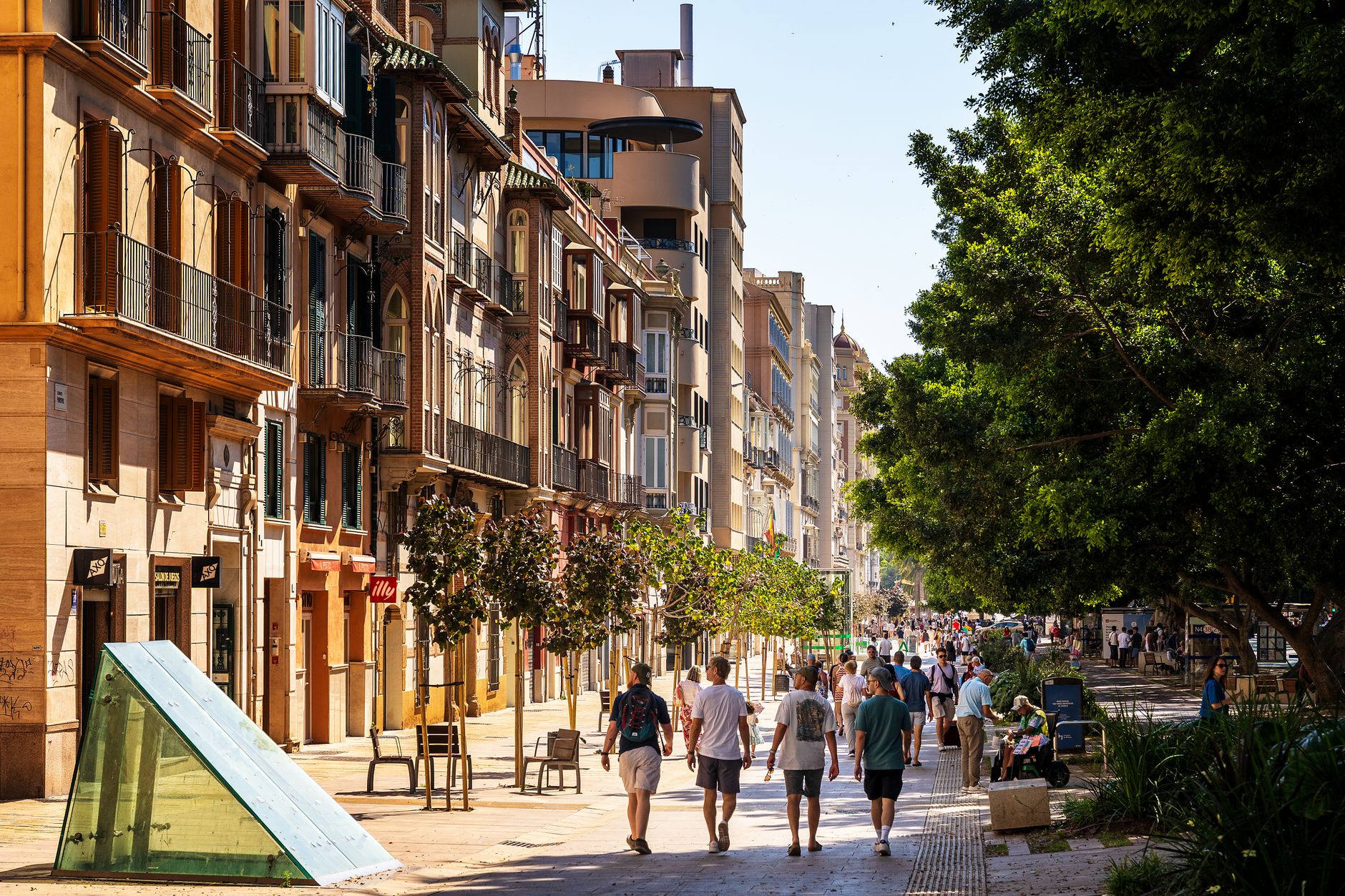
Almería sits at the edge of Europe's only true desert, and the light here is different — bleached, relentless, the kind that makes shadows sharp by nine in the morning. The name comes from the Arabic Al-Mariyya, meaning roughly 'the mirror of the sea' or 'the watchtower', and both feel true when you stand on the Alcazaba's upper terraces and watch the Mediterranean go flat and silver in the afternoon heat.
This is a city that has been wealthy and forgotten and shelled and rebuilt, and it wears all of it without apology. The cathedral has cannon bastions built into its walls. The Cable Inglés pier rusts elegantly into the harbour. The greenhouse sea stretching inland is what actually keeps the modern city running.
💛 What travellers fall for
People who come back tend to go straight up to the Alcazaba first morning, before the heat sets in, then spend the evening on the Paseo de Almería near the Carmen de Burgos promenade. The cathedral rewards a second look — the Gothic-Renaissance stonework and the baroque additions are easier to read once you've slept on it.
Experiences you don't want to miss



Deals in Almería
Book directly at the provider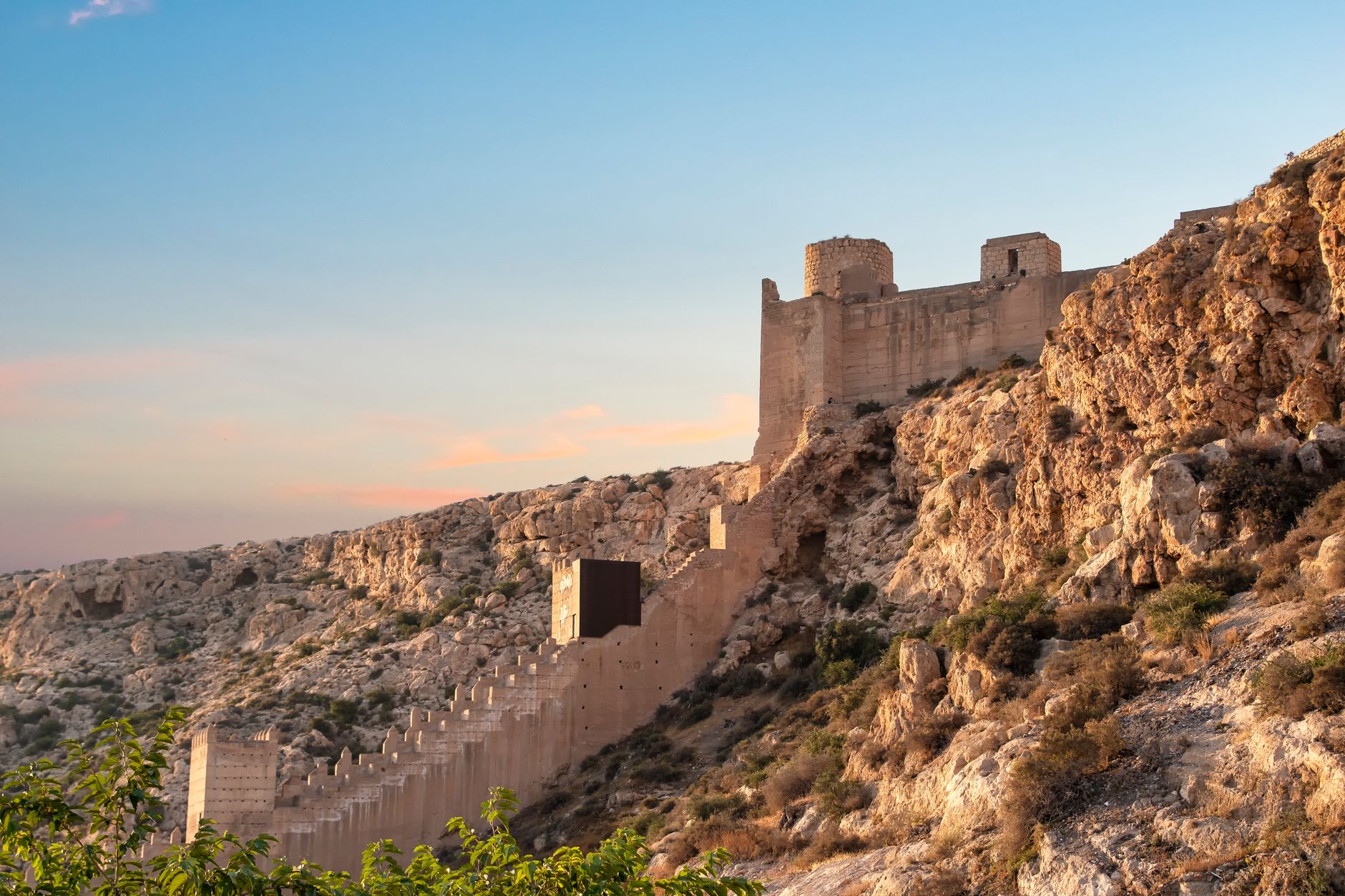

How Almería came to be
Abd al-Rahman III, the Umayyad caliph of Córdoba, ordered the city's founding in 955 and raised the first stones of the Alcazaba. Within a century, under the poet-king Al-Mutasim, Almería had become one of the Mediterranean's more consequential ports — silk, oil and raisins moving through a harbour busy enough to draw traders from far beyond Andalusia. The Christian coalition took it in 1147; the Catholic Monarchs rode in on 26 December 1489.
Then the ground moved. The 1522 earthquake levelled much of what remained of the medieval city, and the cathedral that rose in its place — designed initially by Diego de Siloé, completed by Juan de Orea — was built with cannon bastions, the only such fortified church in Andalusia. Barbary raids, iron-mining booms, a German naval shelling in 1937: Almería absorbed each in turn, surrendering to Franco's forces in 1939 as the last Andalusian city to fall.
Who and what shaped it
People who shaped it
Landmark buildings
See Almería in motion
Plan your visit
On the map
When to go
Almería receives around 200 mm of rain a year — desert levels — and has never officially recorded a sub-zero temperature. Summers are long, dry and genuinely hot, with August averaging 27°C and a warm sea to match; winters are mild and mostly sunny, with the occasional rainy spell in December.
Right now
Background & history adapted from Wikipedia (CC BY-SA) · specs from Wikidata (CC0) · weather from Open-Meteo · map data © OpenStreetMap contributors · photos from Wikimedia Commons / Unsplash with per-image credit. No third-party reviews or social posts reproduced.