
Antequera
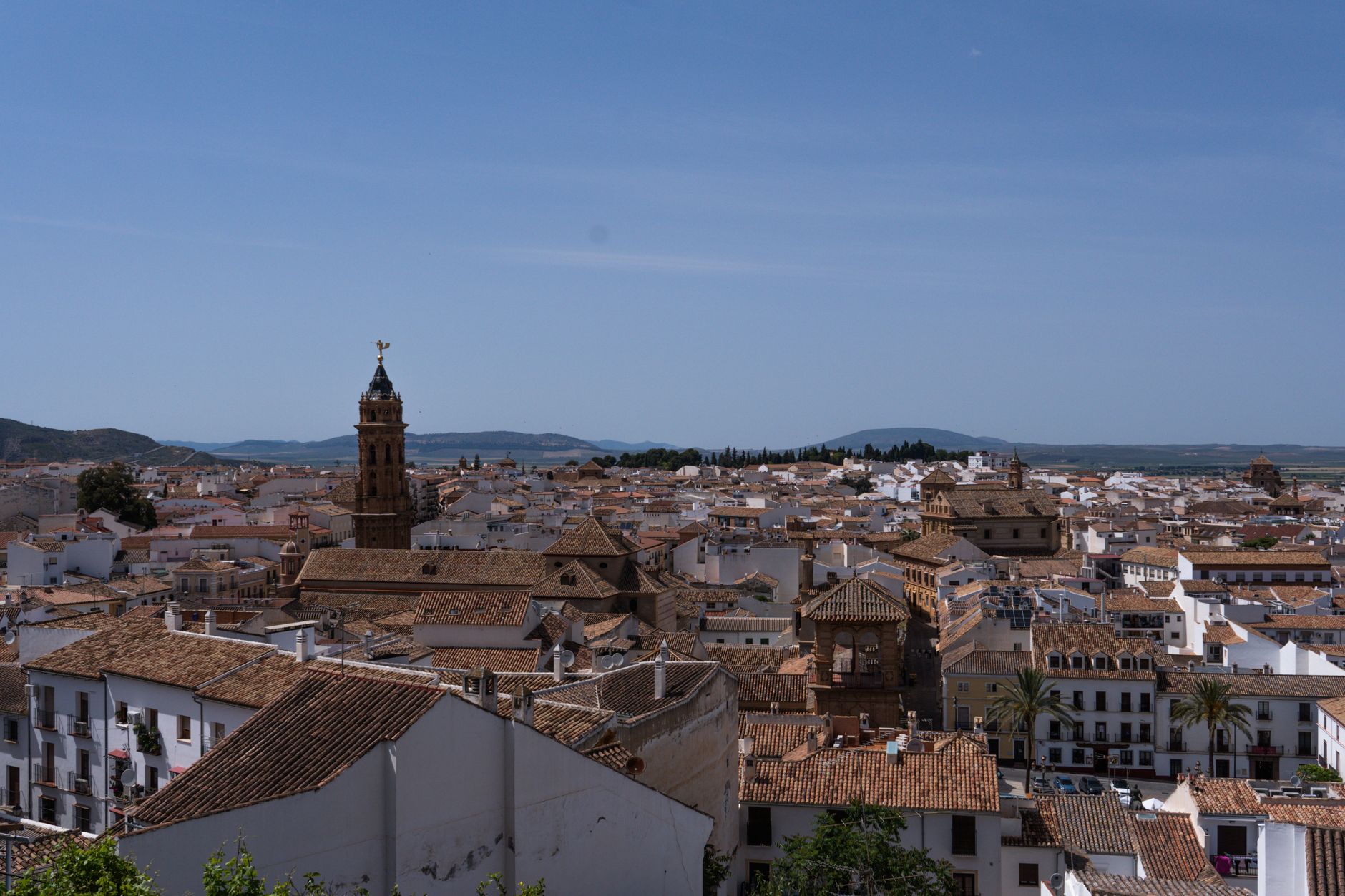
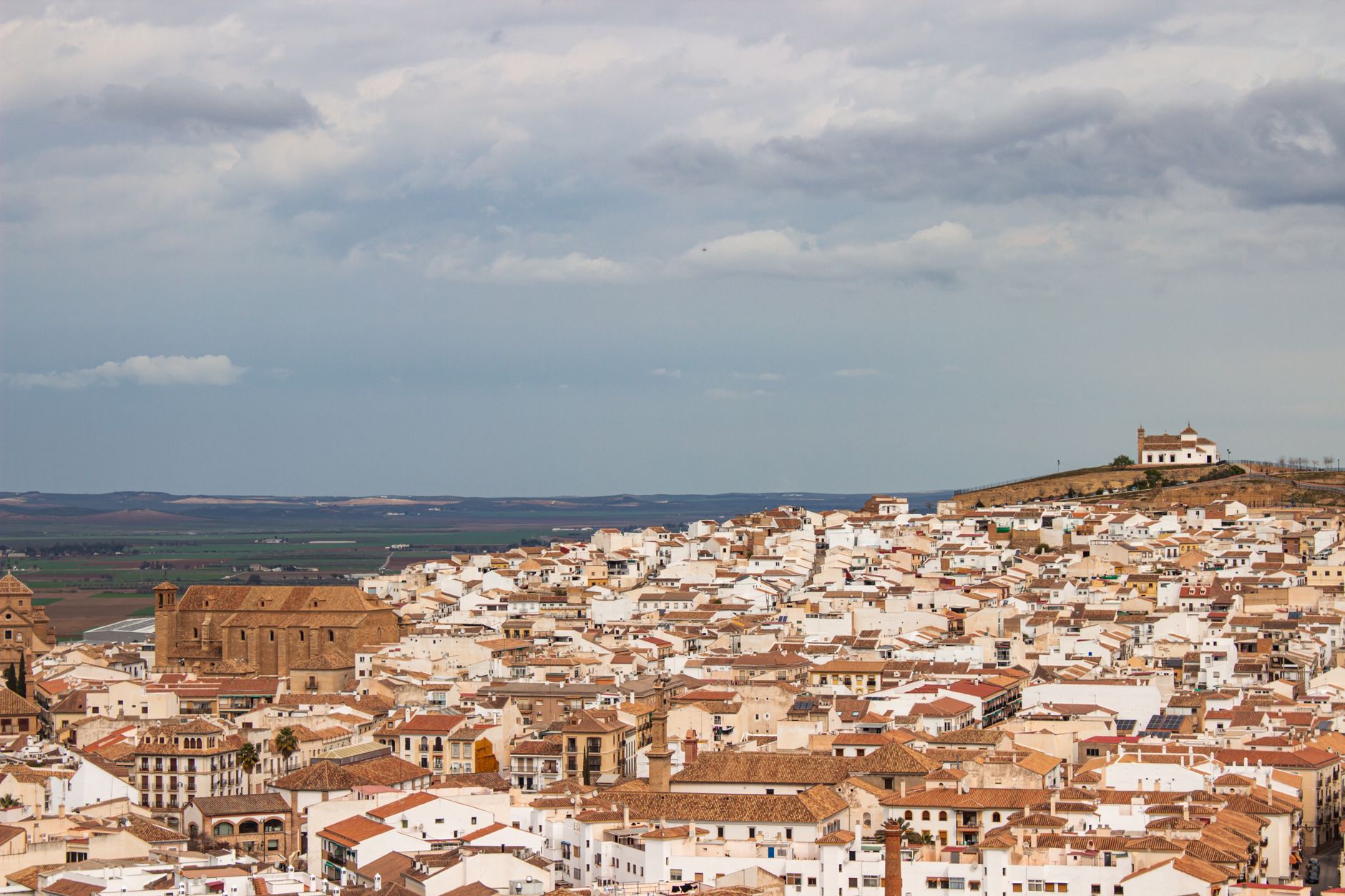
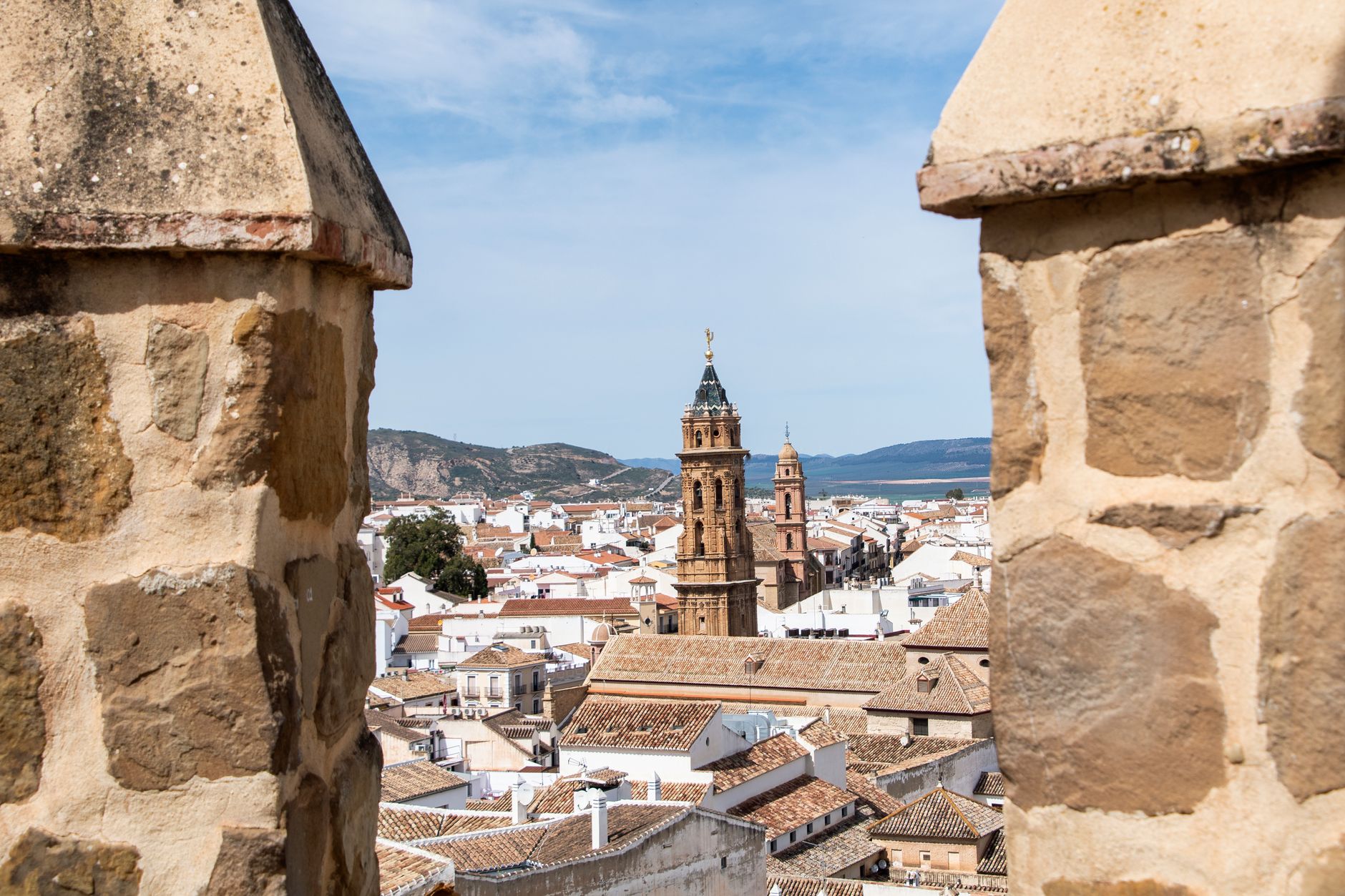
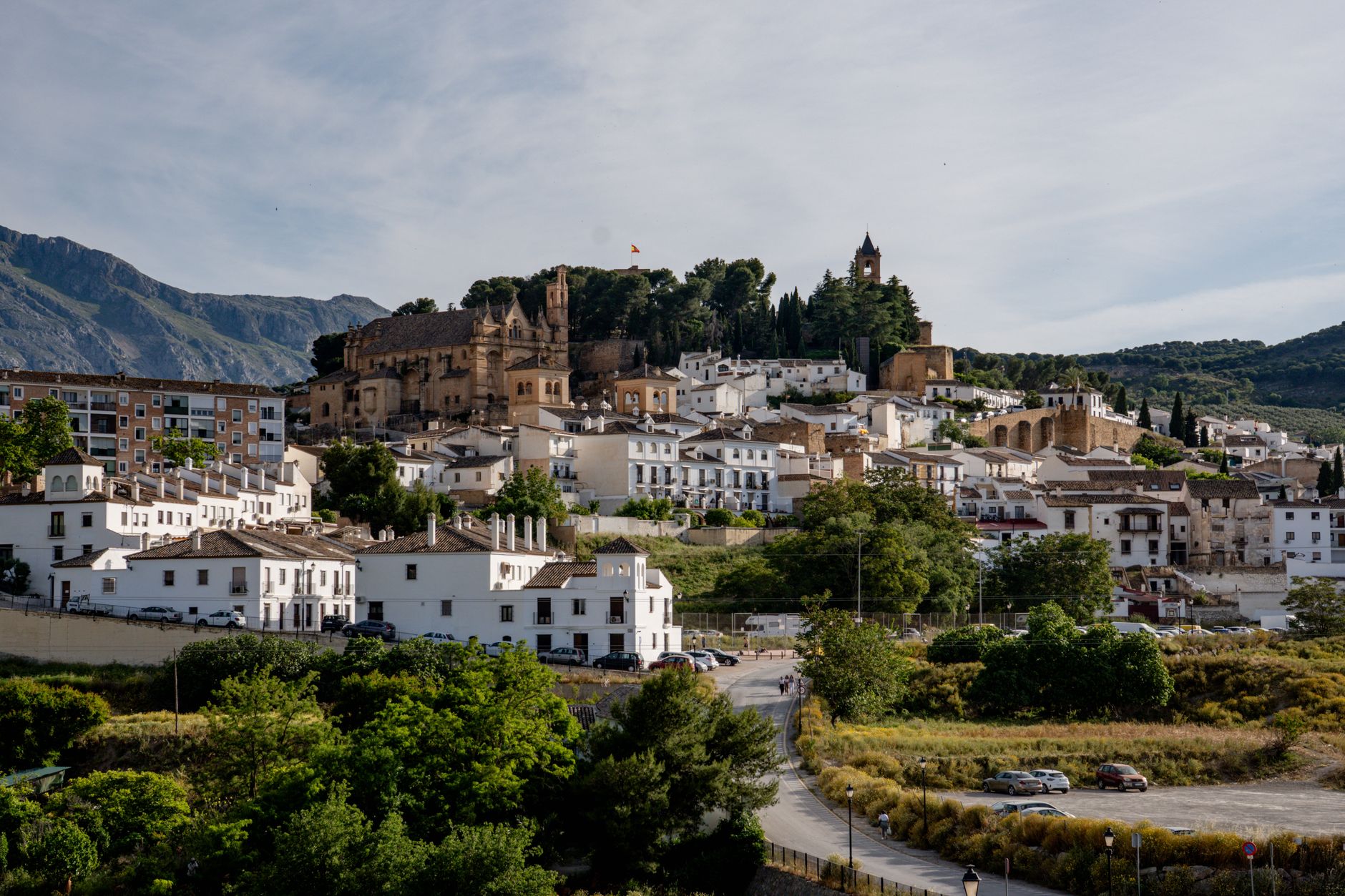
Stand inside the Menga dolmen and you are surrounded by stones that were hauled into place roughly 6,000 years ago, oriented so that on midsummer morning the light falls toward the Peña de los Enamorados on the horizon. That kind of accumulated time is what Antequera does best. It sits at a crossroads in the interior of Andalusia — 45 km north of Málaga, 512 metres above sea level — and the layers here are visible rather than buried: Neolithic tombs, Roman bronze, Moorish towers, 33 churches, and a ring of limestone formations carved over millions of years.
The city's compact centre rewards slow walking. The Arco de los Gigantes, built in 1585 and studded with Roman fragments dug up during the Renaissance, leads toward the Real Colegiata de Santa María la Mayor, one of the earliest Renaissance buildings in Andalusia. The Alcazaba above it all looks out over the plain toward the flamingo lagoon at Fuente de Piedra.
💛 What travellers fall for
People who come back tend to time a morning for the dolmens before the coach parties arrive, then walk up to the Alcazaba in the late afternoon when the light is long. The Palacio de Nájera is easy to underestimate — give it an hour for the Ephebos alone, one of the finest Roman bronzes found anywhere in Spain.
Experiences you don't want to miss


Deals in Antequera
Book directly at the providerHow Antequera came to be
People were burying their dead in monumental stone chambers here before writing existed anywhere in Europe. The Menga, Viera, and Romeral dolmens — UNESCO World Heritage since 2016 — span the Neolithic and Bronze Age, and Iberian settlement followed from the 7th century BC onward, with Phoenician and Greek trading contacts. Rome left a bronze ephebos; the Umayyad Caliphate made it Medina Antaquira after 716 AD.
In 1410, the Infante Don Fernando took the city for Christian Castile, and Antequera became a seignorial and religious centre — hence the 33 churches. The Real Colegiata began construction in 1514 under a papal bull issued by Julius II in 1503. An 18th-century trading boom eventually gave way to textile production, then yellow fever in 1804 and the disruption of the Napoleonic Wars.
Who and what shaped it
People who shaped it
Landmark buildings
See Antequera in motion
Plan your visit
On the map
When to go
Summers are hot and dry — July highs reach 32°C, though the elevation keeps nights around 19°C. Winters are mild by day but cold after dark, with January lows around 4°C. Rain falls mostly between November and May, making spring the most reliably pleasant time to spend long stretches outdoors.
Right now
Background & history adapted from Wikipedia (CC BY-SA) · specs from Wikidata (CC0) · weather from Open-Meteo · map data © OpenStreetMap contributors · photos from Wikimedia Commons / Unsplash with per-image credit. No third-party reviews or social posts reproduced.