
Nerja
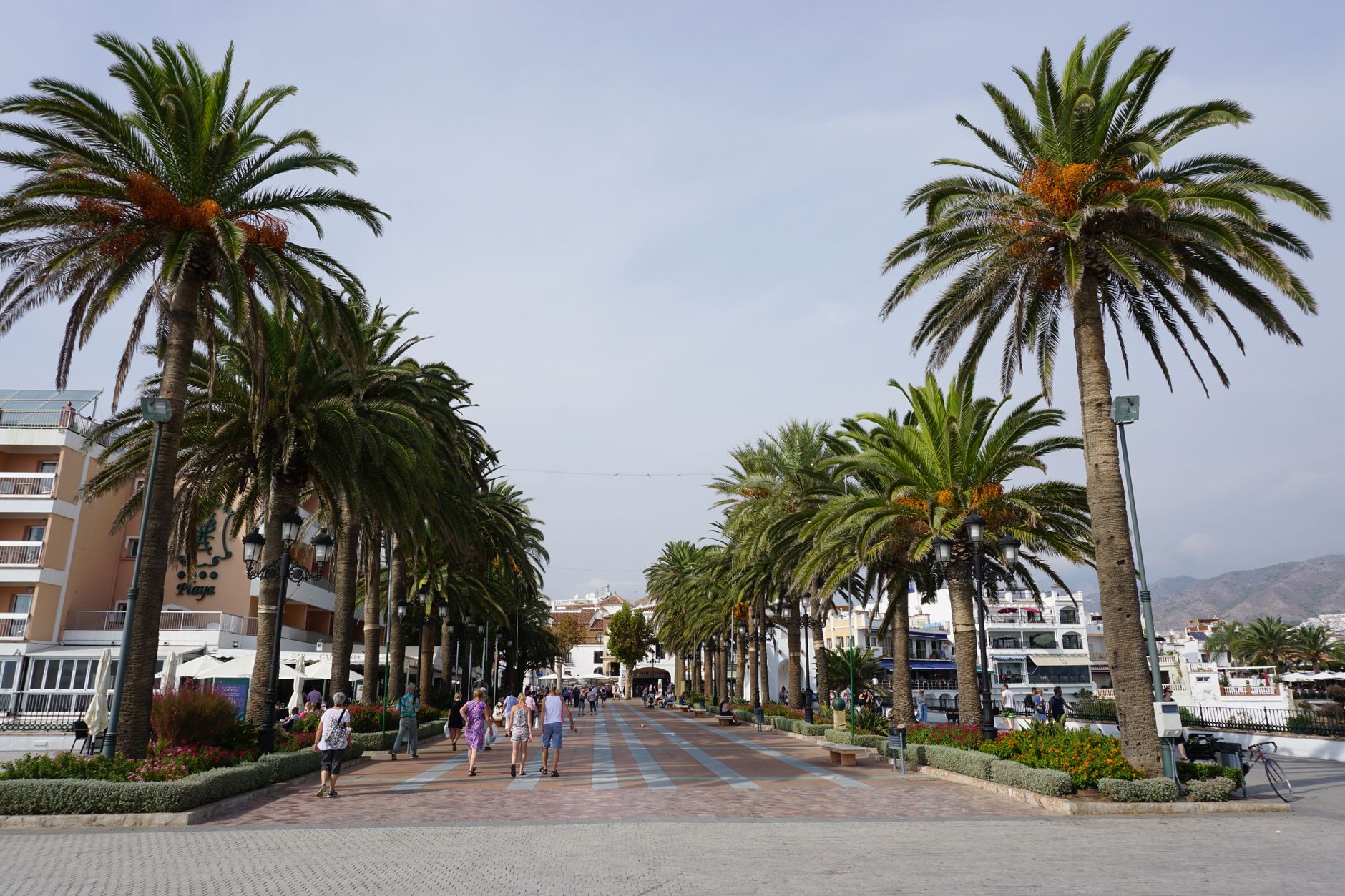
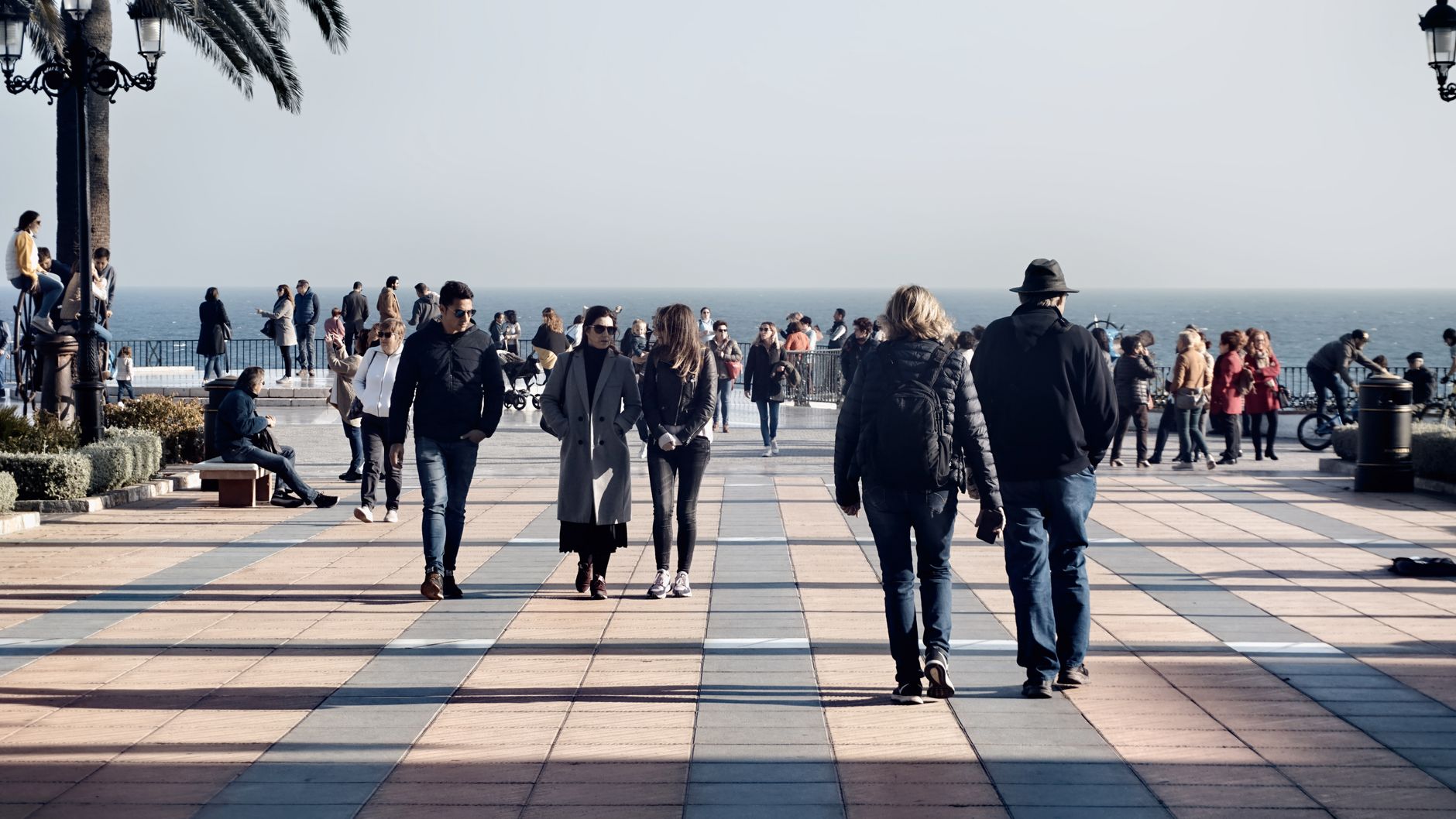
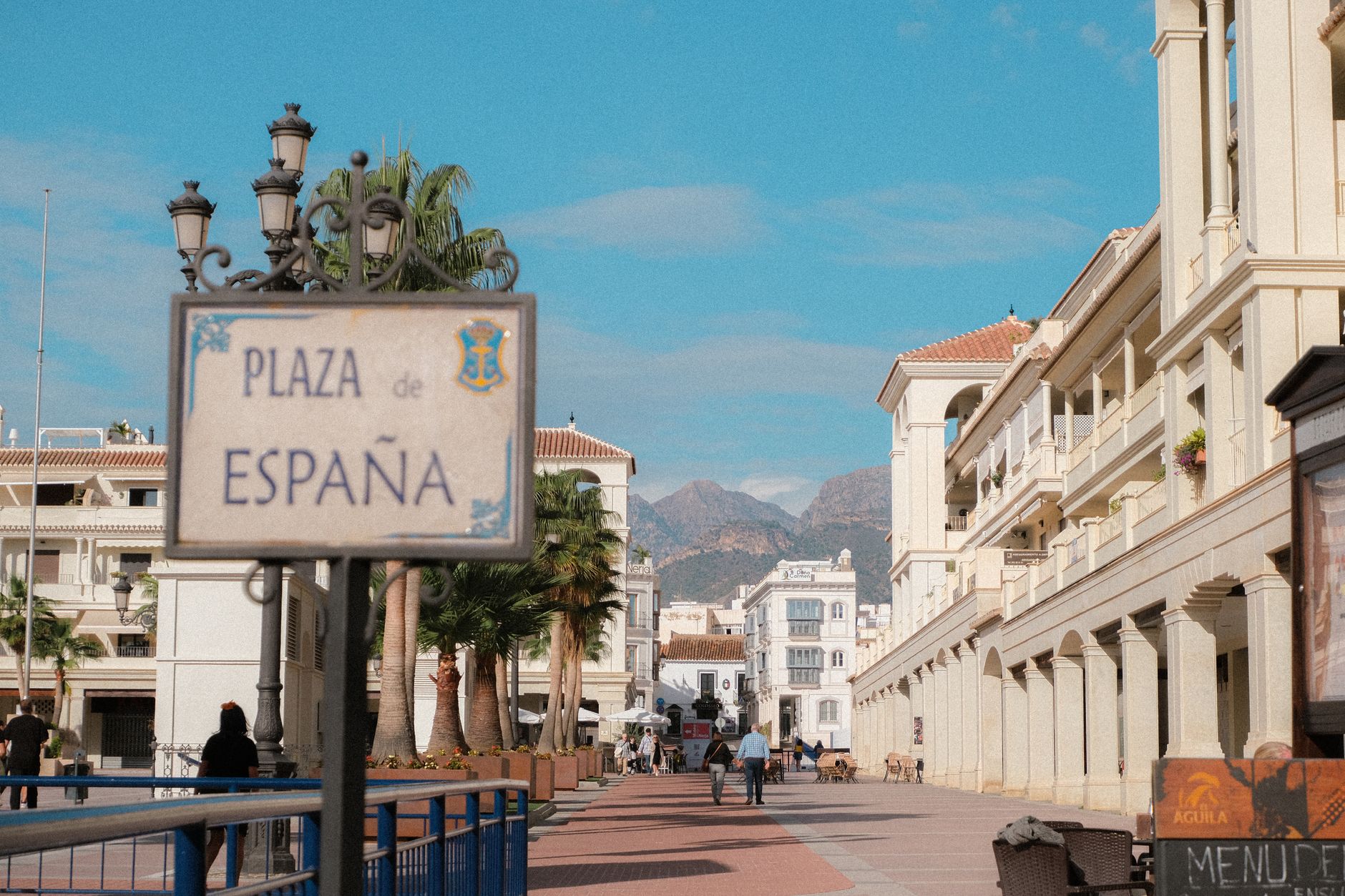
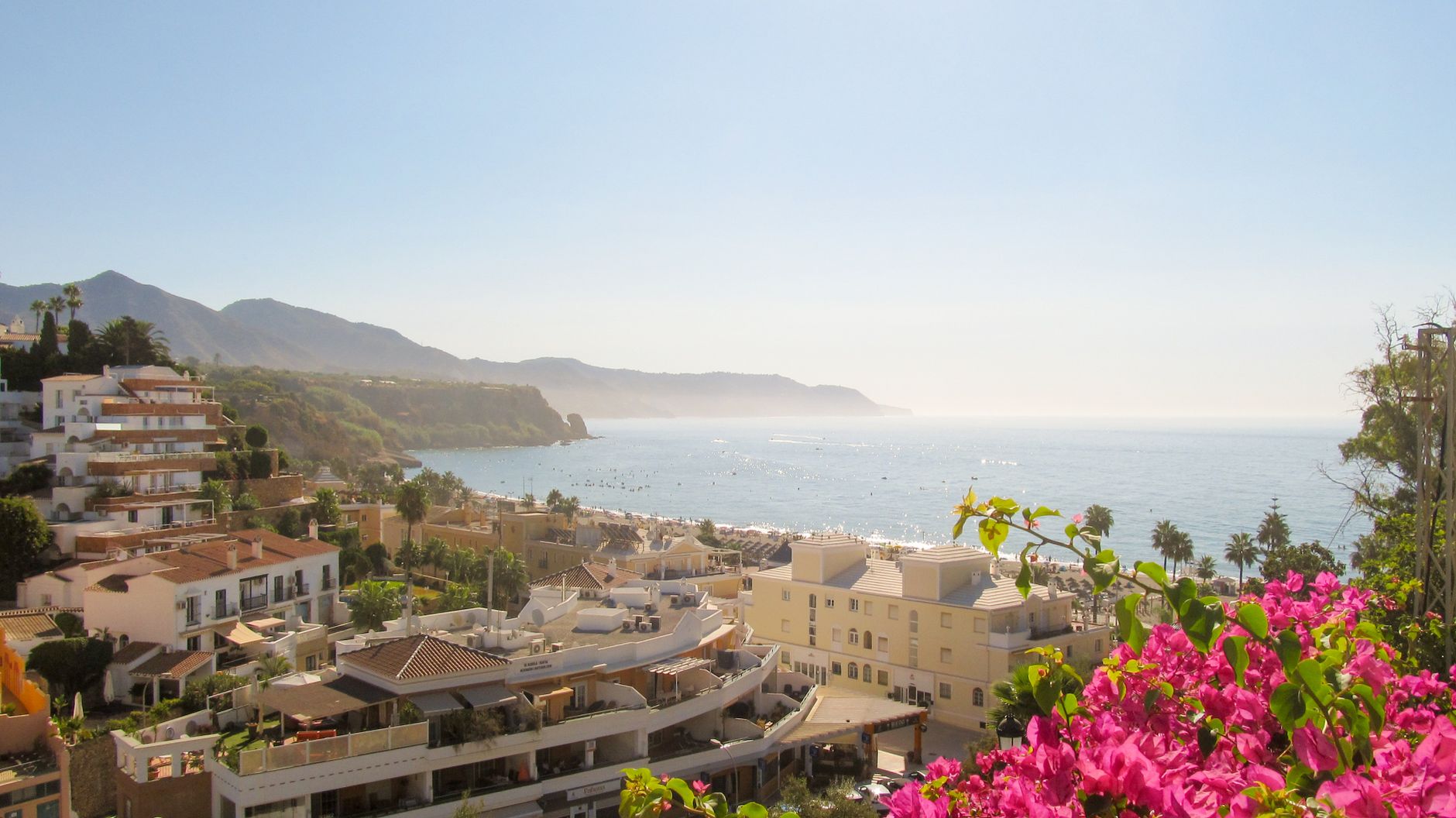
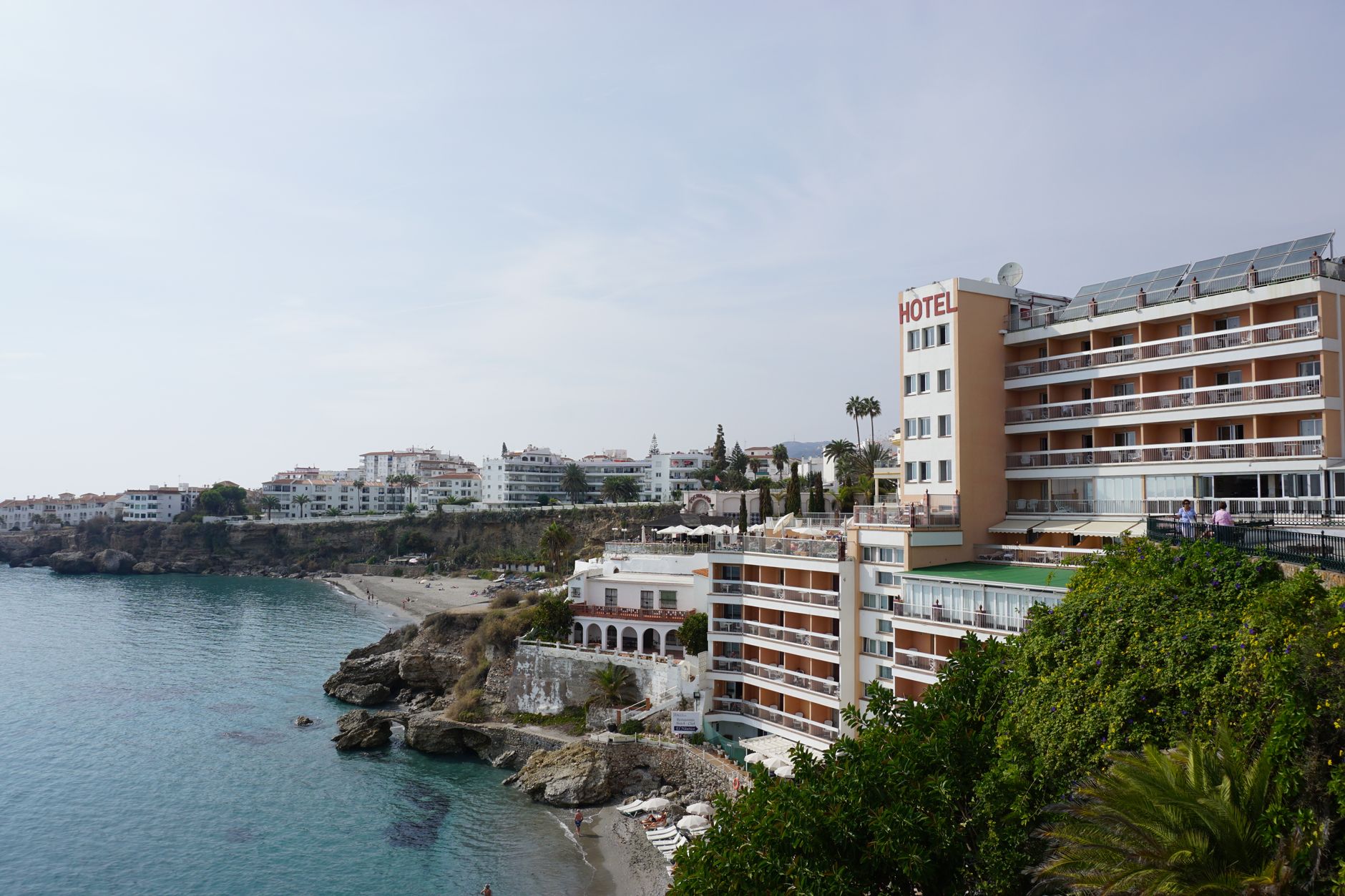
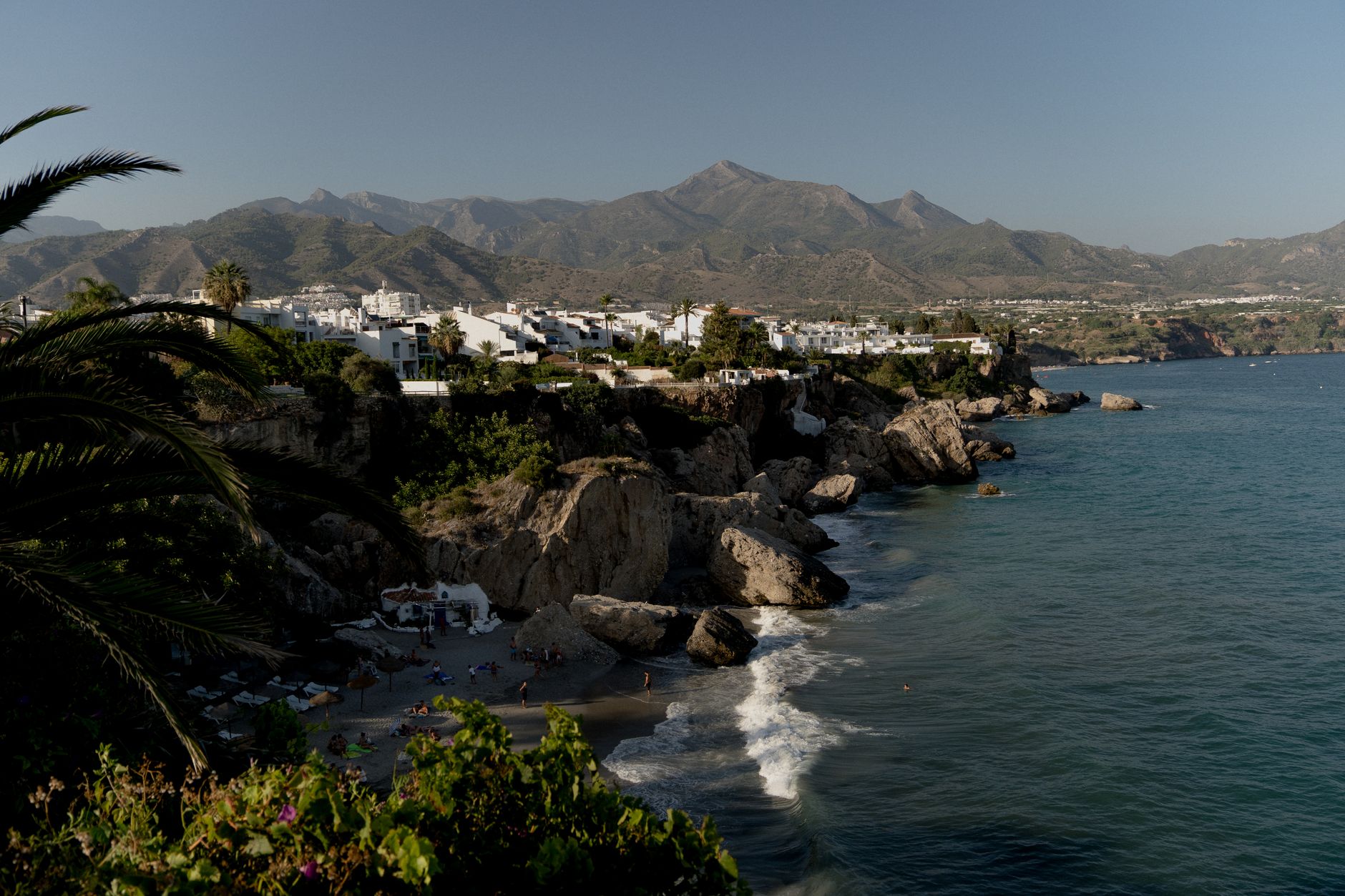
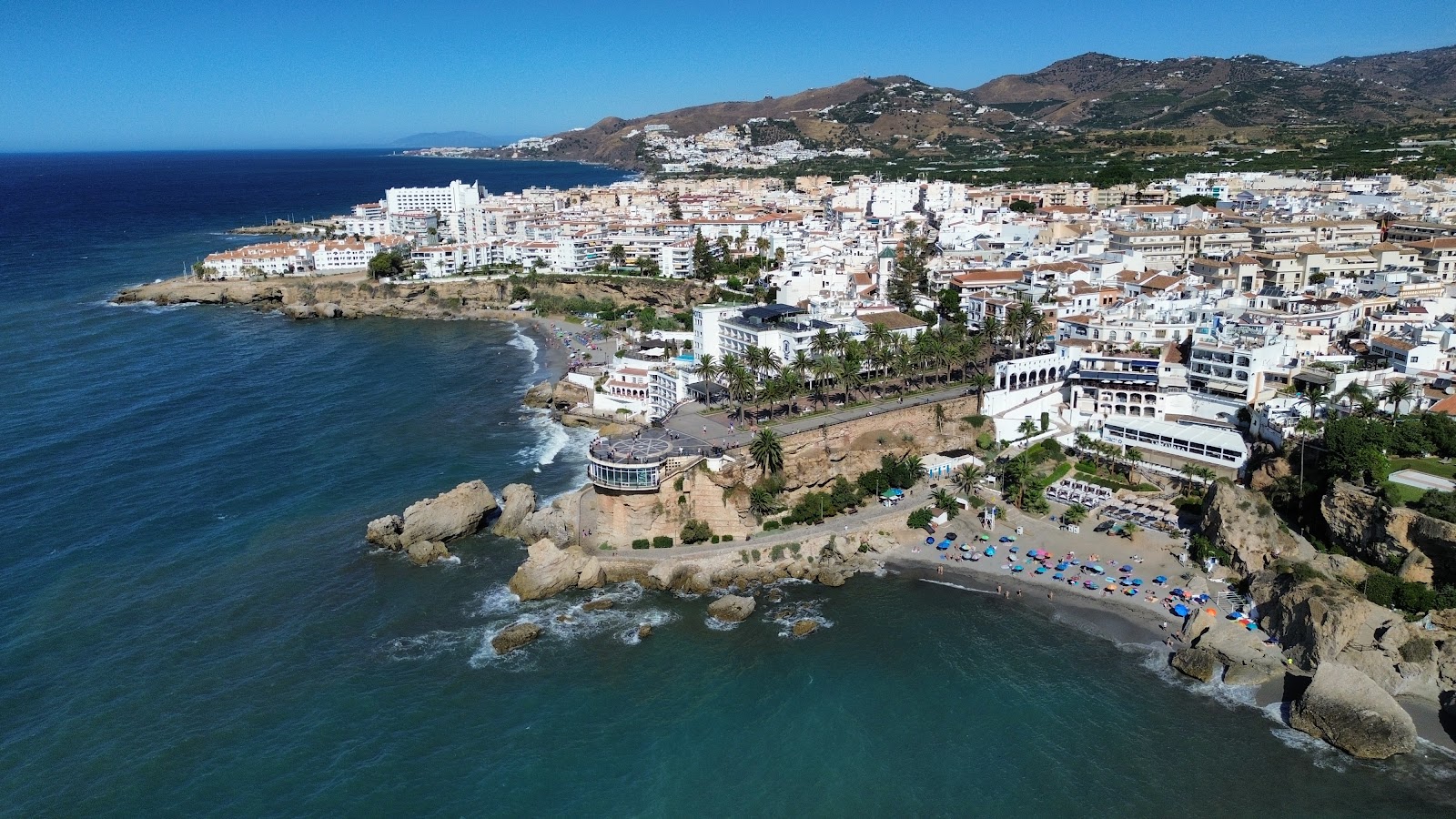
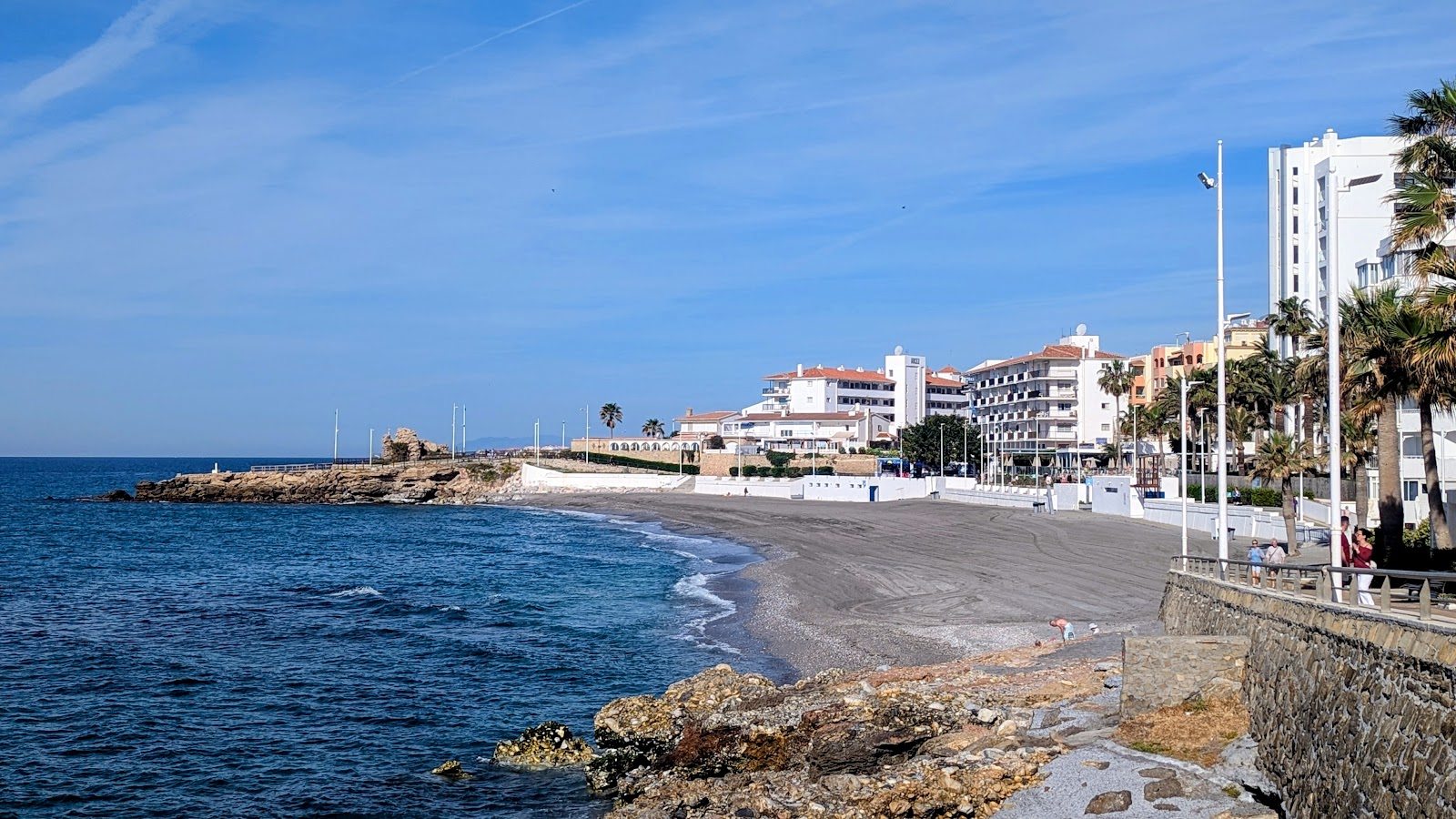
Stand at the Balcón de Europa on a clear morning and you're looking straight out over the Mediterranean from a promontory that was once a fort — blown apart by the Royal Navy in 1812 and later given its current name by a king who came to survey earthquake damage. That combination of long use and repeated reinvention runs through Nerja. The Arabic poets called it Naricha, meaning abundant spring. The name stuck, even as silk looms gave way to sugar factories, and sugar factories gave way to summer visitors.
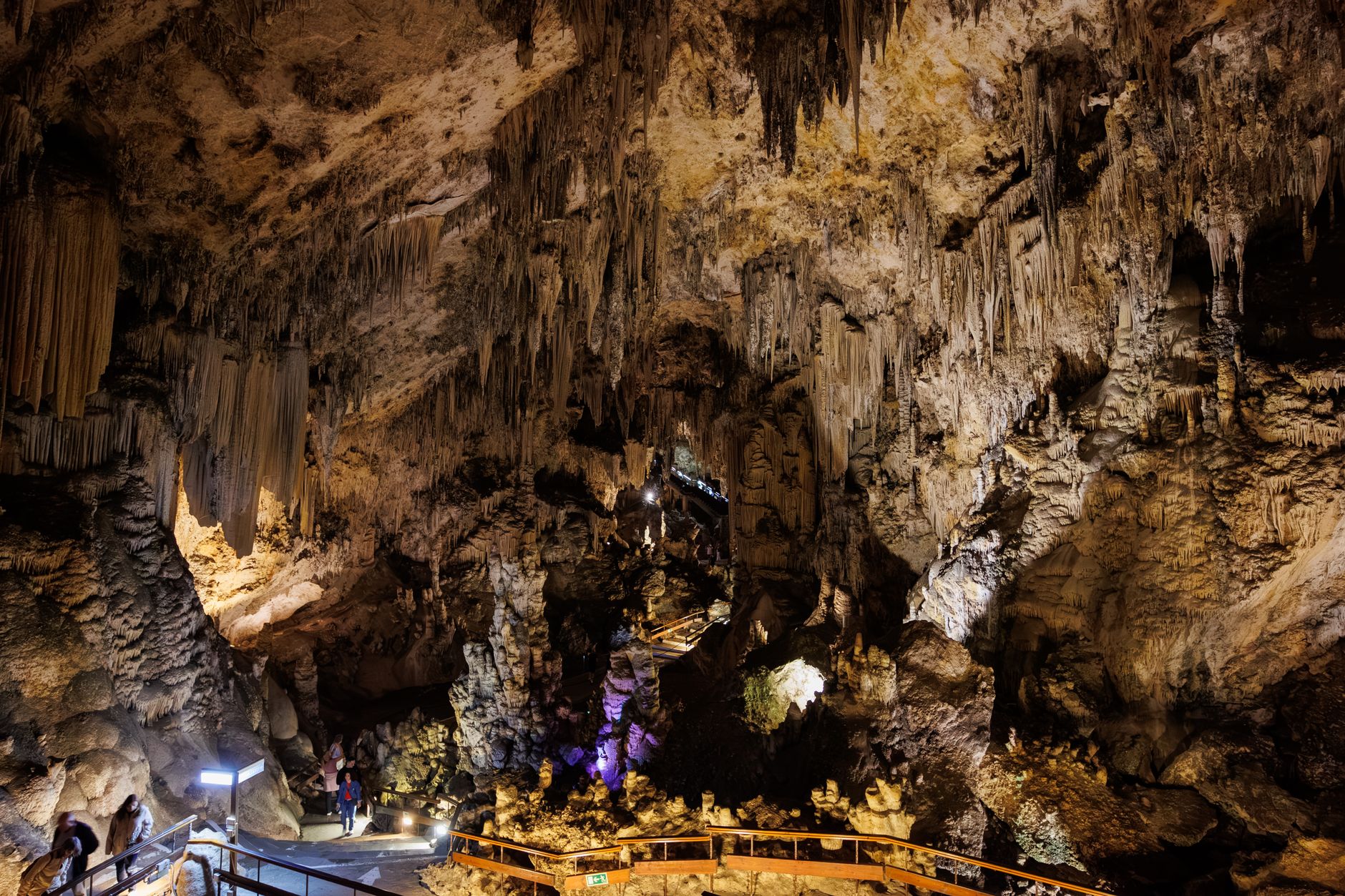
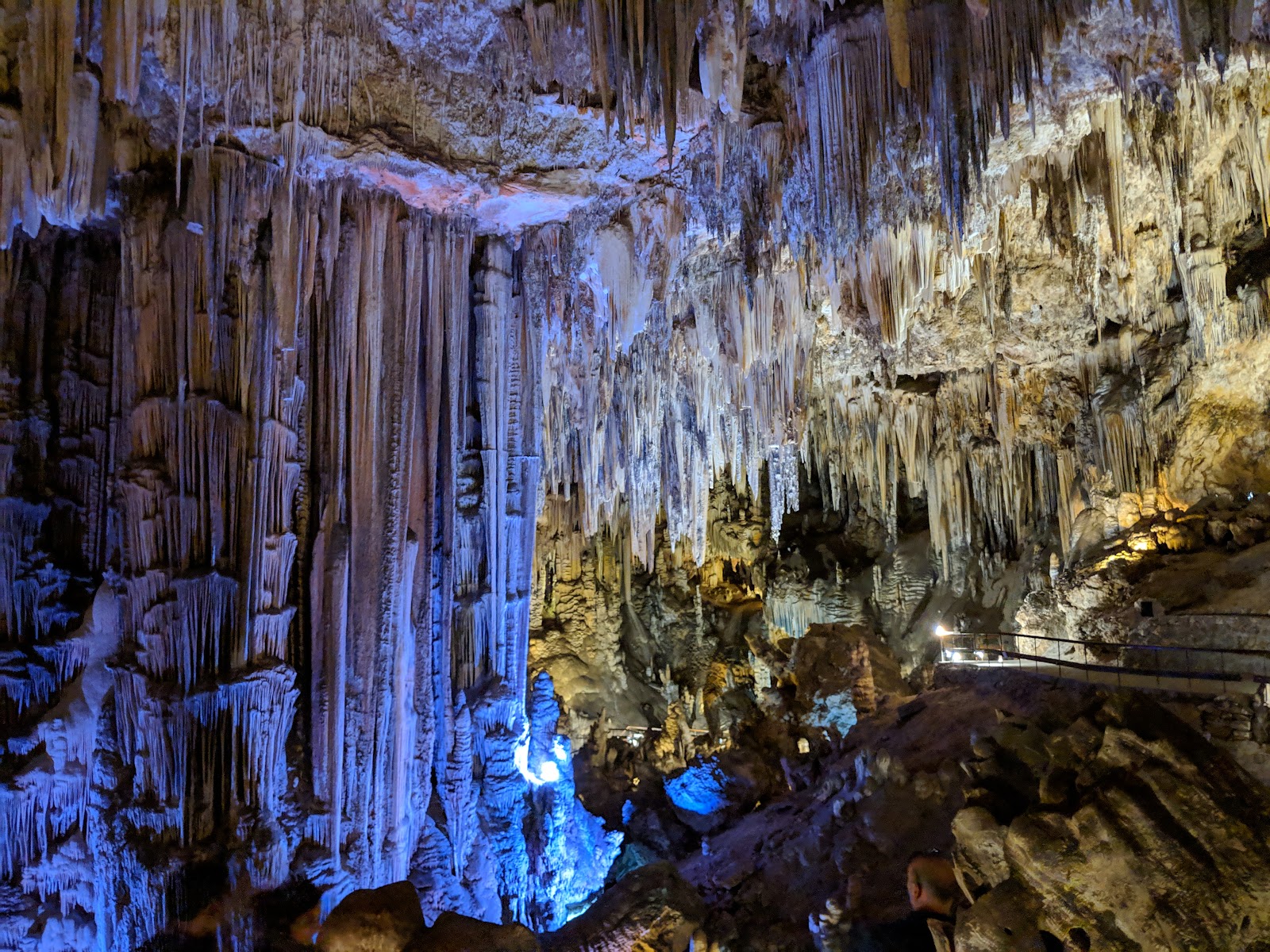
The caves on the edge of town change the scale of things. People have sheltered in them since roughly 25,000 BC, and the paintings on their walls are around 18,000 years old.
💛 What travellers fall for
People who come back tend to time the Cuevas de Nerja for a weekday morning in shoulder season, when the coach groups are thin. They also mention the aqueduct in Maro — four tiers of brick arches rising 40 metres above the ravine, with a double-headed eagle weather vane at the top — as the detail most visitors drive straight past.
Experiences you don't want to miss




Deals in Nerja
Book directly at the provider

How Nerja came to be
A 10th-century Arabic poet named Ibn Sadî left the first written record of Nerja in 917, when it already existed as a settlement under Abderramán III. Its Arabic name, Naricha or Narija, pointed to the springs that made it worth living in. During the medieval period the town became a serious producer of coloured silk cloth — prosperous enough to matter. By the 19th century silk had been replaced by sugar: the ingenios, or sugar factories, defined the local economy, and the aqueduct at Maro was commissioned around 1879–1880 to serve one of them.
The 1884 earthquake reshaped the town physically and brought King Alfonso XII to survey the damage — his visit is why the old battery promenade became the Balcón de Europa. The early 20th century was harder: crop failures, emigration to South America, and disease outbreaks thinned the population before the town eventually reoriented toward the coast and the visitors who followed.
Who and what shaped it
People who shaped it
Landmark buildings
See Nerja in motion
Plan your visit
On the map
When to go
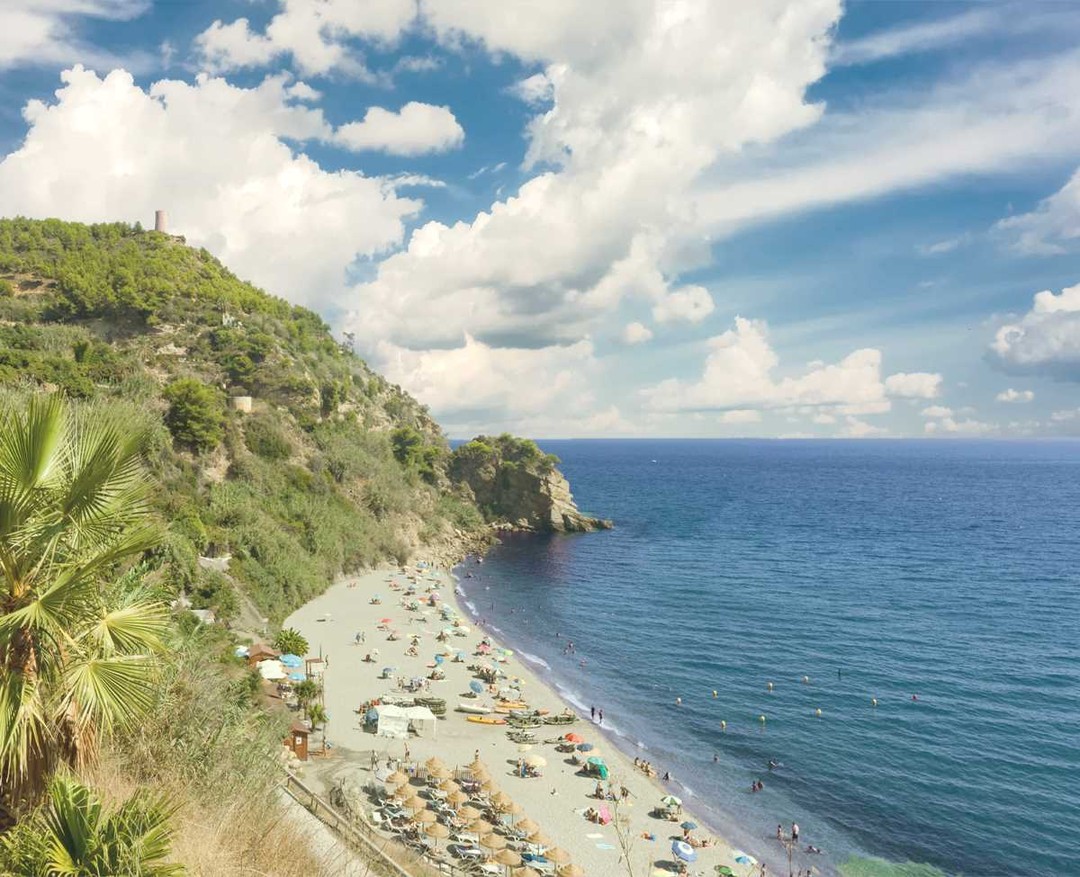
Nerja sits on the sheltered Costa del Sol side of the Axarquía hills, which keeps winters mild and summers long and dry. July and August are hot and crowded; May, June, and September offer full sun with noticeably more breathing room.
Right now
↡ Attractions

Background & history adapted from Wikipedia (CC BY-SA) · specs from Wikidata (CC0) · weather from Open-Meteo · map data © OpenStreetMap contributors · photos from Wikimedia Commons / Unsplash with per-image credit. No third-party reviews or social posts reproduced.