
Playa de la Torrecilla
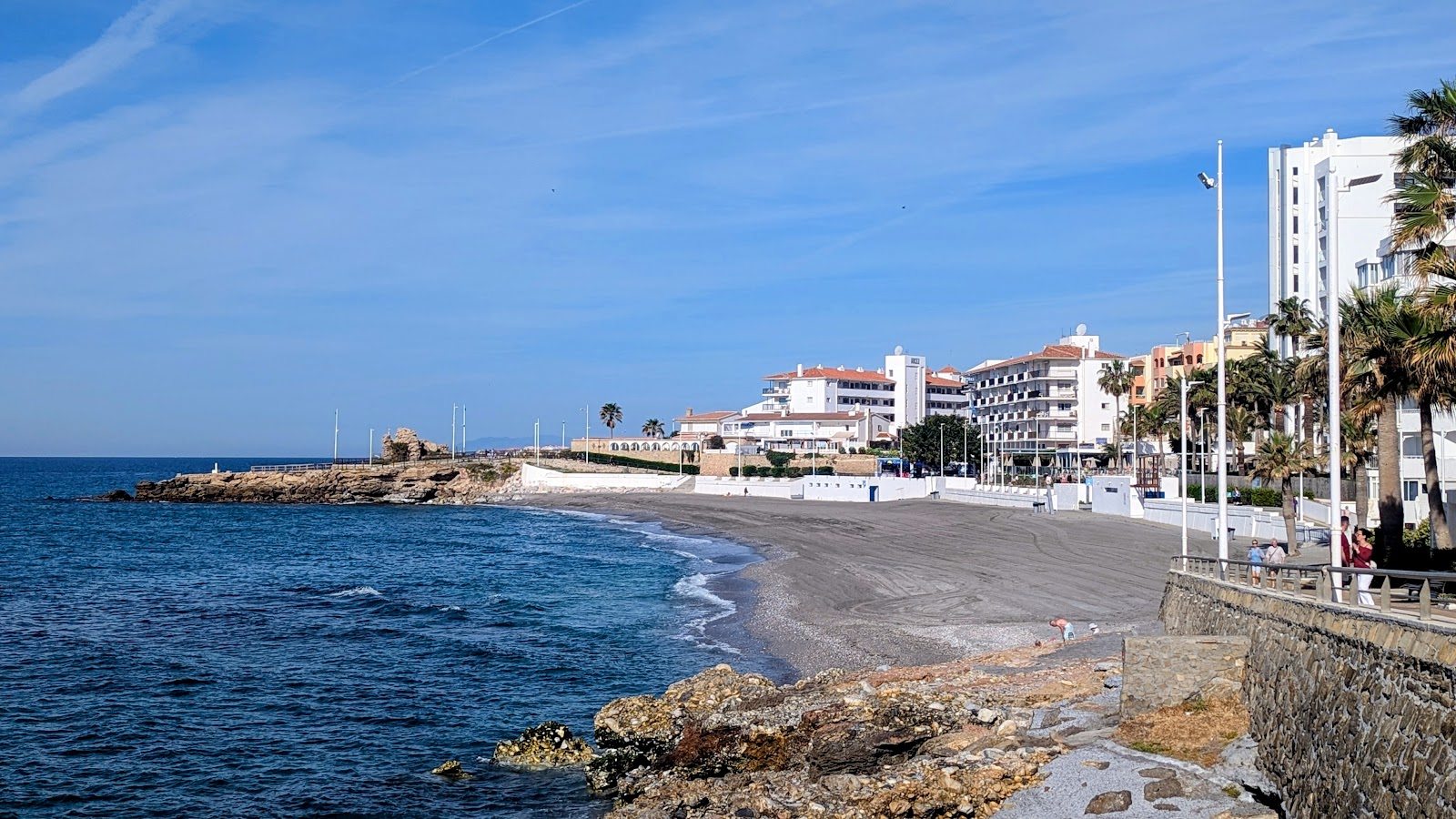
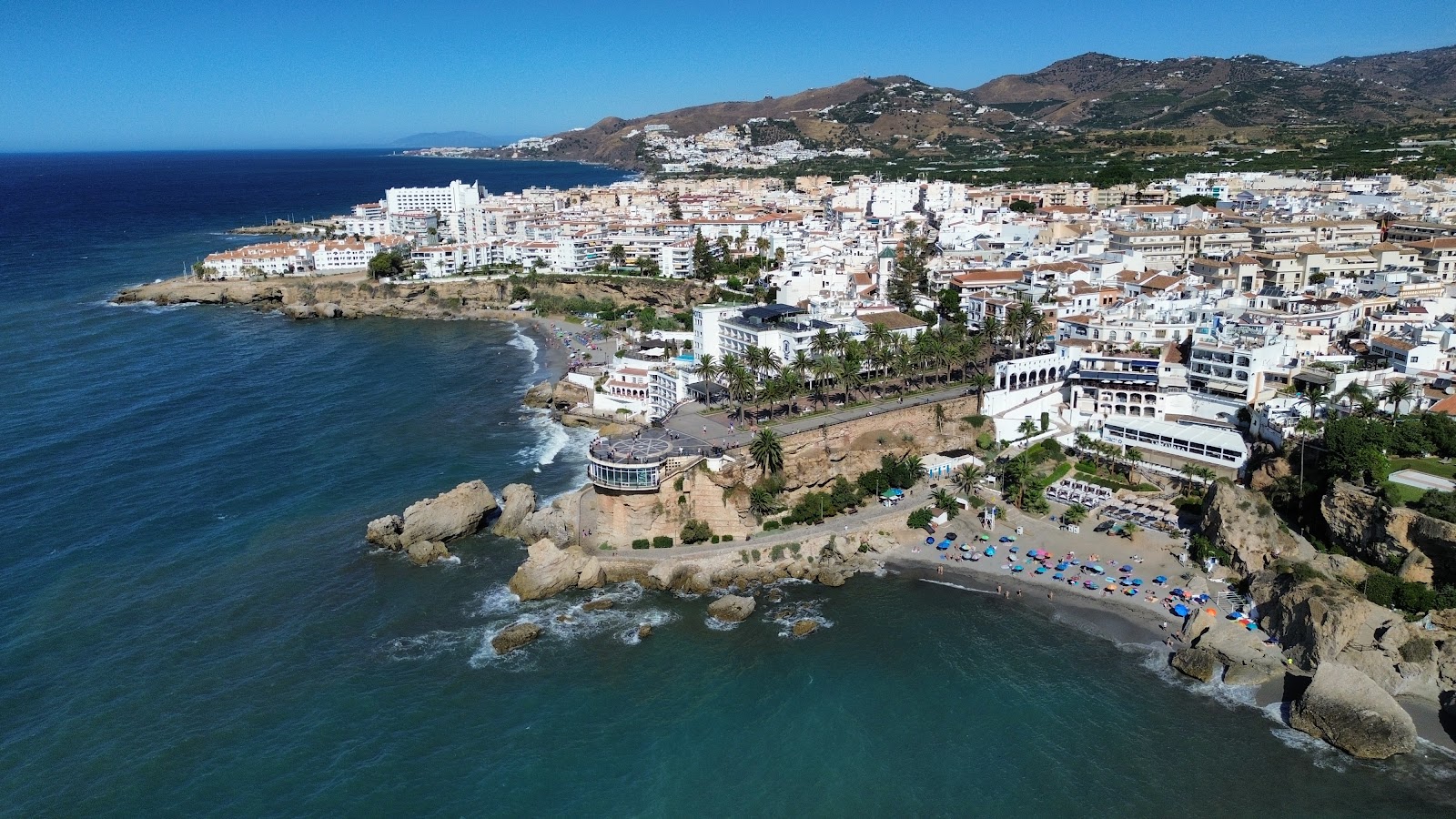
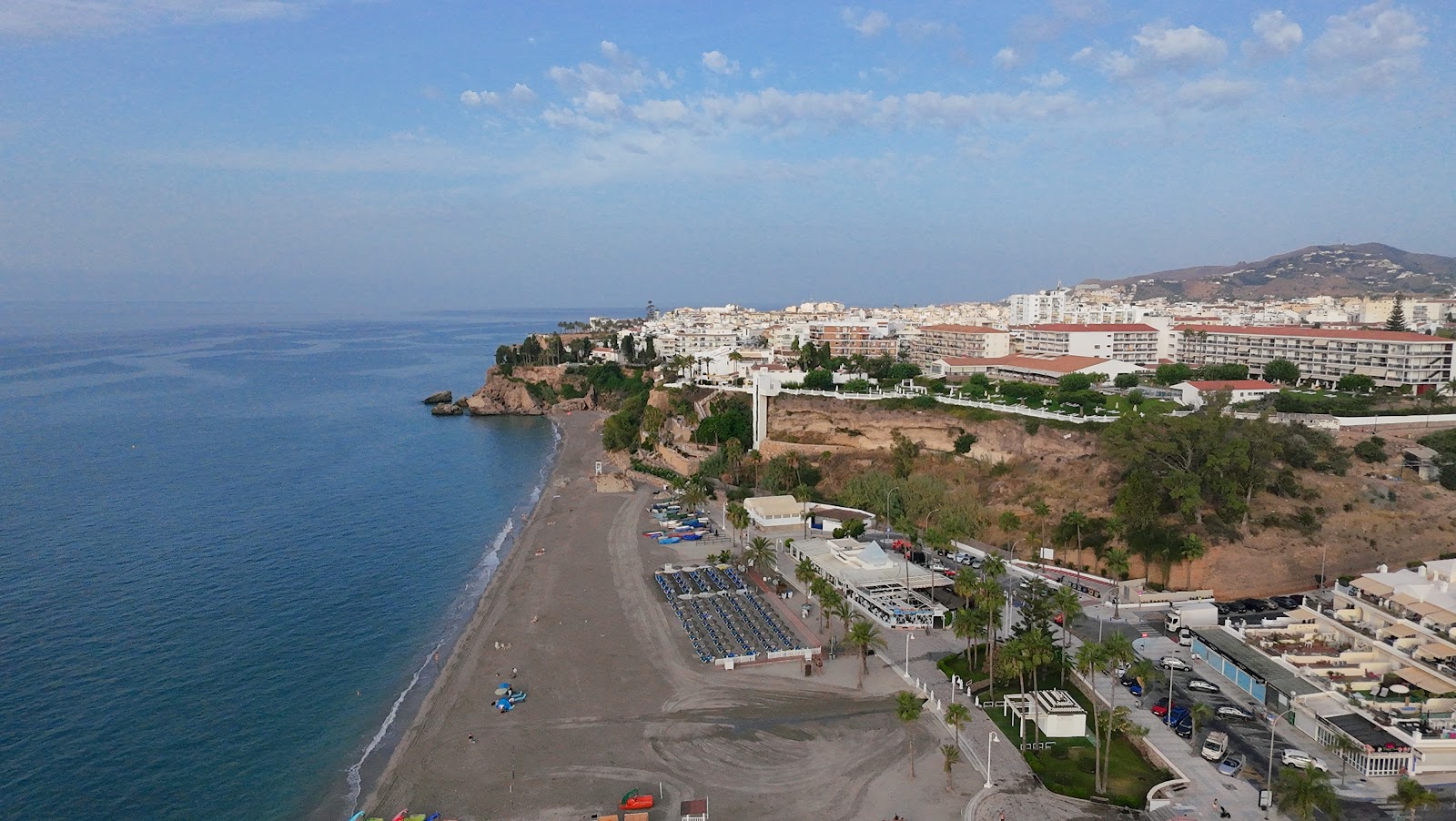
The dark, coarse sand at Torrecilla is the first thing that surprises you — this is not the pale powder of travel-poster beaches. The pebbles and volcanic-toned grains give the place a rougher, more honest character, and the large rocks sitting out in the shallows break the sea into small, navigable pools. At the western end of the promenade, the ruins of a Moorish watchtower stand just far enough above the waterline to remind you that people have been watching this stretch of coast for a very long time.
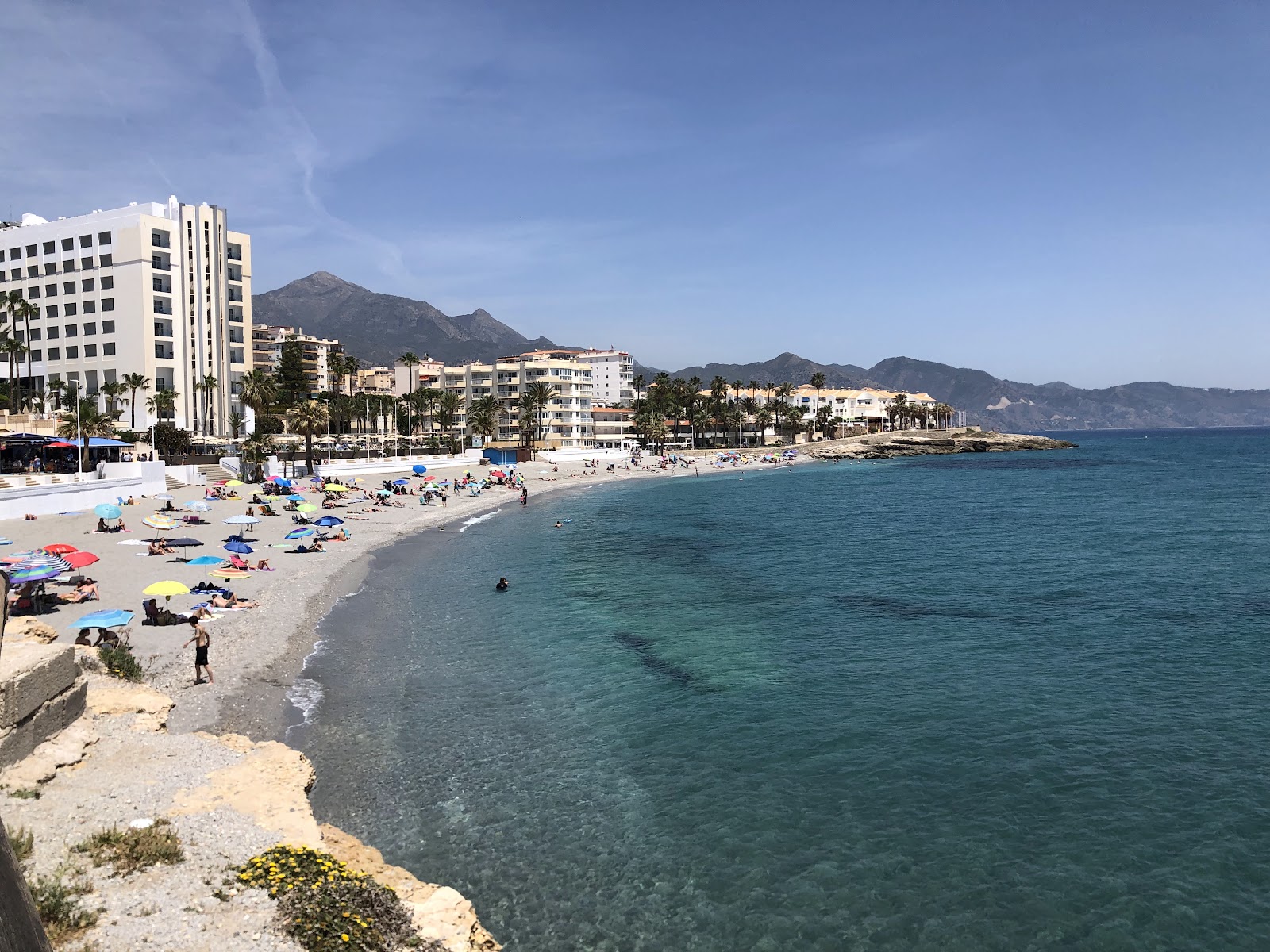
At 300 metres long and about 40 metres wide, Torrecilla is compact enough to feel like a neighbourhood beach — close to Nerja's centre, easy to reach on foot, and busy in summer precisely because it asks so little of you to get there.
💛 What travellers fall for
Regulars tend to notice the beach library early and use it well — borrow a paperback with your photo ID, read it across a week of mornings, donate it before you leave. The café directly behind the beach handles coffee and shade without requiring you to go anywhere. The colorful stairs at the mid-promenade entrance are the easiest landmark to orient around when you're coming back from town.
The story behind Playa de la Torrecilla
The beach takes its name from a small fortified tower — torrecilla means 'little tower' — whose Moorish ruins still anchor the western end of the promenade. The land behind the beach was once occupied by a sugar cane factory, part of the agricultural economy that shaped this stretch of the Andalusian coast before tourism arrived.
As Nerja developed into a destination, Torrecilla was formalised as a public beach with facilities, promenade, and palm-lined benches. It has held the Q for Quality award since 2006 and carries an EU Blue Flag designation — both markers of water quality and facility standards that the town maintains year to year.
Good to know
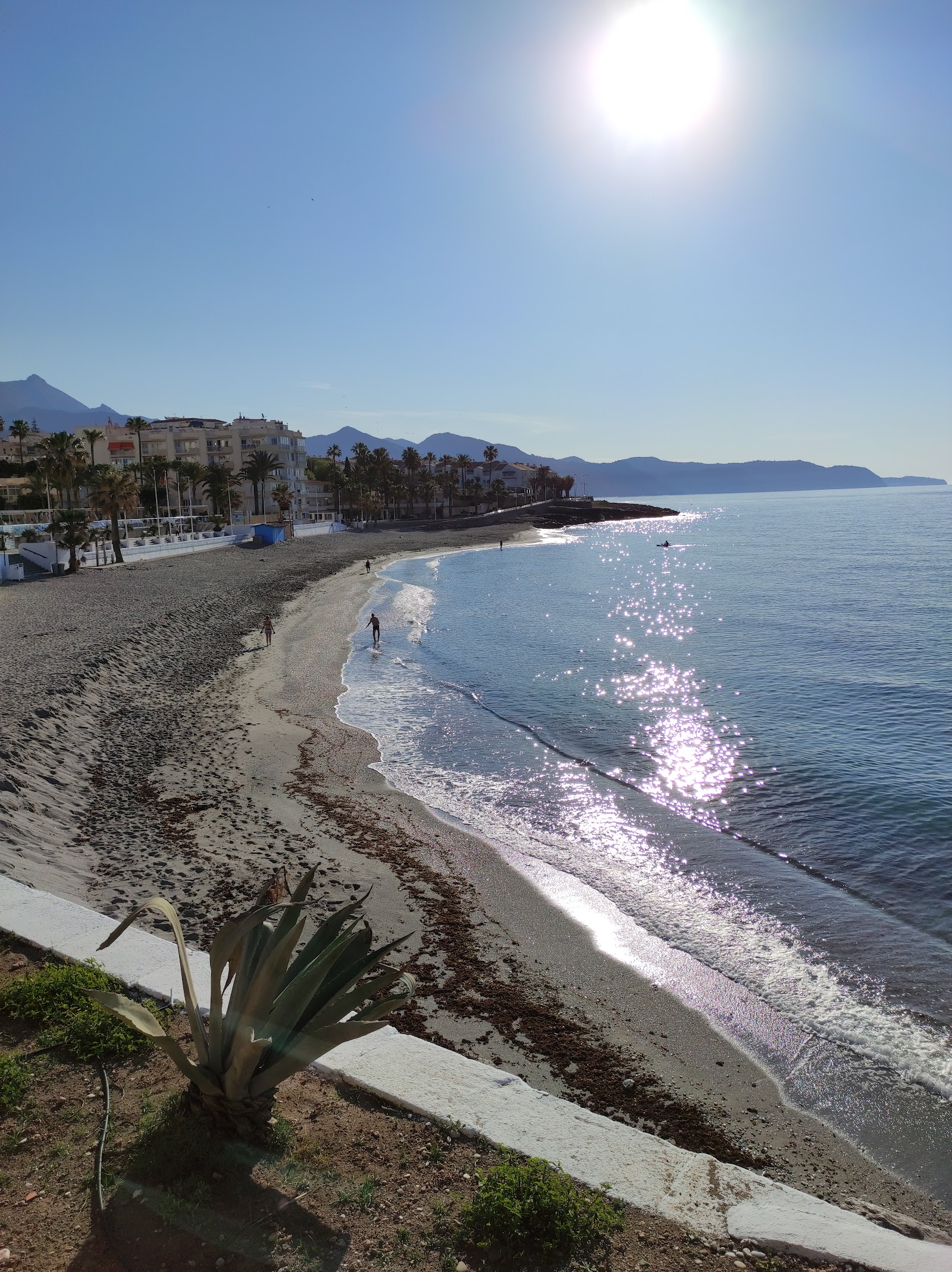
A ten-minute walk from the Balcón de Europa, or a short hop on the hourly urban bus running 08:45–23:45 on weekdays. Five separate entrances, including an inclined plane for accessibility and an amphibious chair for water access. Go before mid-morning in July and August if you want space.
May through October offers the most reliable weather, with July and August pushing into the low 30s°C and virtually no rain. The sea reaches around 23°C in August, dropping to 15°C by February — swimmable for most visitors from June through September. Spring and early autumn give you warmth without the summer crowds.
Where is Playa de la Torrecilla?
More tickets & tours for Playa de la Torrecilla
Book directly at the provider
What travellers say about Playa de la Torrecilla
A small(ish) and lovely beach in Nerja. Clean, calm and perfect for sunbathing and/or swimming! No complaints.
Enjoy this beautiful, small beach in Nerja, located near many restaurants and cafes. There are also restrooms and a shower available to rinse off sand before leaving.
Lovely beach area to wander around Nerja. We visited in early March, the weather was amazing but still low season so not so busy. Beach was lovely and clean and water really clear. Some diggers along the beach doing work before the high season sets-in so good to see it’s up-keep is important. Long path along the coast to wander numerous km’s.
The beach is large, there is plenty of space. The beach has fine sand, there are no sun loungers. The bar is right above the beach. There were very big waves, so swimming was prohibited.
It's a wanderful beach, the water is clear and you can see many fishes. Is perfect also for disabled people. On the beach you can find shower and toilette for free. Enjoy!
More of Nerja
Discover where to stay, what to do and the best deals for your trip.
Explore Nerja →More attractions in Nerja
All of Nerja →
Background adapted from Wikipedia (CC BY-SA) · map data © OpenStreetMap contributors · ratings & place photos via Google · other photos with per-image credit. Ticket links may earn us a commission at no extra cost to you.