
Balcón de Europa
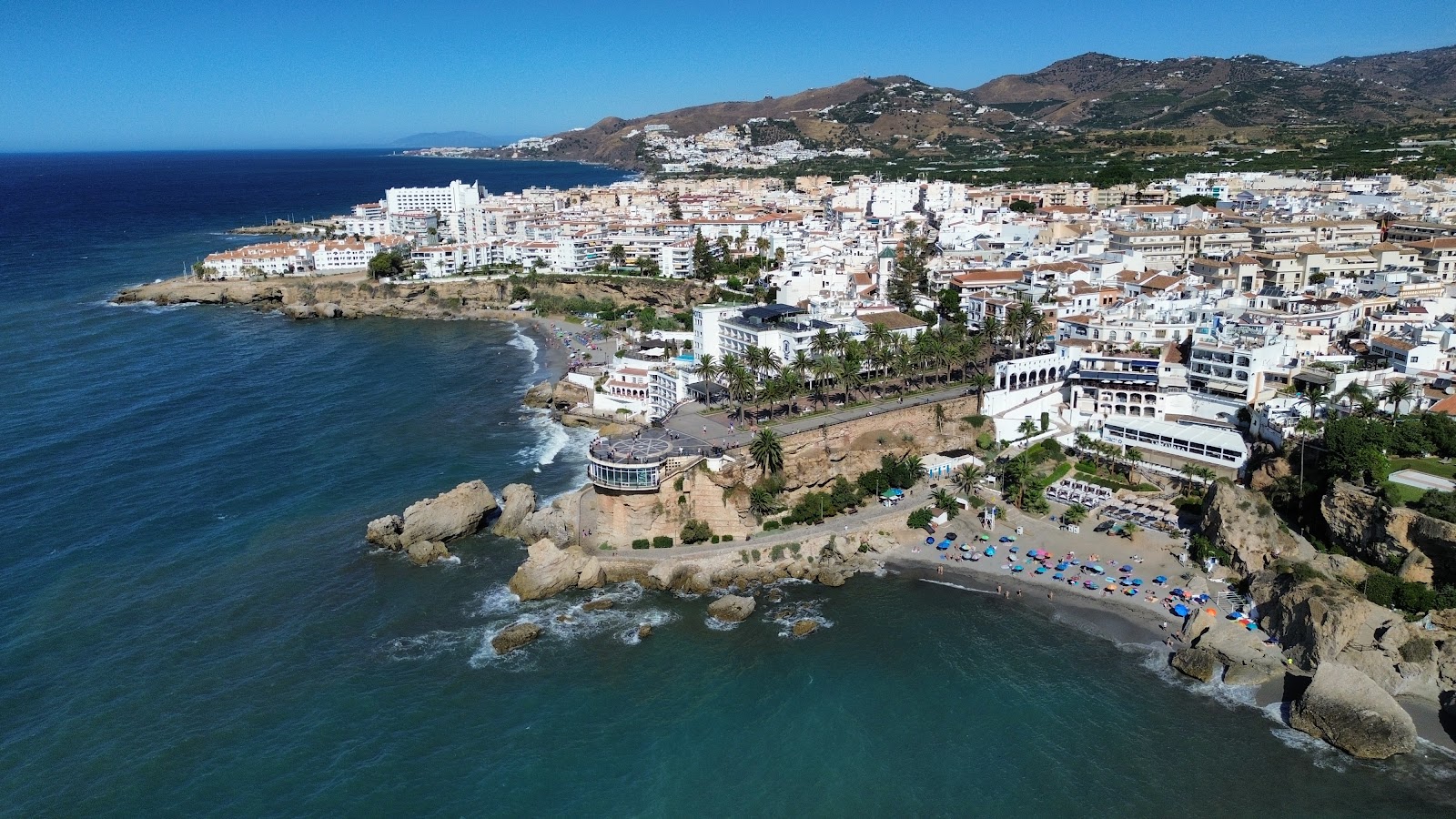
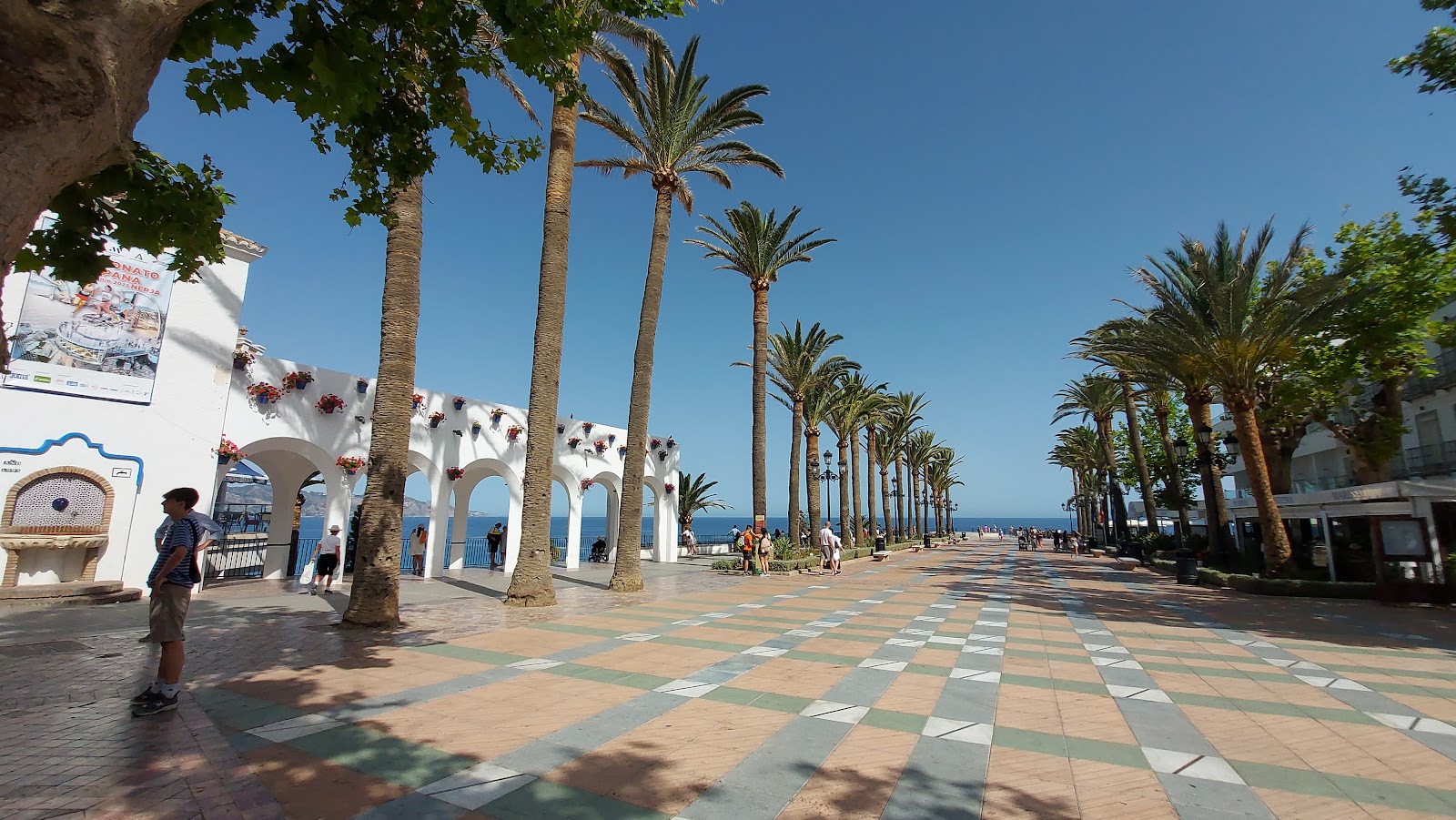
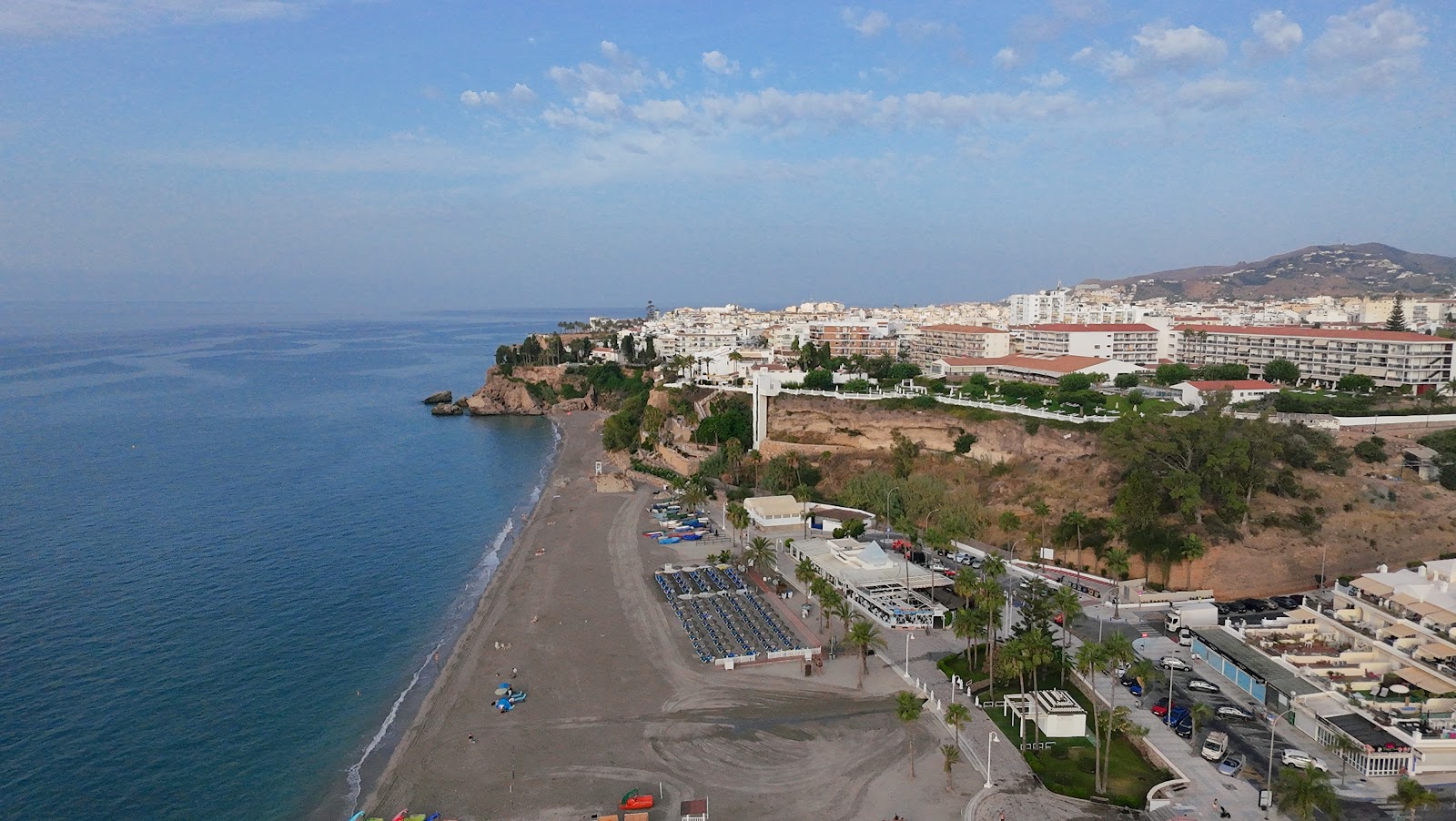
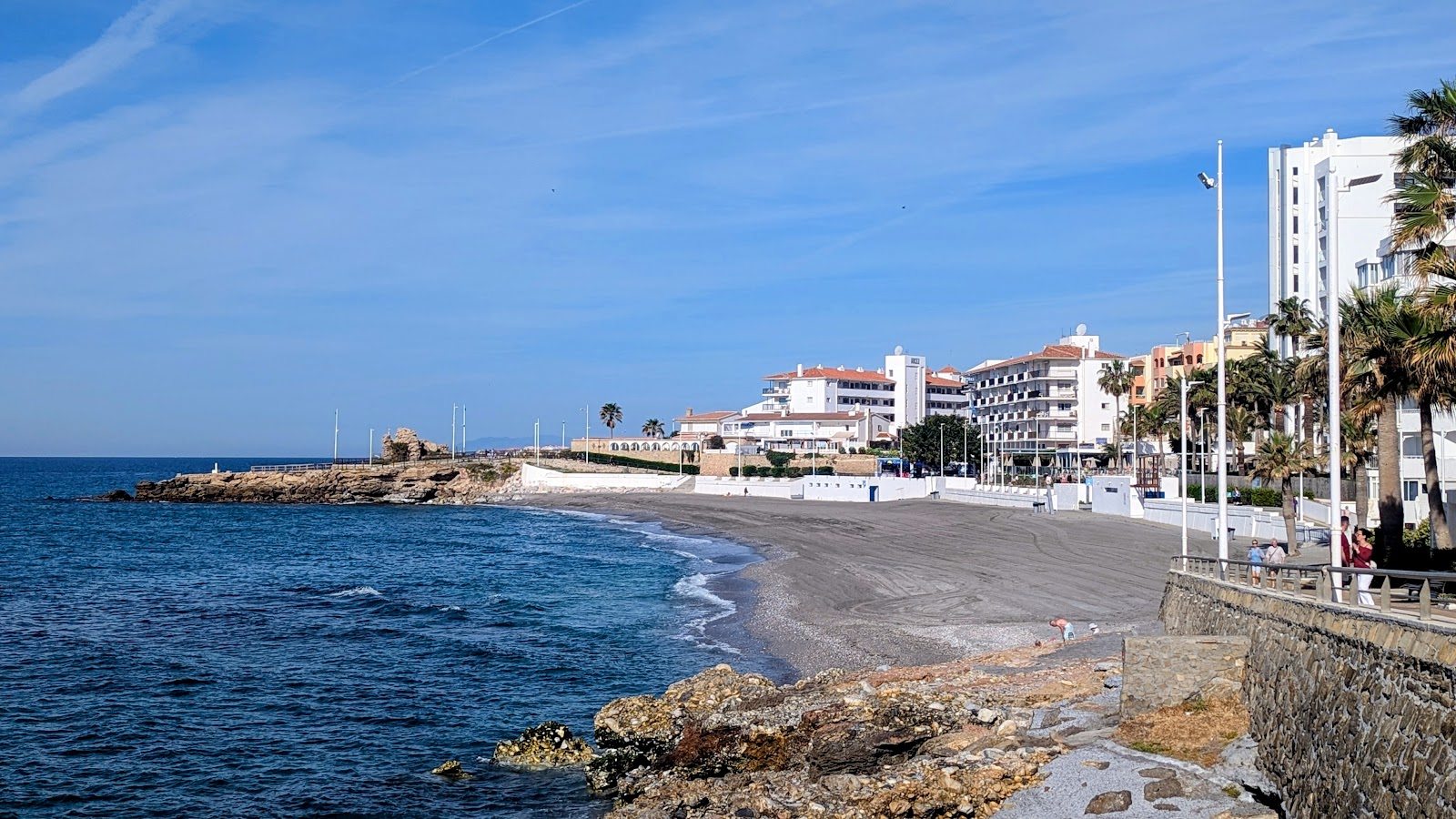
A 75-metre palm-lined causeway leads you out over the cliff edge, where the land simply stops and the Mediterranean opens up in three directions. Below, the limestone drops to small coves — you can see the arc of Playa de Calahonda to one side — and on a clear day the horizon is nothing but water and light.
Two rust-brown cannons sit on the circular platform, salvaged from a naval battle fought here in 1812. A bronze king leans on the railing beside them, gazing south. Street musicians set up near the palms most afternoons, and the evening paseo brings half of Nerja out to walk the promenade.
💛 What travellers fall for
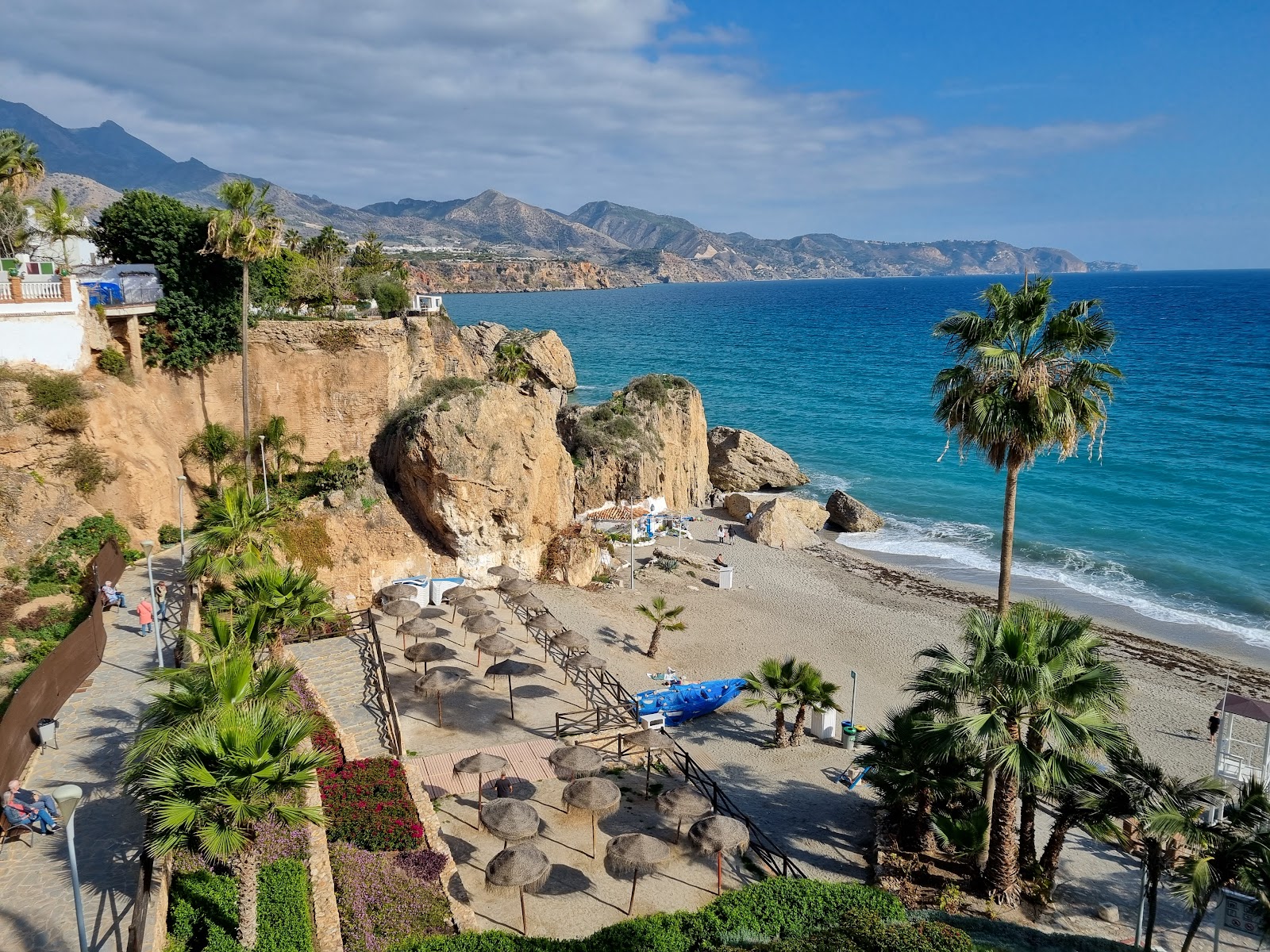
People who come back tend to time it for dusk, when the tour groups thin and the light on the water turns copper. The staircase under the arched gateway — easy to miss — leads down to the small sheltered bay of El Boquete de Calahonda, which most visitors above never find. The telescopes on the platform are genuinely useful on hazy days.
The story behind Balcón de Europa
The cliff was never just a viewpoint. An Arabic watchtower stood here from at least the 9th century, and by 1487 it had been rebuilt as La Batería — named for the guns stored inside. In May 1812, during the Peninsular War, a British warship called the Hyacinth attacked and destroyed it.
The site sat as an open cliff until December 1884, when an earthquake struck the region. King Alfonso XII came to Nerja on 12 January 1885 to survey the damage. Standing on the promontory, he called it the Balcony of Europe — a name that stuck. The formal promenade and surrounding cafés were built up by 1930, and in 2003 sculptor Francisco Martín added the bronze statue of Alfonso XII that still stands there, coat open, looking out to sea.
Good to know
The platform and promenade are free to enter and pedestrianised. Parking is easiest at the Plaza de España garage nearby; the main bus terminal is a 15-minute walk. Summer mornings are quieter than afternoons; January and February see the fewest visitors overall.
The platform is exposed on three sides, so the sea breeze keeps it cooler than the town streets in summer — useful in July and August when temperatures reach 27°C. The dry season runs May through September; if you visit in winter, January and February are mild at around 15°C but noticeably quieter, with occasional rain.
Where is Balcón de Europa?
More tickets & tours for Balcón de Europa
Book directly at the provider
What travellers say about Balcón de Europa
Beautiful spot but very windy. Not sure if he just were unlucky. You can see all the lovely beaches around Nerja! It's FREE
Even on a cloudy day, the views are spectacular. You can see for miles, and the water is crystal clear. The atmosphere is lively, with people strolling about, a guitarist adding a beautiful soundtrack, and a drone pilot capturing the scene from above. All in all, it feels absolutely magical.
Absolutely loved it. Such a beautiful spot. 100% worth visiting – can’t wait to come back!
Beautiful views. Can get busy in the afternoon. Go early morning to get a view and recharge of the soul!
Always love visiting here, so stunningly beautiful. Views of the see and surrounding area, parrots chirping in the palm trees, and today we had a Spanish classical guitarist busking. So many choices of restaurants too. Beautiful ambience.
More of Nerja
Discover where to stay, what to do and the best deals for your trip.
Explore Nerja →More attractions in Nerja
All of Nerja →
Background adapted from Wikipedia (CC BY-SA) · map data © OpenStreetMap contributors · ratings & place photos via Google · other photos with per-image credit. Ticket links may earn us a commission at no extra cost to you.