
Córdoba
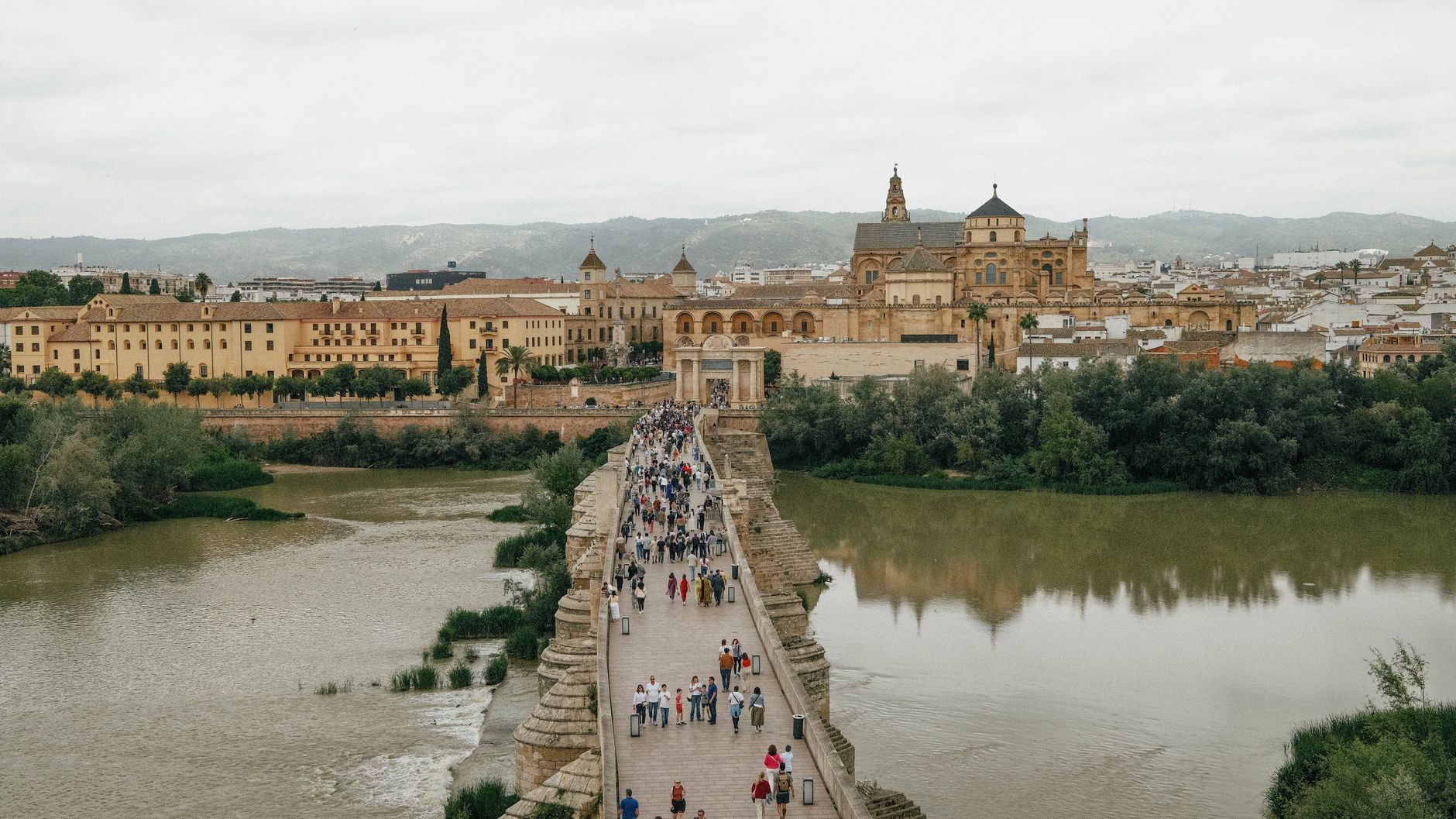
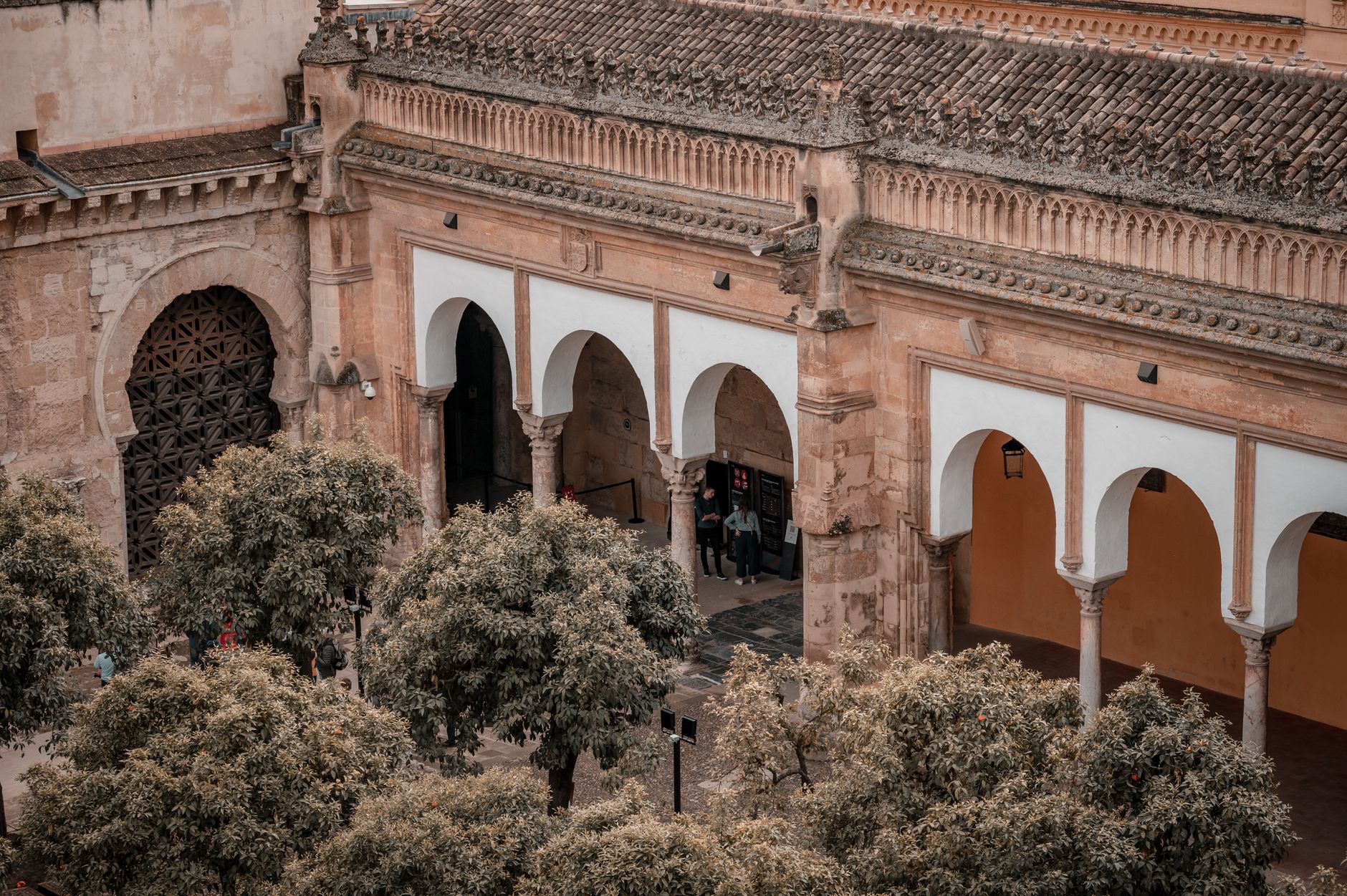
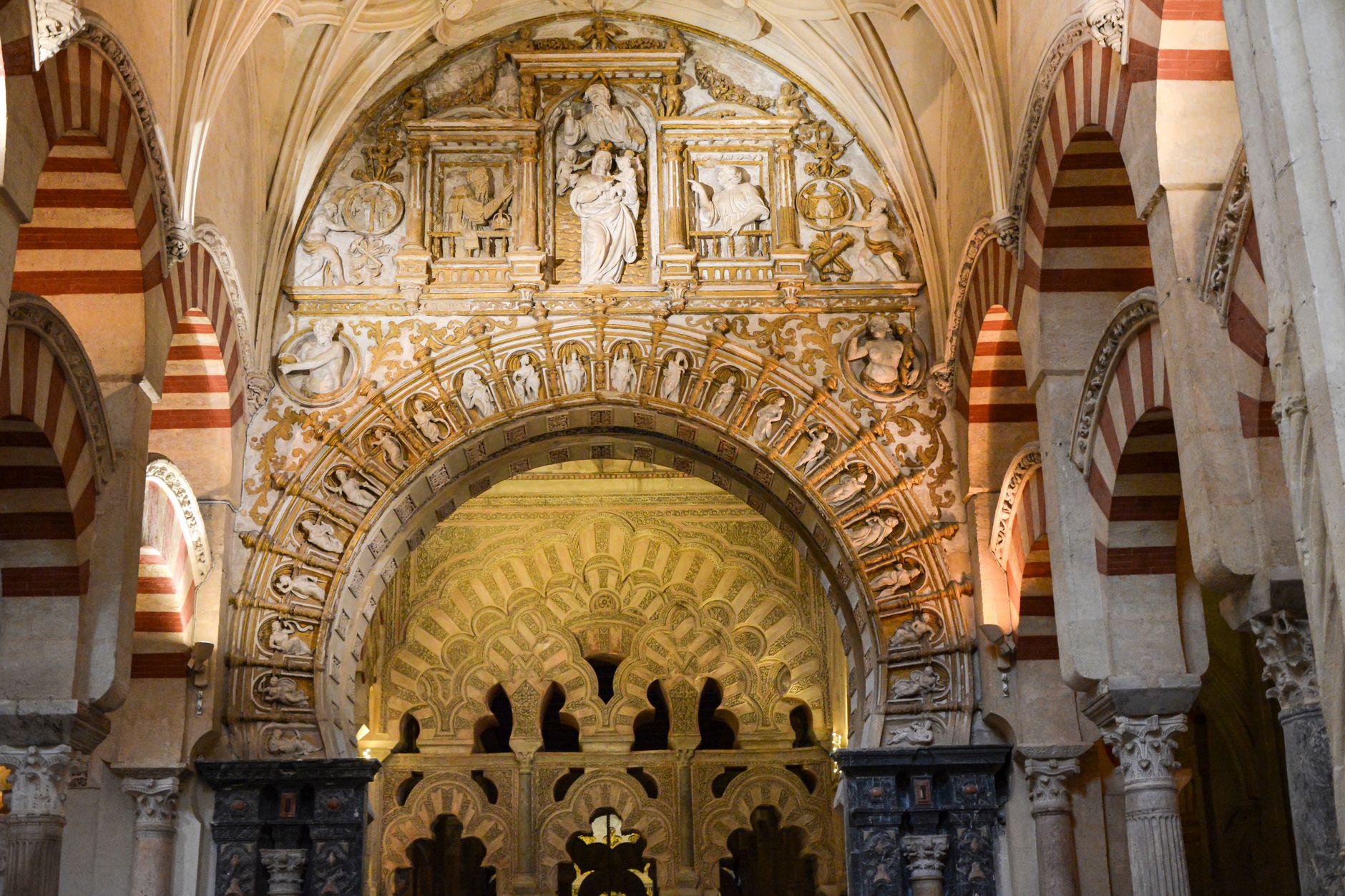
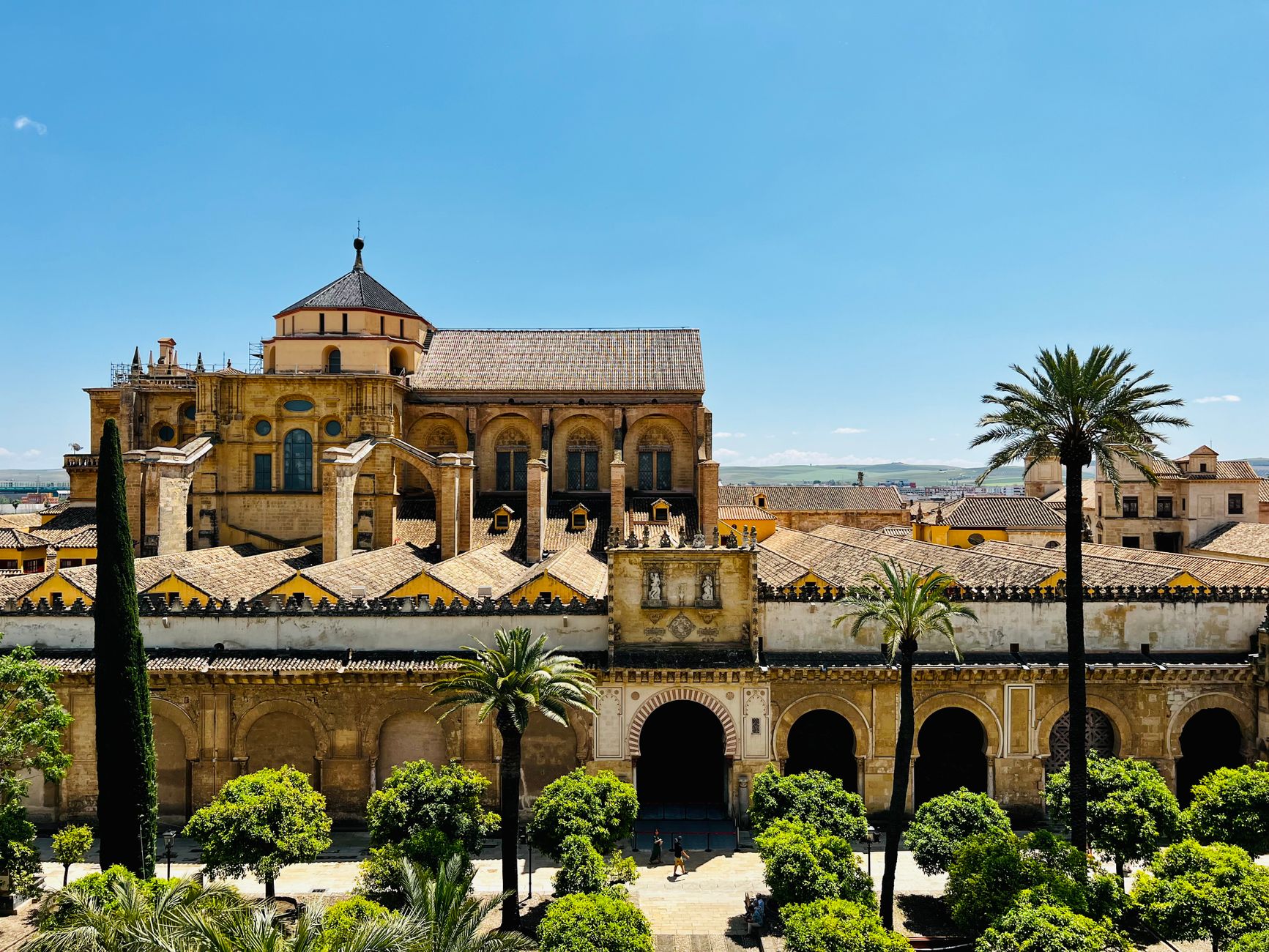
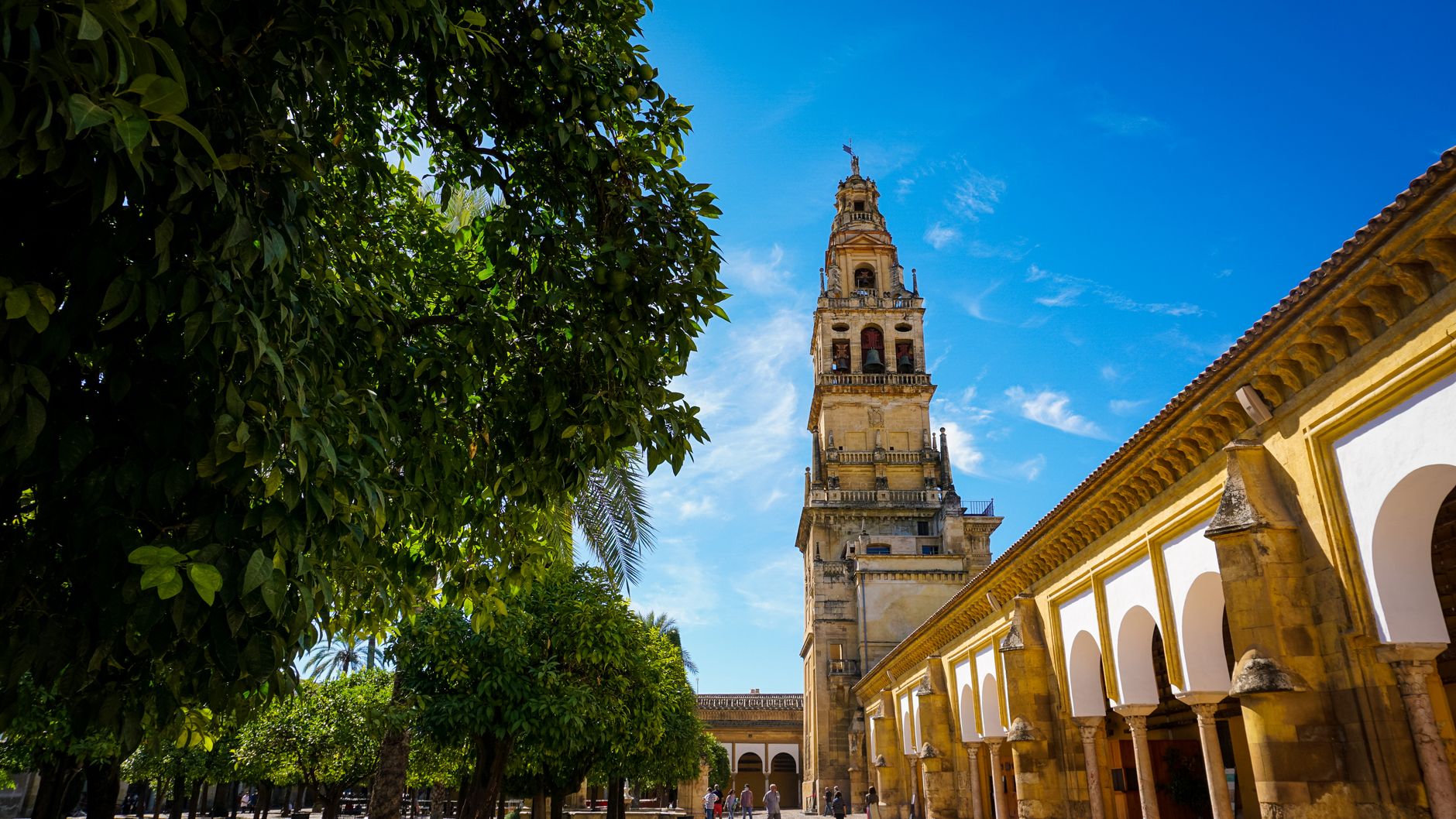
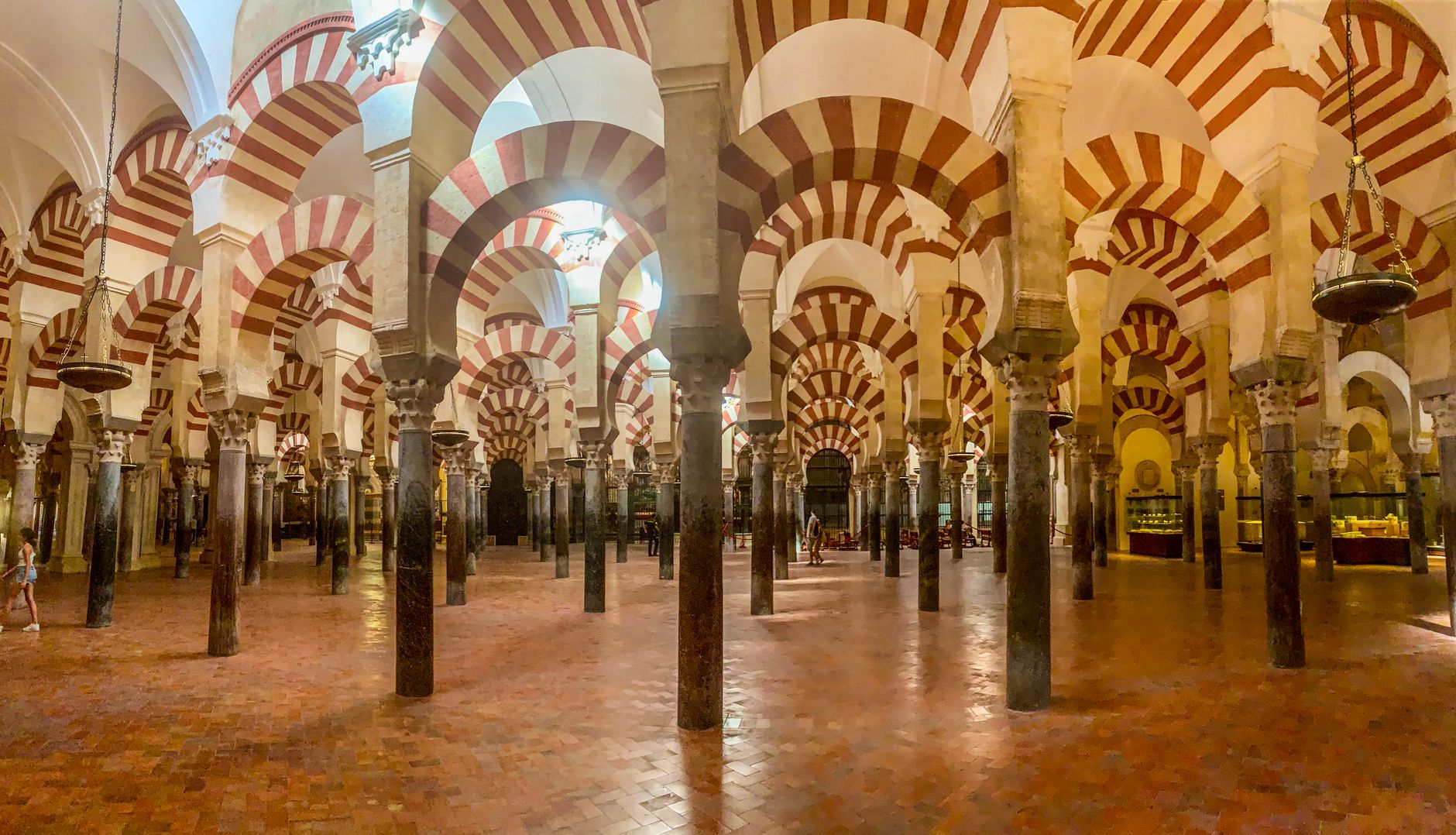
Stand inside the Mezquita on a quiet morning and you'll understand why Córdoba once stopped people in their tracks. The forest of red-and-white striped arches seems to multiply endlessly in every direction, and somewhere in the middle of it all, a Renaissance cathedral pushes up through the roof — a collision of civilisations rendered in stone and light.
For a city of its size, Córdoba carries an improbable amount of history. Romans, Visigoths, Umayyad caliphs and Castilian kings all left their mark on the same compact grid of streets, and you can walk between their monuments in an afternoon.
💛 What travellers fall for
People who keep coming back tend to time their visits around the Patios Festival in May, when private courtyards across the old city open their gates and fill with geraniums. Outside festival season, the Palacio de Viana's twelve distinct patios are the quieter version of the same idea — arrive early, before the tour groups.
Experiences you don't want to miss


Deals in Córdoba
Book directly at the provider

How Córdoba came to be
Romans founded Corduba around 206 BC, and the city became a colonia — Colonia Patricia — under Julius Caesar around 45 BC. It was here that Seneca the Stoic and the poet Lucan were born. After centuries under Visigothic rule, Muslim forces took the city in the eighth century and it became the capital of first an emirate, then a caliphate. Under Abd al-Rahman I, who made it his capital in 756, and later Abd al-Rahman III, who proclaimed himself caliph in 929, Córdoba grew into one of Europe's largest cities — a centre of scholarship where Maimonides studied medicine and philosophy in the Jewish quarter.
The Great Mosque, begun in 785 over the ruins of a Visigoth basilica, was extended across three centuries and became the architectural signature of Islamic Spain. In 1236, the Castilian king Ferdinand III took the city, and the long process of Christian overlay began — most dramatically when a cathedral was carved into the Mezquita's heart between 1523 and 1599, a renovation the Holy Roman Emperor Charles V reportedly regretted on sight.
Who and what shaped it
People who shaped it
Landmark buildings
See Córdoba in motion
Plan your visit
On the map
When to go
Spring and early autumn offer warm, dry days in the mid-20s Celsius — the most liveable conditions for walking the old city. Summer is unrelenting: shade and early starts become survival strategies rather than preferences.
Right now
Background & history adapted from Wikipedia (CC BY-SA) · specs from Wikidata (CC0) · weather from Open-Meteo · map data © OpenStreetMap contributors · photos from Wikimedia Commons / Unsplash with per-image credit. No third-party reviews or social posts reproduced.