
Huelva
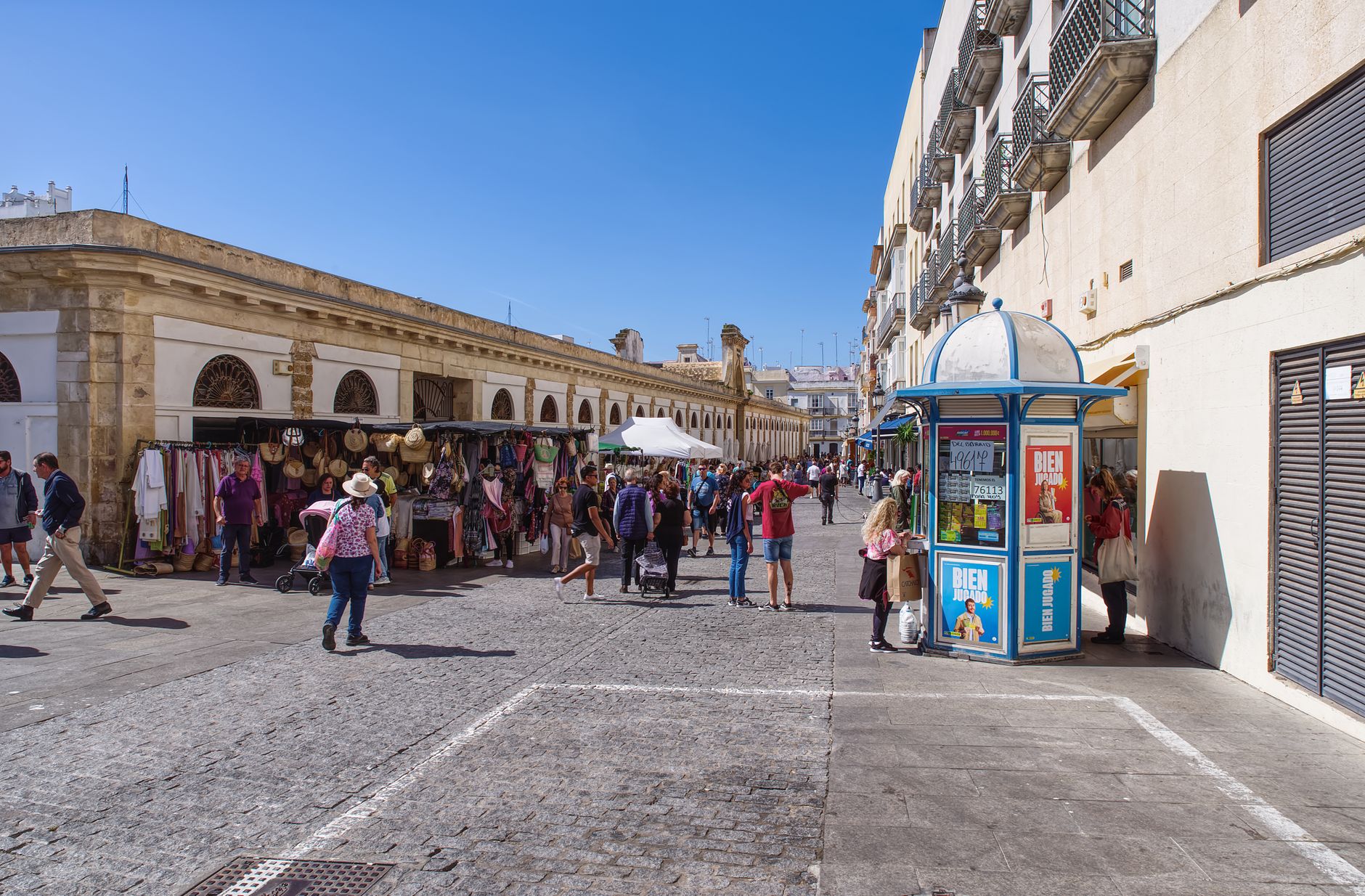
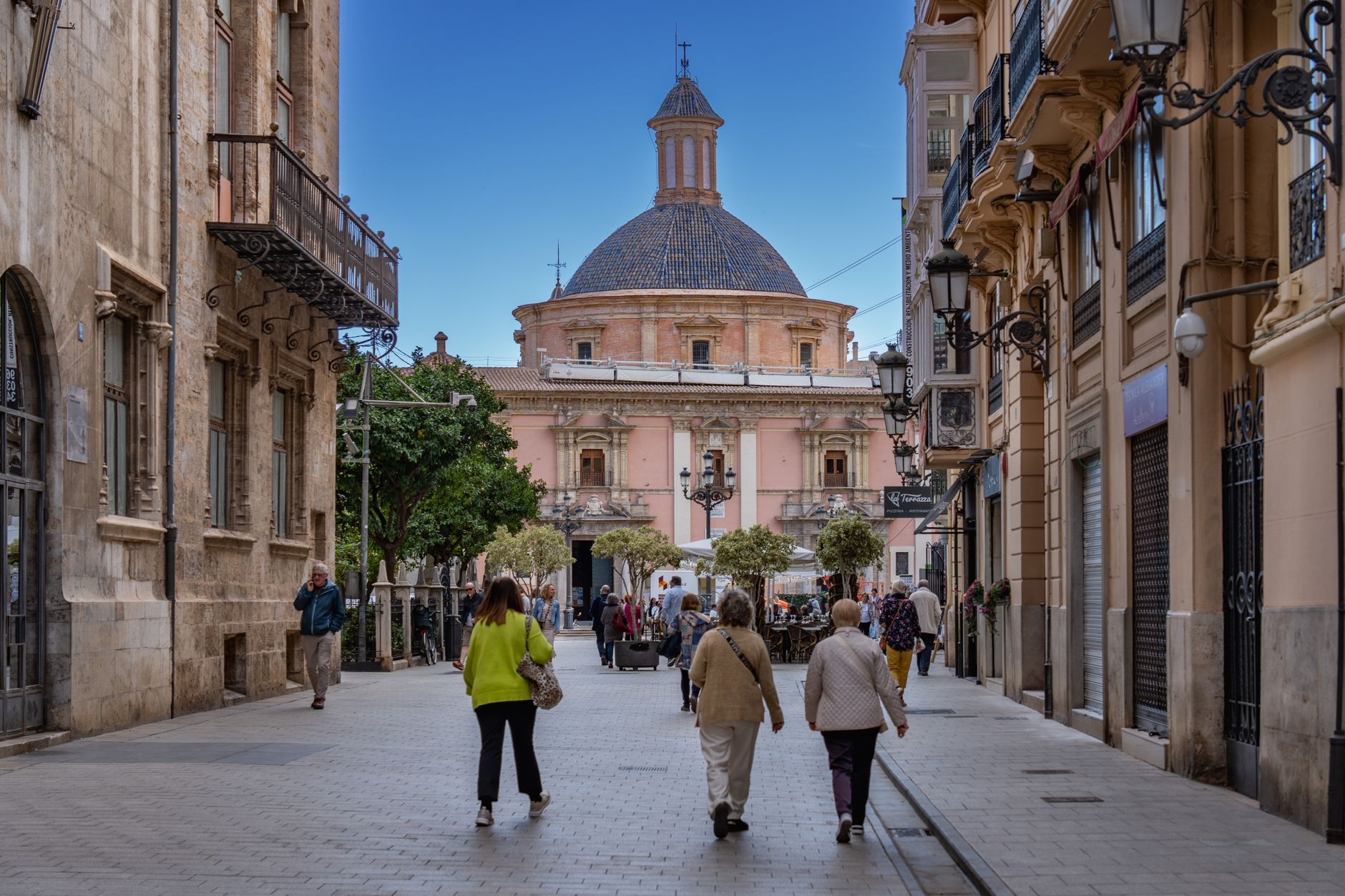
Stand at the confluence of the Odiel and Tinto rivers and you're looking at the exact spot where two rivers ran red with copper long before Columbus ever set sail. Huelva is a working port city — petrochemical tanks on the horizon, fishing boats in the estuary — and it wears that identity without apology.
The Columbus connection is real and deep: in 1492 the expedition left from these shores, and the Sanctuary of Nuestra Señora de la Cinta on the hill above the city still carries that weight. But Huelva is equally a British-built industrial town, with a Victorian railway station in neo-Moorish style and a whole neighbourhood of colonial-Andalusian workers' cottages put up by the Rio Tinto mining company.
💛 What travellers fall for
People who come back tend to head straight for the Barrio Reina Victoria — the Rio Tinto Limited workers' housing on Cerro de San Cristobal — where the architectural mix of Andalusian, colonial and neo-Mudejar is genuinely strange and rarely crowded. The Mineral Wharf at the mouth of the Odiel, opened in 1876, is worth the walk at dusk when the light hits the ironwork.
Experiences you don't want to miss




Deals in Huelva
Book directly at the provider
How Huelva came to be
Huelva's story begins with minerals. Bronze Age settlers were drawn by the copper-rich earth around the Río Tinto, and by the 7th century BC Phoenician and Greek traders had built a port here. The Romans called it Onuba. Moorish rule from 712 lasted five centuries until Alfonso X of Castile took the city in 1262.
The next great rupture came in 1492, when Columbus's expedition to the Americas departed from this coast. Then, after 1872, the Rio Tinto copper mines drew British capital and workers, reshaping the city physically — the 1880 neo-Moorish railway station, the workers' neighbourhood, the iron wharf at the Odiel mouth all date from that era. The Casa Colón opened in 1883 as a luxury hotel timed to the 4th centenary of Columbus's voyage. Since the 1950s, petrochemicals have replaced copper as the engine of the port.
Who and what shaped it
People who shaped it
Landmark buildings
See Huelva in motion
Plan your visit
On the map
When to go
Huelva runs hot from June through September — genuinely hot, with long dry days and warm evenings. Spring (April–May) and autumn (October–November) are the most comfortable seasons for walking the city. Winters are mild and rarely wet enough to disrupt plans.
Right now
Background & history adapted from Wikipedia (CC BY-SA) · specs from Wikidata (CC0) · weather from Open-Meteo · map data © OpenStreetMap contributors · photos from Wikimedia Commons / Unsplash with per-image credit. No third-party reviews or social posts reproduced.