
Úbeda
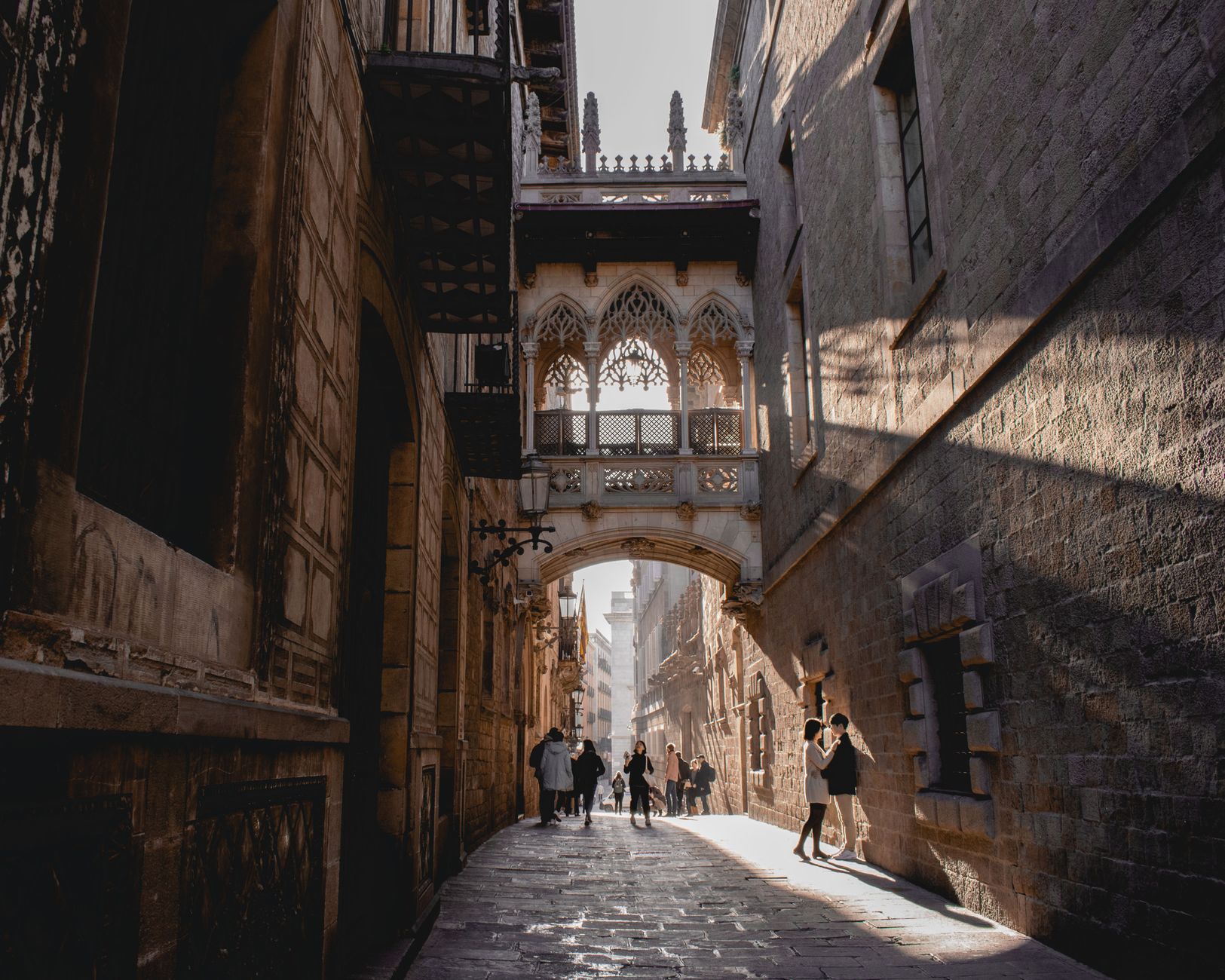
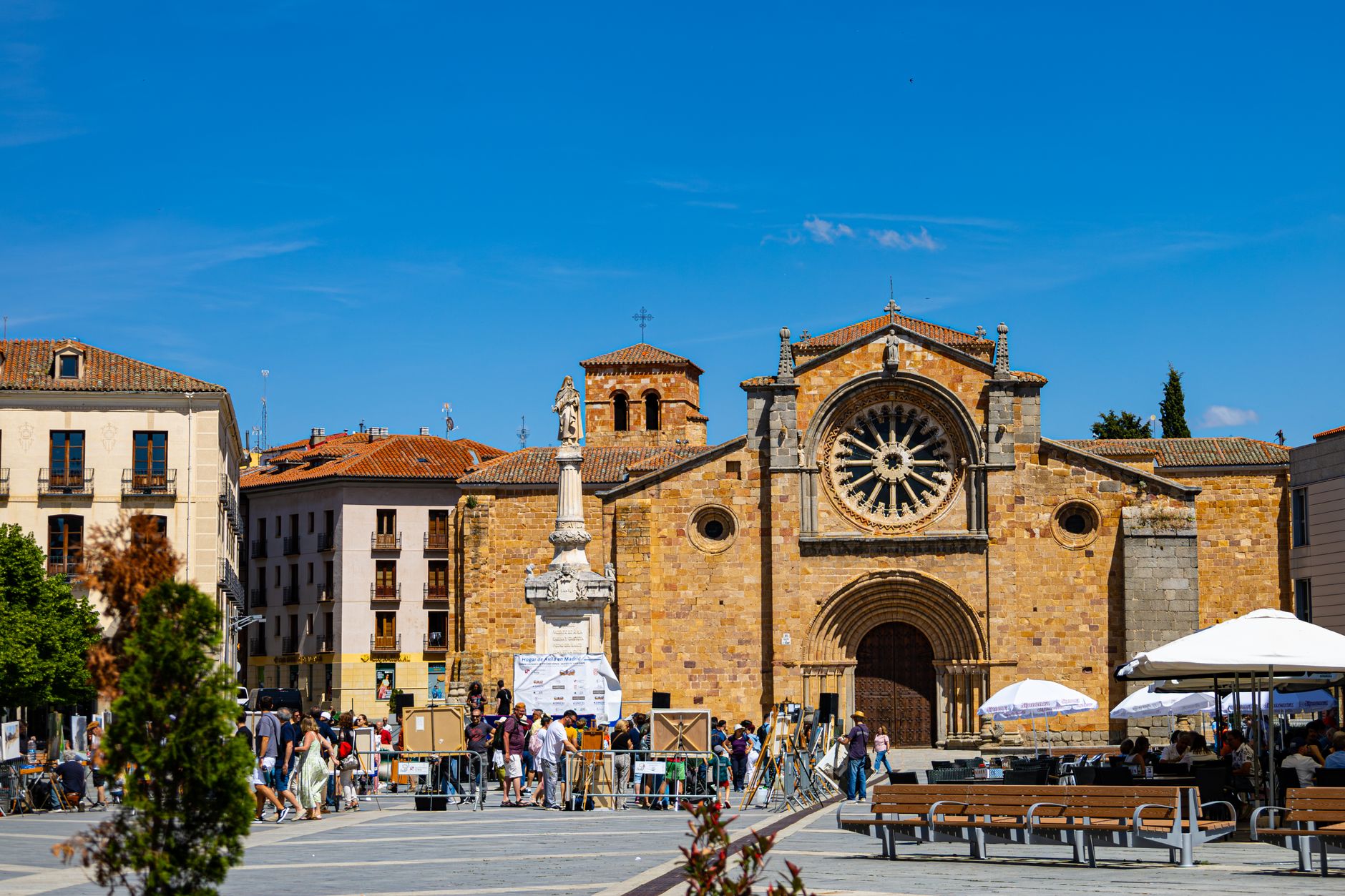
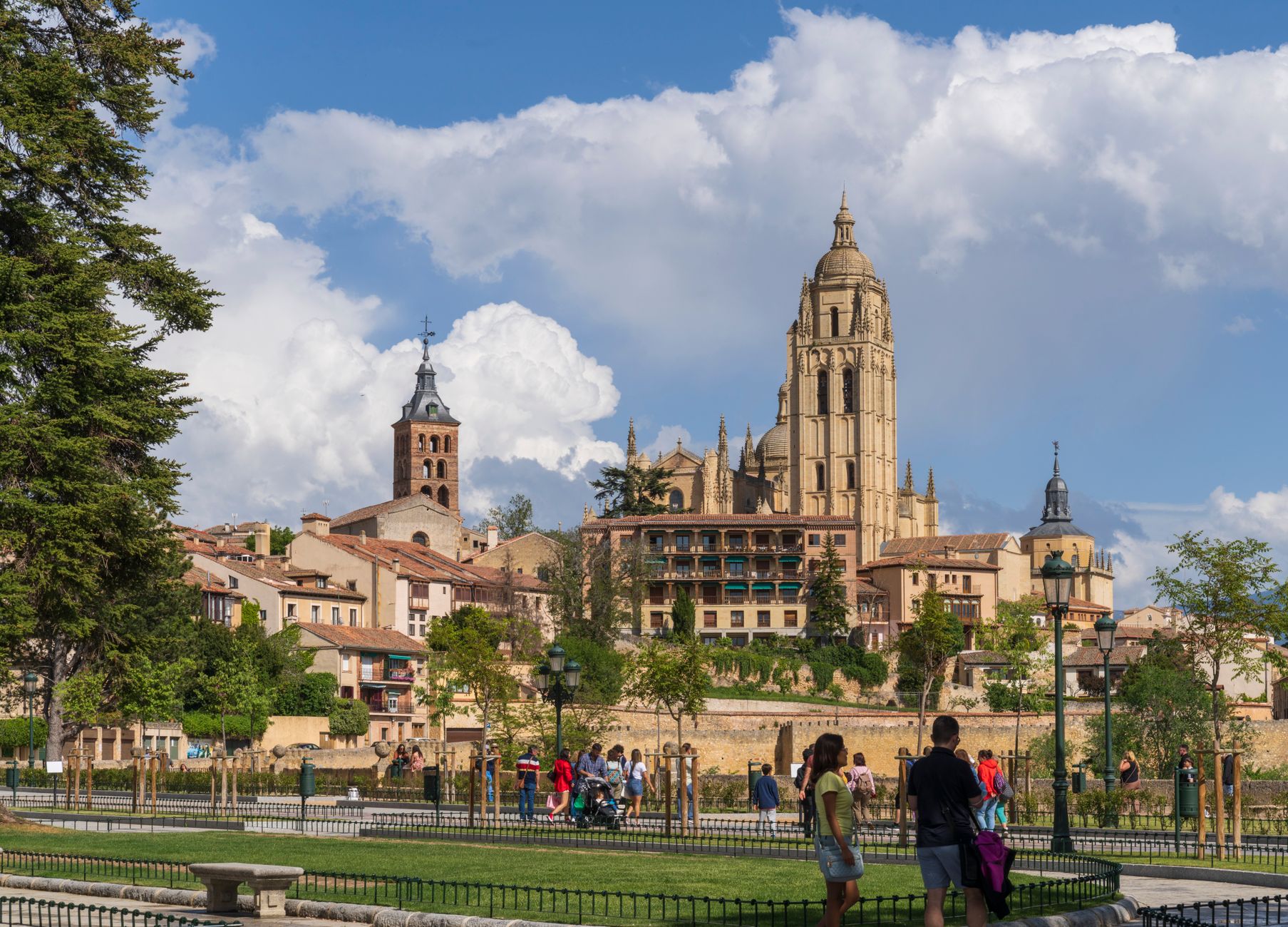
Stand in Plaza Vázquez de Molina on a quiet morning and you'll find yourself surrounded by fifty years of Renaissance ambition compressed into a single square — funeral chapel, palace, church, all built between 1530 and 1580 in the same warm Jaén stone. This is what Francisco de los Cobos, secretary to Emperor Carlos V, chose to do with his proximity to power: he hired the best architects money could reach and rebuilt his home city from the inside out.
Úbeda sits in the olive-grove uplands of Andalusia, holding 48 classified monuments and more than a hundred other buildings of note, nearly all of them Renaissance. UNESCO recognised the historic centre in 2003, jointly with neighbouring Baeza. The city earns that status without much effort to announce it.
💛 What travellers fall for
People who come back tend to mention the Sinagoga del Agua — only uncovered in 2007, its seven wells and ritual mikveh still feel like a genuine discovery. They also mention arriving by bus rather than car, since the station drops you at the edge of the old quarter and the whole thing unfolds on foot from there.
Experiences you don't want to miss



Deals in Úbeda
Book directly at the providerHow Úbeda came to be
Settlement here goes back to the Copper Age, and Abd al-Rahman II founded the walled town in the 9th century under the name Ubbadat. It remained under Moorish rule until 1233, when Christian forces took it during the Reconquista. The Basílica de Santa María de los Reales Alcázares was raised on the foundations of the principal mosque shortly after.
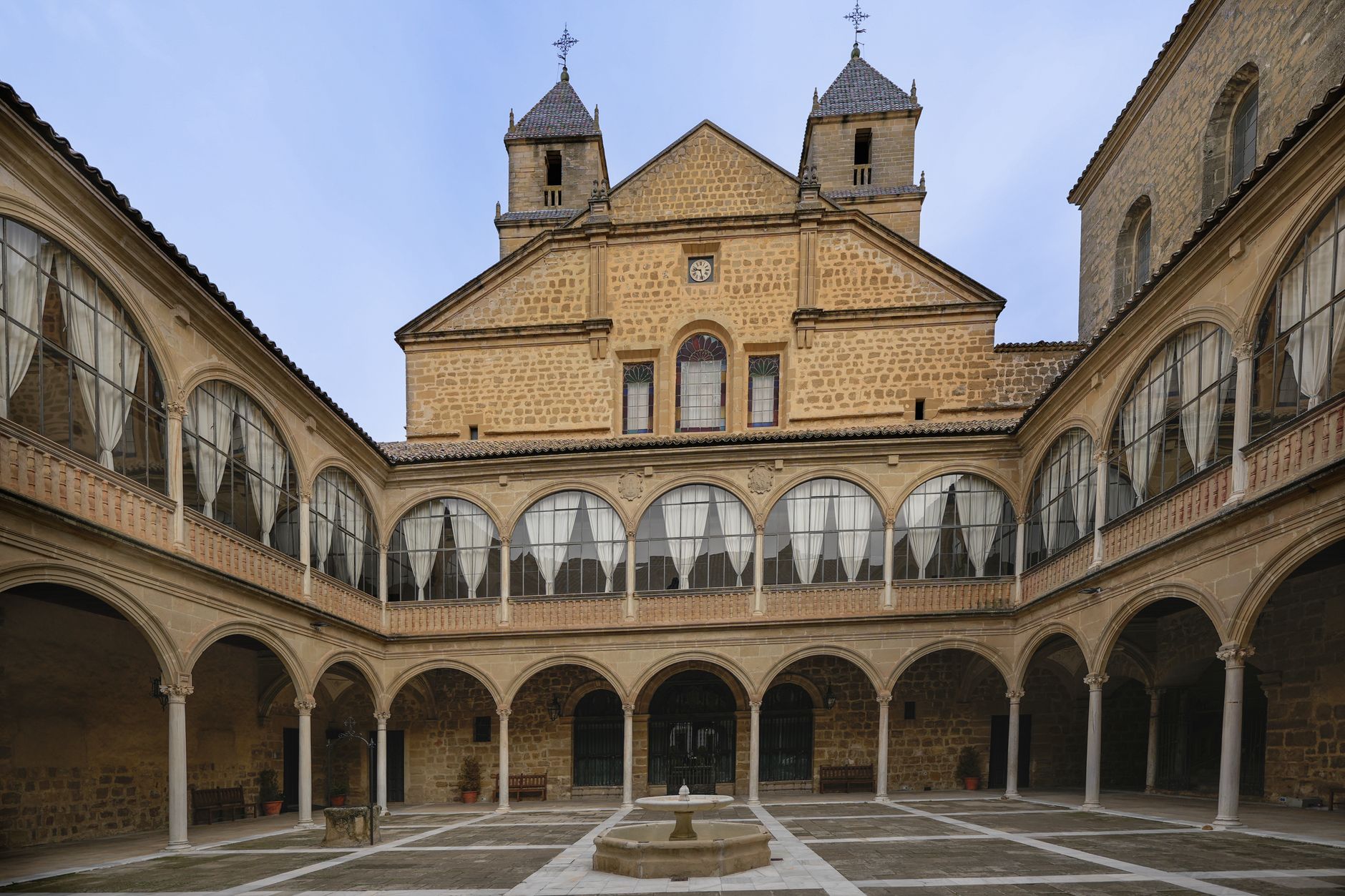
The city's defining moment came two centuries later. Francisco de los Cobos, who had risen to become Emperor Carlos V's secretary, poured his wealth and connections back into Úbeda. He commissioned architect Diego de Siloé to begin the Sacra Capilla del Salvador as a family pantheon, and Andrés de Vandelvira — born in 1509, trained as a stonemason, eventually the man credited with carrying the Italian Renaissance into Spain — completed it and went on to shape much of what you see today, including the Palacio de las Cadenas, designed around a Roman courtyard plan and now the town hall. Juan Vázquez de Molina, secretary to both Carlos I and Felipe II, continued the patronage after Cobos, and the building campaign ran without pause from the 1530s to the 1580s.
Who and what shaped it
People who shaped it
Landmark buildings
See Úbeda in motion
Plan your visit
On the map
When to go
Úbeda's inland position means hot, dry summers — July and August regularly exceed 35°C — and mild but occasionally sharp winters. April through June and September through October offer the most agreeable temperatures for walking the old quarter at length.
Right now
Background & history adapted from Wikipedia (CC BY-SA) · specs from Wikidata (CC0) · weather from Open-Meteo · map data © OpenStreetMap contributors · photos from Wikimedia Commons / Unsplash with per-image credit. No third-party reviews or social posts reproduced.