
Torremolinos
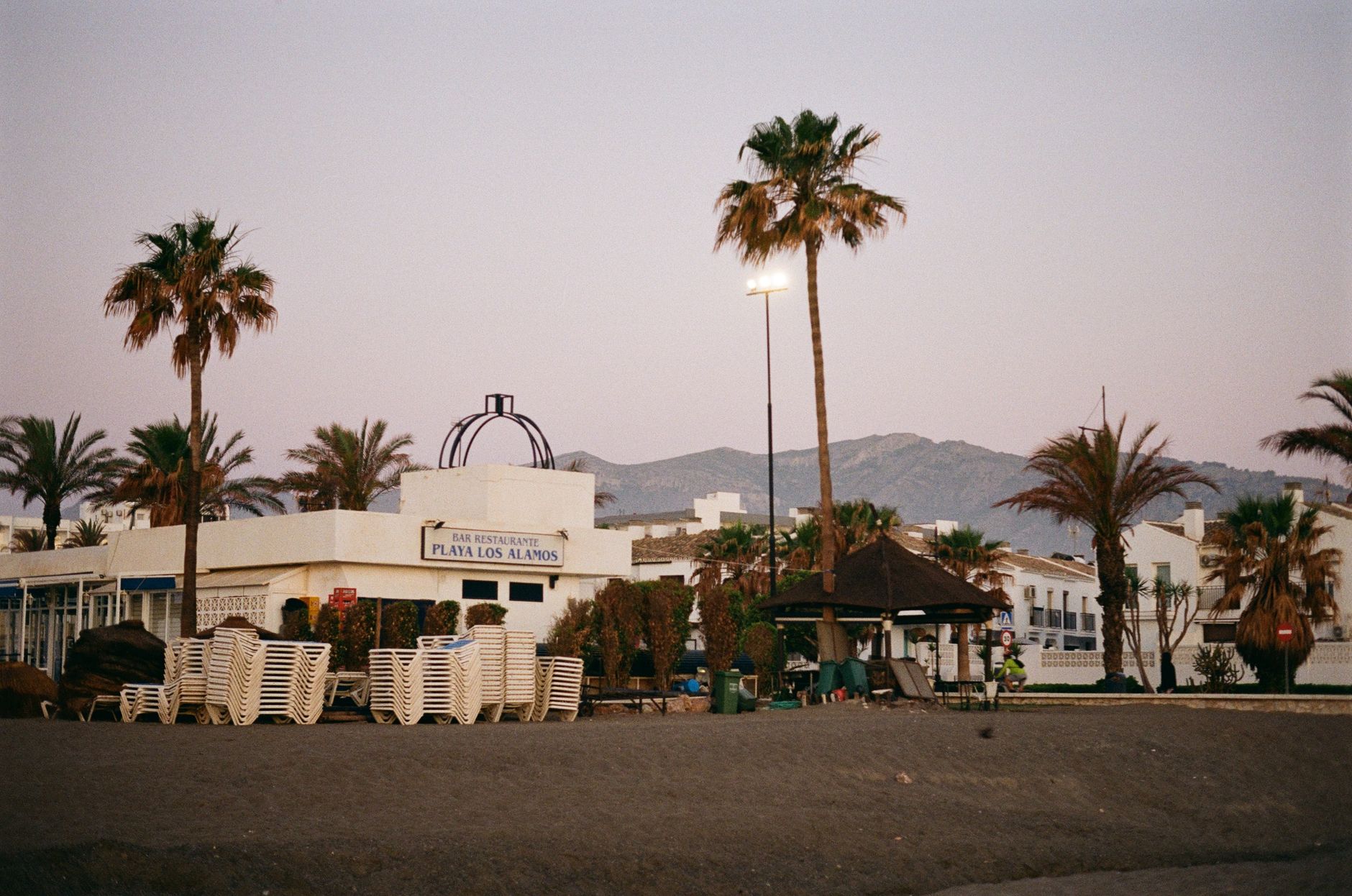

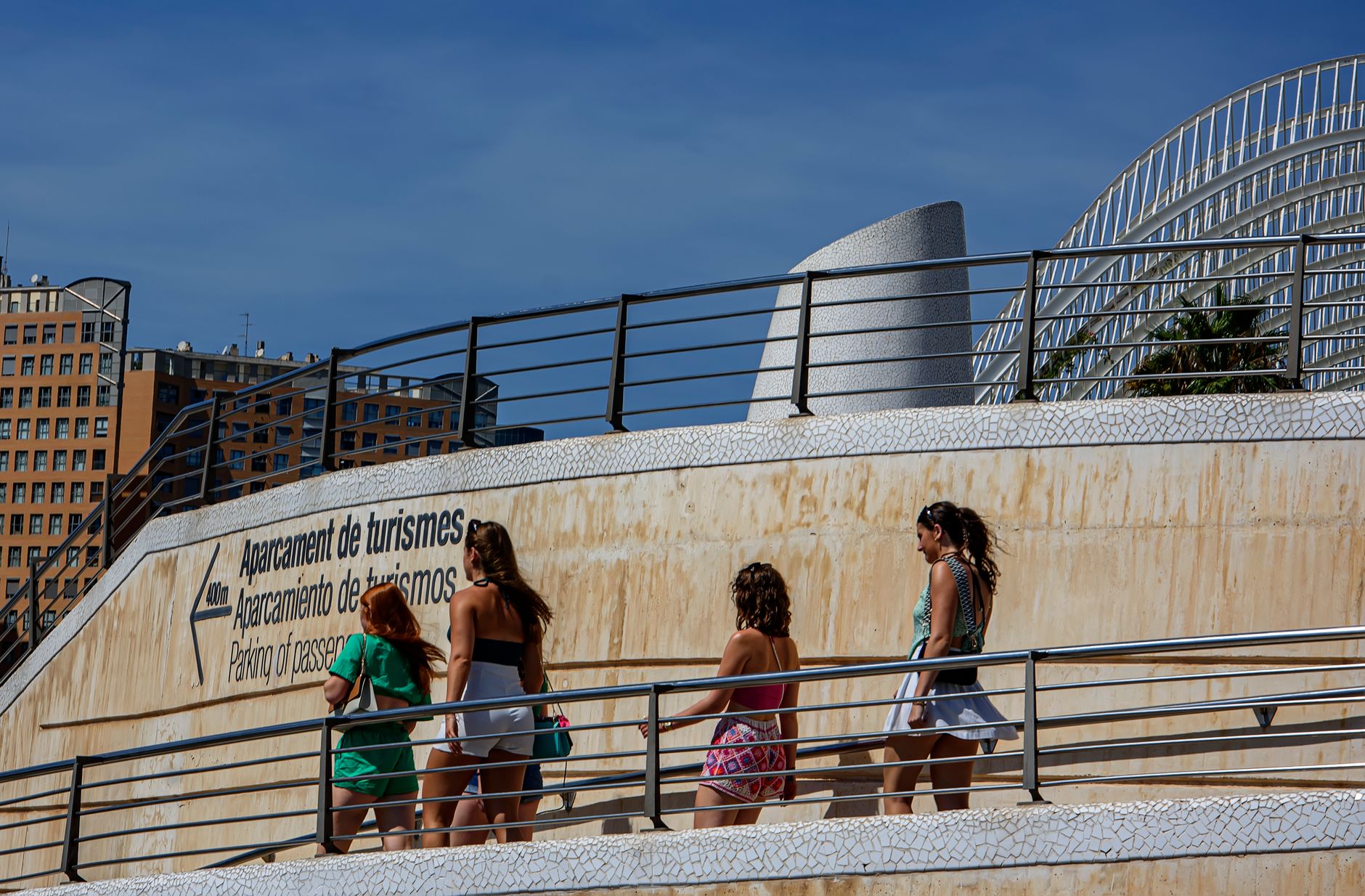
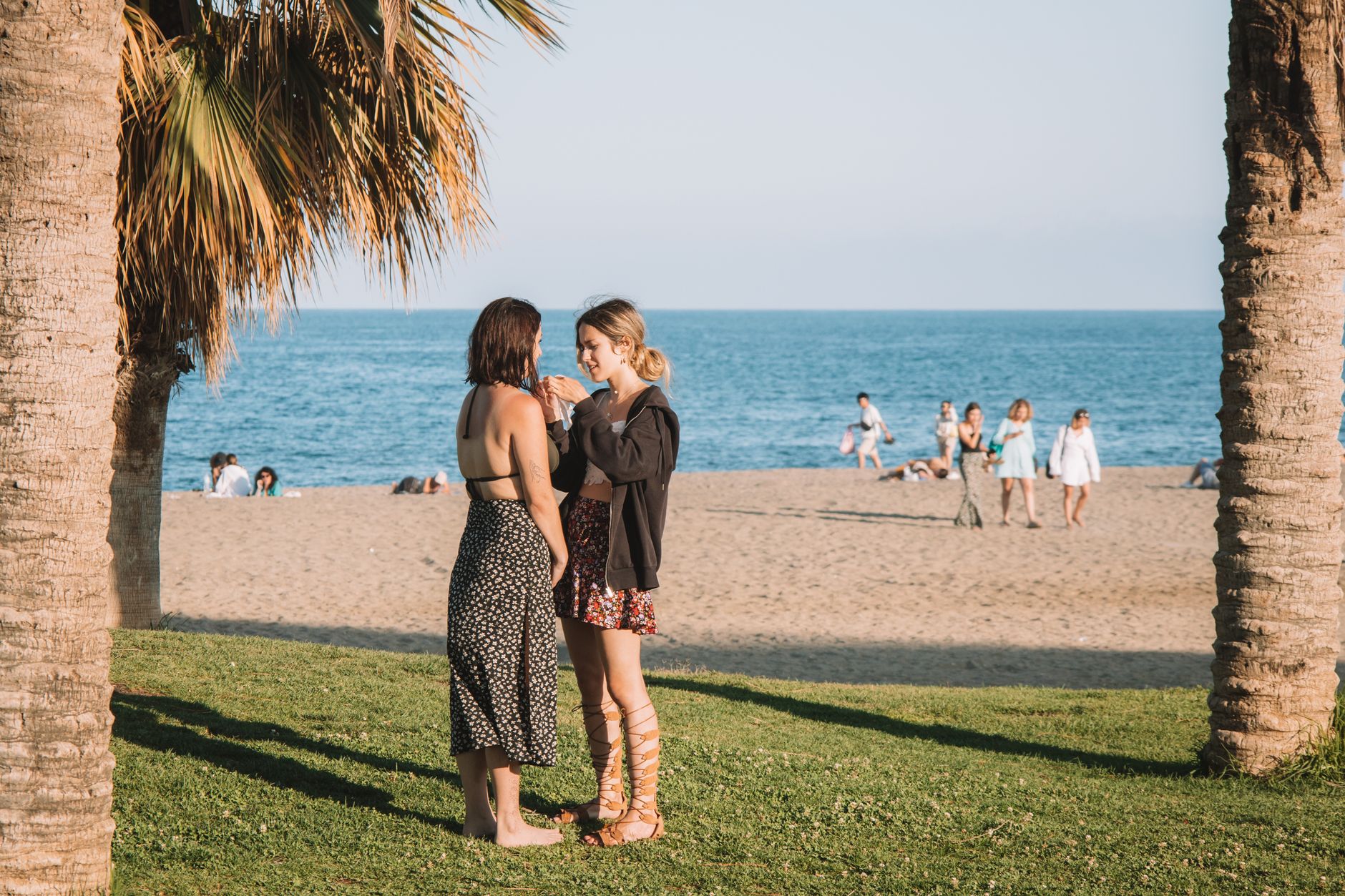
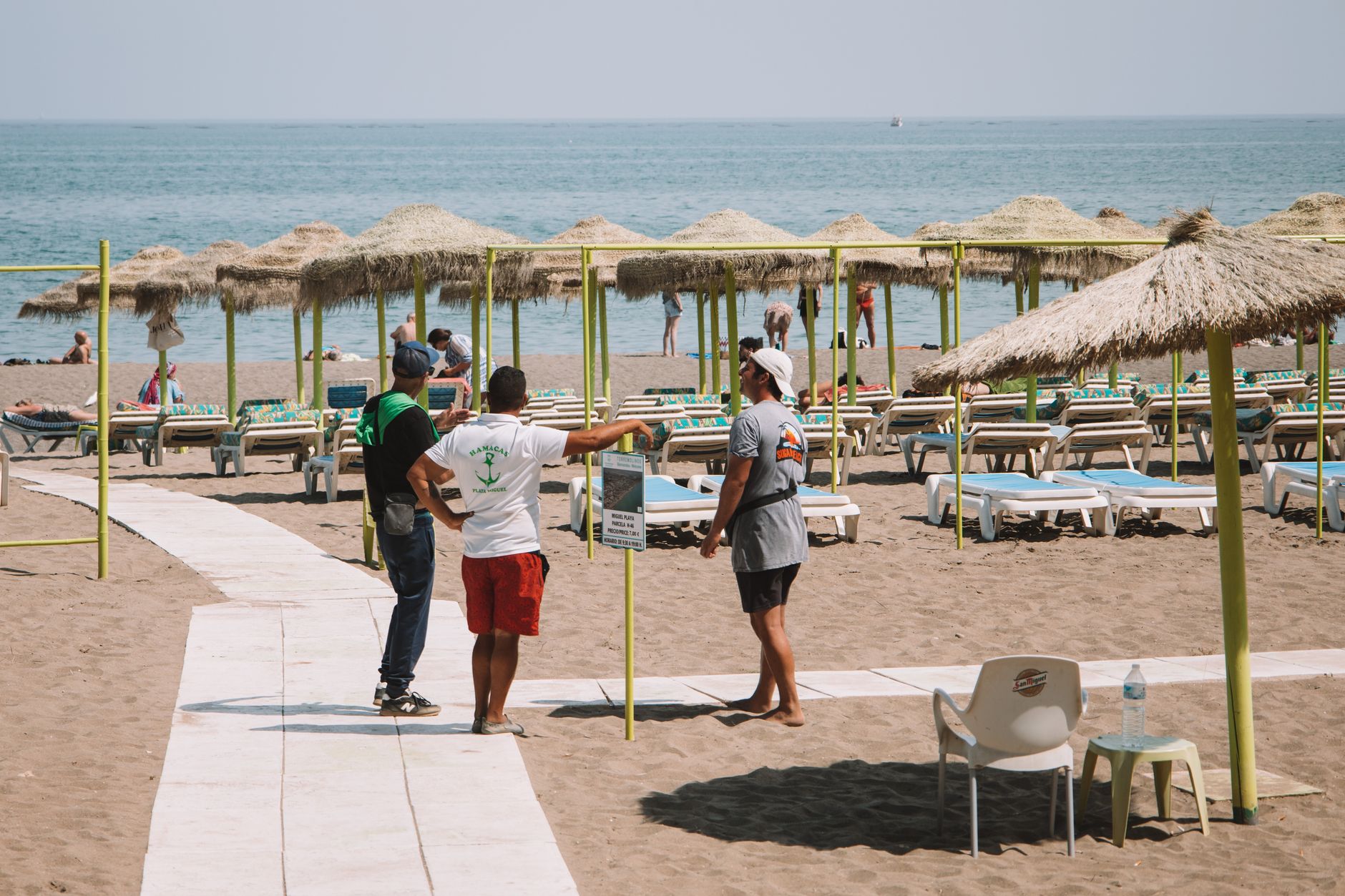
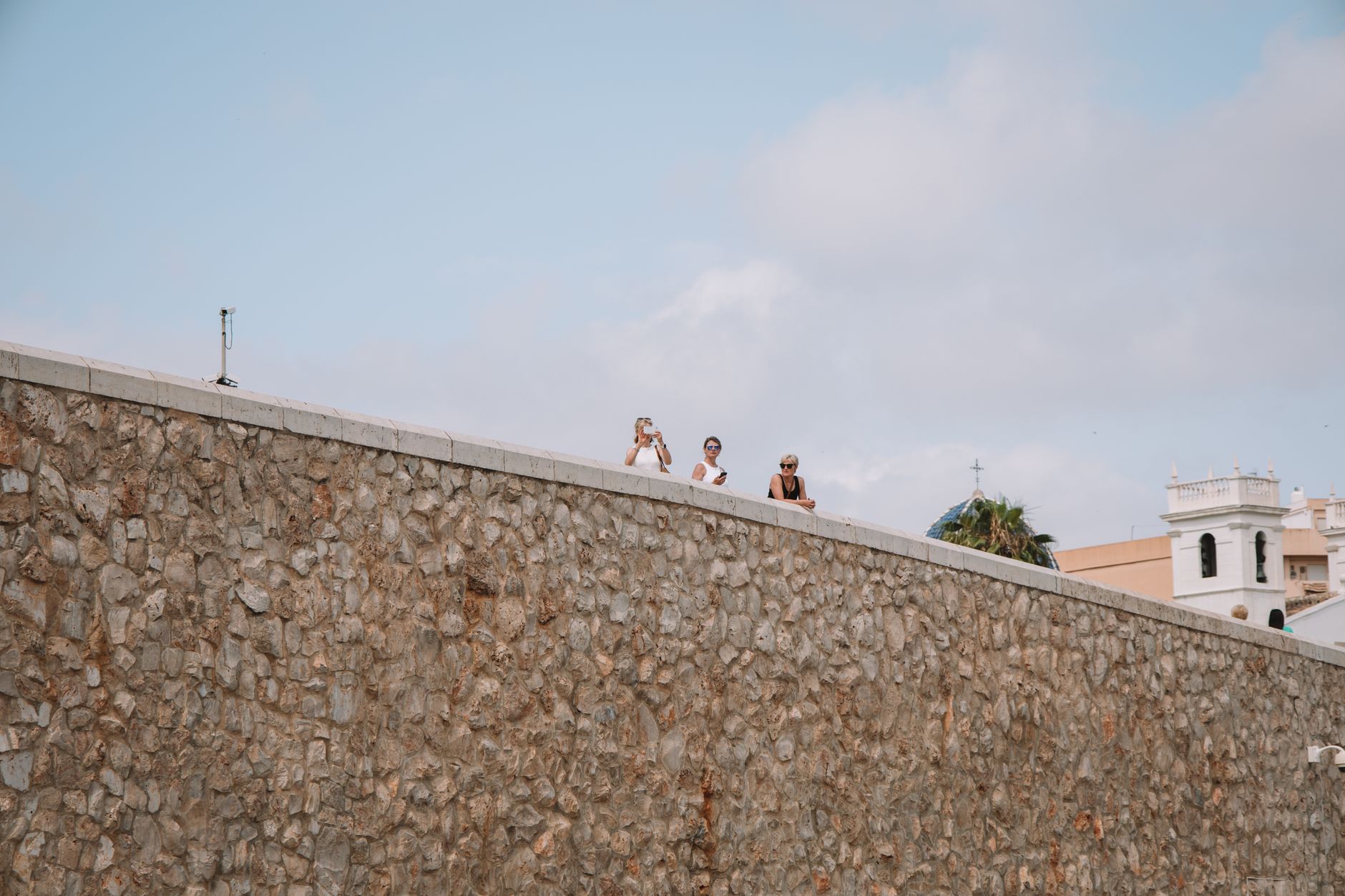
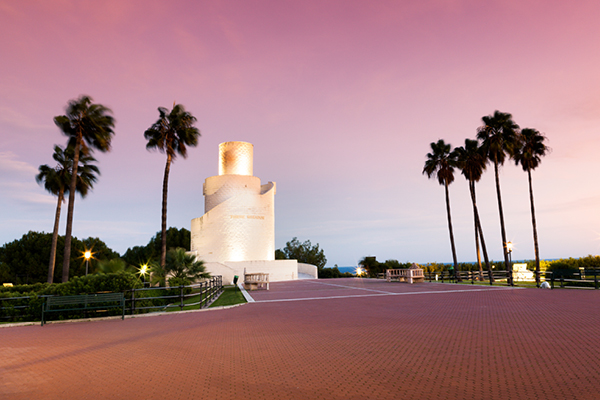
The Torre de los Molinos — a 12-metre Nasrid watchtower from around 1300 — still stands at the edge of town, which is a useful thing to remember when the beach bars and souvenir shops start to feel like the whole story. Torremolinos gave its name to a certain idea of the Spanish package holiday, and it wears that history without apology.
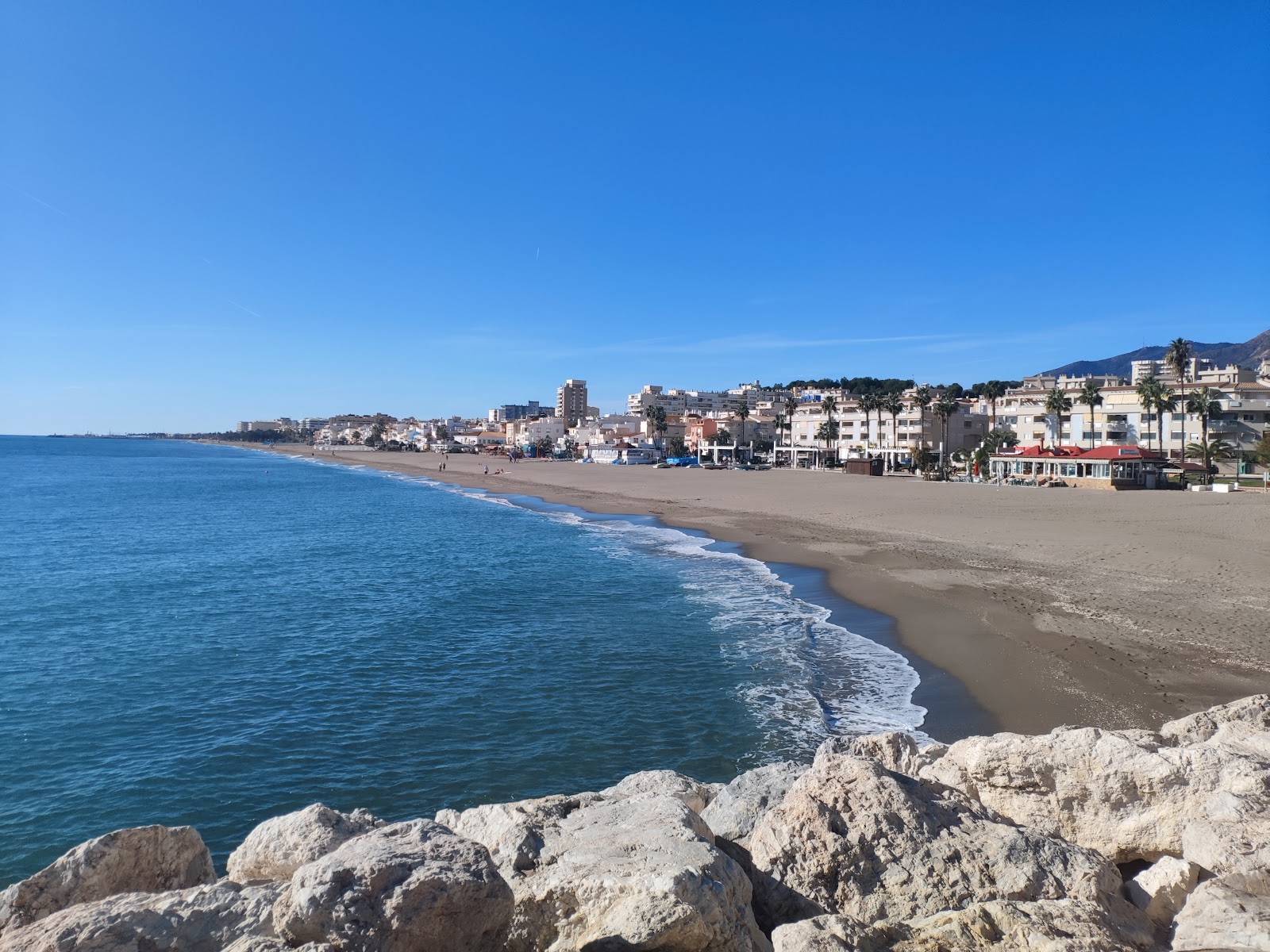
What it actually is: a dense, lively town on the Costa del Sol with long sandy beaches, a pedestrian old street that fills every evening, and a surprisingly navigable past. The fishing village that preceded the tourist machine is still faintly legible if you look for it — in the whitewashed lanes above El Bajondillo, in the free Neo-Mudéjar mansion perched above the shore.
💛 What travellers fall for
Regulars tend to mention the Cercanías train unprompted — €1.80 from the airport, fifteen minutes, no taxi negotiation required. They also mention Casa de los Navajas, because it's free, it's beautiful, and almost nobody else is in it. Go Wednesday to Sunday, morning session, before the beach crowds think to wander uphill.
Experiences you don't want to miss


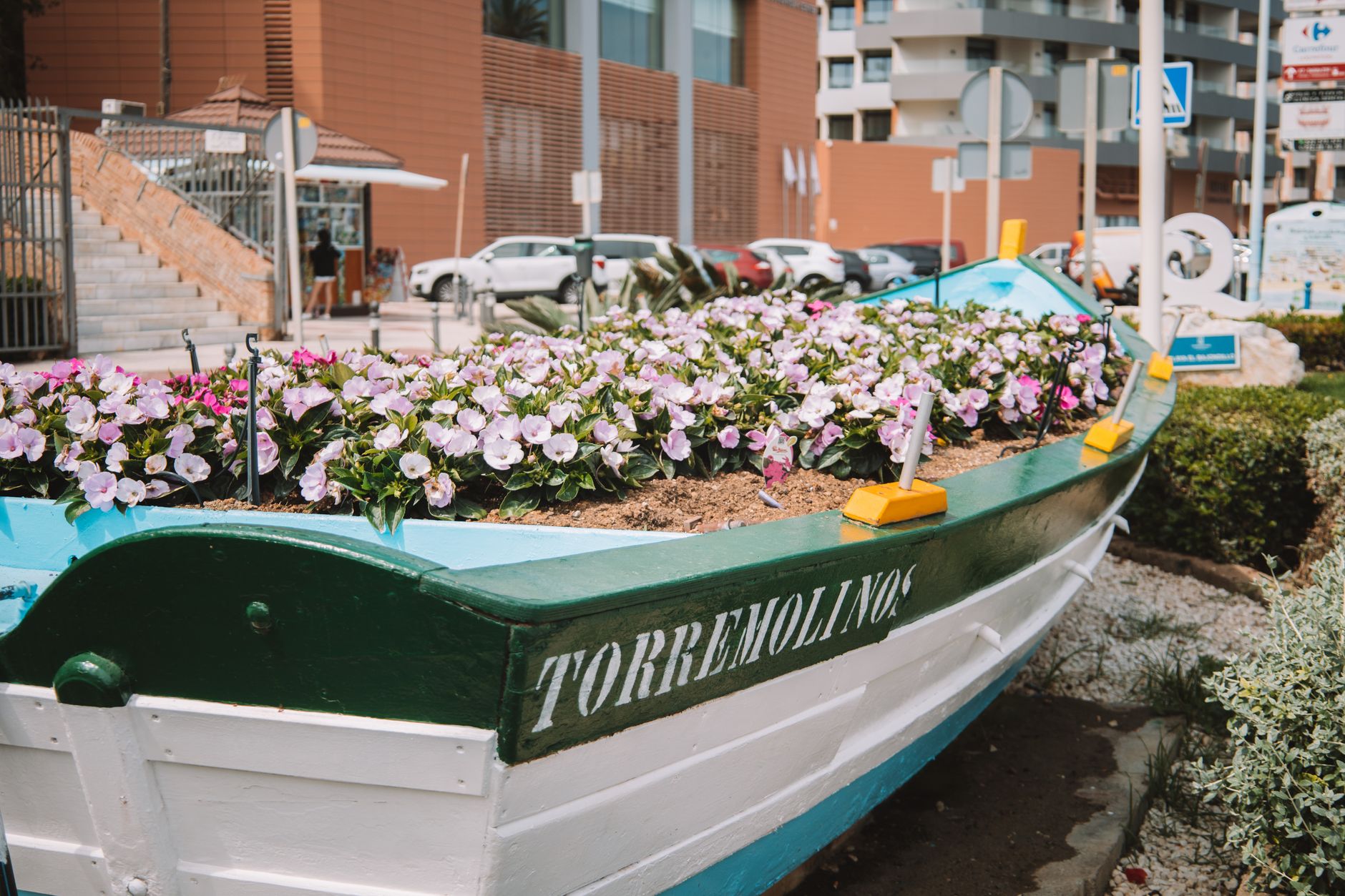

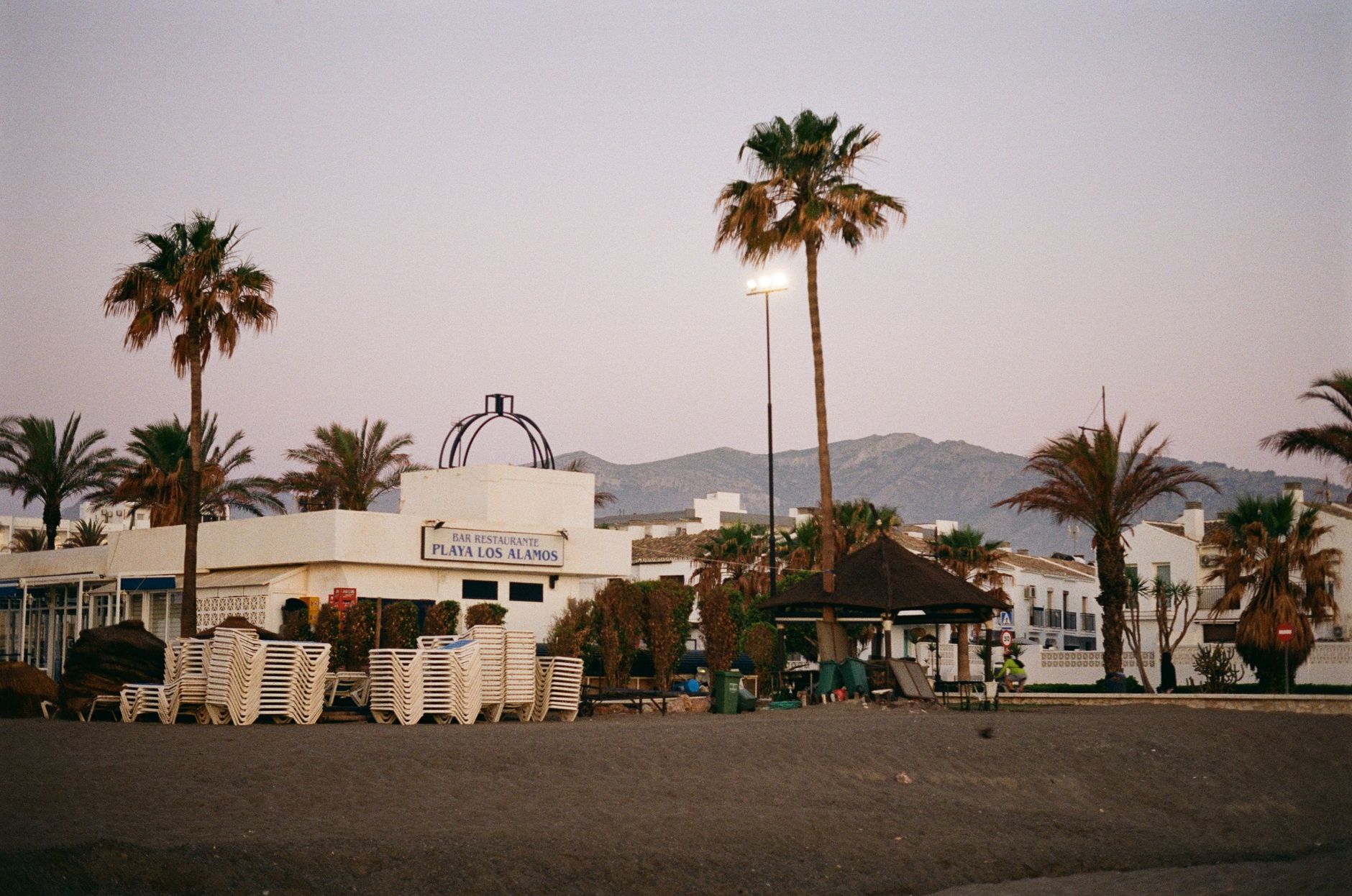

Deals in Torremolinos
Book directly at the provider
How Torremolinos came to be
People have been on this stretch of coast for a very long time — Neanderthal artifacts here date back nearly 150,000 years, and there is Neolithic evidence from around 5000 BCE. The town's name comes from the Nasrid defensive tower built around 1300, one of a chain of coastal watchtowers. By 1489 it appears in written records as a small settlement.
The modern version of Torremolinos was effectively invented in 1959, when the Hotel Pez Espada opened as the first luxury hotel on the Costa del Sol. An Englishman named George Lagworthy had already settled here with his wife, purchasing the Hacienda de Santa Clara and drawing early tourist attention. Frank Sinatra, Brigitte Bardot and Ava Gardner followed in the 1960s. In 1962, Toni's Bar opened — the first gay bar in Spain. The town had been absorbed into Málaga in 1924; it fought for and regained its independence on 27 September 1988.
Who and what shaped it
People who shaped it
Landmark buildings
See Torremolinos in motion
Plan your visit
On the map
When to go
Summers are hot and dry — August averages around 29°C with over eleven hours of sun a day in July. Winters are mild, rarely cold, but November and December bring the bulk of the year's rain, so if you're coming for the beach, May through September is the reliable window.
Right now
↡ Attractions


Background & history adapted from Wikipedia (CC BY-SA) · specs from Wikidata (CC0) · weather from Open-Meteo · map data © OpenStreetMap contributors · photos from Wikimedia Commons / Unsplash with per-image credit. No third-party reviews or social posts reproduced.