
Playa de La Carihuela
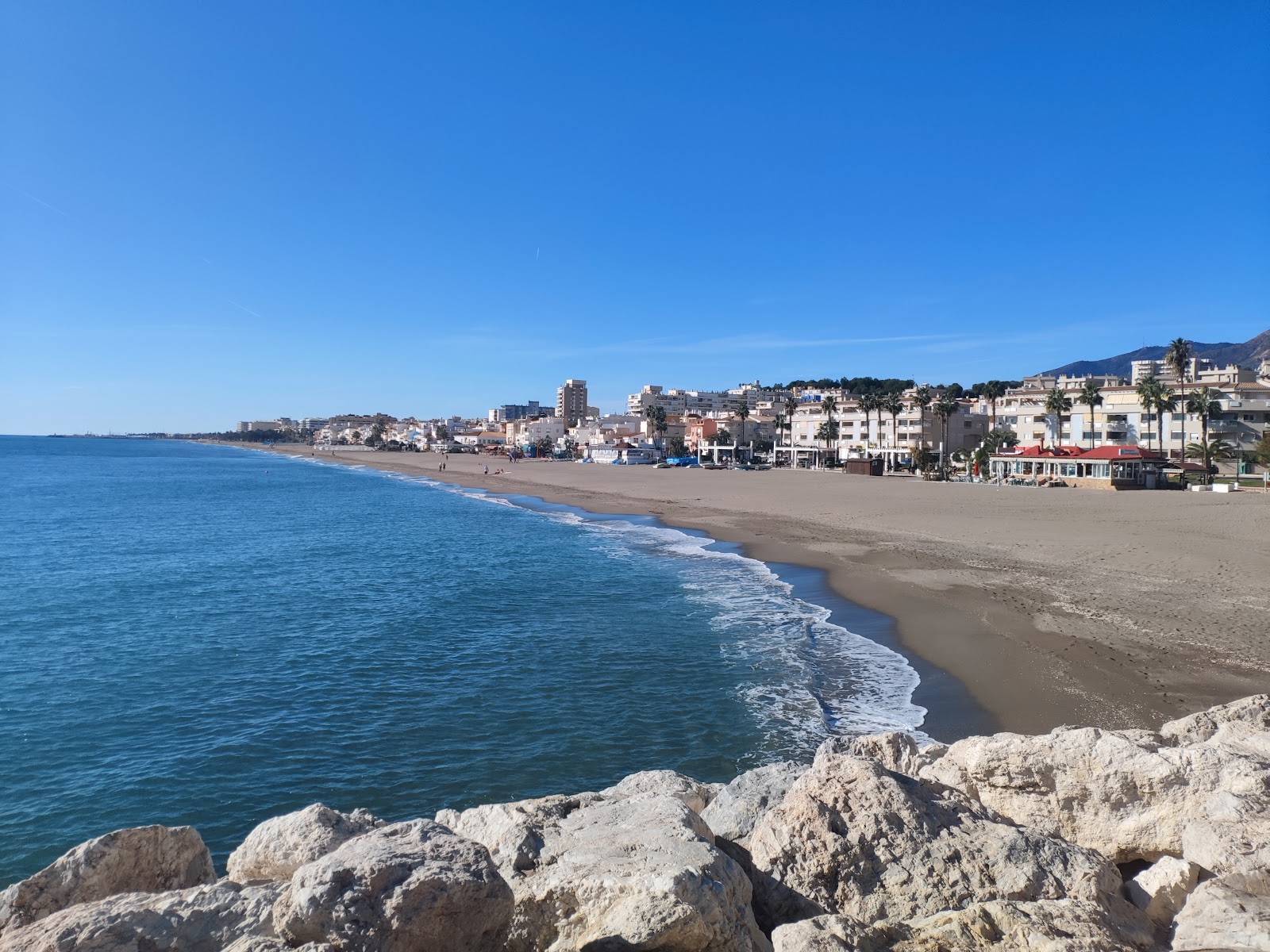
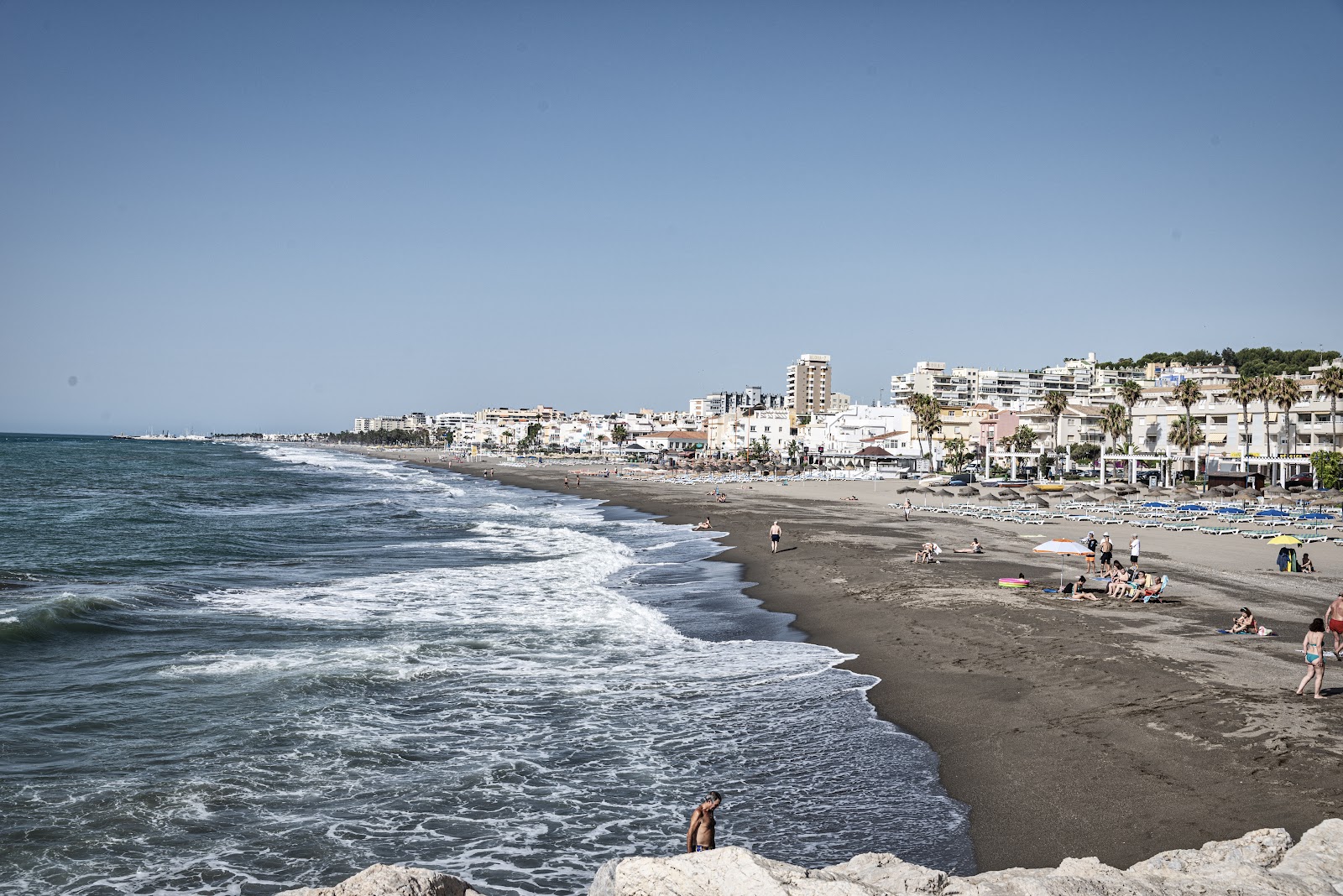
La Carihuela begins where the concrete resort strip of Torremolinos softens into something older. The sand here runs darker than you might expect — a consequence of volcanic origins — and the water stays notably calm, which is why the fishing boats once launched from this stretch and why, decades later, people still spread their towels and stay the whole day.
The beach runs 2,100 metres along a promenade built in 1972, with the rocky headland of Morro de Torremolinos breaking the line midway. Behind the shore, the original fishing quarter survives in fragments: low buildings, a plaza, restaurants that have been frying fish since the early 1960s.
💛 What travellers fall for
People who come back tend to head straight for Casa Antonio on Plaza del Remo or its neighbour Casa Juan — both open since the early 1960s, both still built around whatever came off the boats. The sun loungers go for €6; worth it for a full day. The El Pinillo train station, seven minutes on foot, makes leaving easy enough that you stay longer than planned.
The story behind Playa de La Carihuela
La Carihuela started as a fishing settlement of Arab origin, a working quarter that sat apart from the town above it. It stayed that way well into the twentieth century — boats, nets, a handful of families — until Carlota Alessandri opened the Parador Montemar in 1933 and began pointing a different kind of visitor toward this stretch of coast.
The real shift came in 1959, when the Hotel Pez Espada opened as the first luxury hotel on the Costa del Sol. Grace Kelly, Ava Gardner, Orson Welles and Frank Sinatra followed in the 1950s and 60s. Casa Antonio opened in Plaza del Remo in 1961; Casa Juan followed in 1963. The promenade was built in 1972, and the fishing village became, officially, a resort — though the restaurants kept cooking the same fish.
Good to know
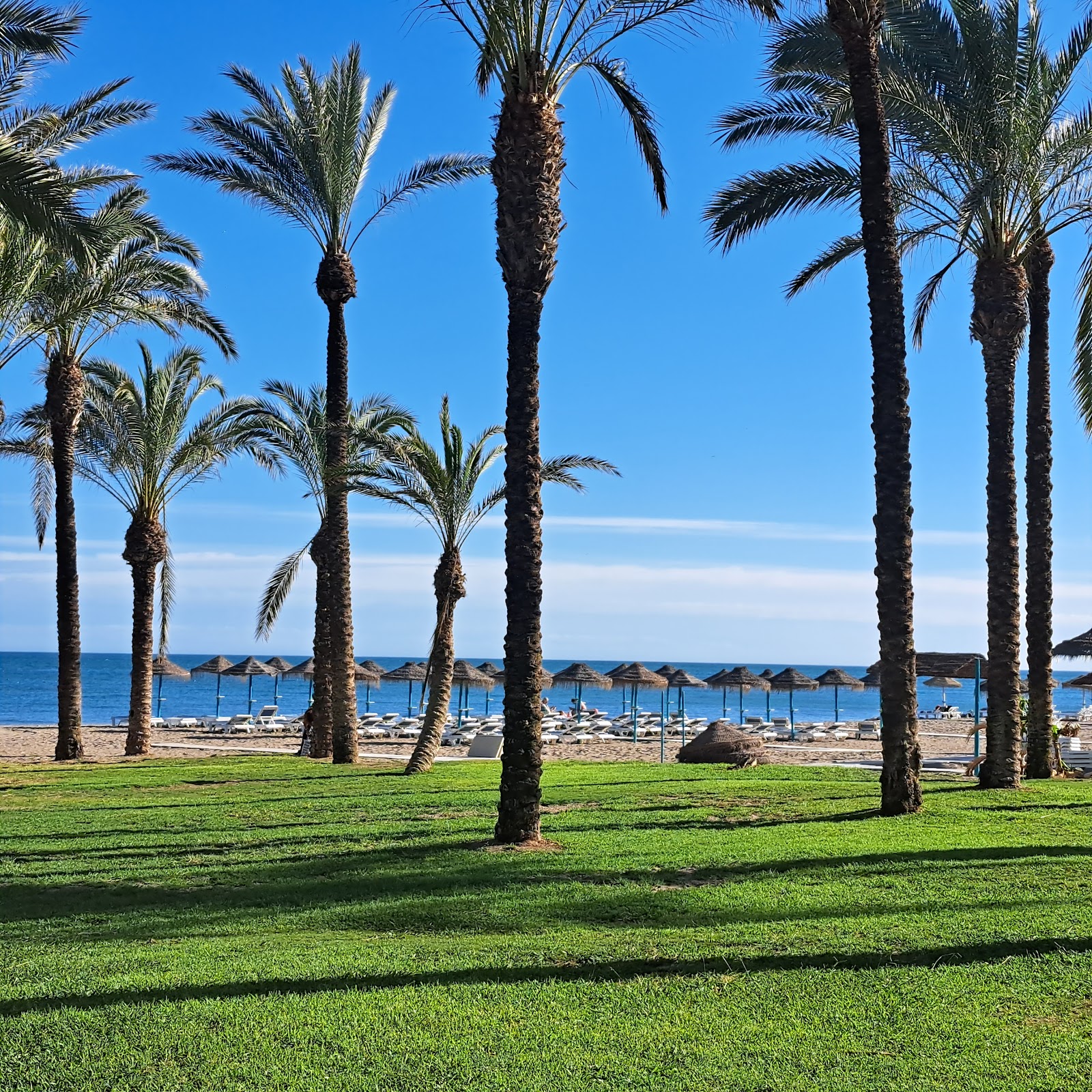
El Pinillo train station (C-1 line, seven-minute walk) is your cleanest arrival. Driving in June through August means a real hunt for parking. No entry fee; sun loungers cost €6 each. Lifeguards are on duty, and Red Cross equipment including wheelchair access is available on the beach.
July and August bring temperatures around 29°C and up to 11 hours of daily sun, with almost no rain — the beach at its most committed. Spring, particularly May, offers warmth without the crowds, while winter stays mild at around 16°C but the days are short and the promenade largely quiet.
Where is Playa de La Carihuela?
More tickets & tours for Playa de La Carihuela
Book directly at the provider
What travellers say about Playa de La Carihuela
Gorgeous beach on the promenade. So many restaurants & shops around!
Superb clean golden beaches with plenty of bars restaurants and shops close by 10/10
Playa de la Carihuela is a clean, wide sandy beach known for its relaxed atmosphere and long promenade. It’s perfect for families, swimming, and seaside walks, with plenty of traditional chiringuitos serving fresh seafood. The calm waters and beautiful sunsets make it a popular spot for both locals and tourists.
Great beach with comfortable sun-beds for rent (8€). The water is clean and the sand is soft. Many nice restaurants along the beach where you can e.g. eat espetos de sardinas 😋
quite nice sandy beach with lots of options to eat and drink. There are also showers available. Baywatchers take care of our safety. Waterquality is good, but not exceptional. Both in the sand and in the sea there are some garbage, however there are trashbins also on the beach. People should care more.
More of Torremolinos
Discover where to stay, what to do and the best deals for your trip.
Explore Torremolinos →More attractions in Torremolinos
All of Torremolinos →
Background adapted from Wikipedia (CC BY-SA) · map data © OpenStreetMap contributors · ratings & place photos via Google · other photos with per-image credit. Ticket links may earn us a commission at no extra cost to you.