
Castillo de Santa Clara
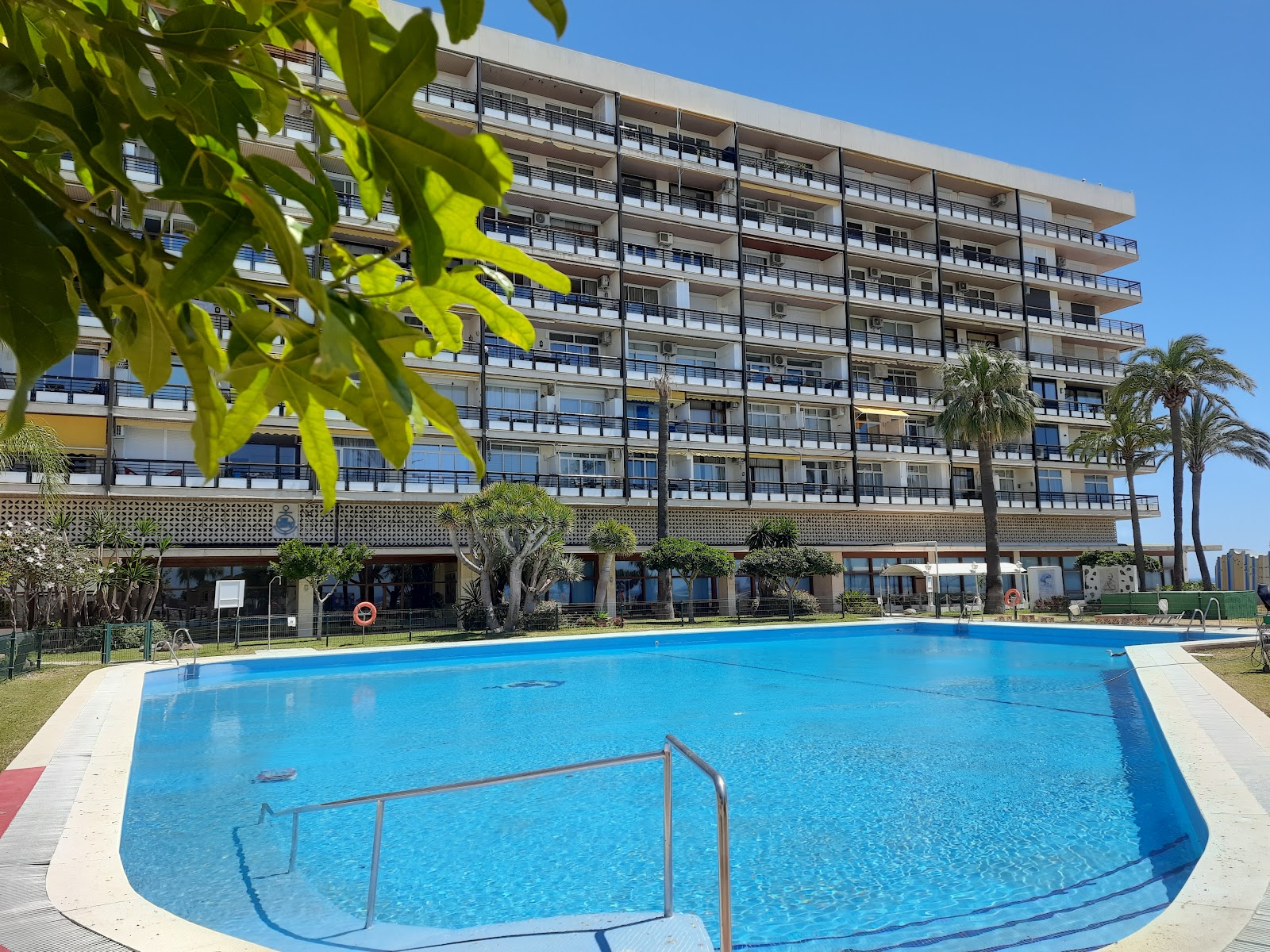
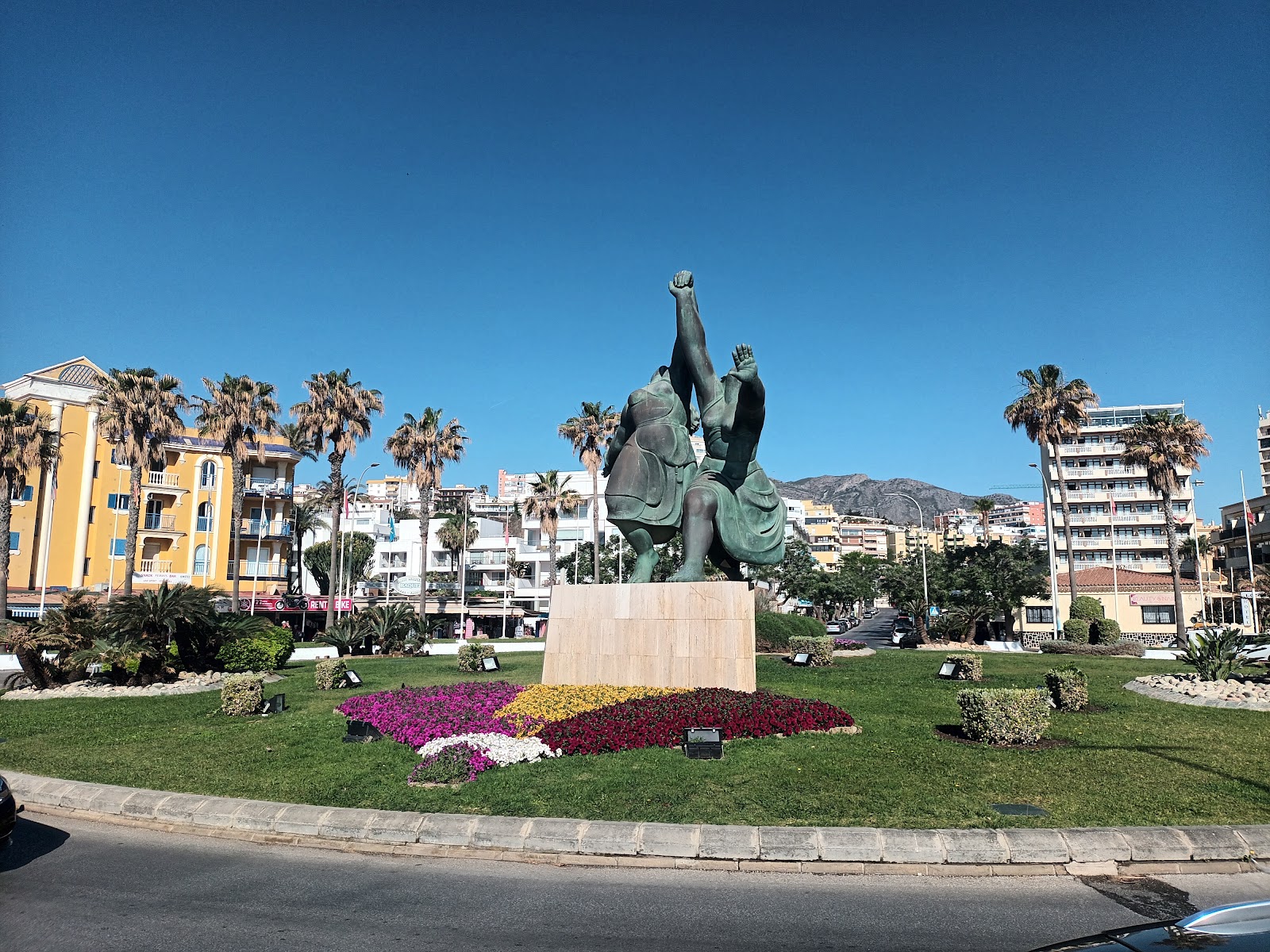
The street below is named Calle Castillo del Inglés by the locals — a quiet tribute to the Mancunian who once handed out silver pesetas to fishermen and elderly strangers, and whose adopted home eventually became this place. What stands at Punta de Torremolinos today is a large apartment-hotel complex, seven floors of whitewashed concrete with a rooftop pool angled toward the bay. The original 1763 fortress is gone, absorbed or obscured, but the site still carries the weight of what happened here.
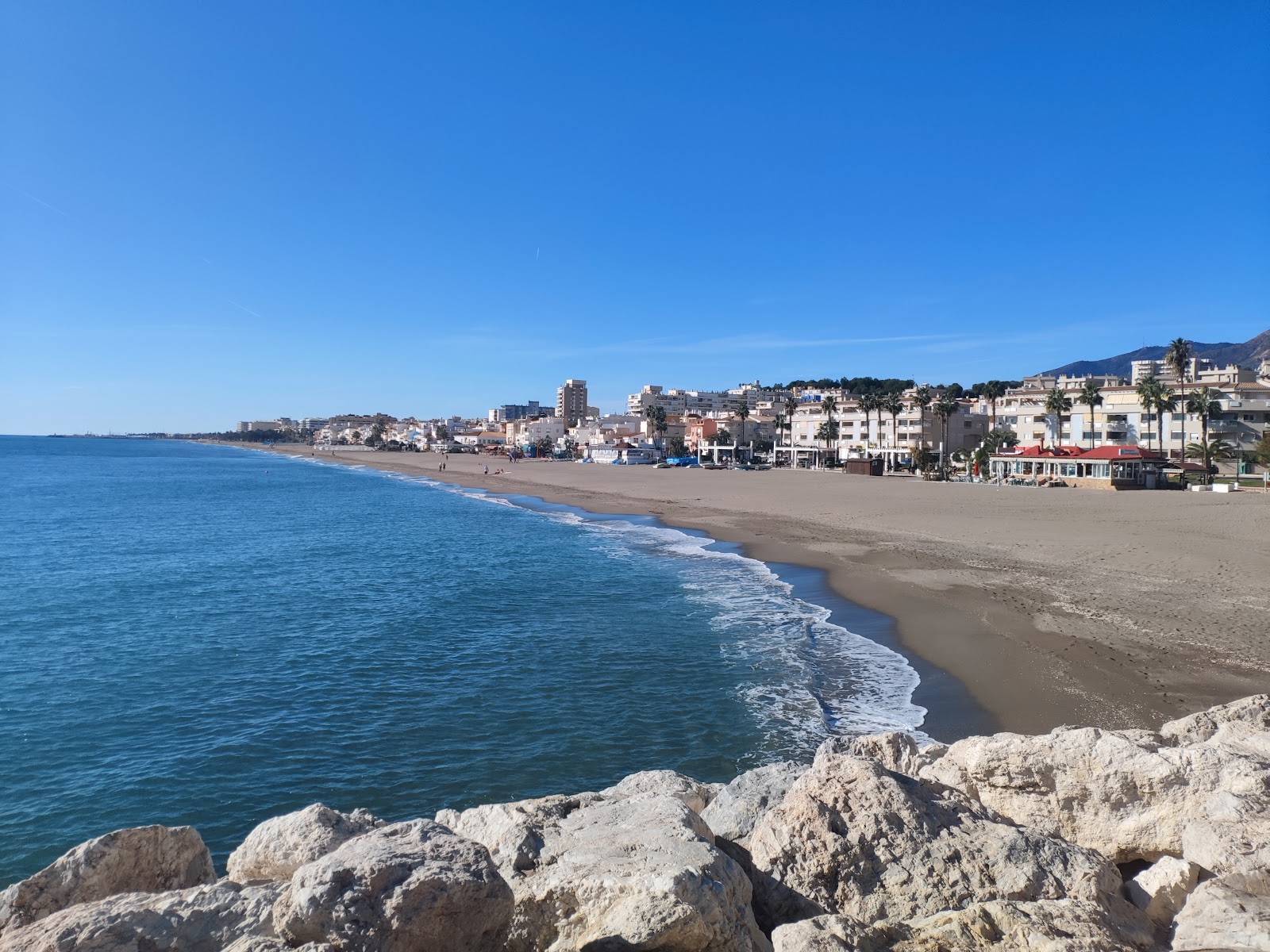
La Carihuela beach is a few steps in one direction, Bajondillo a hundred meters in the other. The position — on a headland between two beaches, with Málaga across the water — is the thing that has kept drawing people to this particular point of land for over two and a half centuries.
💛 What travellers fall for
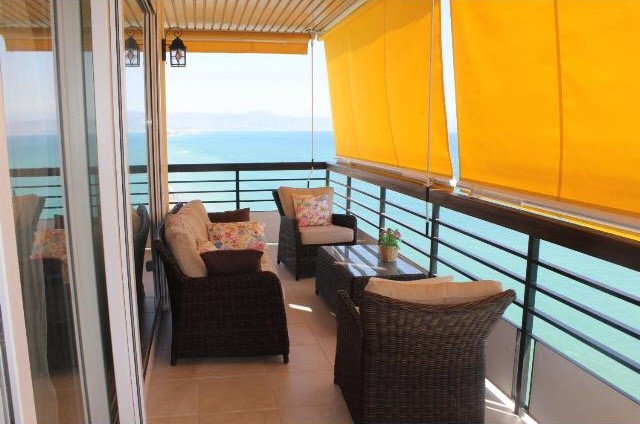
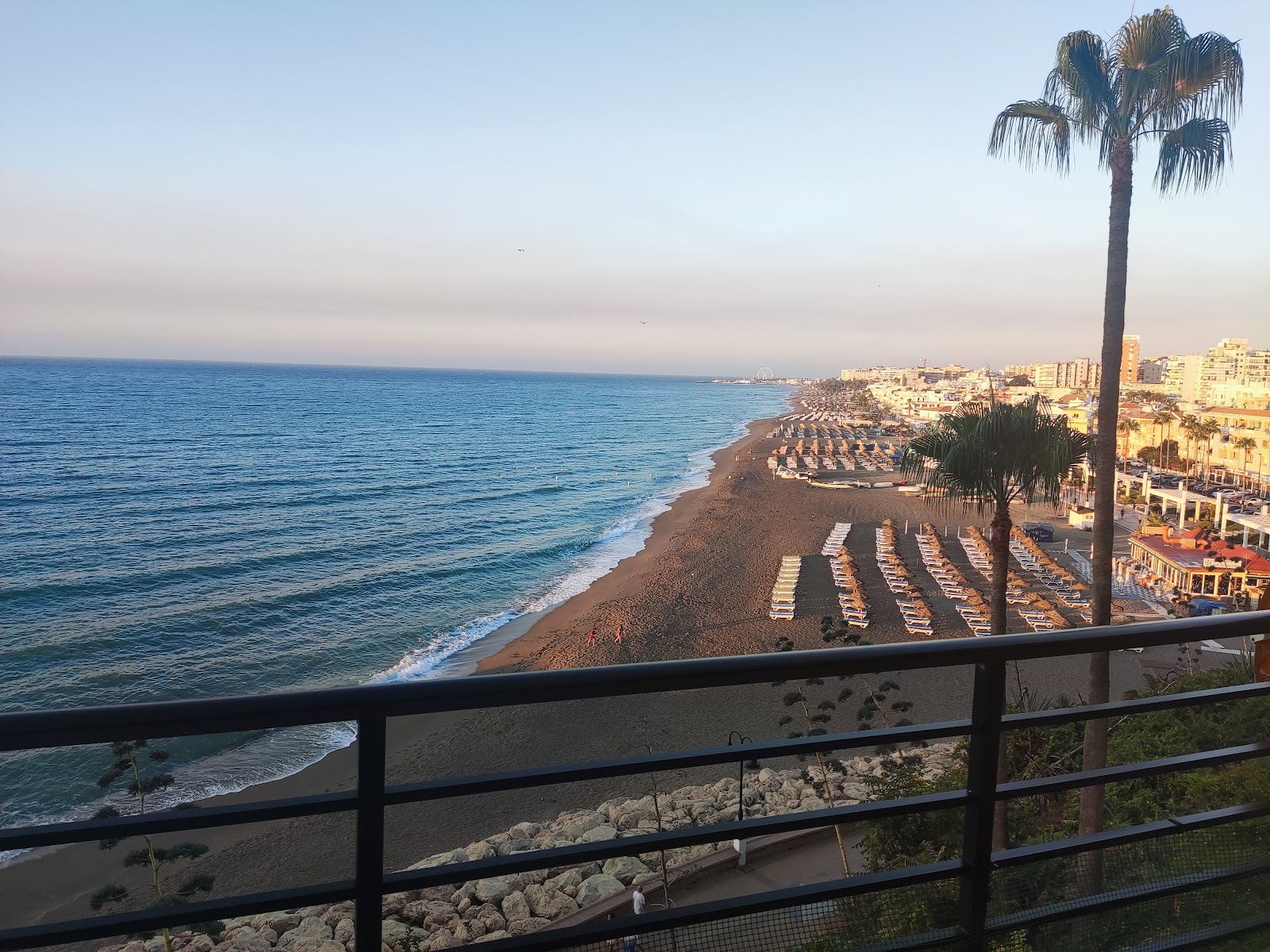
Guests who come back tend to book the upper floors early — the sea views from the terraces are the real draw, especially at dusk when the bay goes copper. The rooftop pool is quieter in the shoulder months. La Carihuela's white alleys are genuinely worth a slow walk; the hotel sits right on the edge of the old fishermen's quarter.
The story behind Castillo de Santa Clara
Spain built the fortress here in 1763 to guard Málaga Bay against pirate raids, completing it in 1769 with six 24-pound cannons, barracks, a chapel, and storage. It served military purposes until 1898, when the English commander George Langworthy Southan and his wife Anne Margaret Roe acquired what had become a carabinero barracks and turned it into a private residence with gardens and sea-view terraces. Langworthy — known locally as 'el inglés de la peseta' and recognized as an adopted son of Torremolinos in 1918 — lived out his days in a small house on the grounds, overlooking La Carihuela, until his death in 1945.
The property opened as a hotel in 1930, drawing figures including the surrealist Salvador Dalí and Gala, who stayed for several weeks that May, and the poet Luis Cernuda, whose 1928 visit fed into his work 'El indolente'. Luis Felipe Padierna purchased the estate in 1947, and the modern hotel complex opened on the site in 1975.
Good to know
Access is for hotel guests and residents only — this is not a public monument. The bus stop is 200 meters away, Málaga Airport 9 km. May through October gives you the warmest, driest conditions for making the most of the outdoor terraces and rooftop pool.
Summer here is reliably dry and hot — July and August see almost no rain and temperatures pushing 30°C, which suits the rooftop pool but makes midday on the terraces intense. Spring and autumn (April–June, September–October) bring comfortable warmth in the low-to-mid 20s; winter is mild but December can bring over 100mm of rain.
Where is Castillo de Santa Clara?
More tickets & tours for Castillo de Santa Clara
Book directly at the provider
What travellers say about Castillo de Santa Clara
Beautiful apartments with stunning sea view & sunrise, sunset views!!!
Old building . Have to pay for sunbed and parasols which in a complex it was unexpected.
The apartment complex is very convenient to beaches and the town which is about five minutes away by foot. The beaches are accessed by lift and stairs. It was very quiet during my stay in mid April before the tourist season really begins but that was fine by me. The common area which has panoramic views of both of Torremolinos'beaches is well kept and pleasant. There is a pool which was cold but refreshing on my feet after a long morning walk. I didn't try the cafe or small shop during my stay as they opened for only a short period during the day, probably due to early season and few guests at the time. My balcony faced onto the sea at ground floor level so it felt very private indeed though it might have been nice to people watch if some of the vegetation lining the cliff was removed. All in all I liked the place and would consider staying again. Apologies for the poor photos, I chose the one dull day to take them.
Stayed there for a month in March 2021 as a temporary accommodation (Airbnb). The building was almost empty but still it is quite challenging to find a parking place in covered parking. Can't imagine how difficult it is in summer. And if you are not Spanish, you will find it even difficult to use such a narrow parking.Building itself is not very new and in some places needs renovation. But flat was good (see my video of a flat). It wss a small, with 2 bedrooms. But it was comfortable for family of 3 people for a month. Kitchen had everything what might be required and I really liked the layout of kitchen. One bedroom didn't have a window. Another bedroom had incredible view on the promenade.Furniture looks modern and nice on the pictures, but in reality it is low quality ikea furniture, with a lot of scratches already. Also on the pictures flat was looking very spacious, but in really it is small. Big terrace with table and sunbeds. Fantastic view on carihuela beach ( I doubt there is a better view from any other building in Torremolinos). It was great to have a direct access to the promenade directly from the building. Be aware of sand on all your electronic items (price you pay for a first line). You will have to perform deep cleaning after it. But otherwise fantastic place to stay. But I should say it is very expensive ( we paid a bit more than 2000 euro for a month in dead month of March in the middle of pandemic). Luckily in our case it was covered by the company. But otherwise too expensive. I saw in airbnb for the same flat in August they were asking 7500 euro. This is a ripoff.
Very nice appartement 👍
More of Torremolinos
Discover where to stay, what to do and the best deals for your trip.
Explore Torremolinos →More attractions in Torremolinos
All of Torremolinos →
Background adapted from Wikipedia (CC BY-SA) · map data © OpenStreetMap contributors · ratings & place photos via Google · other photos with per-image credit. Ticket links may earn us a commission at no extra cost to you.