
Ronda
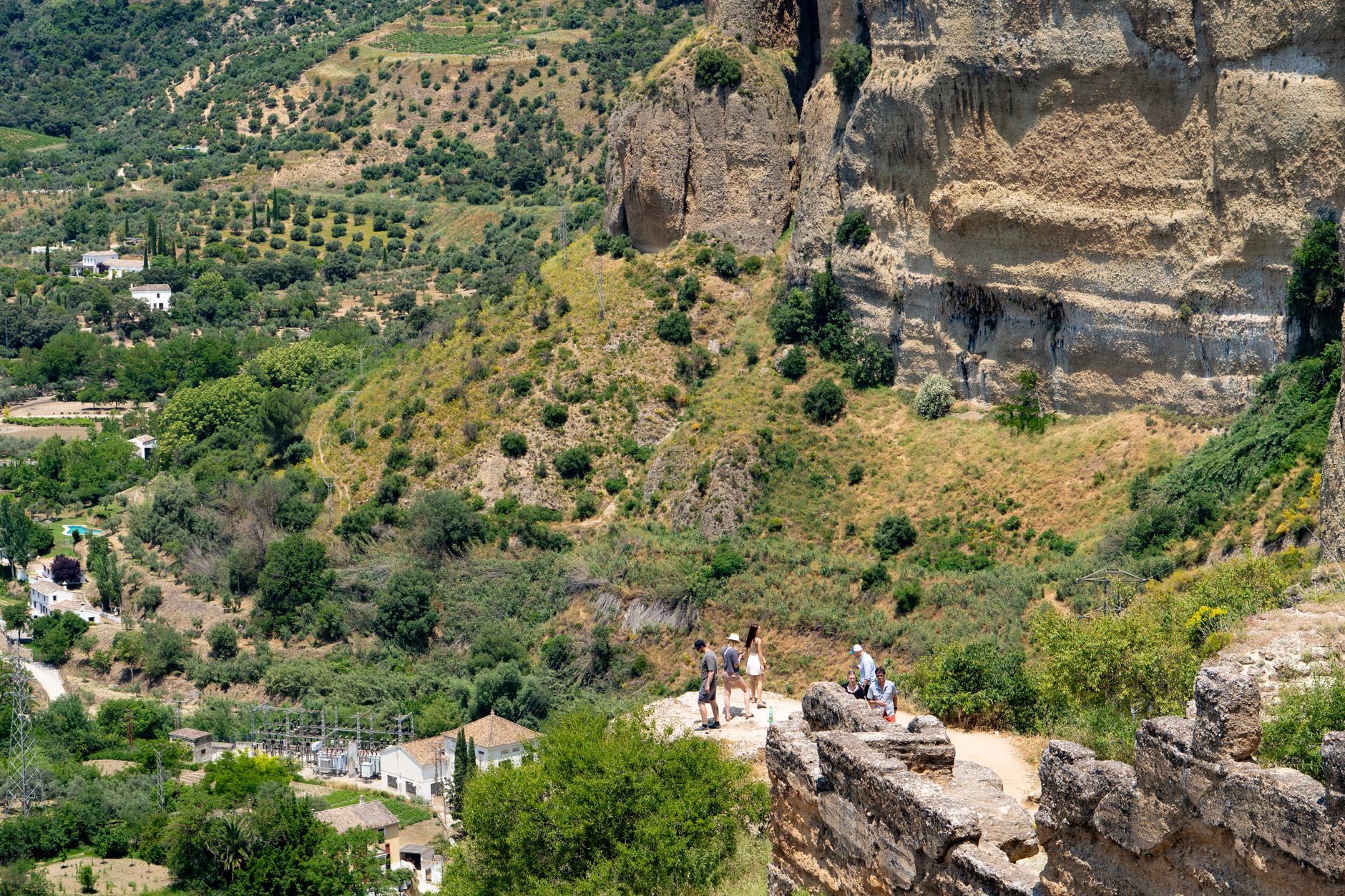
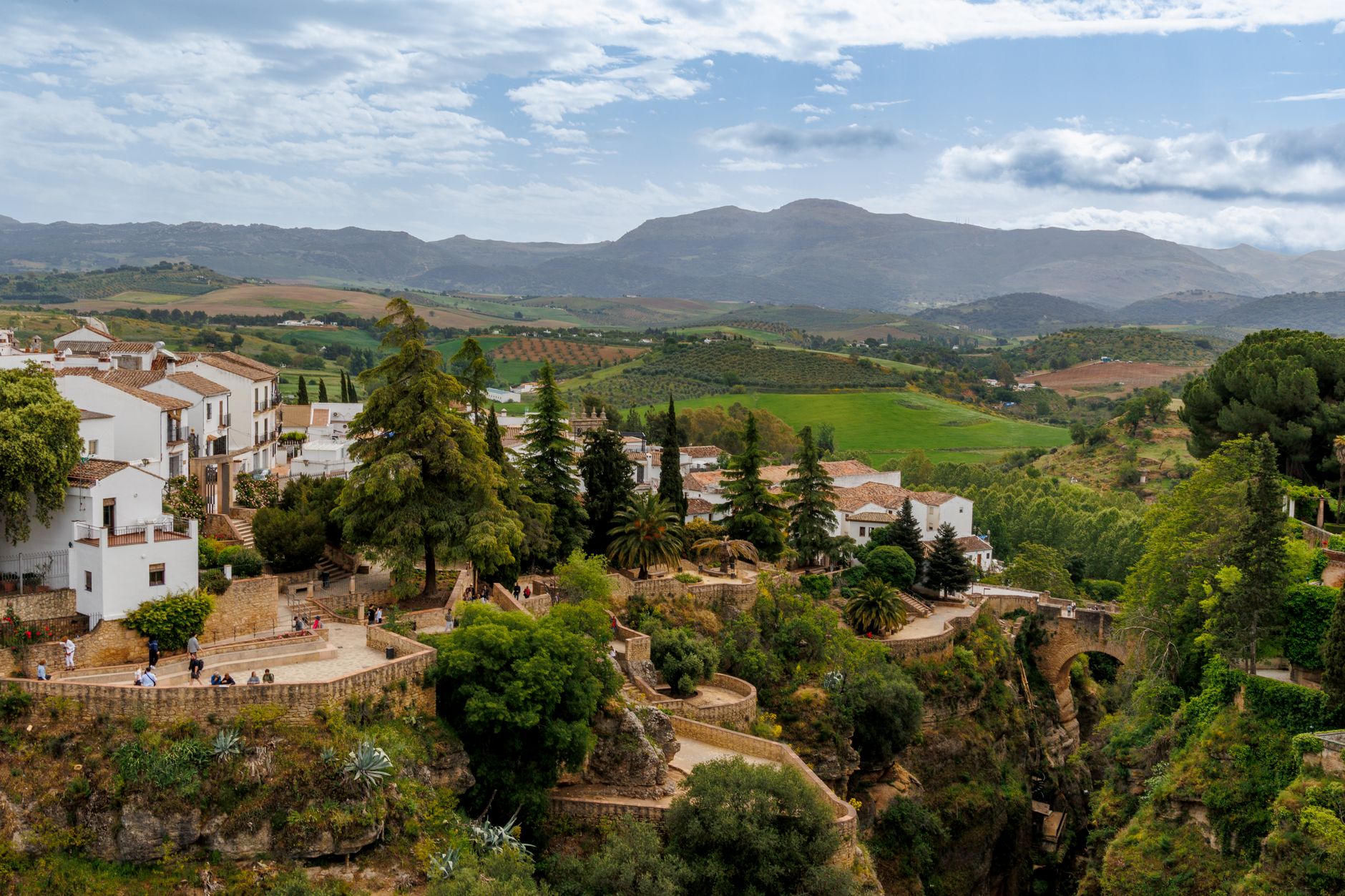
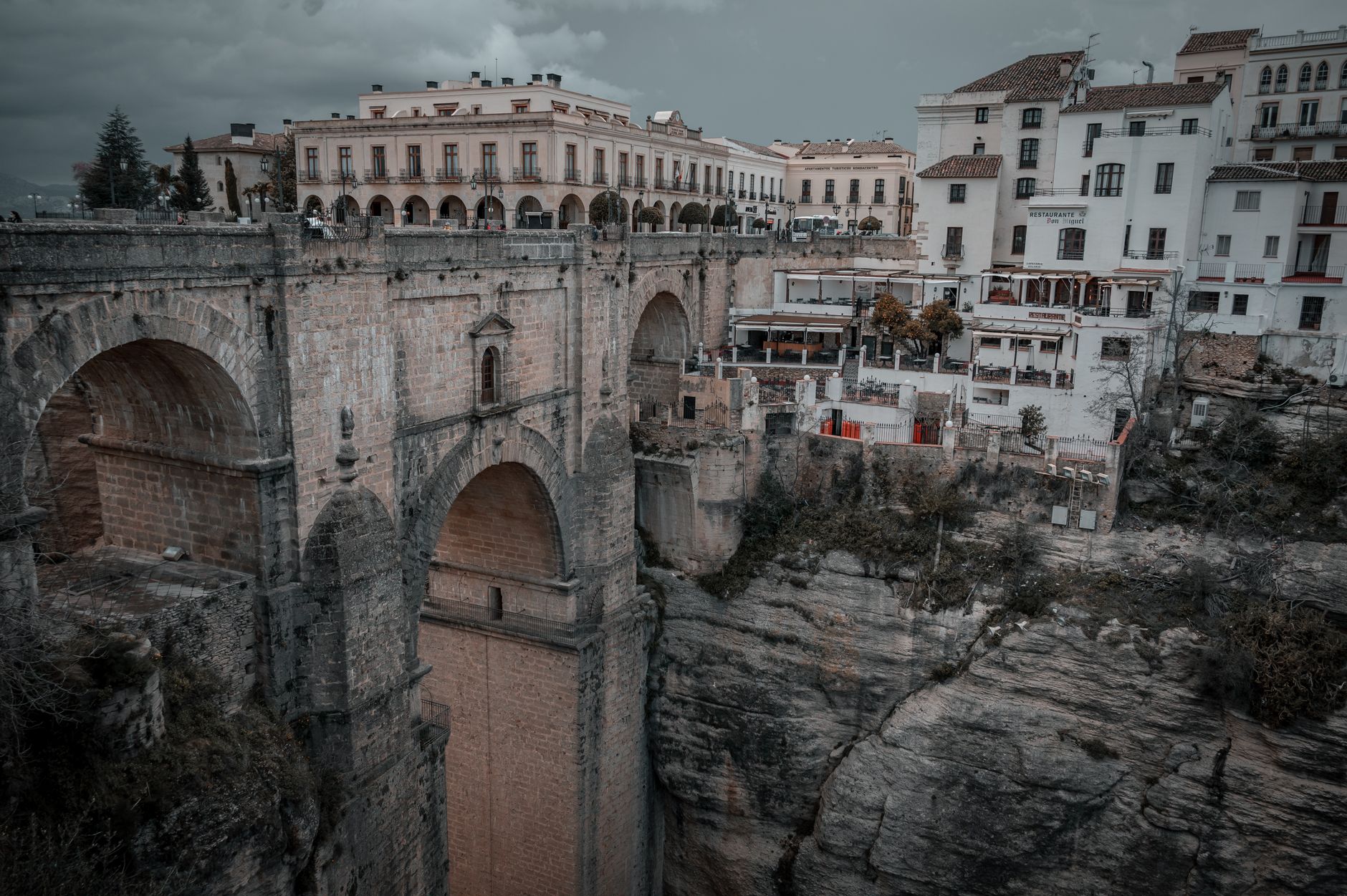
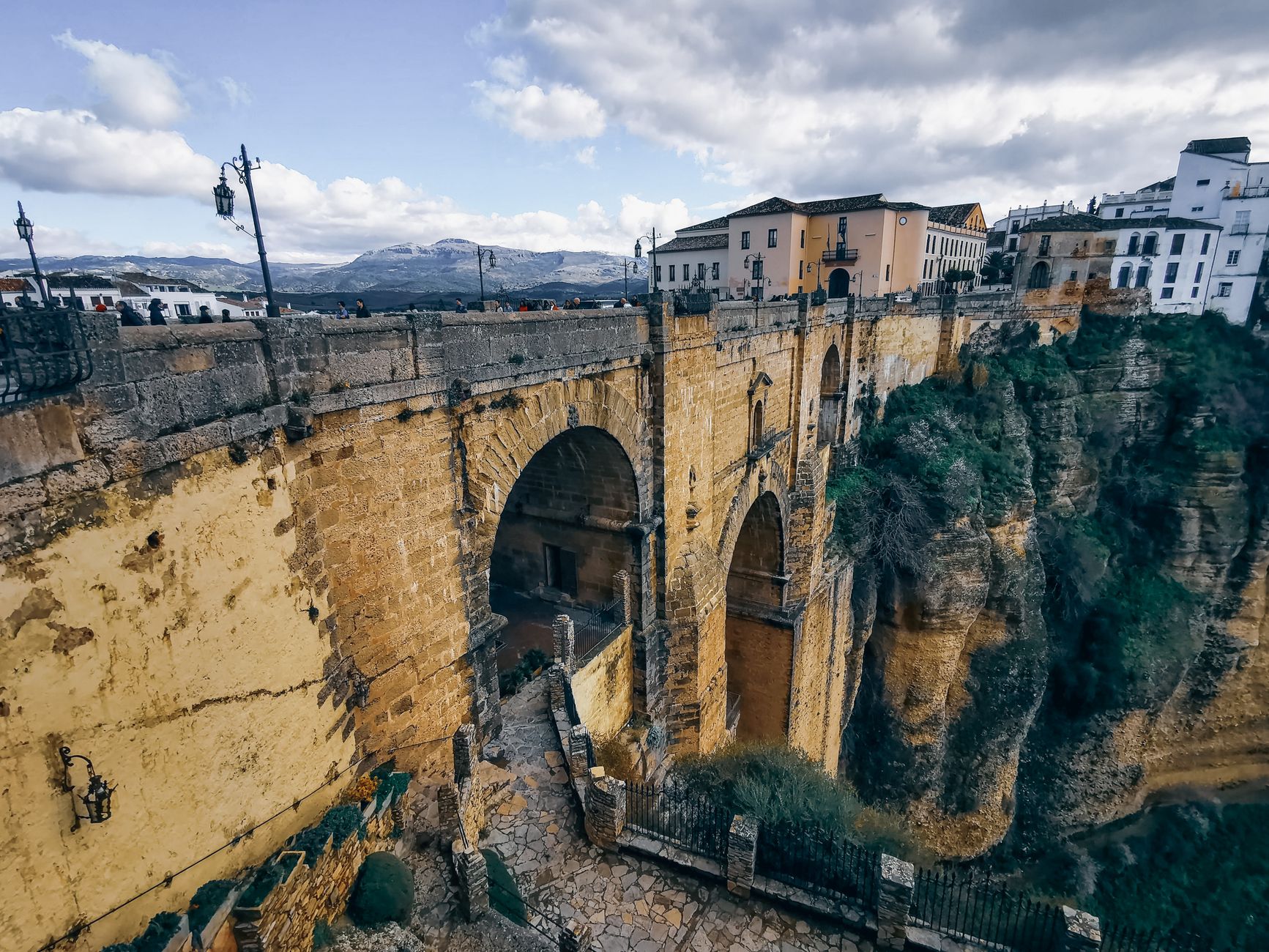
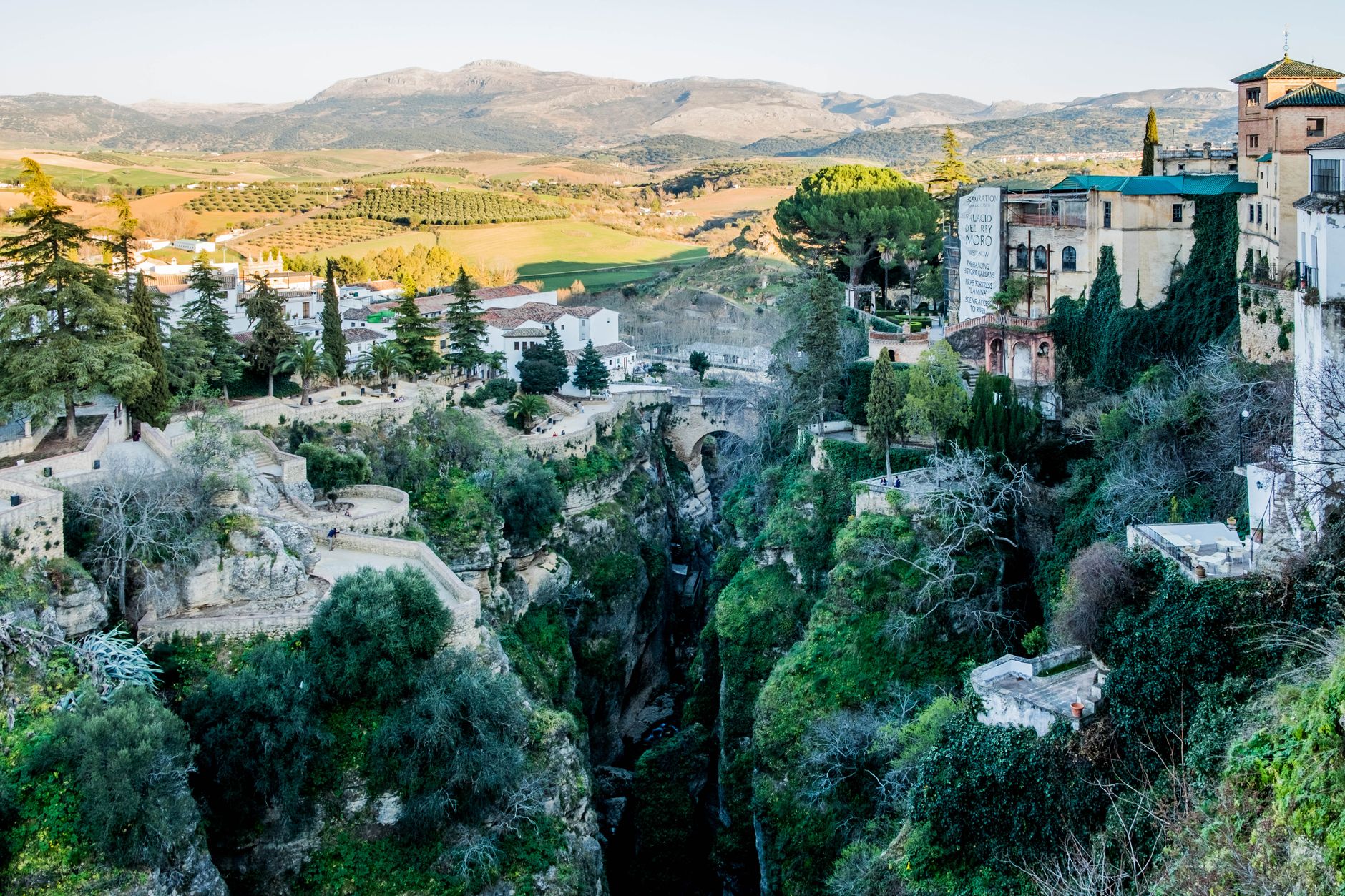
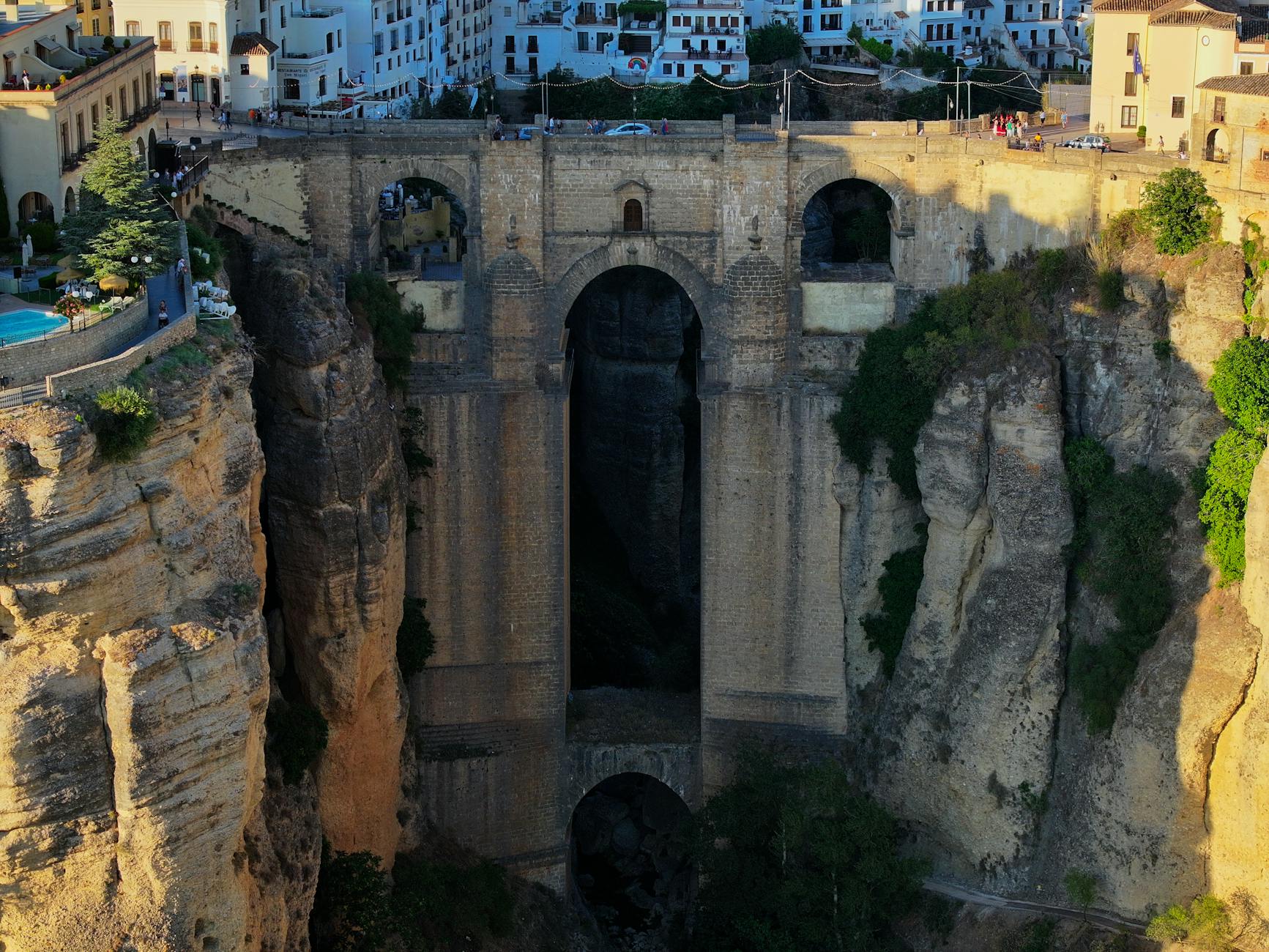
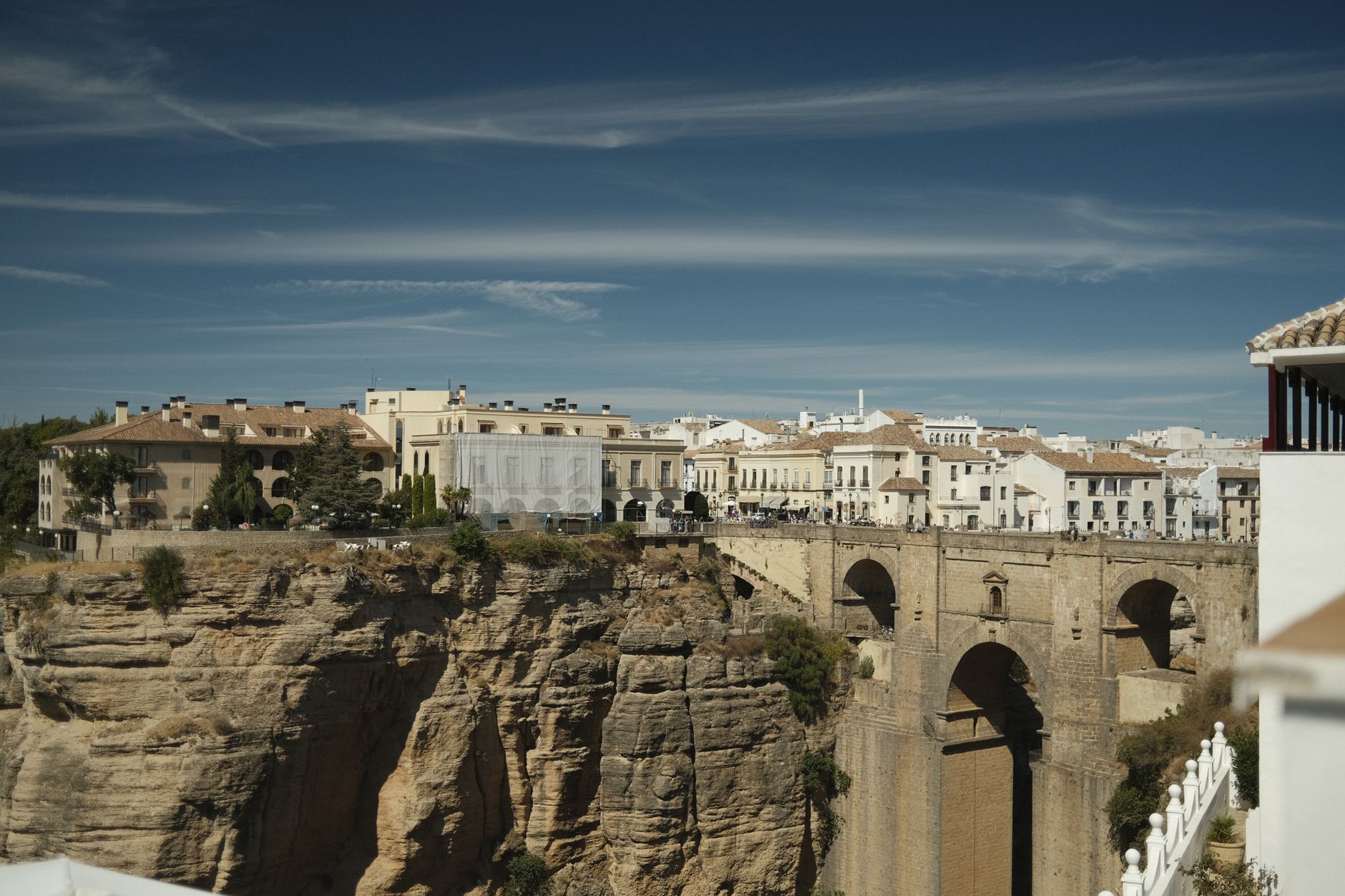
Ronda sits on a limestone plateau split clean in two by the El Tajo Gorge, a 120-metre crack in the earth that the Guadalevín River has been carving for longer than the city has had a name. The Puente Nuevo — despite its name, finished in 1793 after thirty-four years of construction — arches over that gap with a gravity that stops most people mid-step.
This is a city that rewards looking down as much as looking around. The gorge is everywhere: framing lanes, dropping away behind garden walls, appearing suddenly at the end of a street. The old town and the newer quarters are two distinct worlds connected by three bridges, each from a different century.
💛 What travellers fall for
People who come back tend to pay the €3 to enter the chamber inside the Puente Nuevo's central arch — it was a prison once, and the stone is thick with that history. They also tend to find a table with a gorge view around dusk, when the light on the rock face changes faster than you expect.
Experiences you don't want to miss


Deals in Ronda
Book directly at the provider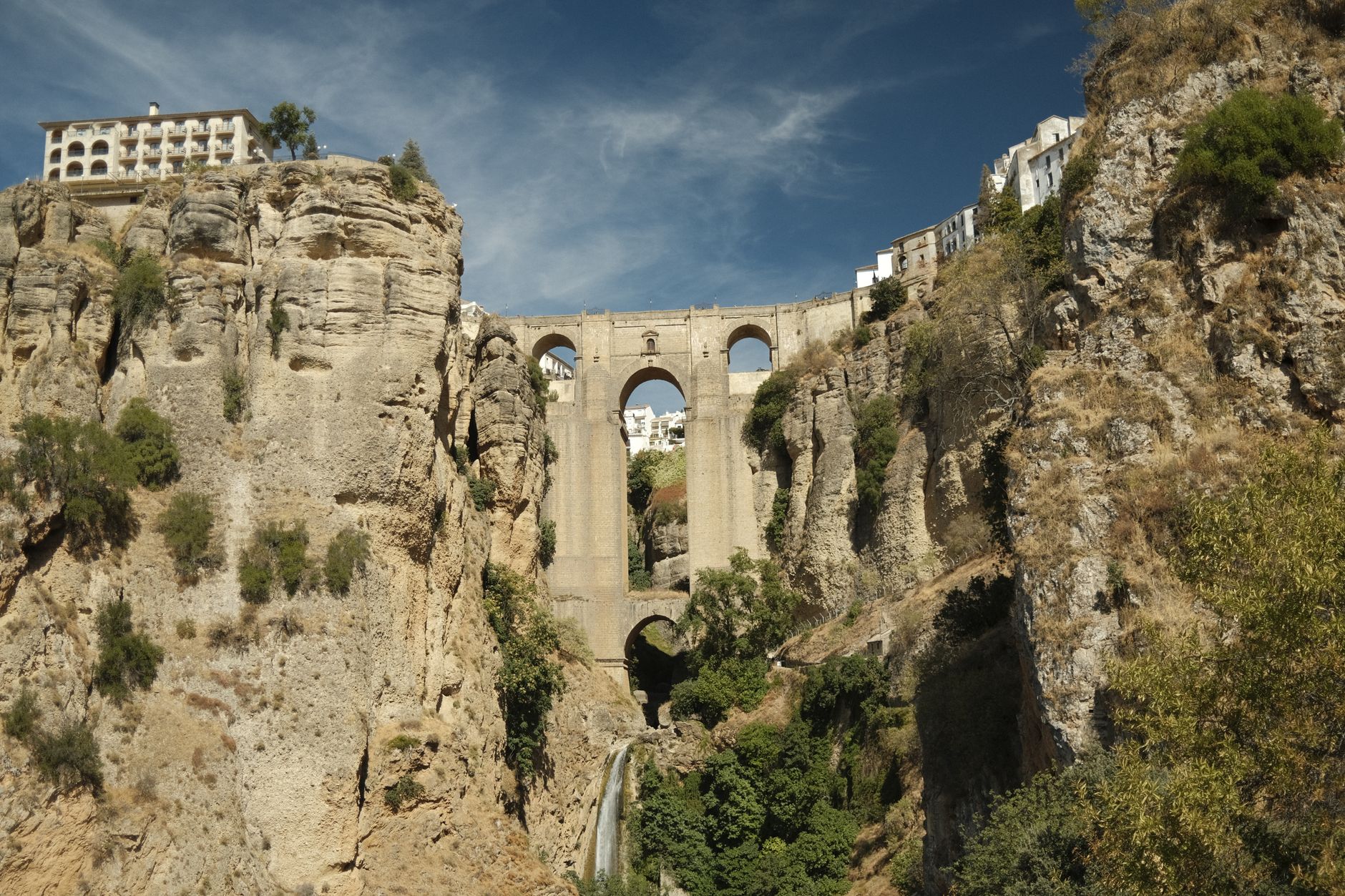

How Ronda came to be
People have been stopping on this plateau since the Neolithic period, drawn by the defensible position above the gorge. A Celtic settlement called Arunda preceded the Romans, who arrived during the Second Punic War in the late 3rd century BC and built a fortified position here. Berber forces took the city in 711, and under Islamic rule Ronda became the capital of its own taifa — an independent kingdom that emerged after the Caliphate of Córdoba broke apart.
King Ferdinand's forces entered on May 22, 1485, and the Christian city that followed built churches, a palace at Mondragón, and eventually — after a first bridge collapsed in 1735 and killed fifty people — commissioned the Puente Nuevo. Architect José Martín de Aldehuela and chief builder Juan Antonio Díaz Machuca spent thirty-four years on it. Pedro Romero Martínez, born here in 1754, was codifying the rules of modern bullfighting around the same time the bridge was being finished; his name still runs through the city like a second river.
Who and what shaped it
People who shaped it
Landmark buildings
See Ronda in motion
Plan your visit
On the map
When to go
Summers are warm, dry and largely cloudless — the plateau heat is real by midday, and shade matters. Winters are long and genuinely cold, sometimes with frost; spring and early autumn are the most comfortable seasons for walking the gorge paths and the old town's stone streets.
Right now
Background & history adapted from Wikipedia (CC BY-SA) · specs from Wikidata (CC0) · weather from Open-Meteo · map data © OpenStreetMap contributors · photos from Wikimedia Commons / Unsplash with per-image credit. No third-party reviews or social posts reproduced.