
Jaén
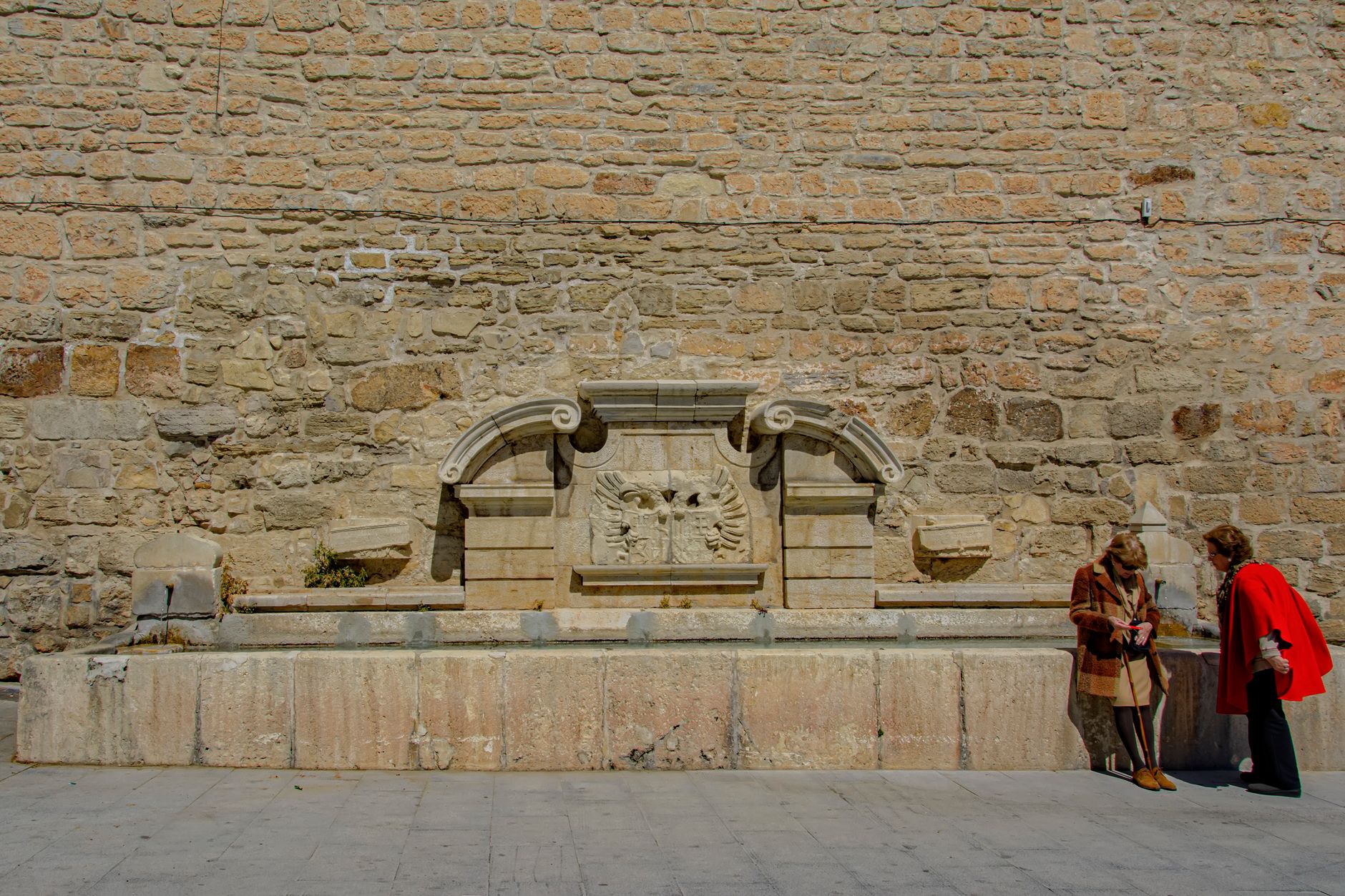
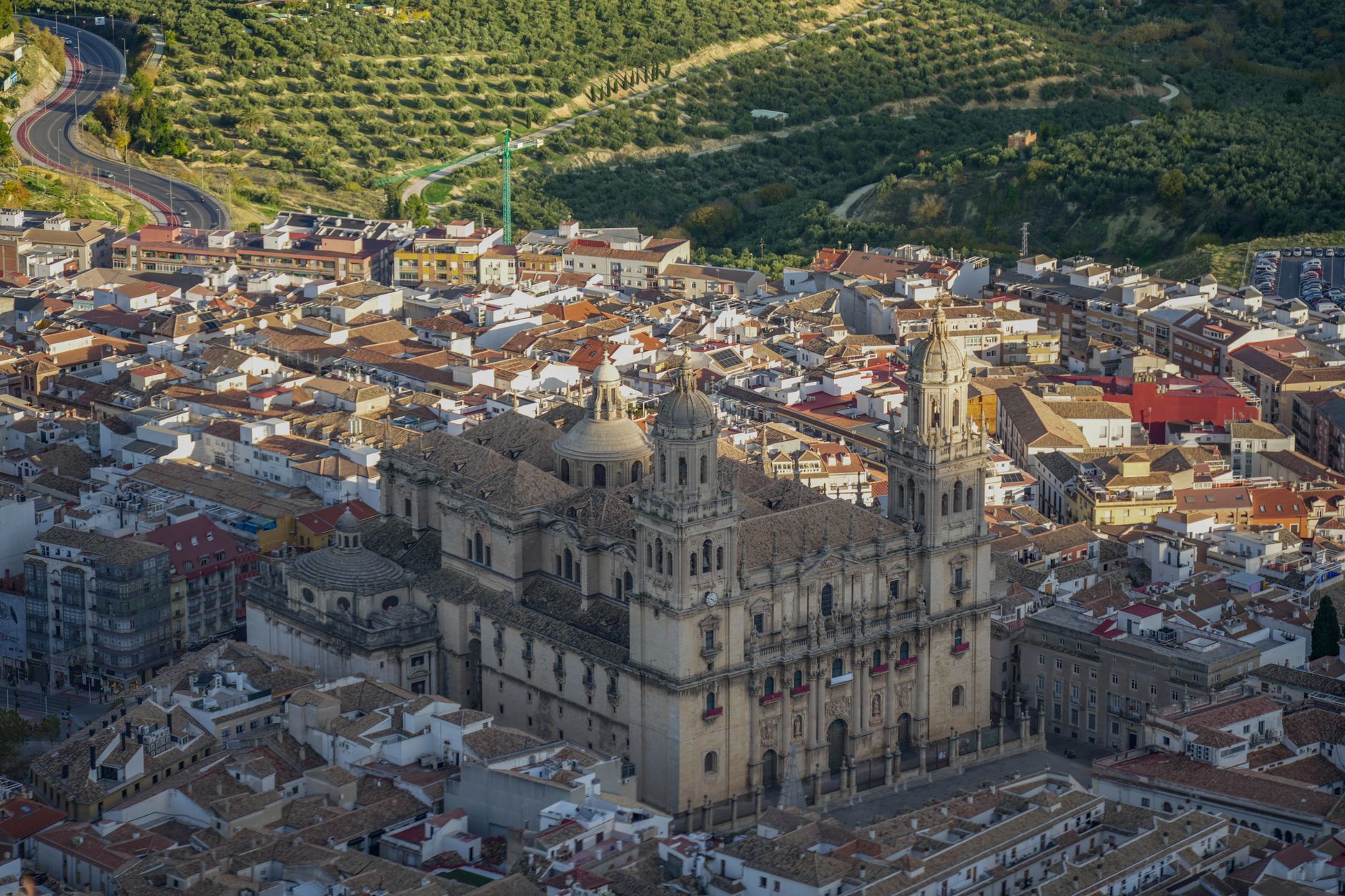
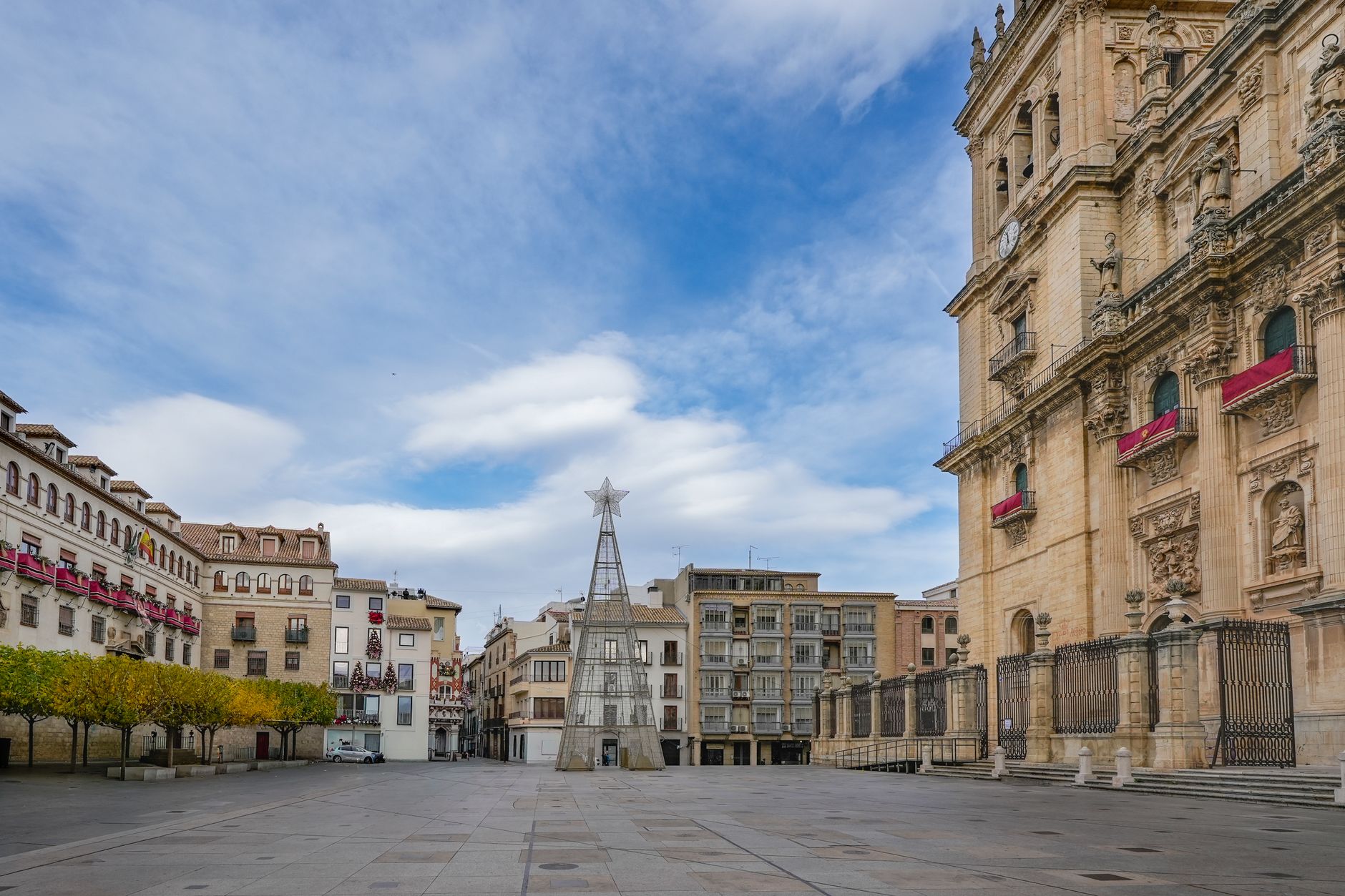
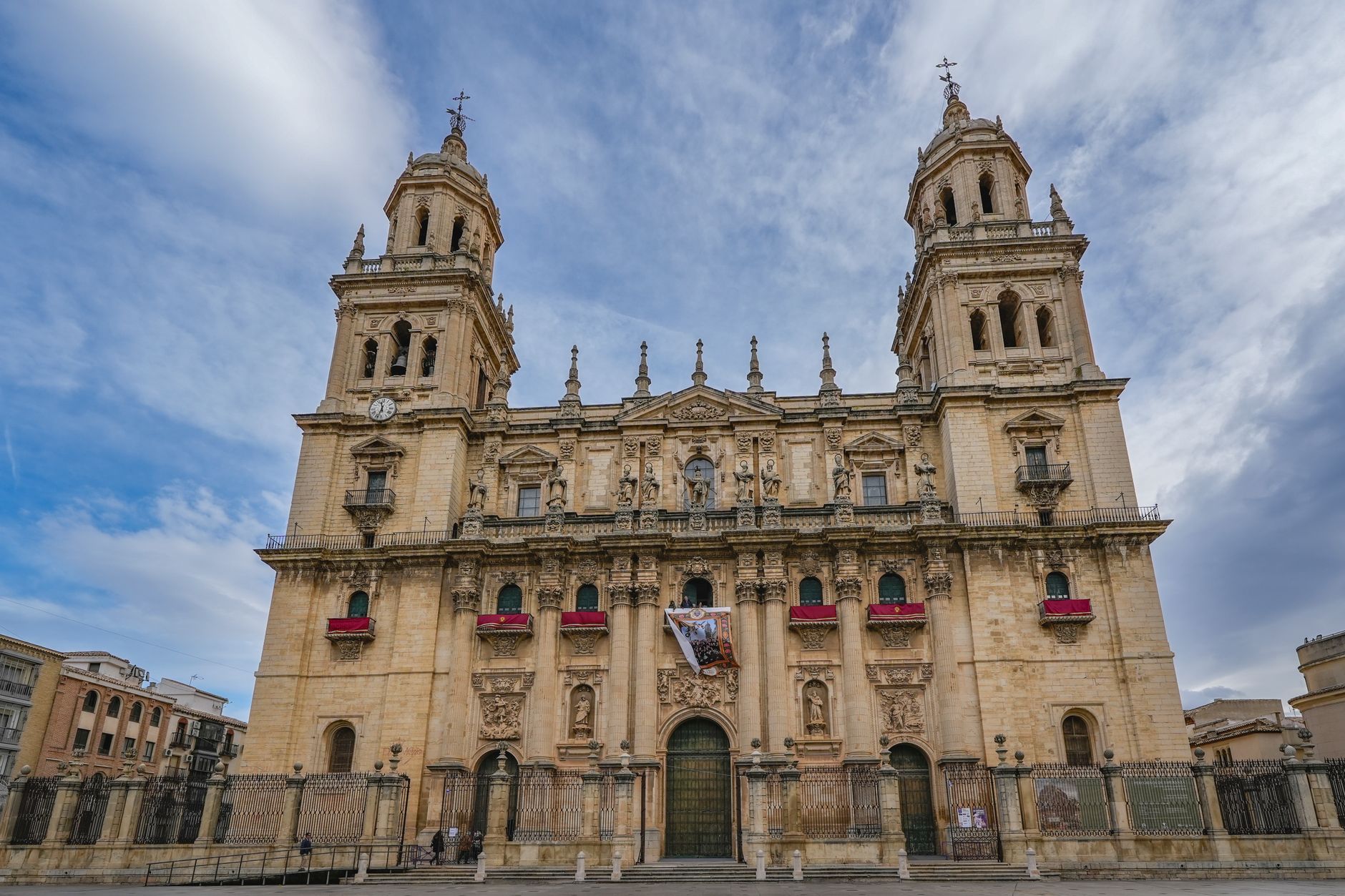
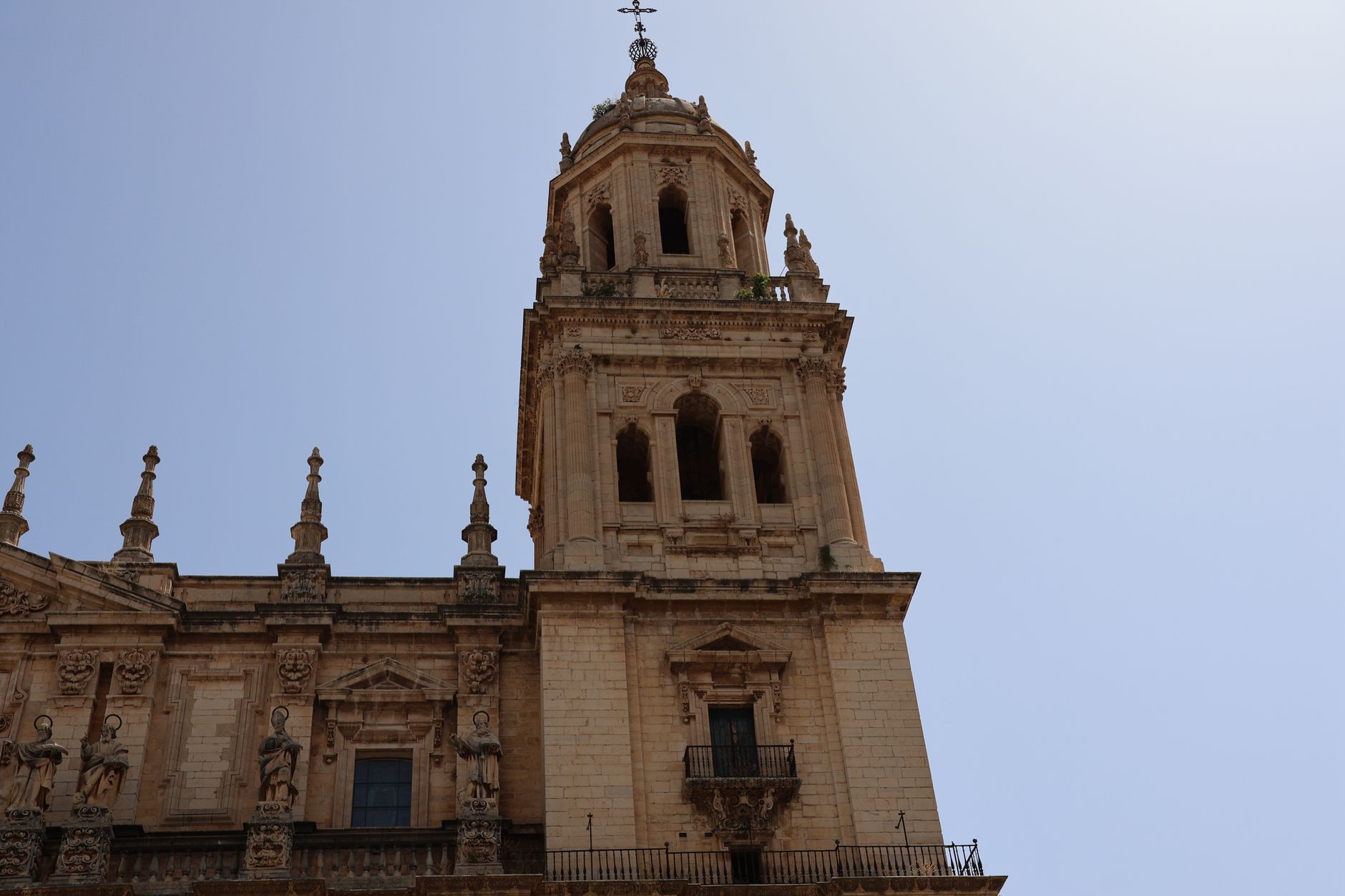
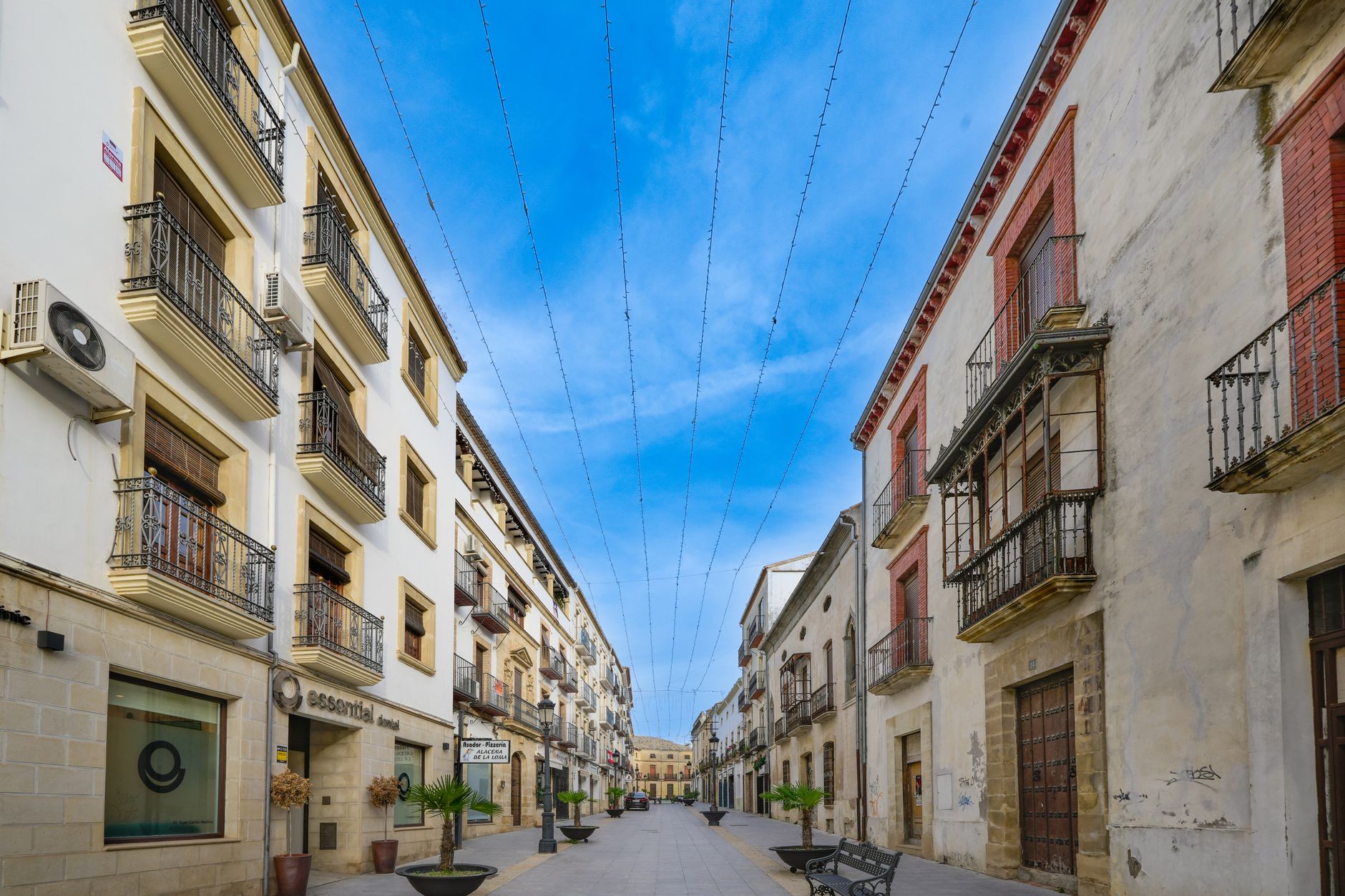
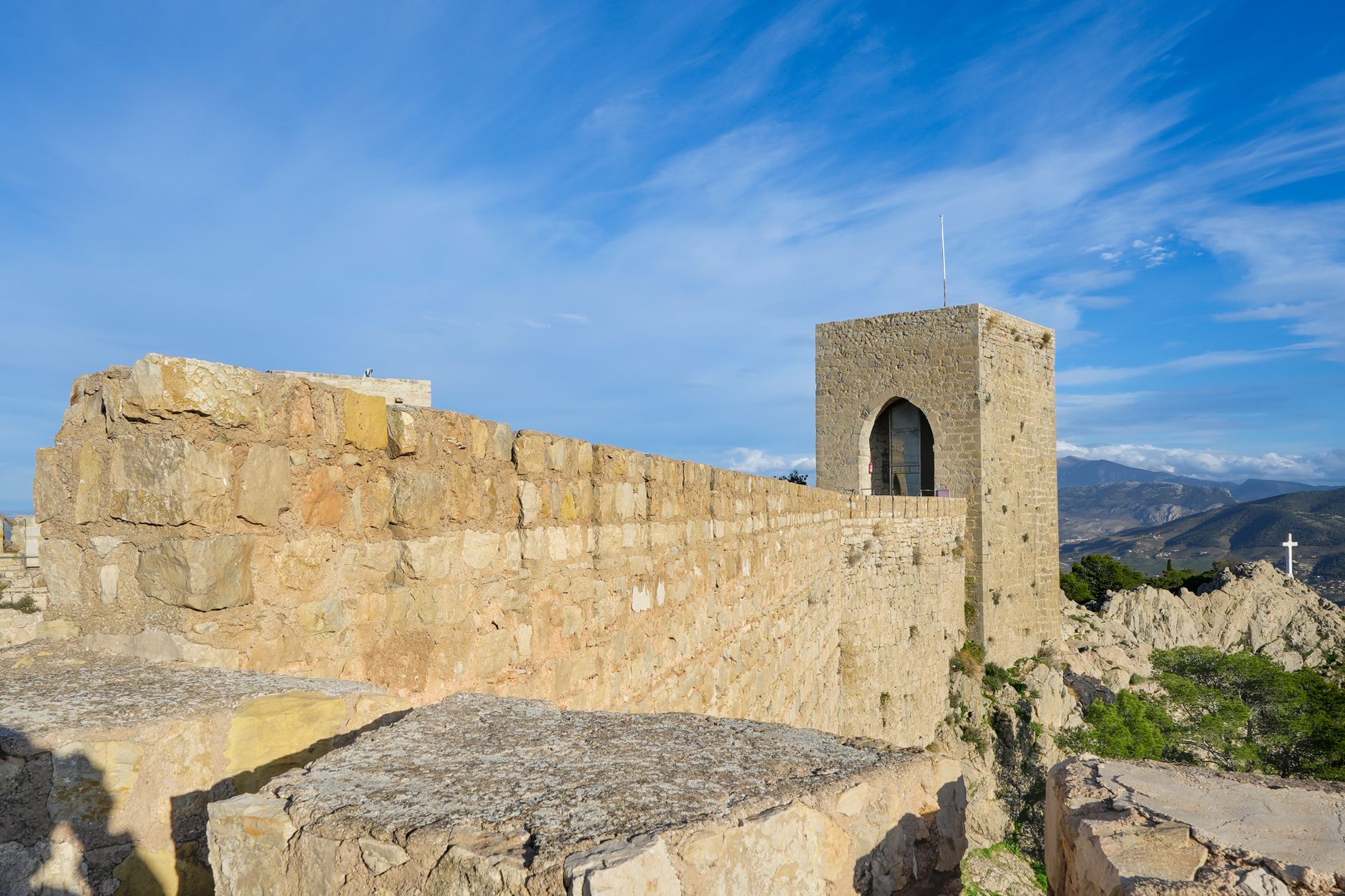
Stand in front of Jaén's cathedral and look up: two towers, each 68 metres tall, and a Baroque façade that took the better part of a century to finish. The city behind it is quieter than most of Andalusia — fewer tourists, more olive groves visible from the hilltops, and a castle on Mount Catalina that a Moorish garrison once held and French troops later converted into a field hospital.
Jaén sits at the edge of the world's largest olive-oil producing region, and that fact shapes everything from the economy to the smell of the air in October. It's a working provincial capital that has been a frontier town for most of its history — Roman, Moorish, Reconquista, Civil War — and the layers are still visible if you know where to look.
💛 What travellers fall for
People who come back tend to mention the Arab Baths — built in 1002 and among the largest Islamic bathhouses surviving in Spain, tucked beneath the Villardompardo Palace. Go on a weekday morning when the Tue–Fri opening from 09:00 means you'll likely have the star-pierced vaulting almost to yourself.
Experiences you don't want to miss



Deals in Jaén
Book directly at the provider

How Jaén came to be
People have lived on the hill above modern Jaén since at least the 7th century BC, when Iberians settled at Puente Tablas and later moved their oppidum up to Santa Catalina Hill. Romans knew the city as Auringis; Scipio Africanus took it from the Carthaginians around 207 BC. Under Al-Andalus it became Jayyān, capital of a cora, and passed through Almoravid and Almohad hands before Ferdinand III of Castile conquered it in 1246, shifting the bishopric here from Baeza and making the city a centre of the Reconquista's southward push.
The cathedral that defines the skyline today was begun in the 16th century by architect Andrés de Vandelvira on the site of the old Aljama mosque; Eufrasio López de Rojas designed the façade in 1660, and the interior wasn't finished until 1724. The 20th century left harder marks: on 1 April 1937, Germany's Condor Legion bombed Jaén in retaliation for a Republican air raid on Córdoba, killing 159 people.
Who and what shaped it
People who shaped it
Landmark buildings
See Jaén in motion
Plan your visit
On the map
When to go
Summers in Jaén are long and dry, regularly exceeding 35°C — the city sits inland and the heat can be relentless from July through August. April, May, and October offer warm days without the extremes, and the olive harvest in autumn fills the surrounding countryside with activity.
Right now
Background & history adapted from Wikipedia (CC BY-SA) · specs from Wikidata (CC0) · weather from Open-Meteo · map data © OpenStreetMap contributors · photos from Wikimedia Commons / Unsplash with per-image credit. No third-party reviews or social posts reproduced.