
Extremadura
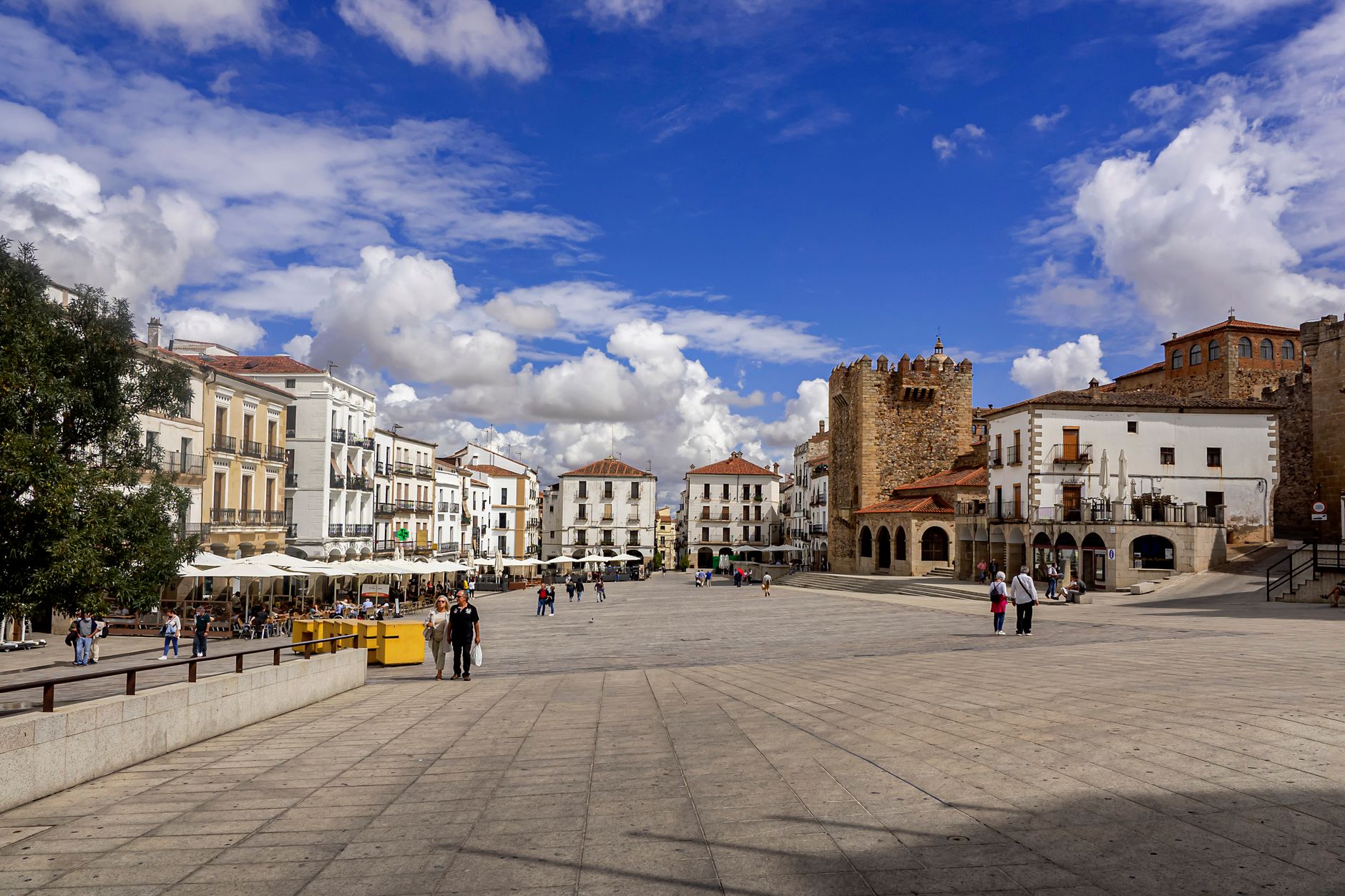
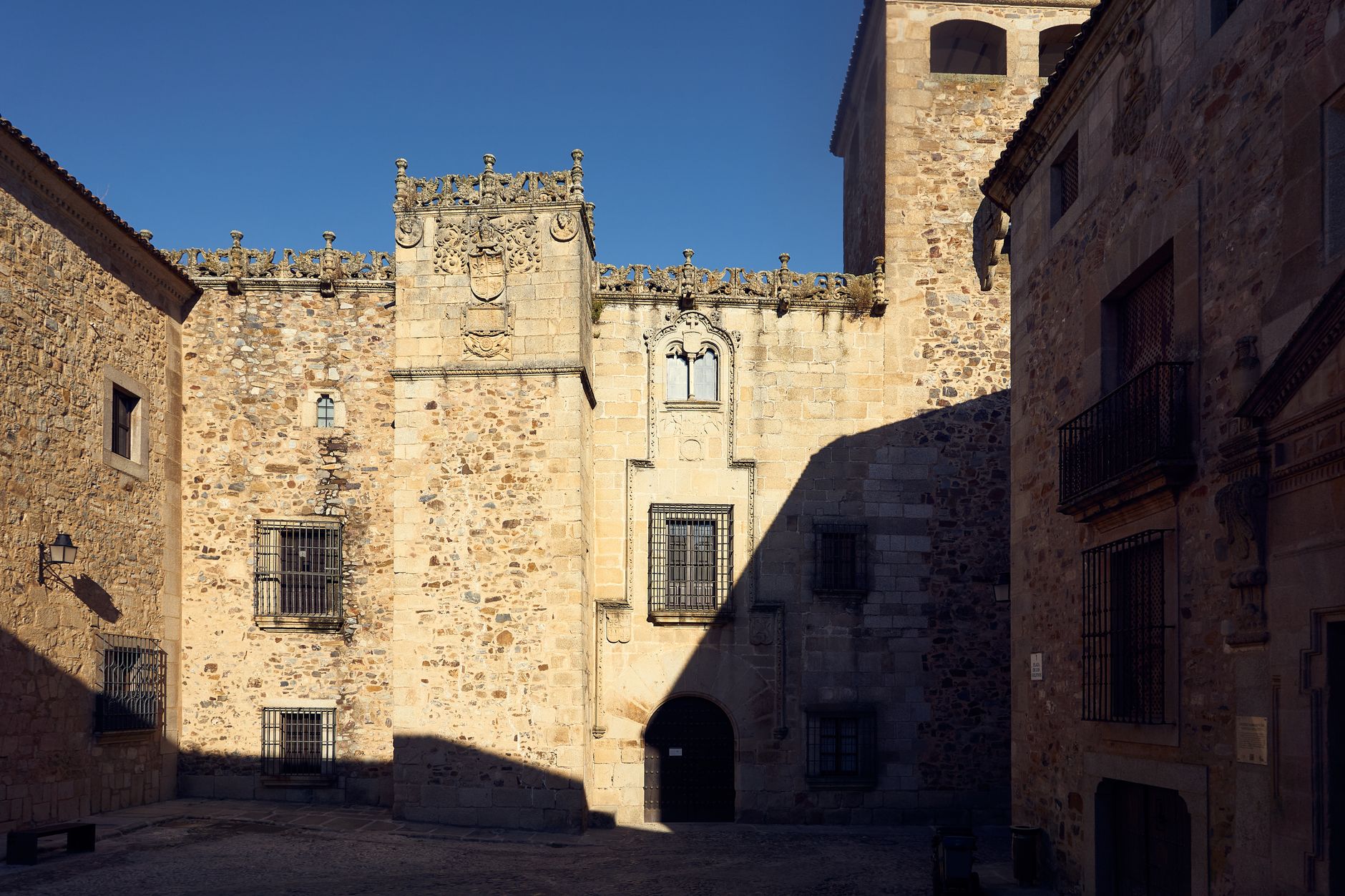
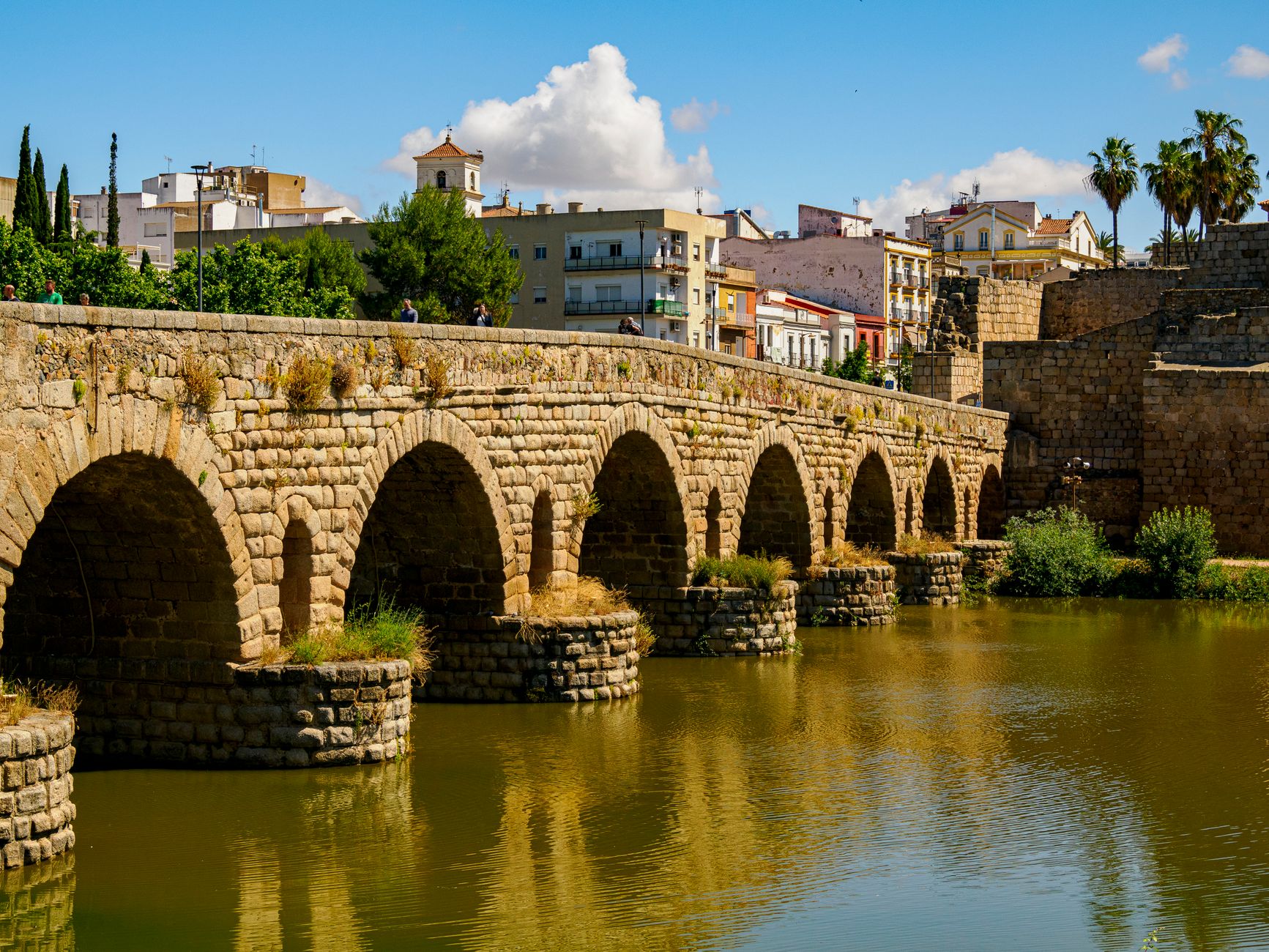
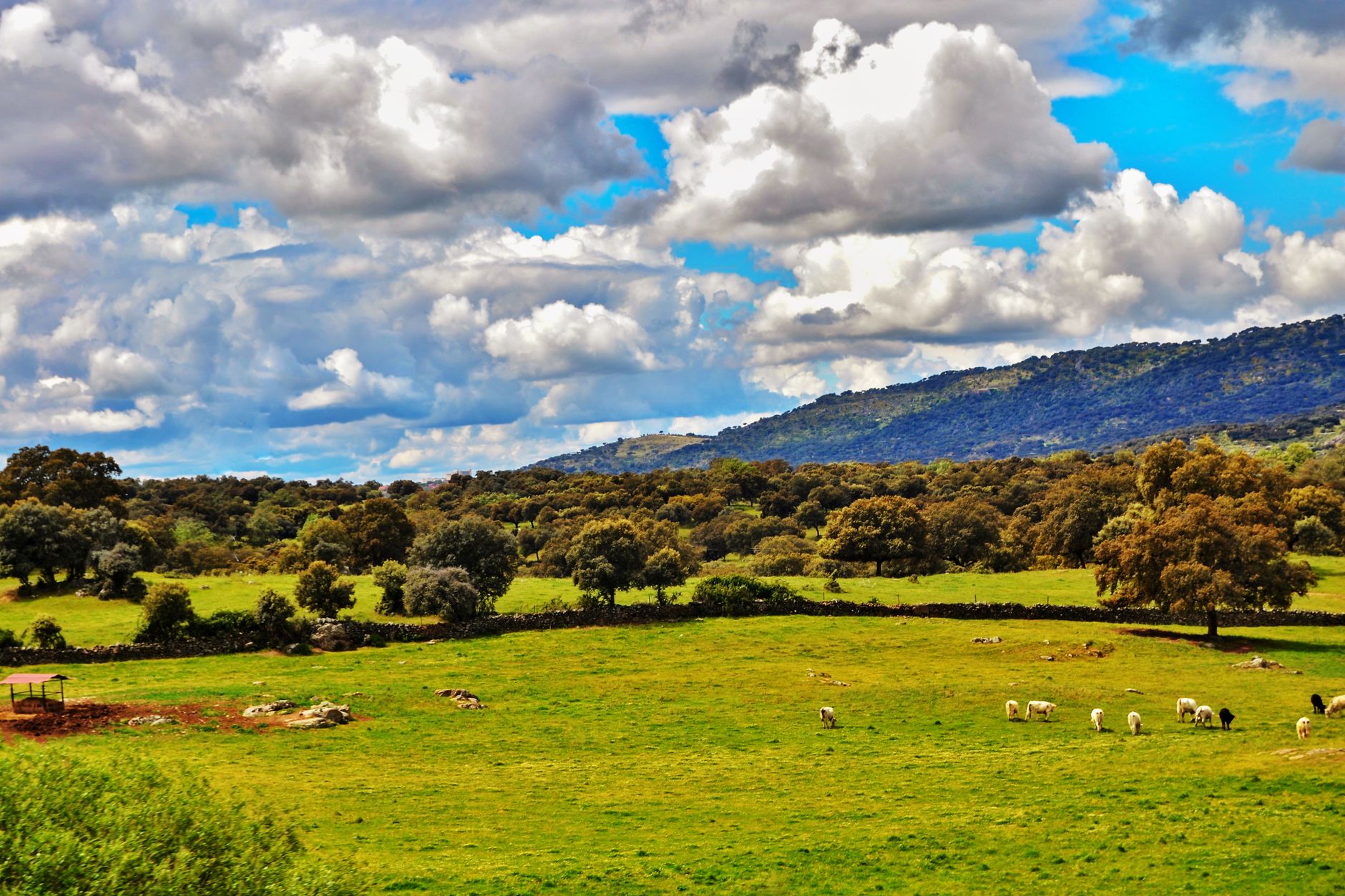
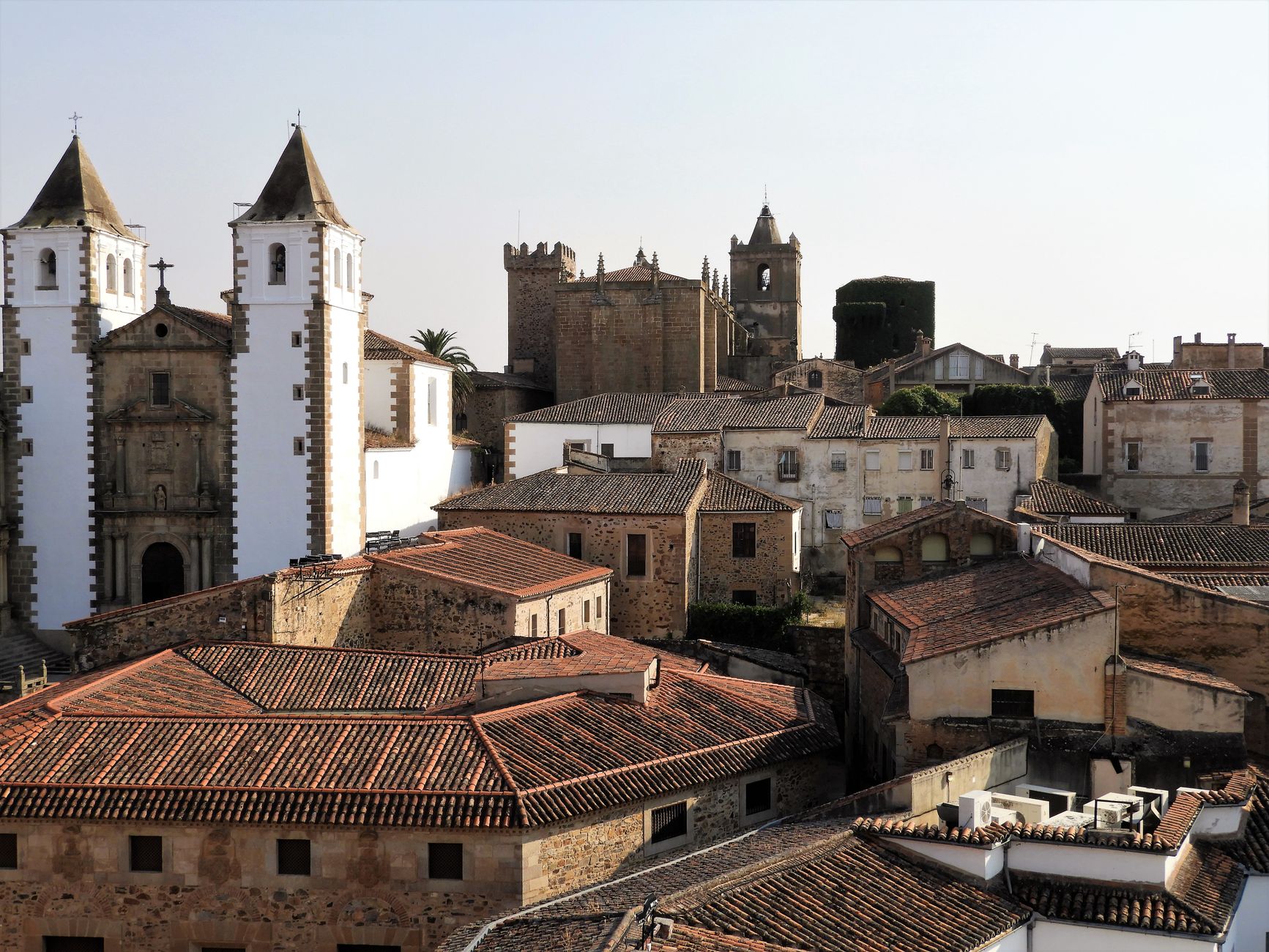
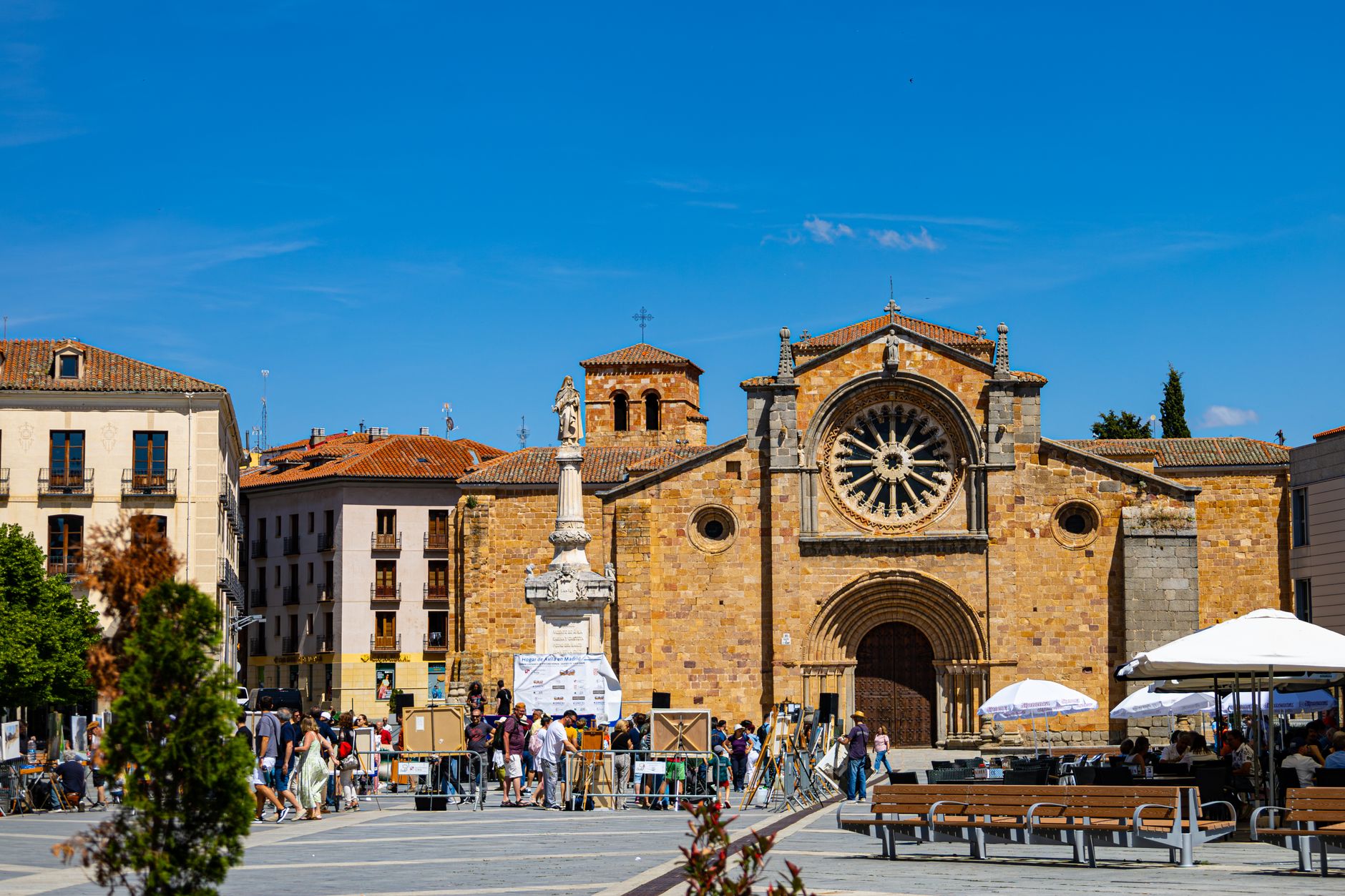
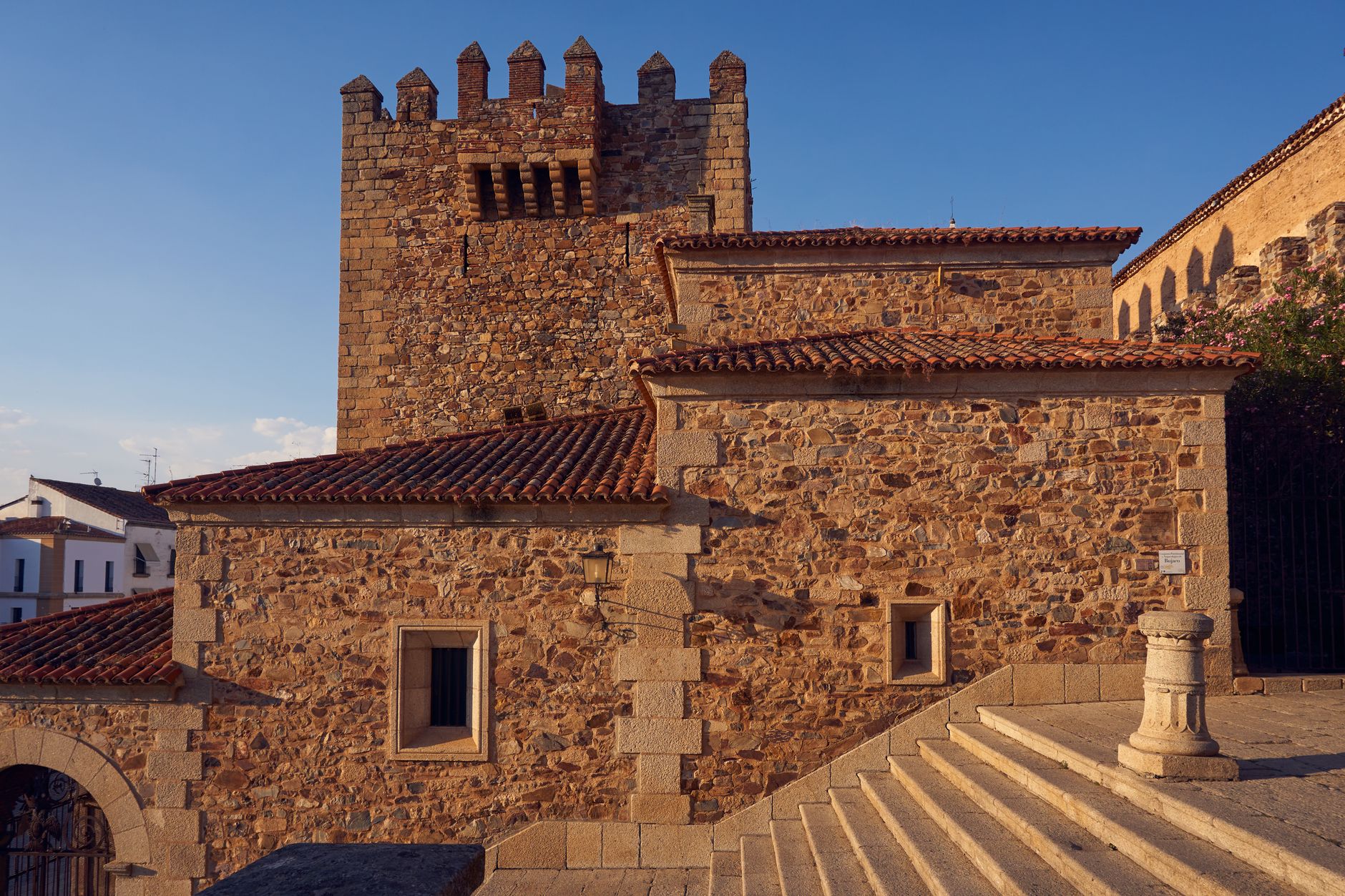
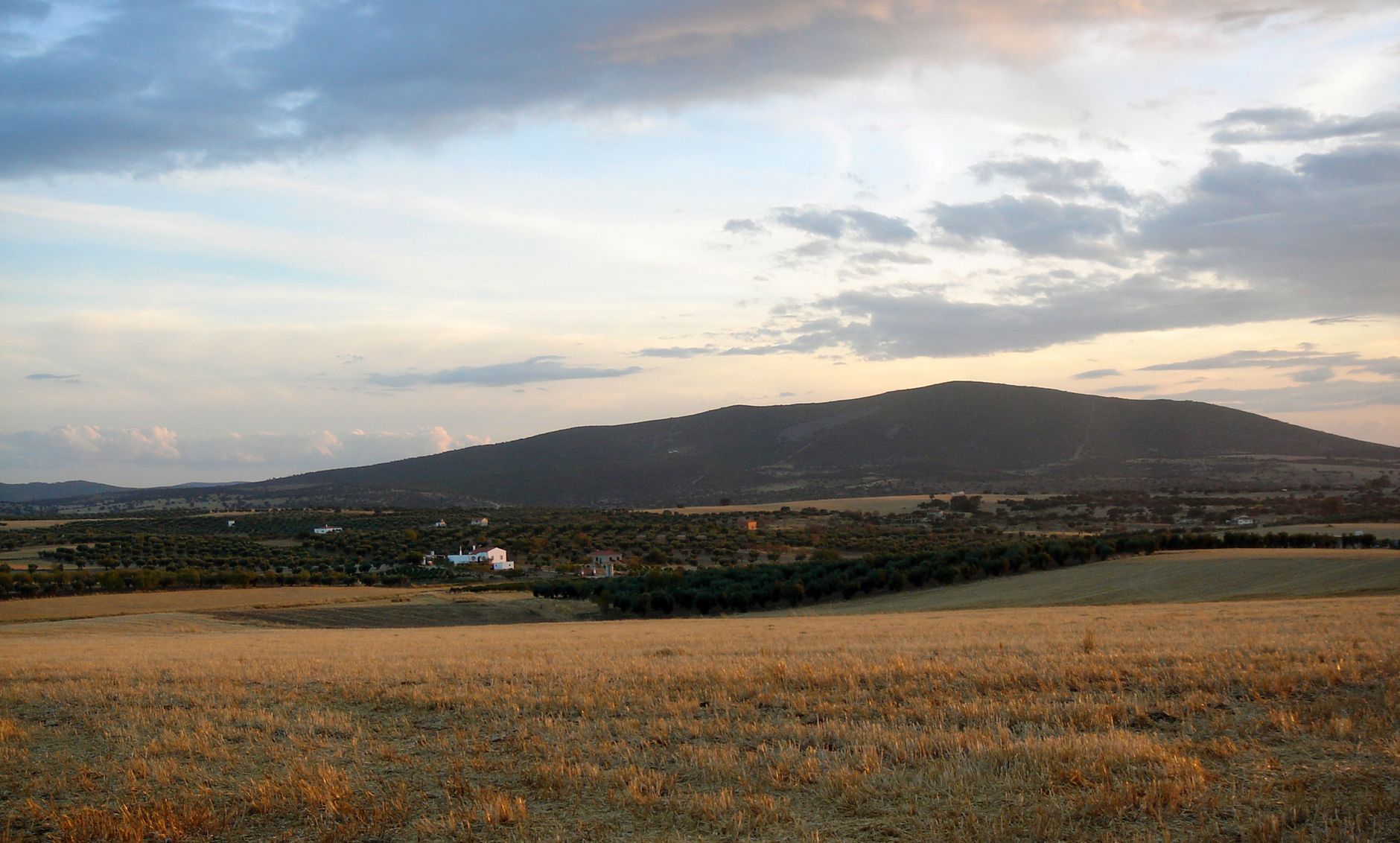
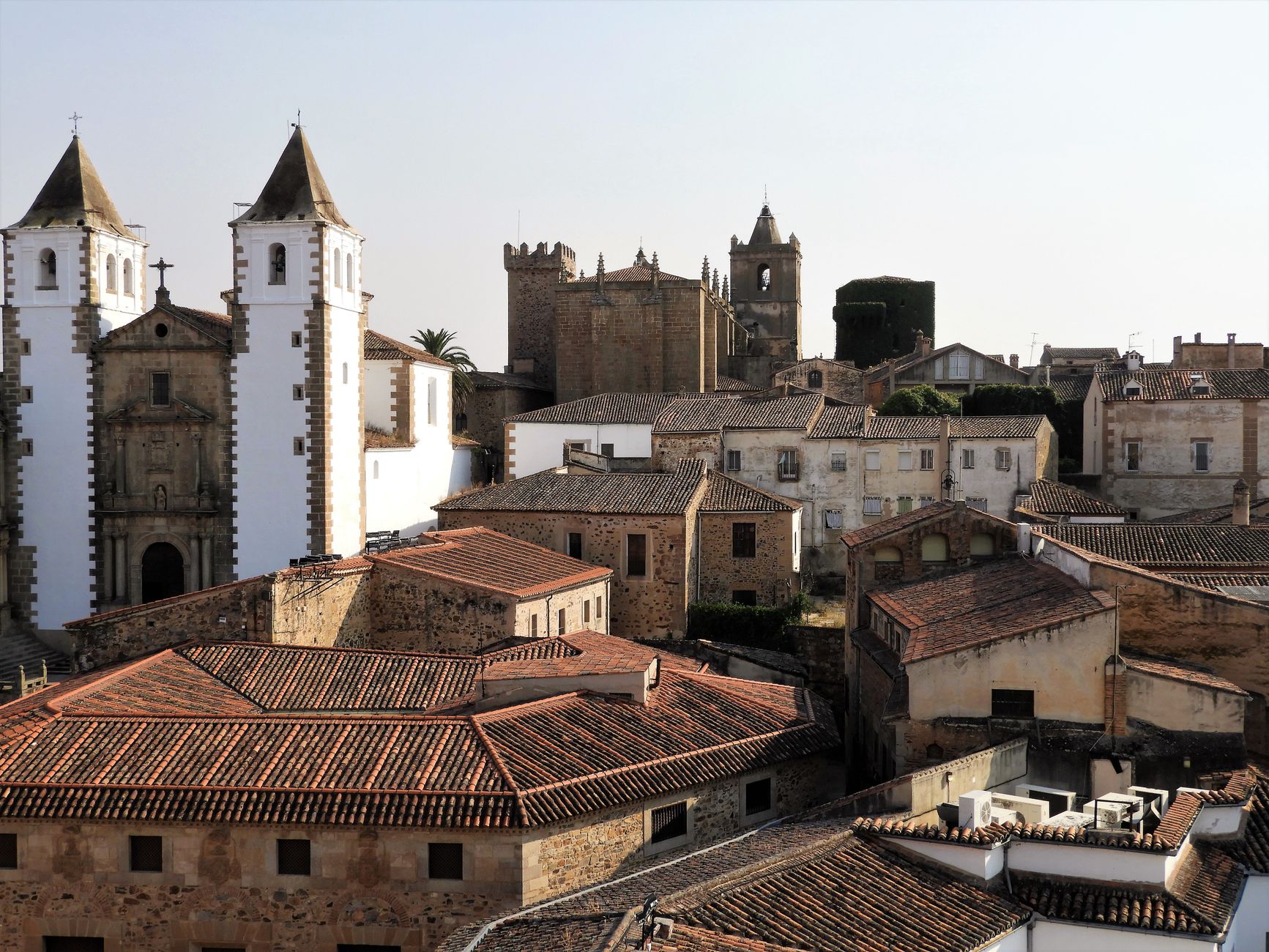
Extremadura is where the Roman Empire left some of its most intact evidence — a theatre still staging plays in Mérida, a six-arched bridge over the Tagus at Alcántara, an aqueduct standing in open farmland as if the engineers only just left. This is the far west of Spain's interior, a wide, sun-bleached plateau of cork oak and black pigs, where the population thinned so dramatically in the second half of the twentieth century that whole villages were left to quiet.
It is also the land that produced Hernán Cortés, Francisco Pizarro, and Vasco Núñez de Balboa — men from places like Medellín and Trujillo who went on to reshape the Americas. That weight of history sits lightly here, in market squares and monastery courtyards, if you know where to look.
Popular cities in Extremadura
Experiences you don't want to miss


How Extremadura came to be
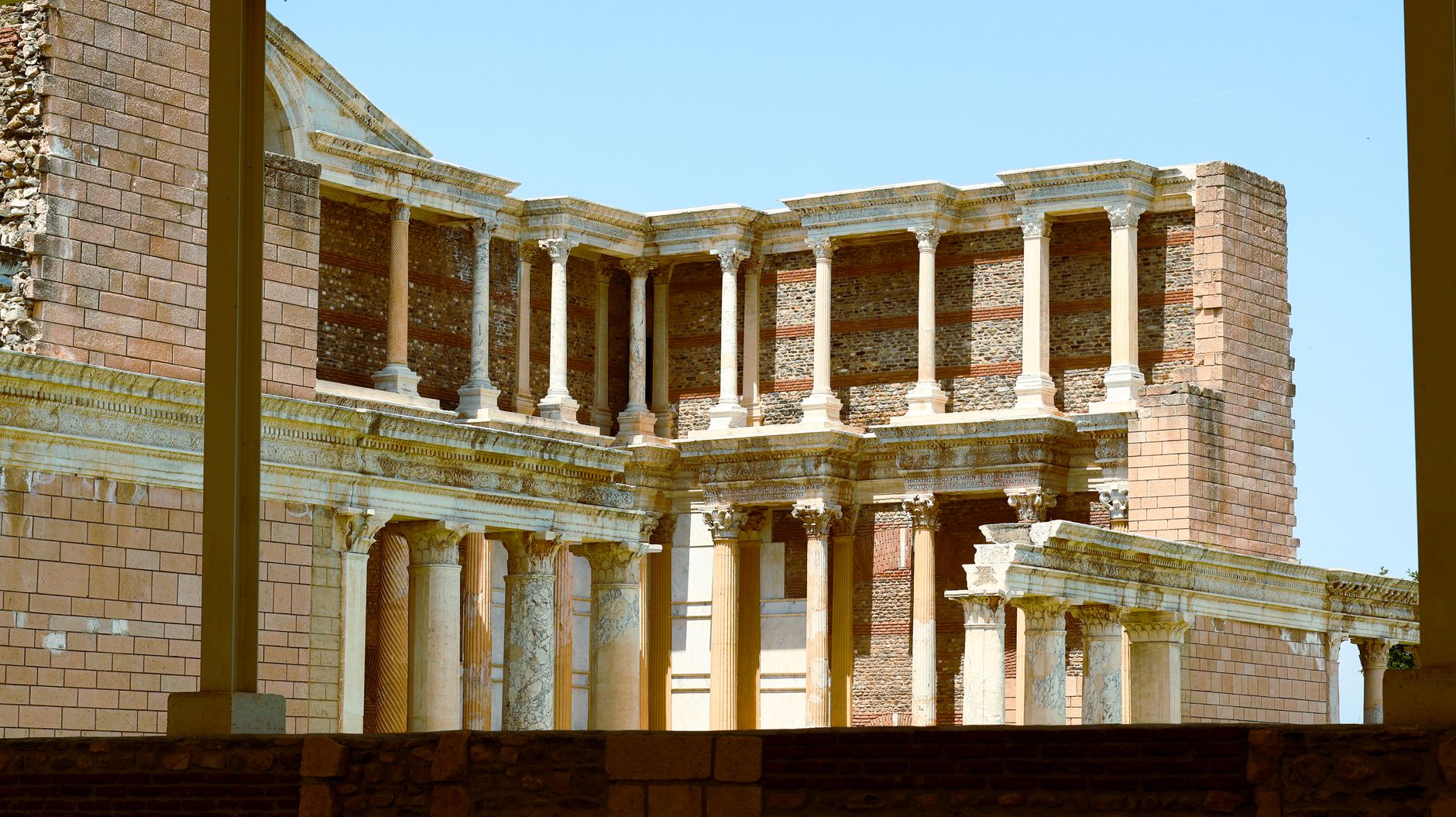
Romans founded Augusta Emerita in 25 BCE at a crossing on the Guadiana River, and it grew into the capital of the province of Lusitania — one of the empire's most significant western cities. The Umayyads arrived in the early eighth century; Christian reconquest followed over the next few centuries, completing by 1248. The name Extremadura itself recalls that in-between era: land beyond the frontier, a sparsely populated buffer zone.
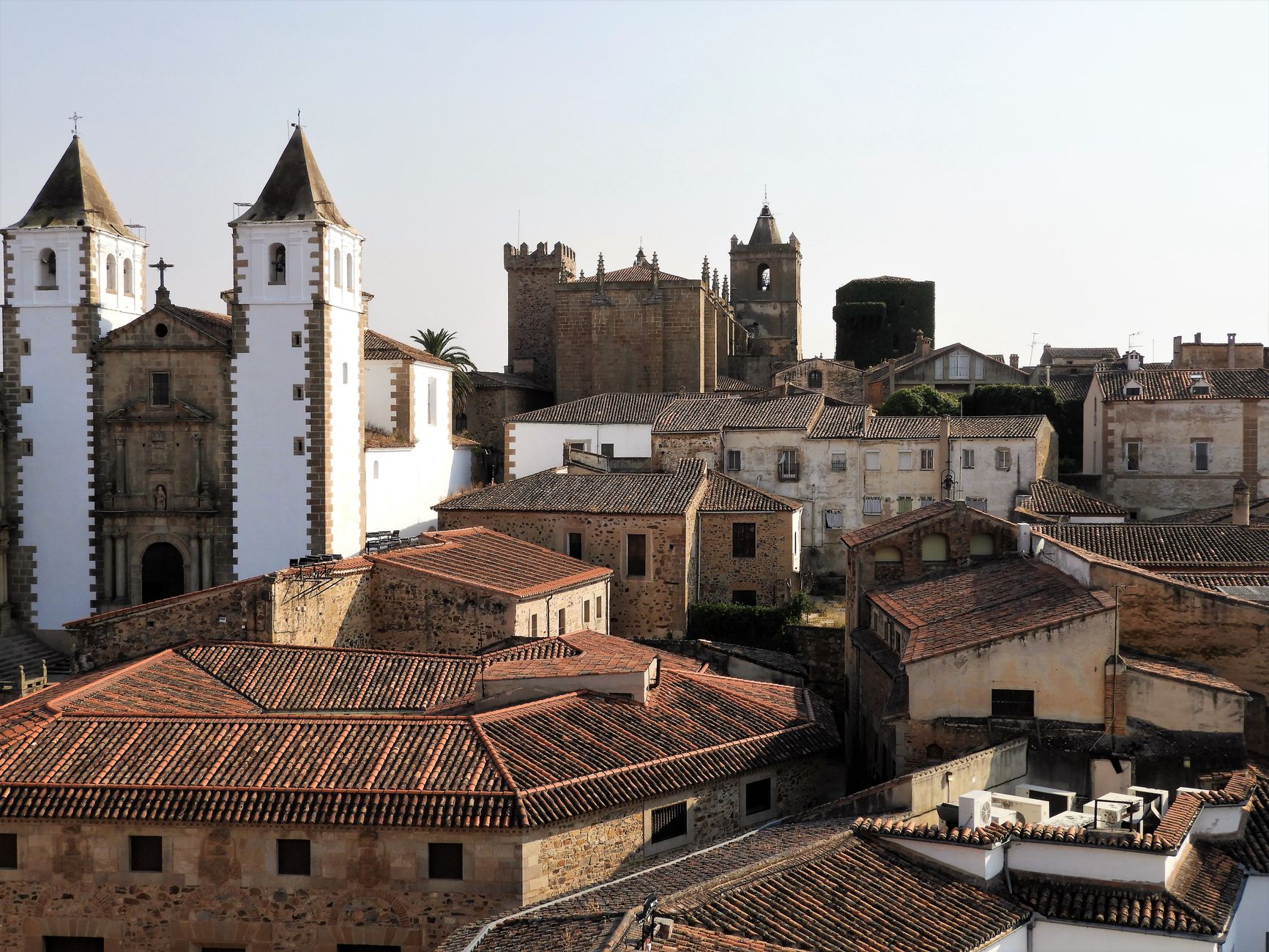
The sixteenth century sent a remarkable generation outward — Cortés from Medellín, Pizarro from Trujillo, Balboa from Jerez de los Caballeros — and the wealth that returned built churches and palaces across the region. Then, from the 1950s onward, Extremadura lost close to forty percent of its population to industrial Spain and northern Europe, a rural exodus that explains both its emptiness and its extraordinary state of preservation.
Who and what shaped it
People who shaped it
Landmark buildings
See Extremadura in motion
Plan your visit
On the map
When to go
Summers are long and genuinely hot — inland temperatures regularly climb well above 35°C — while winters are mild by day but can turn cold at night. Spring and early autumn are the most comfortable seasons for walking between ruins and old-town streets.
Right now
↡ Cities
No places match these filters.
Background & history adapted from Wikipedia (CC BY-SA) · specs from Wikidata (CC0) · weather from Open-Meteo · map data © OpenStreetMap contributors · photos from Wikimedia Commons / Unsplash with per-image credit. No third-party reviews or social posts reproduced.