
Jerez de los Caballeros
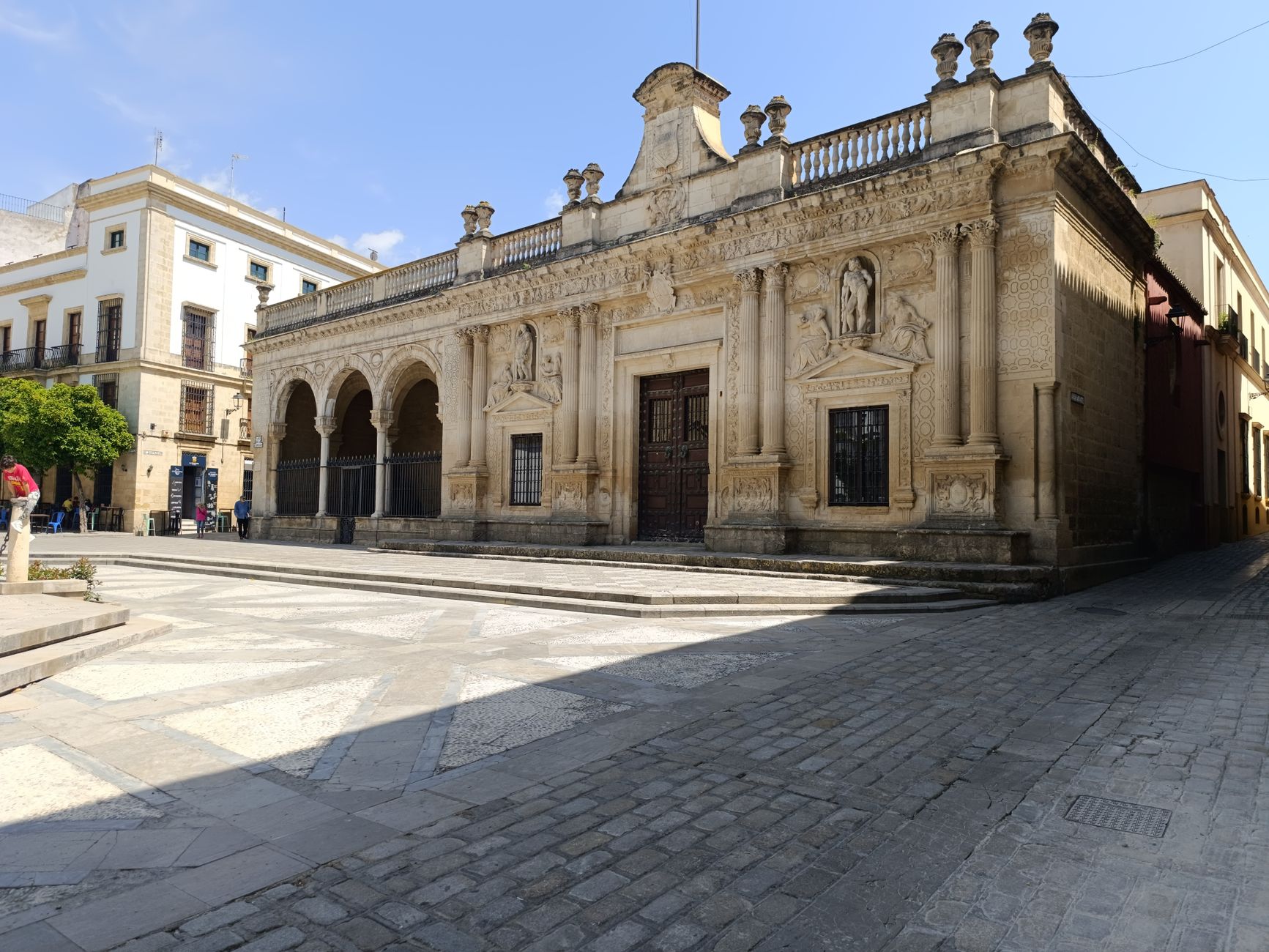
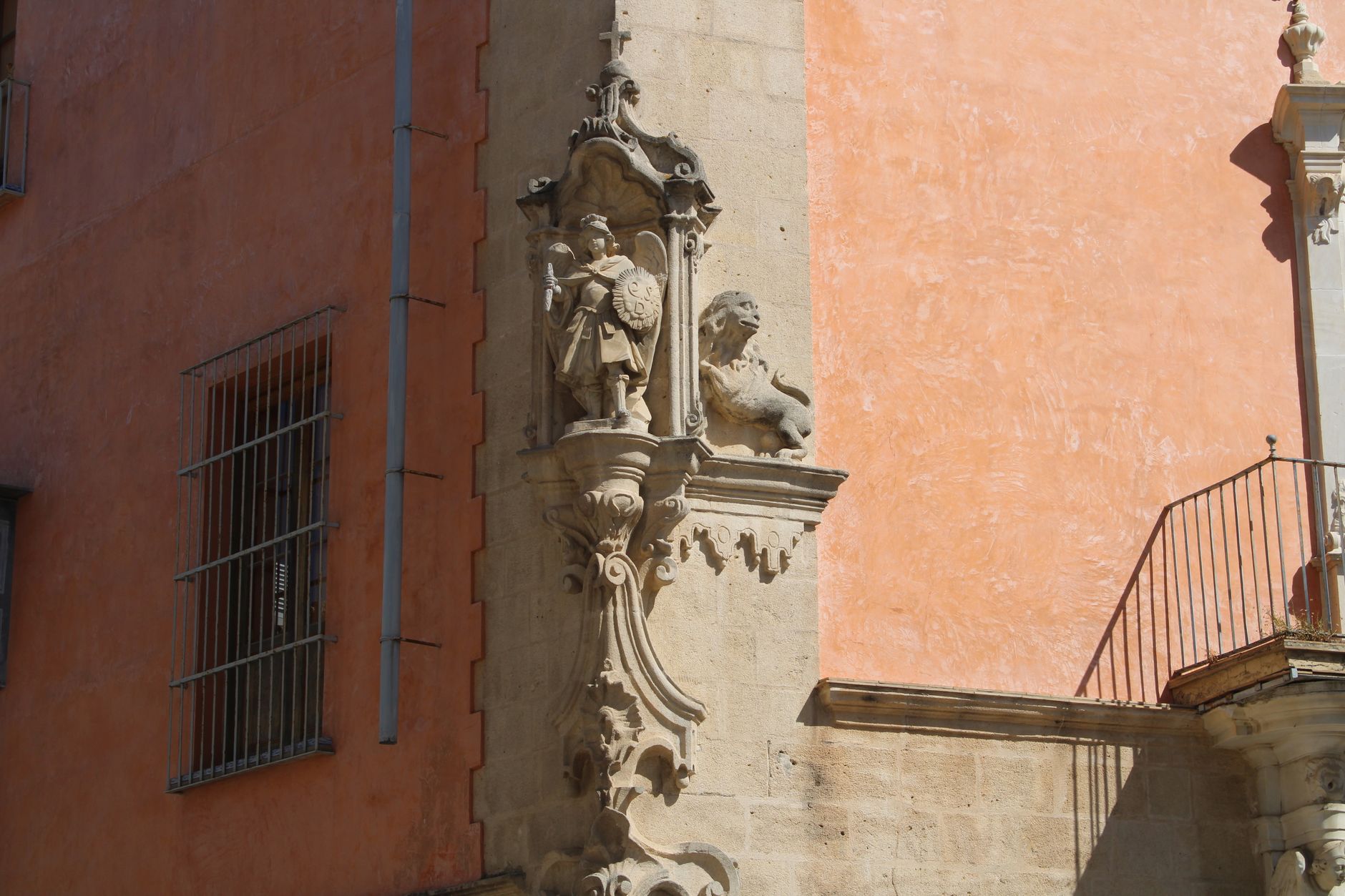
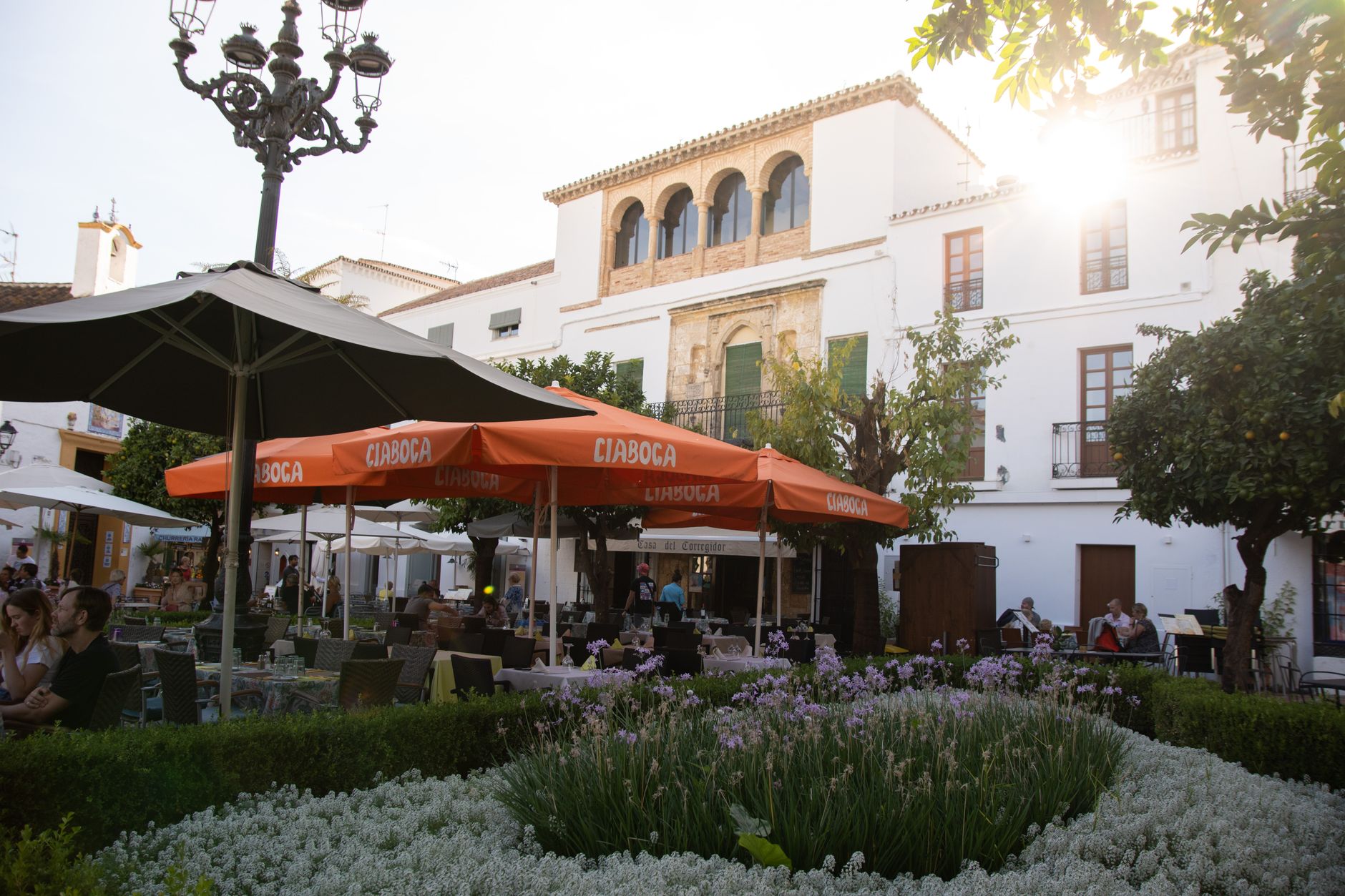
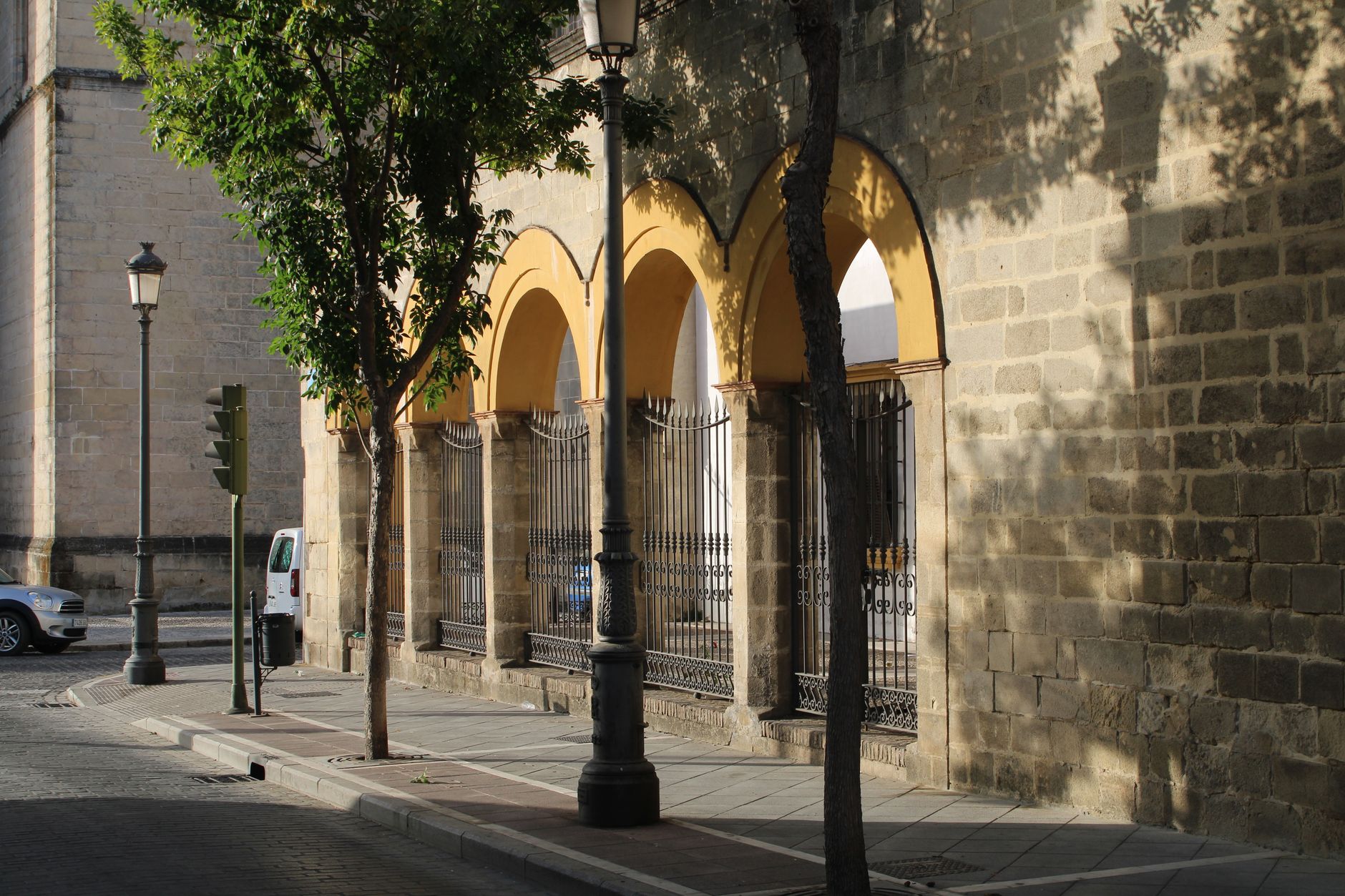
Stand at the base of the Church of San Miguel Arcángel's 64-metre tower and you're looking at a town that has been quietly accumulating history since before the Romans arrived. Jerez de los Caballeros sits on two hills above the River Ardila, eighteen kilometres from Portugal, its old town still wrapped in Moorish walls with six gates. Five baroque towers punctuate the skyline, earning the place its local epithet — and making it one of the more visually distinctive small cities in Extremadura.
The name means 'Jerez of the Knights,' a nod to the Templars who held it in the 13th century. Two of the most consequential explorers of the Americas were born here: Vasco Núñez de Balboa, who first saw the Pacific, and Hernando de Soto, who reached Florida. The town wears that legacy lightly, but it's everywhere once you start looking.
💛 What travellers fall for
People who come back tend to mention the Church of San Bartolomé specifically — the blue glazed ceramic ornaments on its baroque facade catch afternoon light in a way photographs don't quite capture. They also note that the walled enclosure rewards a slow walk: 1.5 kilometres of masonry, eighteen surviving towers, and a 15th-century cistern still intact inside.
Experiences you don't want to miss



Deals in Jerez de los Caballeros
Book directly at the provider


How Jerez de los Caballeros came to be
Alfonso IX of León took the town in 1229; three years later his son Ferdinand III gave it to the Knights Templar, who built their fortress partly on existing Arab walls. When the Templar order was dissolved, legend attached itself to one bastion — the so-called Tower of Blood, said to mark where knights' throats were cut. In 1370 Henry II transferred the town to the Order of St. James, another military-religious order that left its own architectural mark across Extremadura.
The layers go back further still. The Toriñuelo dolmen, declared a National Monument in 1931, points to prehistoric settlement on these hills; Phoenician, Roman and Moorish populations all followed before the medieval knights arrived. By 1966 the whole ensemble was designated a Monumental Artistic Historic Site.
Who and what shaped it
People who shaped it
Landmark buildings
See Jerez de los Caballeros in motion
Plan your visit
On the map
When to go
Spring (April–May) and early autumn are the most comfortable seasons, with temperatures in the mid-teens to mid-twenties. Summers are dry and genuinely hot — August averages a maximum of 34°C — while winters are cool and partly cloudy, with January highs around 13°C and the bulk of the year's rain falling in December.
Right now
Background & history adapted from Wikipedia (CC BY-SA) · specs from Wikidata (CC0) · weather from Open-Meteo · map data © OpenStreetMap contributors · photos from Wikimedia Commons / Unsplash with per-image credit. No third-party reviews or social posts reproduced.