
Monfragüe
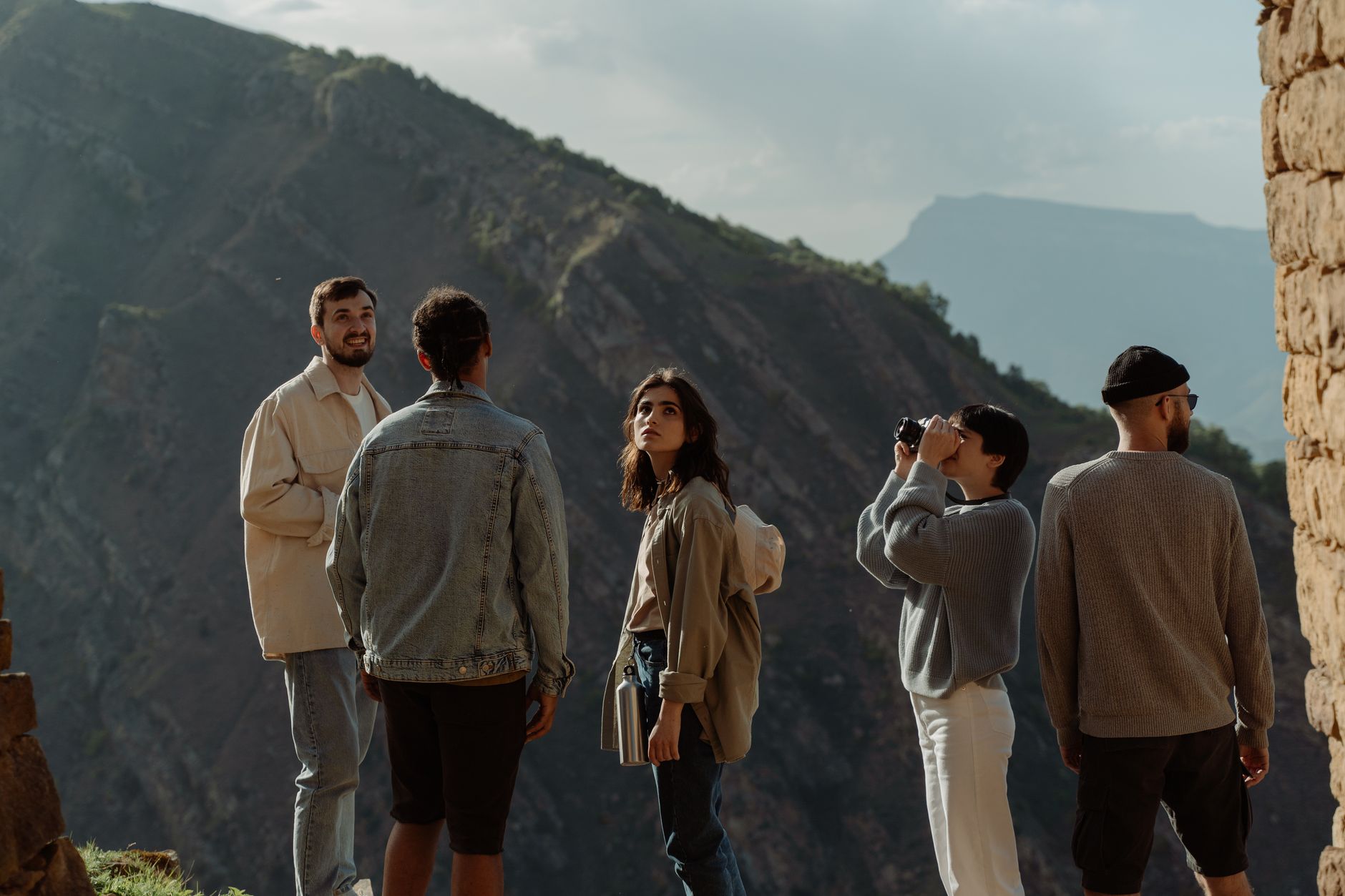
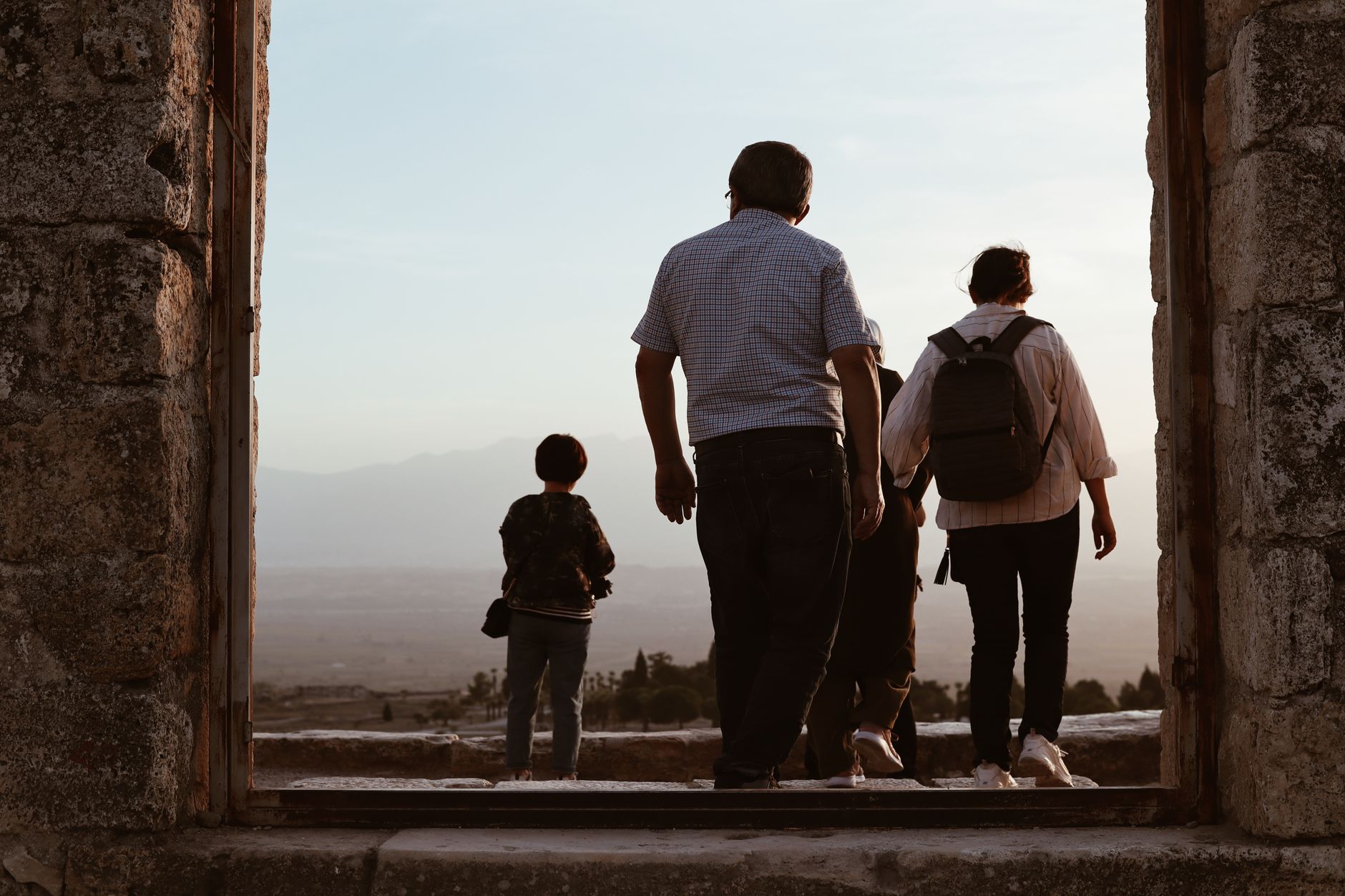
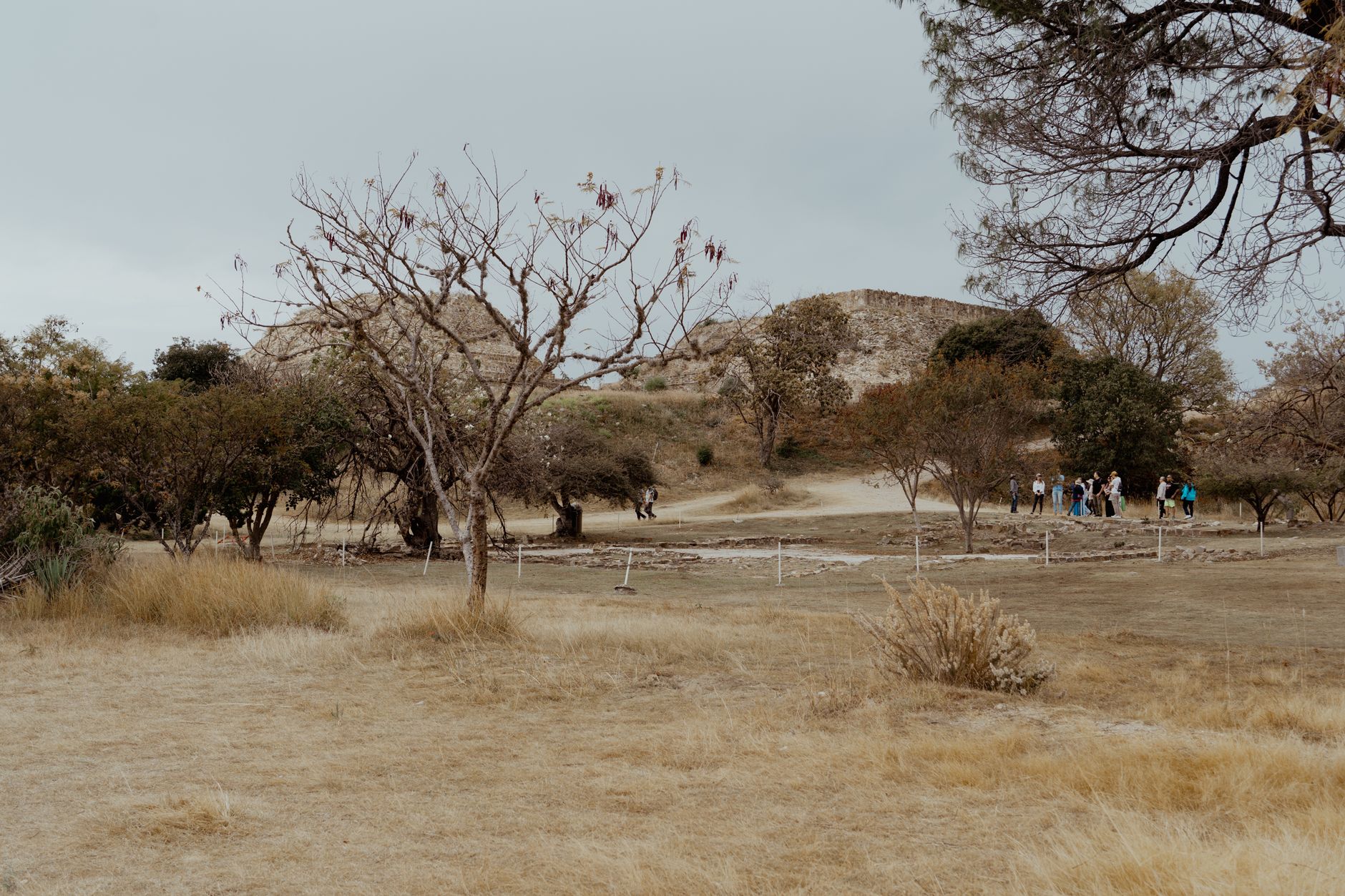
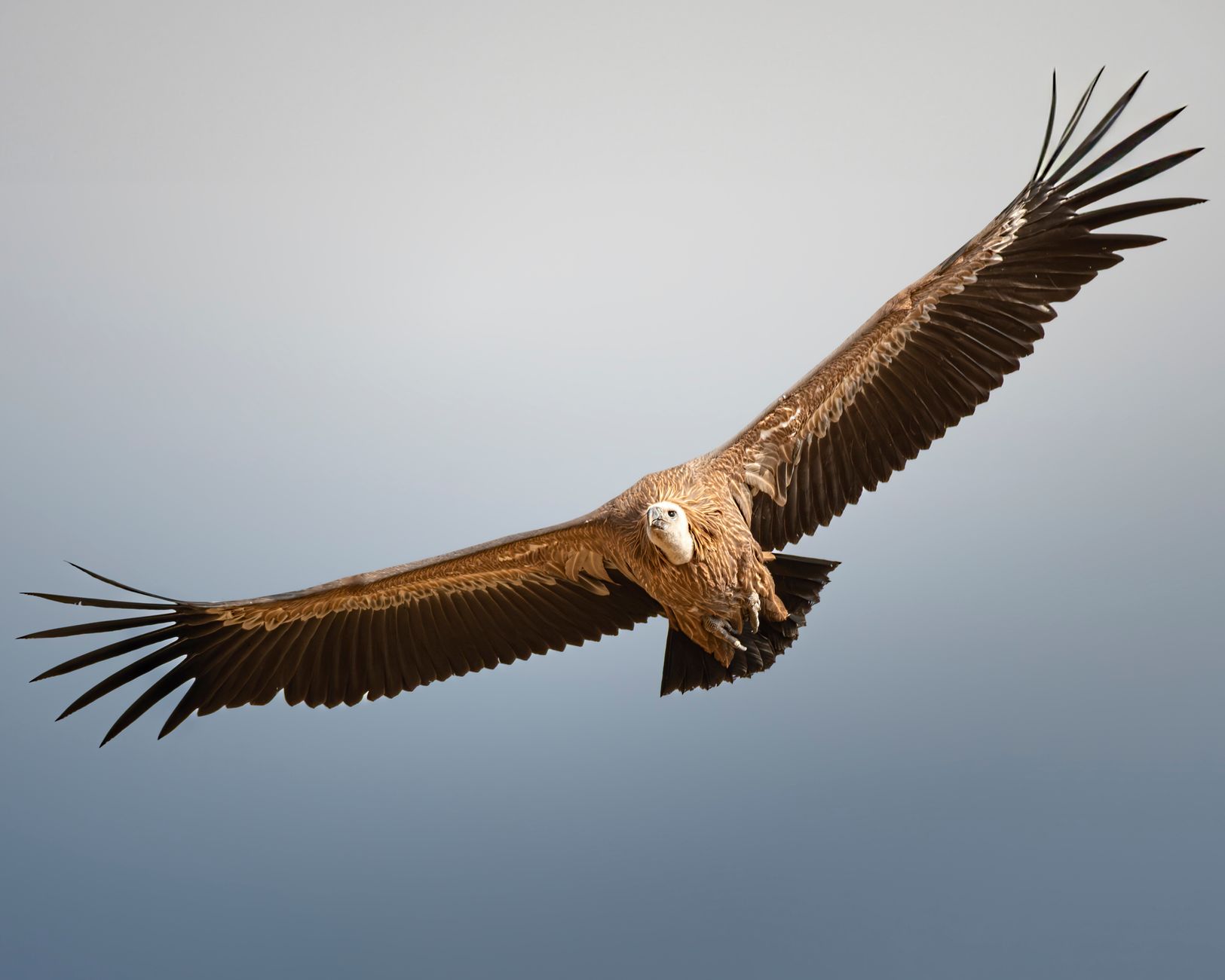
Stand at Salto del Gitano and you are looking at a cliff face 300 metres above the River Tagus where black vultures — the largest raptors in Europe — ride thermals so close you can see the individual feathers spread like fingers. Monfragüe is, at its core, a national park: roughly 180,000 hectares of cork oak, cistus scrub and river gorge in the middle of Extremadura.
Below the castle, a shallow cave holds paintings made 8,500 years ago. The name the Romans gave this place, Monsfragorum — lush mountain — still fits. You come here for the birds, the silence and the particular quality of light on Spanish granite in the late afternoon.
💛 What travellers fall for
People who come back tend to arrive in the first light: the griffon vultures leave the rock face early, and the traffic on the EX-208 hasn't started yet. They also note that Villarreal de San Carlos, all one street and 28 residents, is the right place to park and orient yourself before heading to the viewpoints.
Experiences you don't want to miss


Deals in Monfragüe
Book directly at the provider

How Monfragüe came to be
The Romans called it Monsfragorum and the name stuck, slightly worn, into Monfragüe. Long before them, Copper Age people left paintings in the cave below what would become an Arab castle, built in the early 9th century to control crossings on the Tagus. The Reconquest passed the citadel into Christian hands; a military order — the Order of Monfragüe — was founded at the castle in 1196, with Rodrigo González confirmed as its master the following January. Ferdinand III dissolved it into the Order of Calatrava in 1221.
The Peninsular War wrecked the castle and the 1450 granite bridge built by Juan de Carvajal. In 1968 a conservationist named Jesús Garzón settled here; his sustained effort led to the park's declaration in 1979, UNESCO Biosphere Reserve status in 2003, and national park designation by law on 2 March 2007.
Who and what shaped it
People who shaped it
Landmark buildings
See Monfragüe in motion
Plan your visit
On the map
When to go
Summers are long and fierce — temperatures regularly exceed 40°C in July and August. Spring and autumn are the practical windows: mild days, wildflowers on the hillsides in April, and the bird populations at their most active. Winters are cold but clear, with good visibility for spotting raptors against pale skies.
Right now
Background & history adapted from Wikipedia (CC BY-SA) · specs from Wikidata (CC0) · weather from Open-Meteo · map data © OpenStreetMap contributors · photos from Wikimedia Commons / Unsplash with per-image credit. No third-party reviews or social posts reproduced.