
Olivenza
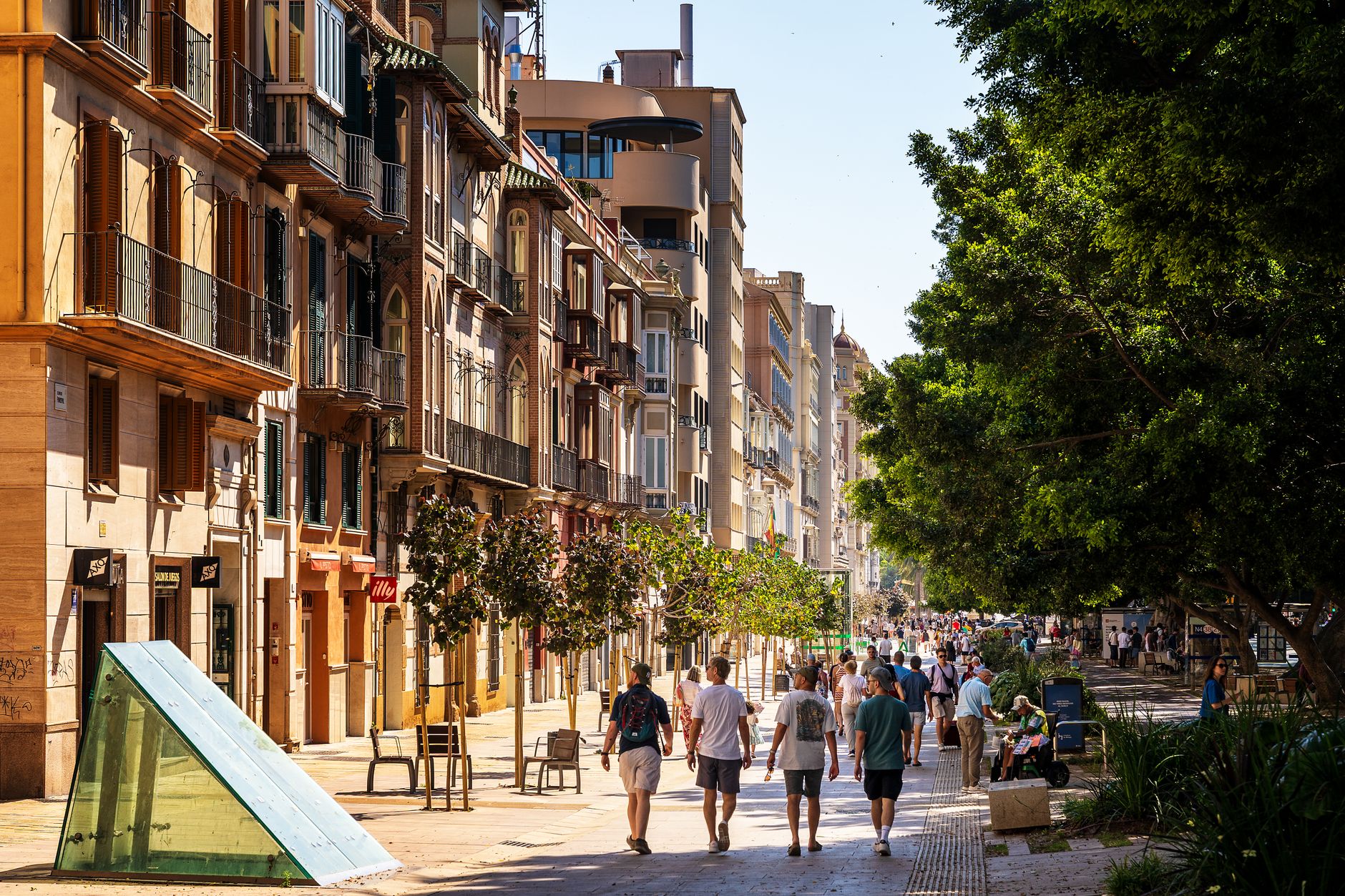
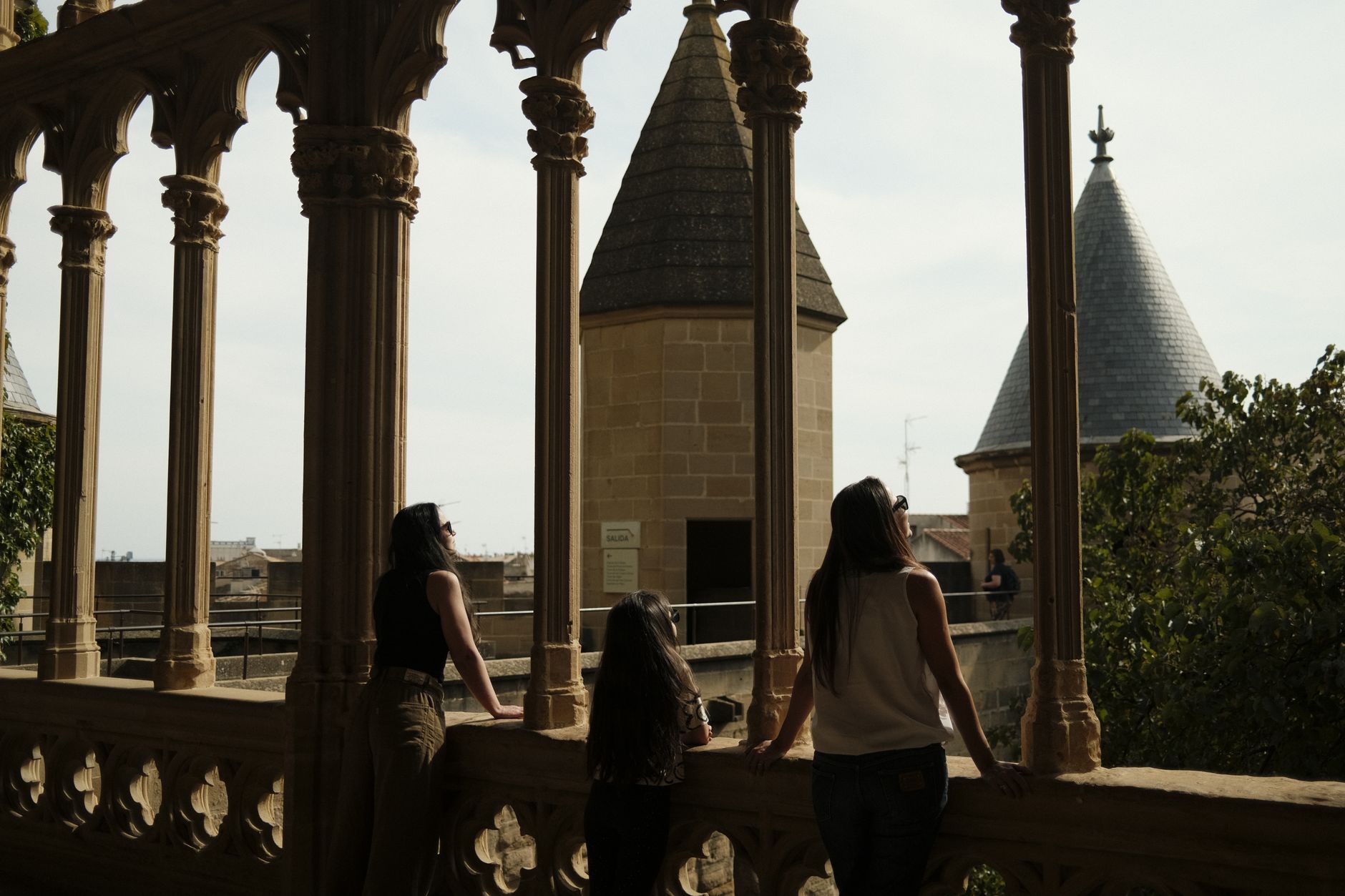
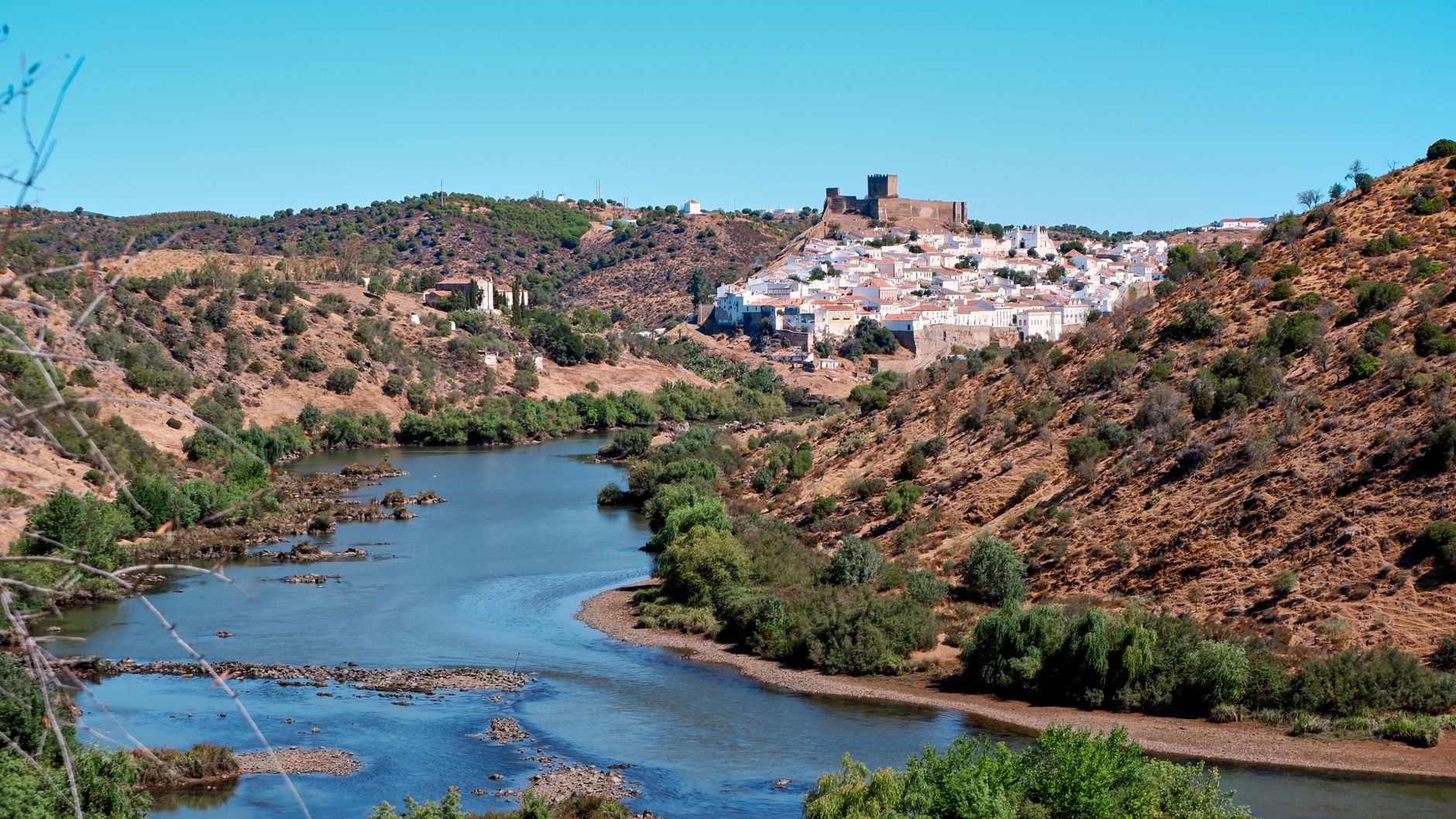
Stand in Olivenza's main square and you'll notice something that doesn't quite add up: the church doorway in front of you is unmistakably Portuguese, the twisted stone columns inside belong to Manueline architecture, and yet you're in the Spanish province of Badajoz. That productive confusion is the whole point of this small Extremaduran town, which passed between kingdoms for centuries before Spain formally absorbed it in 1801 — and never fully shed its Portuguese skin.
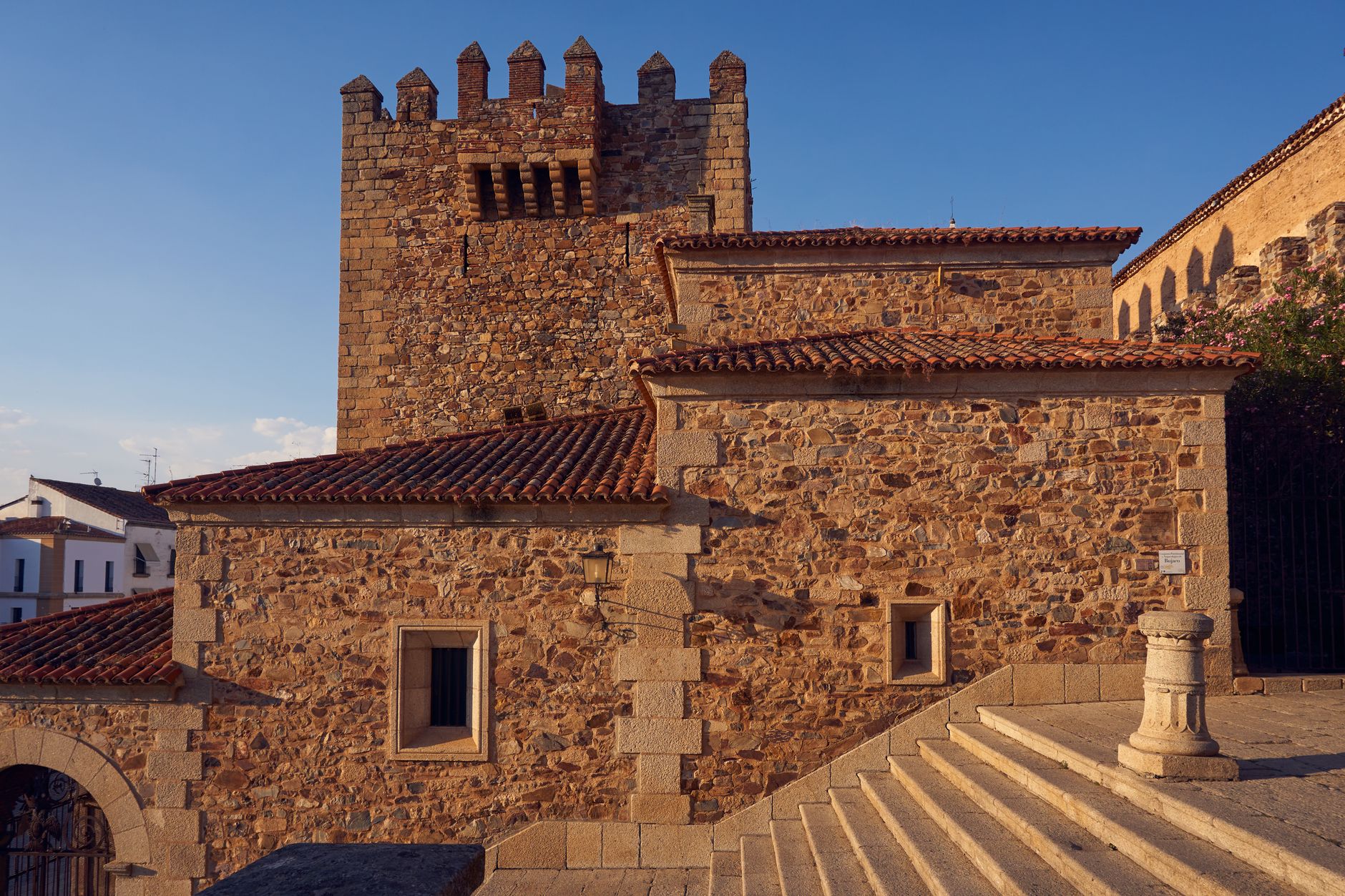
The historic quarter is compact enough to cover on foot in a morning, with a 37-metre castle keep, a clutch of well-preserved churches, and stretches of medieval wall still standing. Recognised since 2019 among Spain's most beautiful towns, it rewards a slow walk rather than a checklist.
💛 What travellers fall for
People who come back tend to mention the Iglesia de Santa María Magdalena unprompted — specifically the way the twisted columns catch the light, and the six tiled baroque altarpieces that line the walls. Go early, before tour groups arrive from Badajoz. The walk along the surviving wall to the Puerta del Calvario gate is quieter still.
Experiences you don't want to miss



Deals in Olivenza
Book directly at the provider


How Olivenza came to be
The Knights Templar established a commandery here around 1230, building the castle and a church that formed the nucleus of the settlement. In 1297, the Treaty of Alcañices handed Olivenza to Portugal, and King Dinis granted it a town charter the following January. Under Portuguese rule it flourished: King Manuel I renewed its charter in 1510, ordered new fortifications, and commissioned the bridge over the Guadiana — the Ponte da Ajuda — as well as the church of Santa María Magdalena, whose Manueline interior still defines the town's character.
Five centuries of Portuguese identity ended abruptly in May 1801, when Spanish forces under Manuel Godoy captured Olivenza during the brief War of the Oranges. The Treaty of Badajoz, signed that June, formalised the transfer to Spain — a transfer Portugal has never formally recognised. In 1964, Olivenza became one of Badajoz province's first protected historic ensembles.
Who and what shaped it
People who shaped it
Landmark buildings
See Olivenza in motion
Plan your visit
On the map
When to go
Summers in Olivenza are hot and dry — temperatures regularly climb well above 35°C in July and August, making morning visits essential. Spring and autumn are the most comfortable seasons for walking the town, with mild days and cooler evenings; winters are generally mild with some rain, but rarely cold enough to deter a visit.
Right now
Background & history adapted from Wikipedia (CC BY-SA) · specs from Wikidata (CC0) · weather from Open-Meteo · map data © OpenStreetMap contributors · photos from Wikimedia Commons / Unsplash with per-image credit. No third-party reviews or social posts reproduced.