
Cáceres
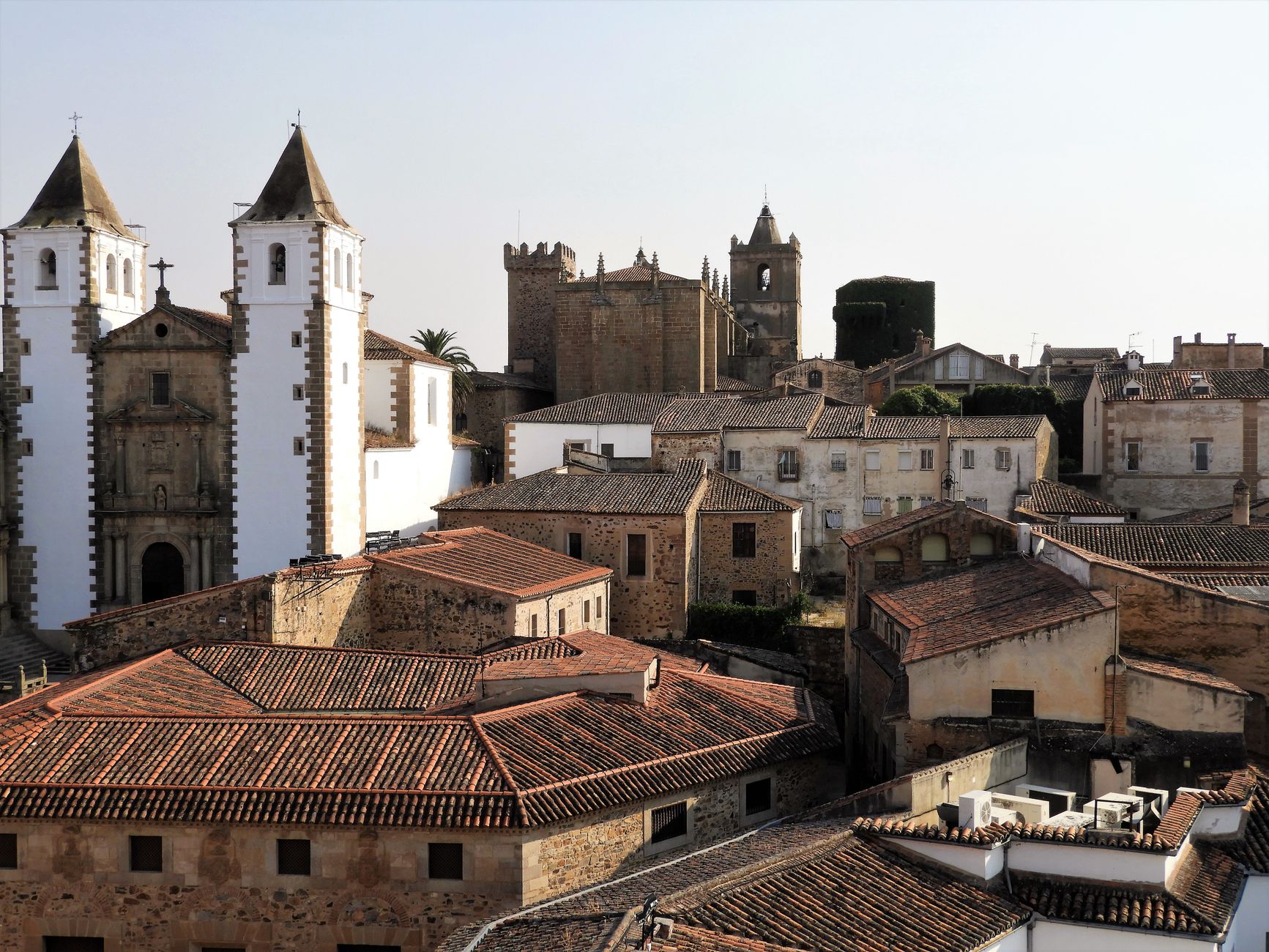
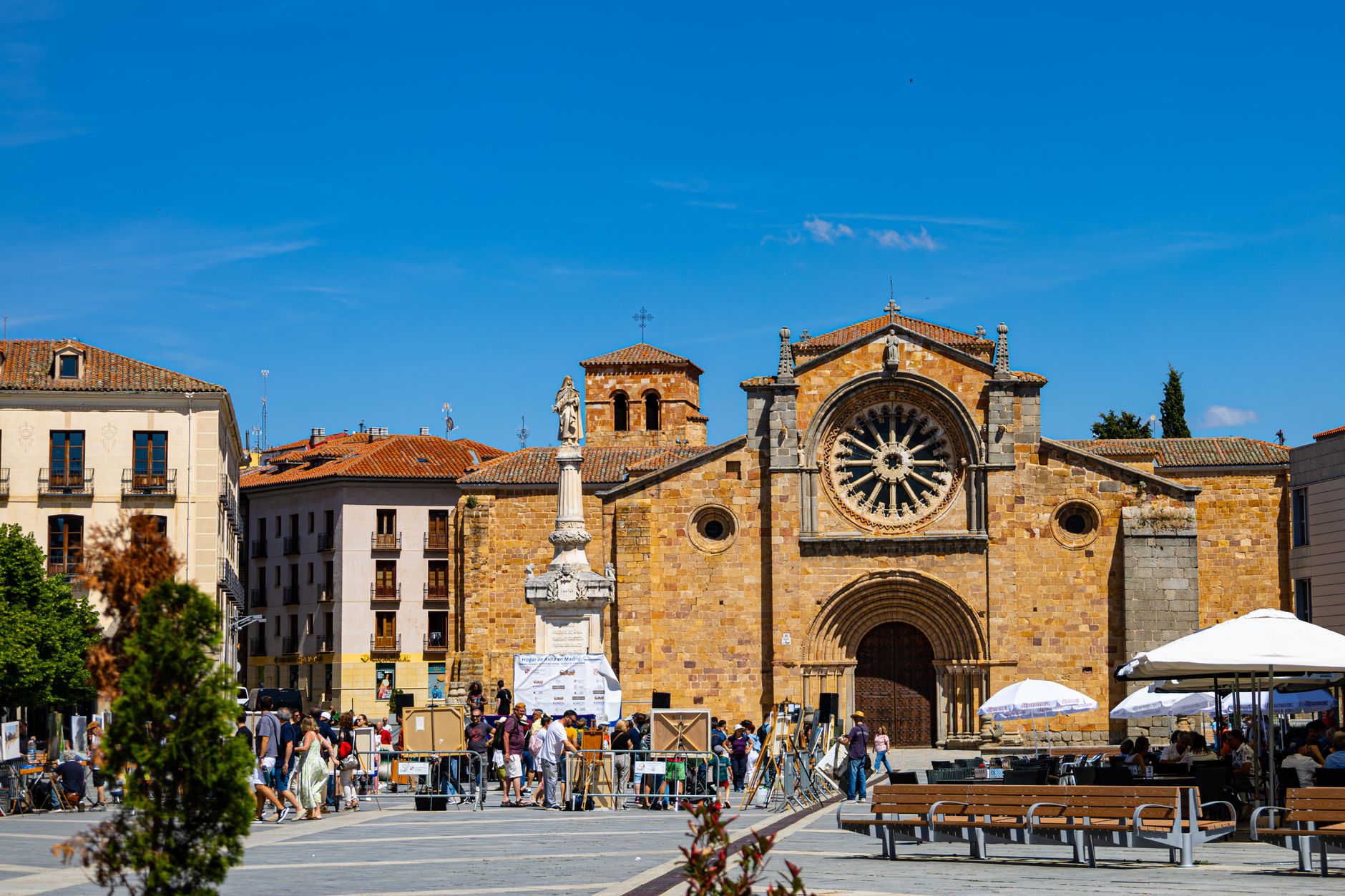
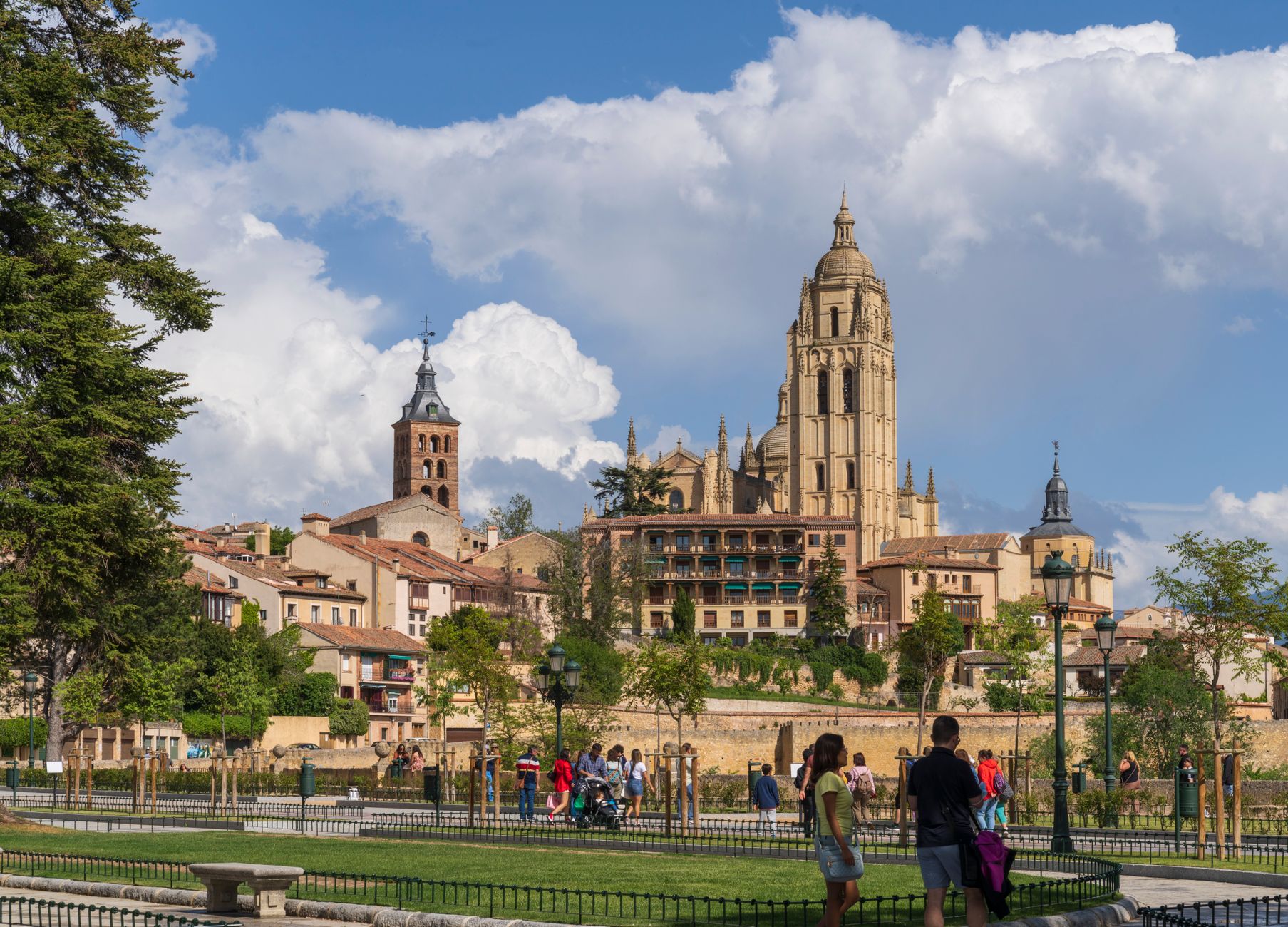
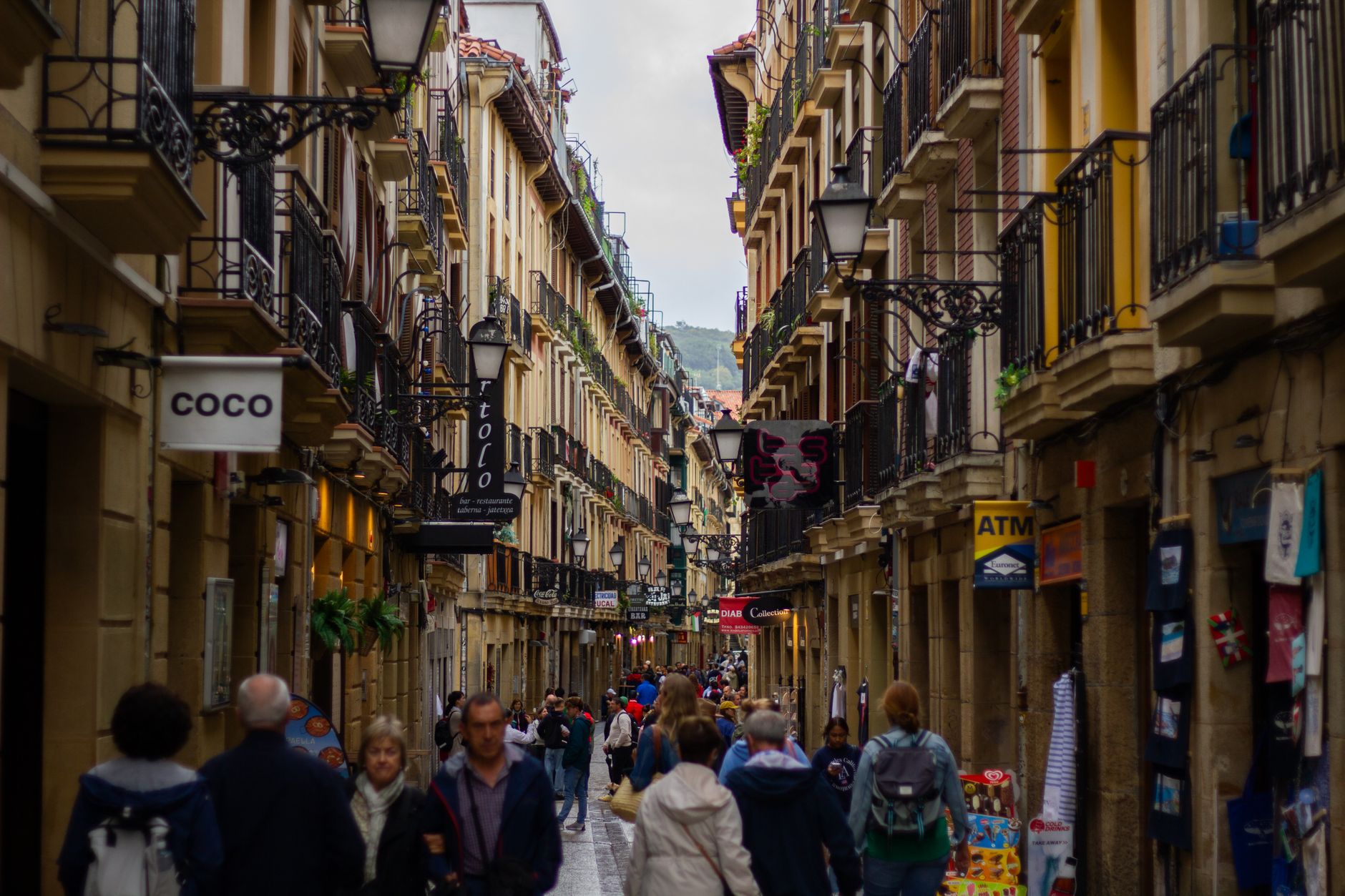
Stand in the Plaza de Santa María at dusk and the stone around you turns the colour of old honey. Cáceres keeps one of the most intact medieval old towns in Europe — not a reconstruction, not a museum piece, but a lived-in quarter where the same families have owned the same palaces for five centuries. Thirty Moorish towers still punctuate the skyline, and the 1,174 metres of 12th-century wall still close around the upper city like a fist.
What makes Cáceres strange and worth your time is the particular density of its history: Roman foundations, an Islamic city, then a sudden flush of conquistador wealth in the 16th century that left palaces stacked almost on top of each other inside the walls.
💛 What travellers fall for
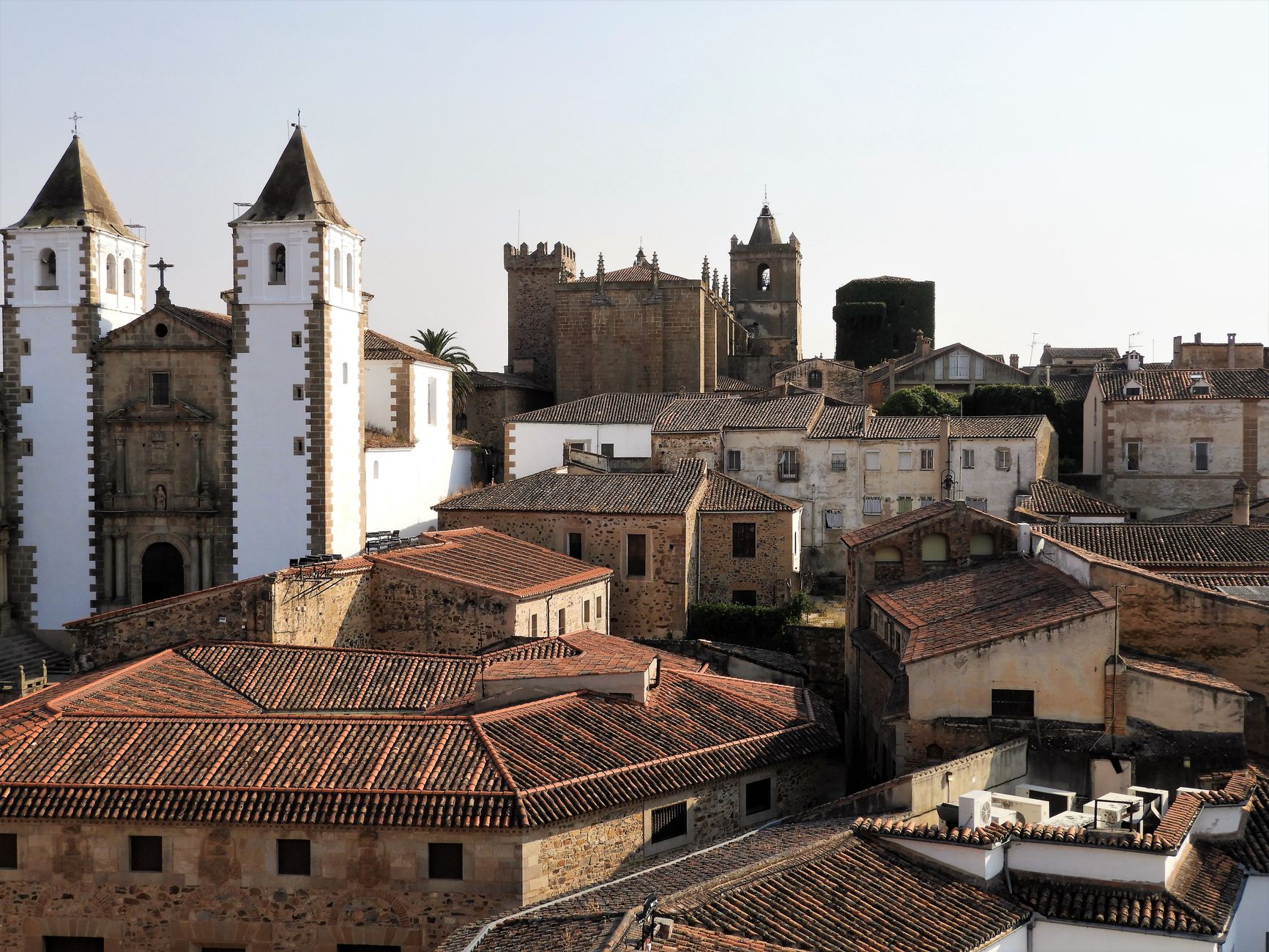
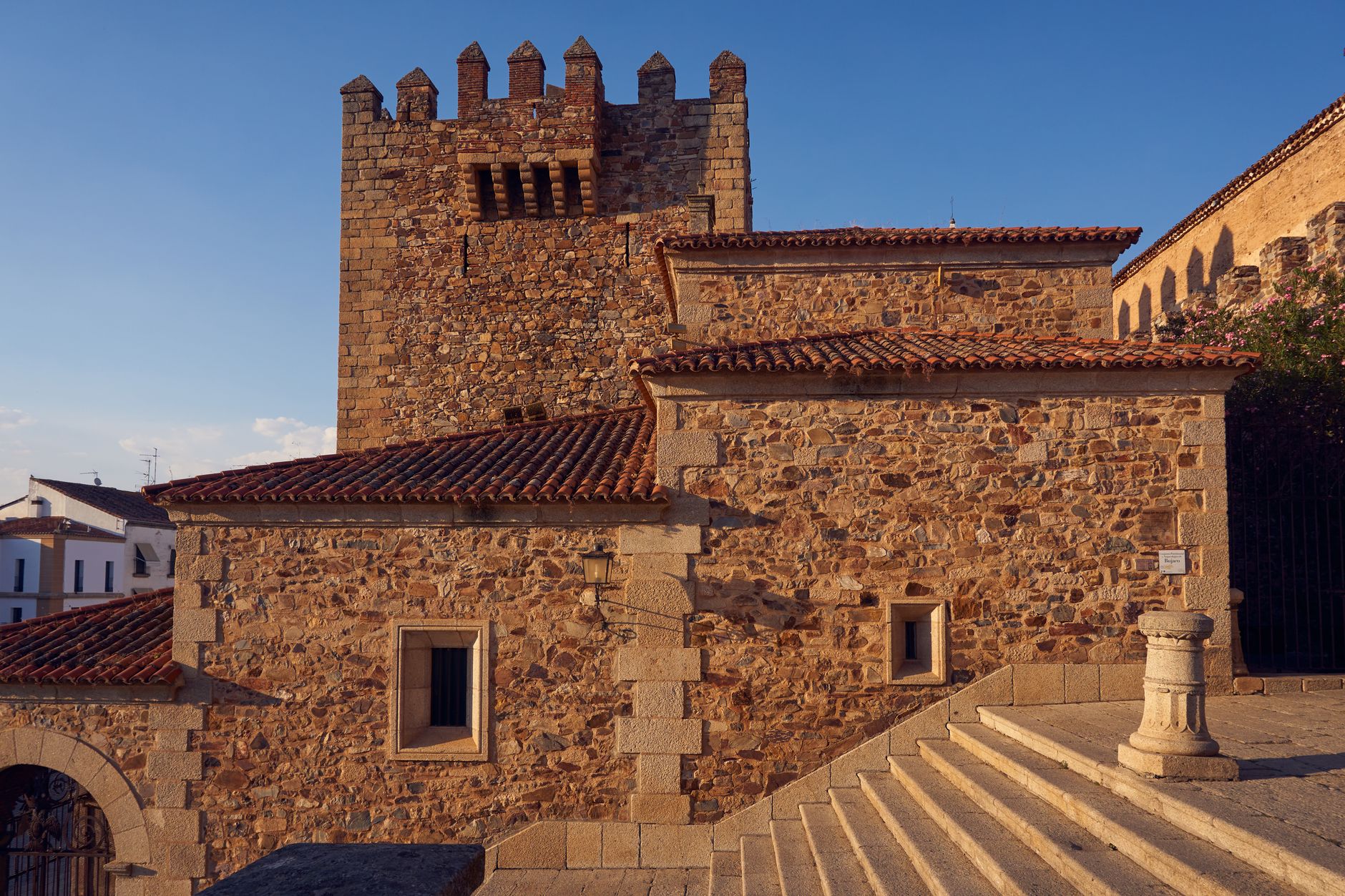
People who come back tend to agree on a few specifics: climb the Torre de Bujaco early, before the tour groups arrive. Pay the 1.50€ to get up the towers of San Francisco Javier — the view over the roofline is better than the cathedral bell tower and almost nobody bothers. The Almohad cistern inside the Palacio de las Veletas is one of the quieter, stranger things in the city.
Experiences you don't want to miss


Deals in Cáceres
Book directly at the provider
How Cáceres came to be
Romans established a settlement here around 25 BCE, and the Arco de Cristo — a gateway dating to the 3rd or 4th century — is the most visible trace of that occupation. By the 9th century the city was under Moorish control, known as Alkazares; the towers and much of the wall that still stand are their work. Alfonso IX of León retook the city in 1229, and to defend it during the volatile years before that reconquest, the Military Order of Santiago had been founded here in 1171.
The 15th and 16th centuries brought a different kind of transformation. Soldiers who had crossed to the Americas returned with money and status and built palaces inside the old walls. Francisco de Godoy, who had served with Pizarro in Peru, commissioned his palace in 1548. Juan de Toledo Moctezuma — a descendant of the Aztec emperor through the line of Isabel de Moctezuma — gave his name to another. The result is a city whose stone records several distinct waves of power, each layered over the last.
Who and what shaped it
People who shaped it
Landmark buildings
See Cáceres in motion
Plan your visit
On the map
When to go
Summers are long and genuinely hot — plan any walking for early morning or evening if you visit between June and mid-September. Winter is mild with occasional rain and cold nights; the old town is quieter and the light on the stone is softer.
Right now
Background & history adapted from Wikipedia (CC BY-SA) · specs from Wikidata (CC0) · weather from Open-Meteo · map data © OpenStreetMap contributors · photos from Wikimedia Commons / Unsplash with per-image credit. No third-party reviews or social posts reproduced.