
Zafra
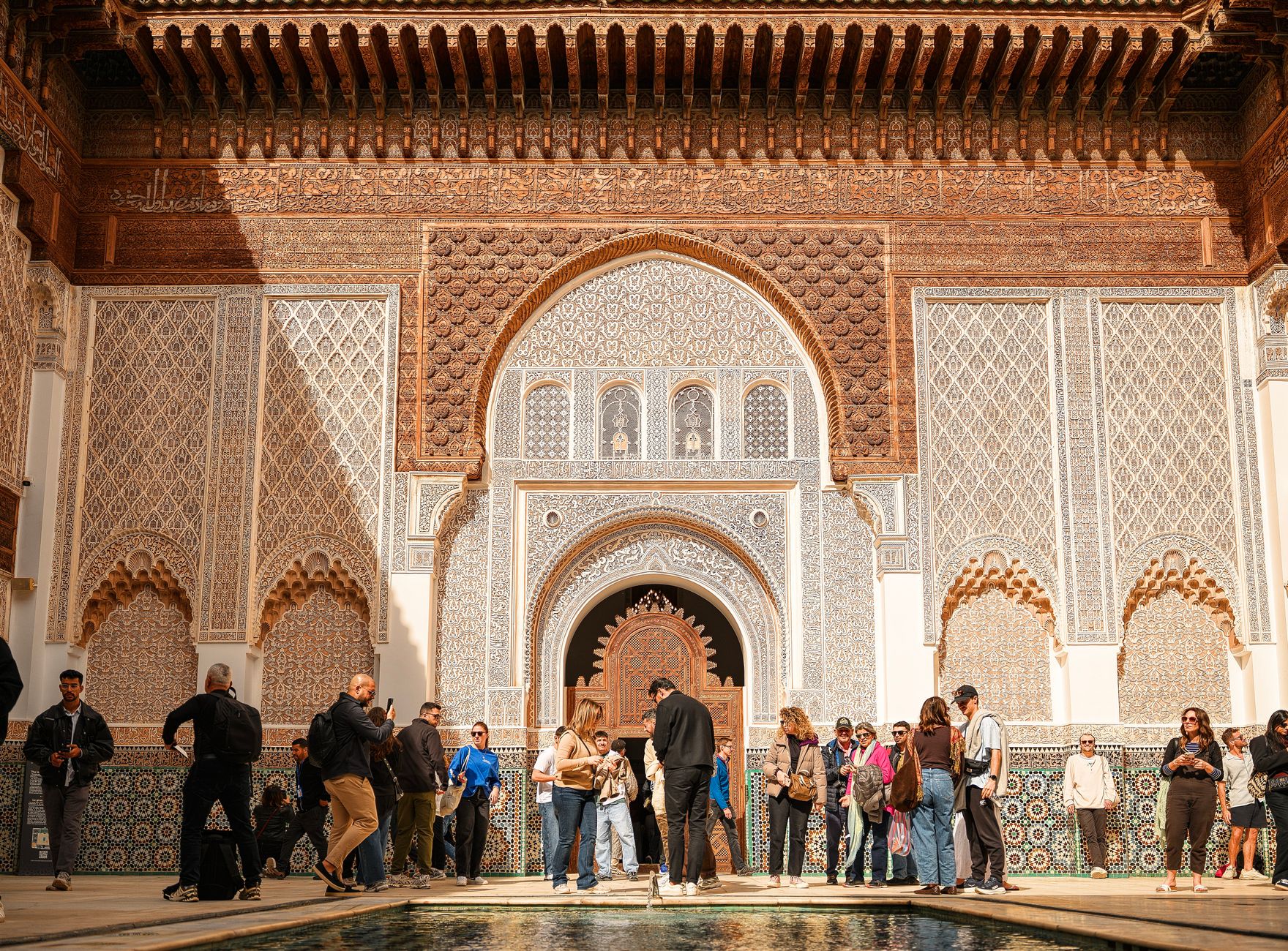
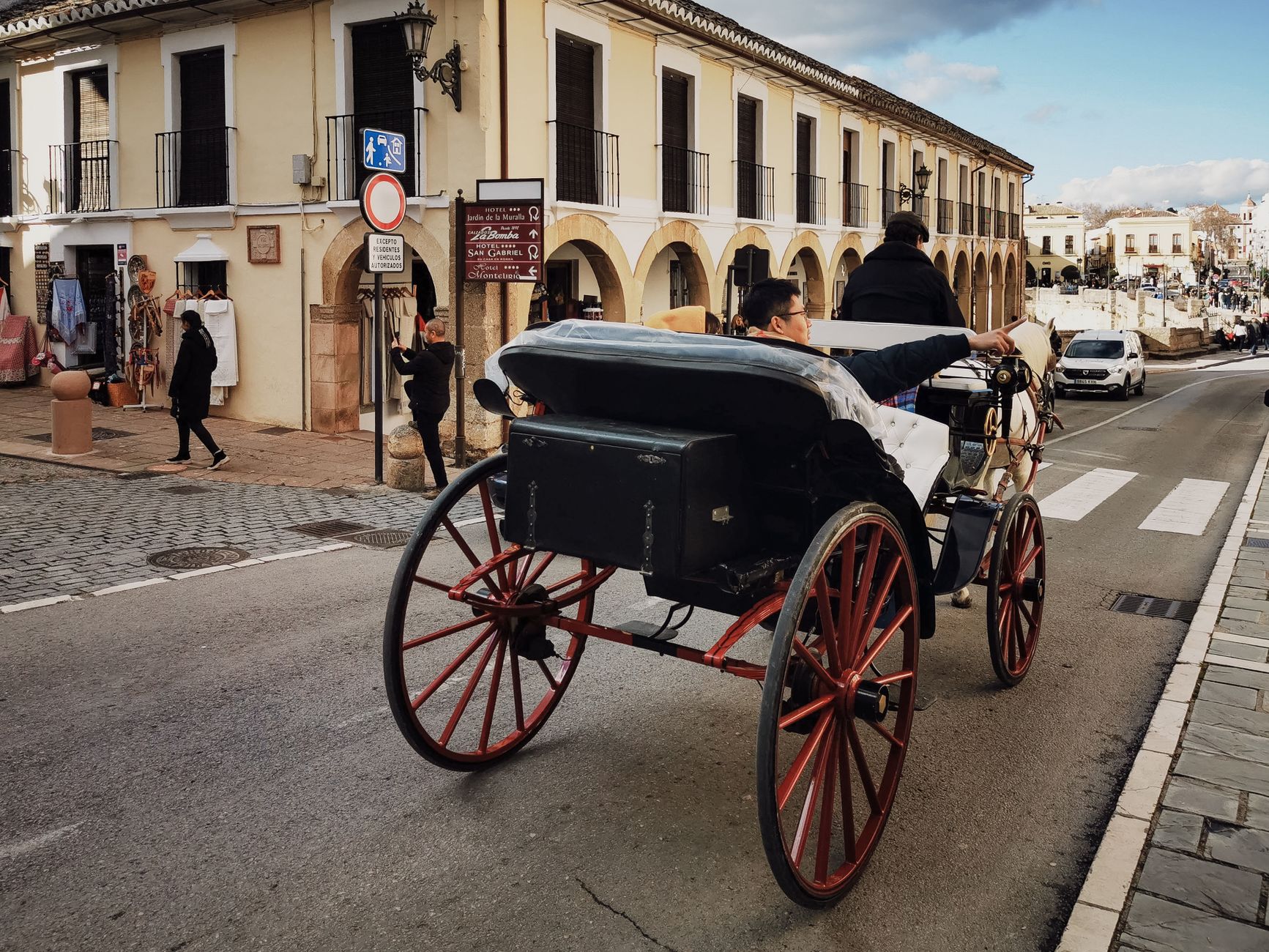
Zafra announces itself with two squares connected by a bread arch. The Plaza Grande and its smaller companion, the Plaza Chica, have been the town's commercial and social centre since the mid-15th century arcades went up to shelter merchants from the Extremaduran sun. Walk through the Arquillo del Pan and you move between centuries without noticing the seam.
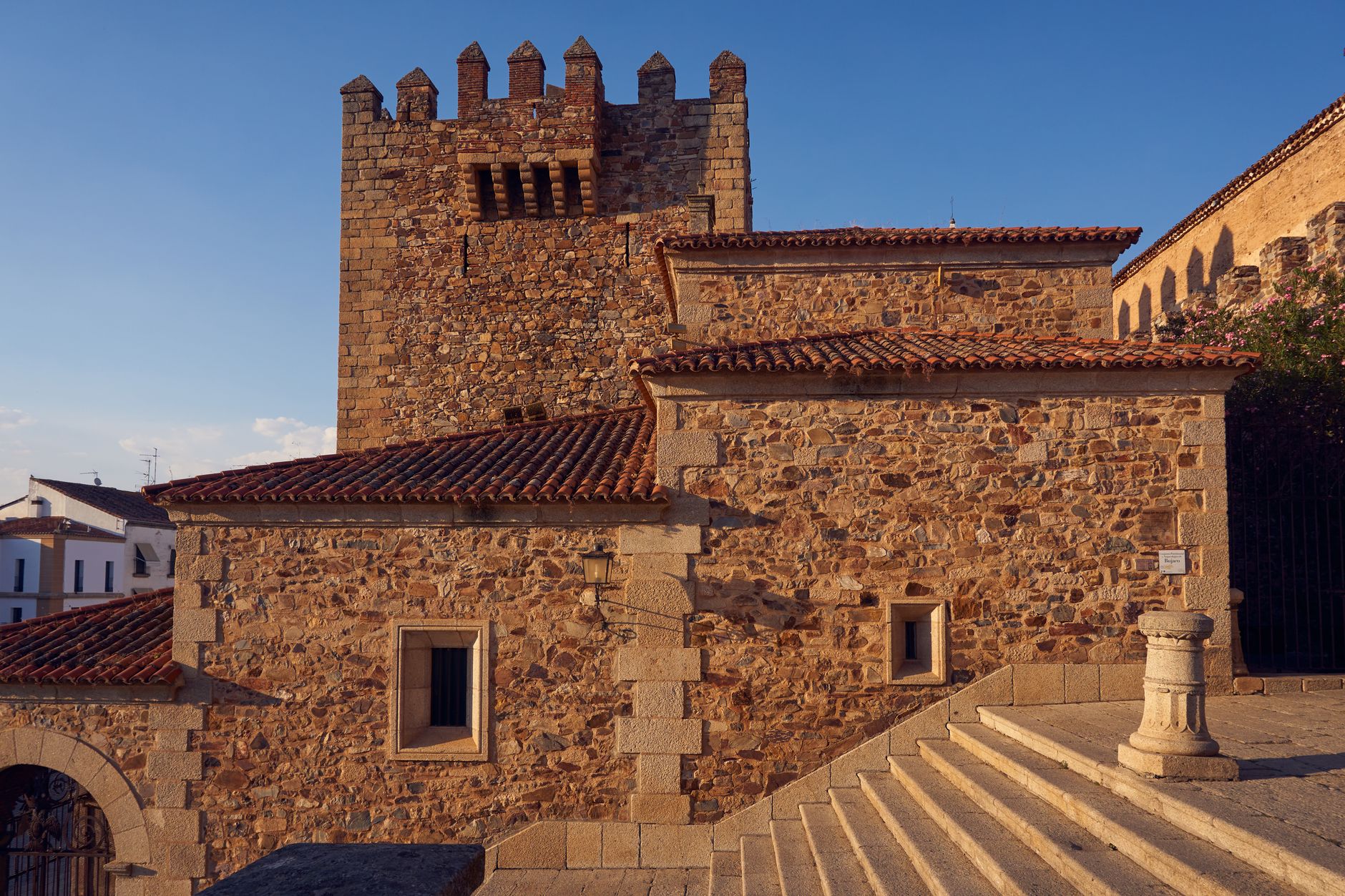
This is a town that the lords of Feria built deliberately — walls, gates, a fortress-palace, a collegiate church — and the bones of that ambition are still legible in the stone. The Alcázar's white marble patio sits behind a military exterior that once commanded the borderlands between two caliphates.
💛 What travellers fall for
People who return tend to time it around the evening light on the Plaza Grande, when the arcades throw long shadows and the tables fill slowly. The Parador inside the Alcázar is worth a drink even if you're not staying — the Renaissance patio alone justifies the walk through the gate.
Experiences you don't want to miss


Deals in Zafra
Book directly at the provider


How Zafra came to be
The site was already old when the Romans moved through on the Vía de la Plata, leaving behind the traces of around twenty villas in the surrounding countryside. Under Islamic rule it became Safra, a frontier post between the caliphates of Seville and Badajoz. Ferdinand III took it from the Moors on 2 February 1241.
The town's defining chapter came in 1394, when Henry III granted Zafra to Gomes I Suárez de Figueroa, making it the capital of the domain of Feria. His successors fortified it in 1426 and 1449, began the Alcázar in 1437, and over the following century commissioned the collegiate church of La Candelaria and the convent of Santa Clara. The economic weight the town accumulated through that period eventually earned it the formal title of ciudad in 1882.
Who and what shaped it
People who shaped it
Landmark buildings
See Zafra in motion
Plan your visit
On the map
When to go
Summers in Zafra are genuinely hot — regularly above 35°C — so the shaded arcades of the plazas earn their keep. Spring and autumn are the comfortable seasons for walking the walls and the streets; winters are mild but can be grey and damp.
Right now
Background & history adapted from Wikipedia (CC BY-SA) · specs from Wikidata (CC0) · weather from Open-Meteo · map data © OpenStreetMap contributors · photos from Wikimedia Commons / Unsplash with per-image credit. No third-party reviews or social posts reproduced.