
Valencia de Alcántara
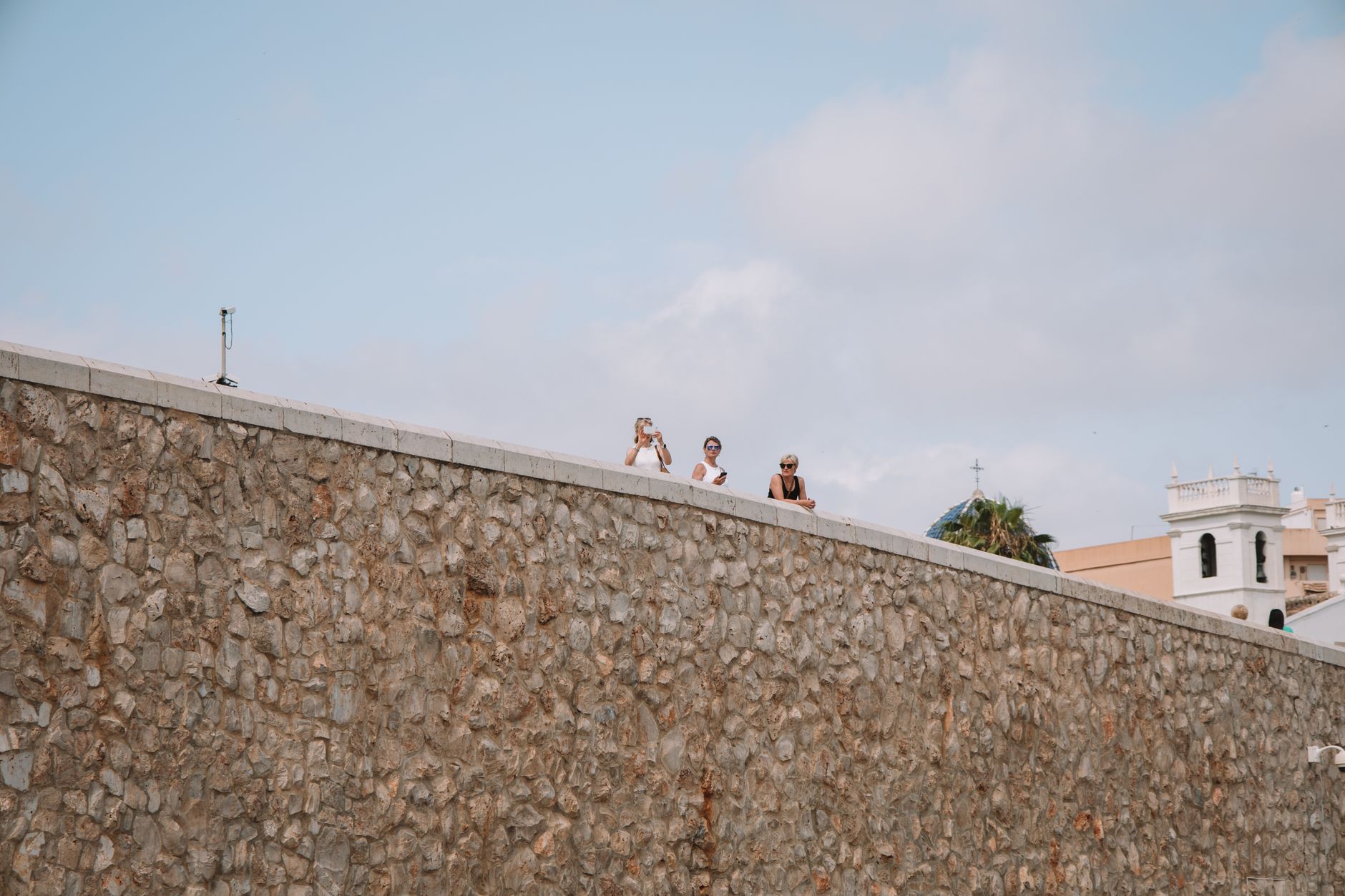
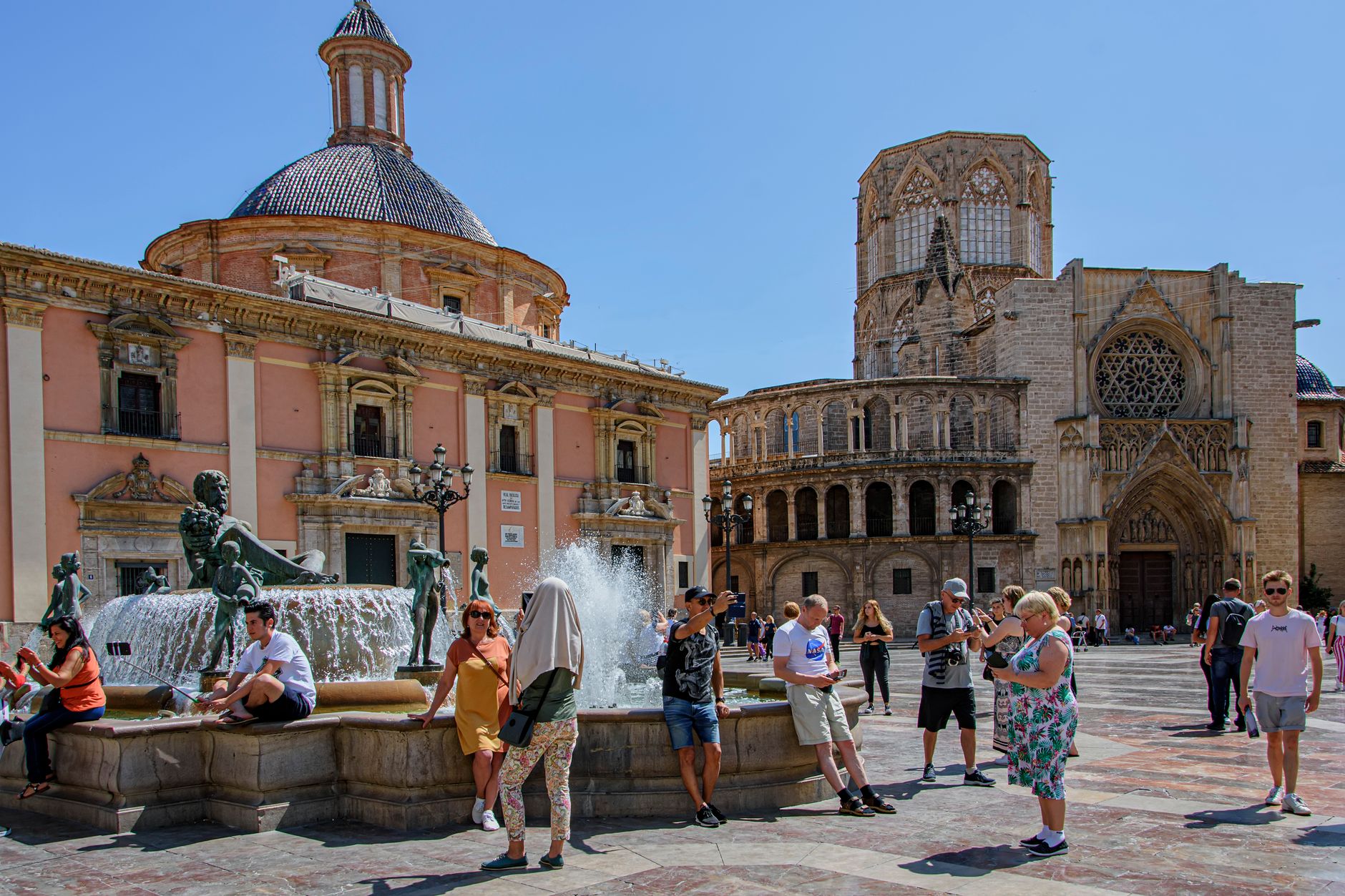
Stand in the Plaza Mayor — paved in Portuguese style, as if the border a few kilometres west has always been more suggestion than fact — and Valencia de Alcántara begins to make sense. This small Extremaduran town at 455 metres sits where Roman, Visigoth, Moorish, and Castilian histories have layered themselves over millennia, and where, in the fields around it, more than forty prehistoric dolmens wait in the scrub, dated to the third and fourth millennia BC.
The old Jewish-Gothic quarter runs across nineteen streets, its pointed doorways and lintelled facades largely intact — one of the most extensive in the province of Cáceres. The town's peak came in the 16th and 17th centuries, when its churches were built and its position as a border fortress gave it strategic weight that drew both architects and armies.
💛 What travellers fall for
People who come back tend to say the same thing: go to the dolmens early, before the heat, and ask the tourist office on Plaza de Gregorio Bravo for a paper map — GPS regularly deposits you in the wrong field. The routes La Zafra and Tapada del Anta are the most accessible. Then walk the Jewish quarter in the late afternoon, when the light catches the stonework.
Experiences you don't want to miss



Deals in Valencia de Alcántara
Book directly at the provider


How Valencia de Alcántara came to be
The Romans founded a settlement here, and the Visigoths held it until the 13th century, when in 1220 García Sánchez, master of the Order of Alcántara, took the castle that still anchors the town. From the 16th century onward Valencia de Alcántara became a celebrated border fortress, and it was during this period — and into the 17th century — that its most significant monuments were built, including the Church of Nuestra Señora de Rocamador, raised over a Roman temple.
The town's position on the Portuguese frontier made it a recurring military objective. Portuguese forces captured it in 1664 and again in 1698. In 1762, during the Spanish invasion of Portugal, a Portuguese-British force under John Burgoyne attacked and took the town, which had been serving as a Spanish supply base. One native son outlasted the conflicts: Pedro Gómez Labrador, Marquis of Labrador, born here, went on to represent Spain at the Congress of Vienna in 1814–1815.
Who and what shaped it
People who shaped it
Landmark buildings
See Valencia de Alcántara in motion
Plan your visit
On the map
When to go
Summers are short and hot — July highs push towards 32°C — while winters are cold and wet, with January lows around 4°C. Spring, particularly May with highs near 24°C, is the most comfortable time to walk the dolmen routes and the old quarter.
Right now
Background & history adapted from Wikipedia (CC BY-SA) · specs from Wikidata (CC0) · weather from Open-Meteo · map data © OpenStreetMap contributors · photos from Wikimedia Commons / Unsplash with per-image credit. No third-party reviews or social posts reproduced.