
Badajoz
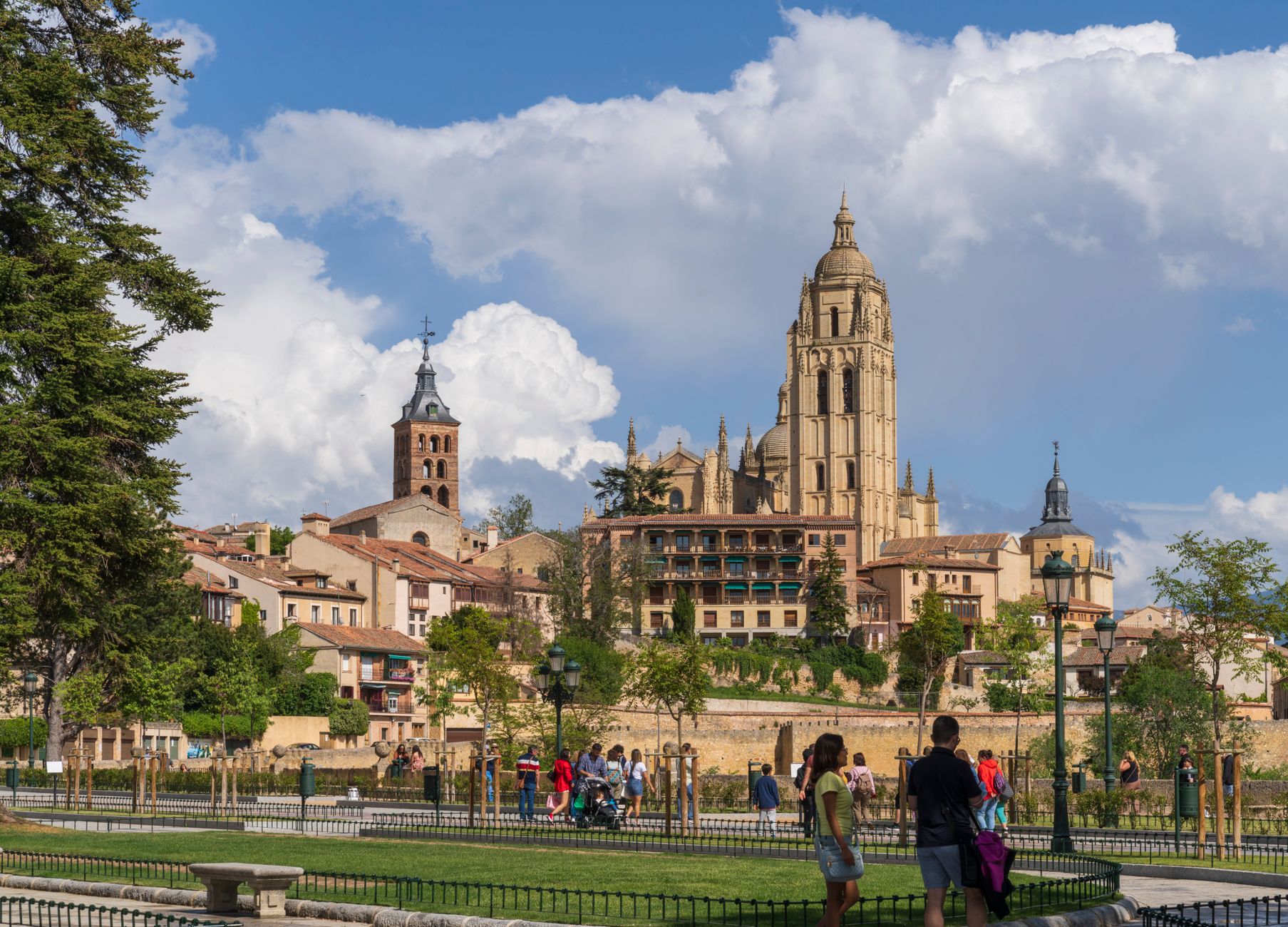
Stand on the walls of the Alcazaba and you're looking at one of the largest surviving Moorish citadels in Europe — and almost nobody else is up there with you. Badajoz sits on the Guadiana river at the western edge of Extremadura, a few kilometres from the Portuguese border, and it has never quite figured out how to market itself, which is part of its appeal.
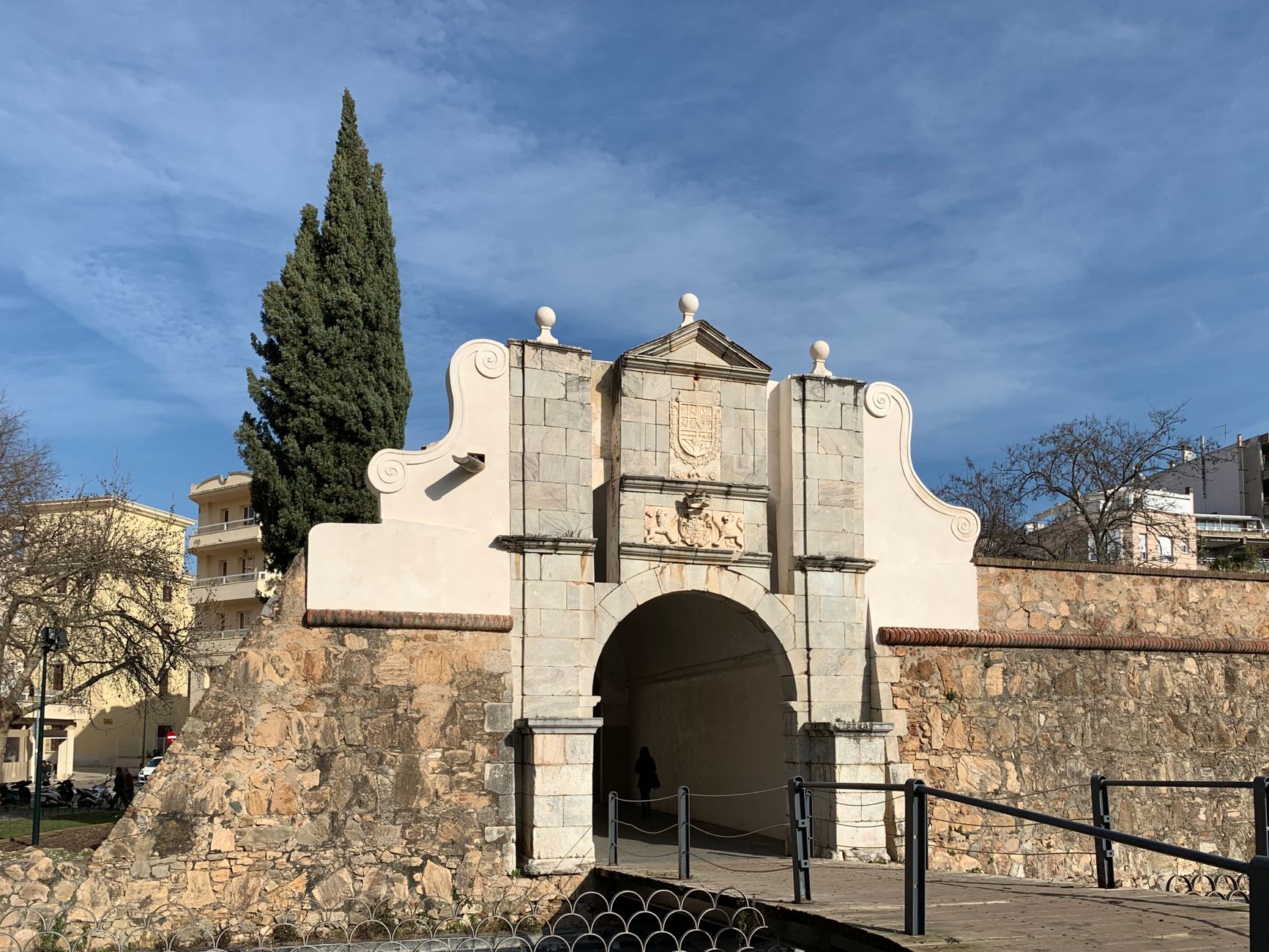
The old city layers Moorish foundations, a cathedral that doubles as a fortress, a Renaissance gateway, and a colour-changing contemporary congress palace whose façade you can watch shift without buying a ticket. The city earns its complexity.
💛 What travellers fall for
People who come back tend to mention the same ritual: walking the full circuit of the Alcazaba walls at dusk, then descending to the Plaza Alta to sit with a drink under the porticoes and watch the Mudejar façades go amber. The MEIAC is worth more than one visit — the collection moves around.
Experiences you don't want to miss



Deals in Badajoz
Book directly at the provider
How Badajoz came to be
Ibn Marwan founded the city around 875, and by the 11th century it had become the seat of the Taifa of Badajoz under the Aftasid dynasty — a small kingdom that punched above its weight culturally despite constant pressure from neighbours. The Kingdom of León took it in 1230, and the cathedral followed within a decade, converted from a mosque and built thick-walled enough to serve as a refuge during the sieges that kept coming.
In 1524, the old town hall hosted a remarkable gathering: Hernando Colón, Juan Sebastián Elcano, Sebastián Caboto and Diego Ribeiro among others, meeting to settle Spain and Portugal's competing territorial claims. The 16th century also produced a local renaissance of painters, composers and humanists — Luis de Morales, Juan Vázquez, Rodrigo Dosma — who gave the city a cultural life that its turbulent reputation obscures.
Who and what shaped it
People who shaped it
Landmark buildings
See Badajoz in motion
Plan your visit
On the map
When to go
Summers are long and dry, with July and August regularly exceeding 38°C — the kind of heat that empties the streets by noon. Spring (March to May) and autumn (September to October) offer mild days ideal for the outdoor monuments; winters are cool but rarely severe.
Right now
Background & history adapted from Wikipedia (CC BY-SA) · specs from Wikidata (CC0) · weather from Open-Meteo · map data © OpenStreetMap contributors · photos from Wikimedia Commons / Unsplash with per-image credit. No third-party reviews or social posts reproduced.