
Guadalupe
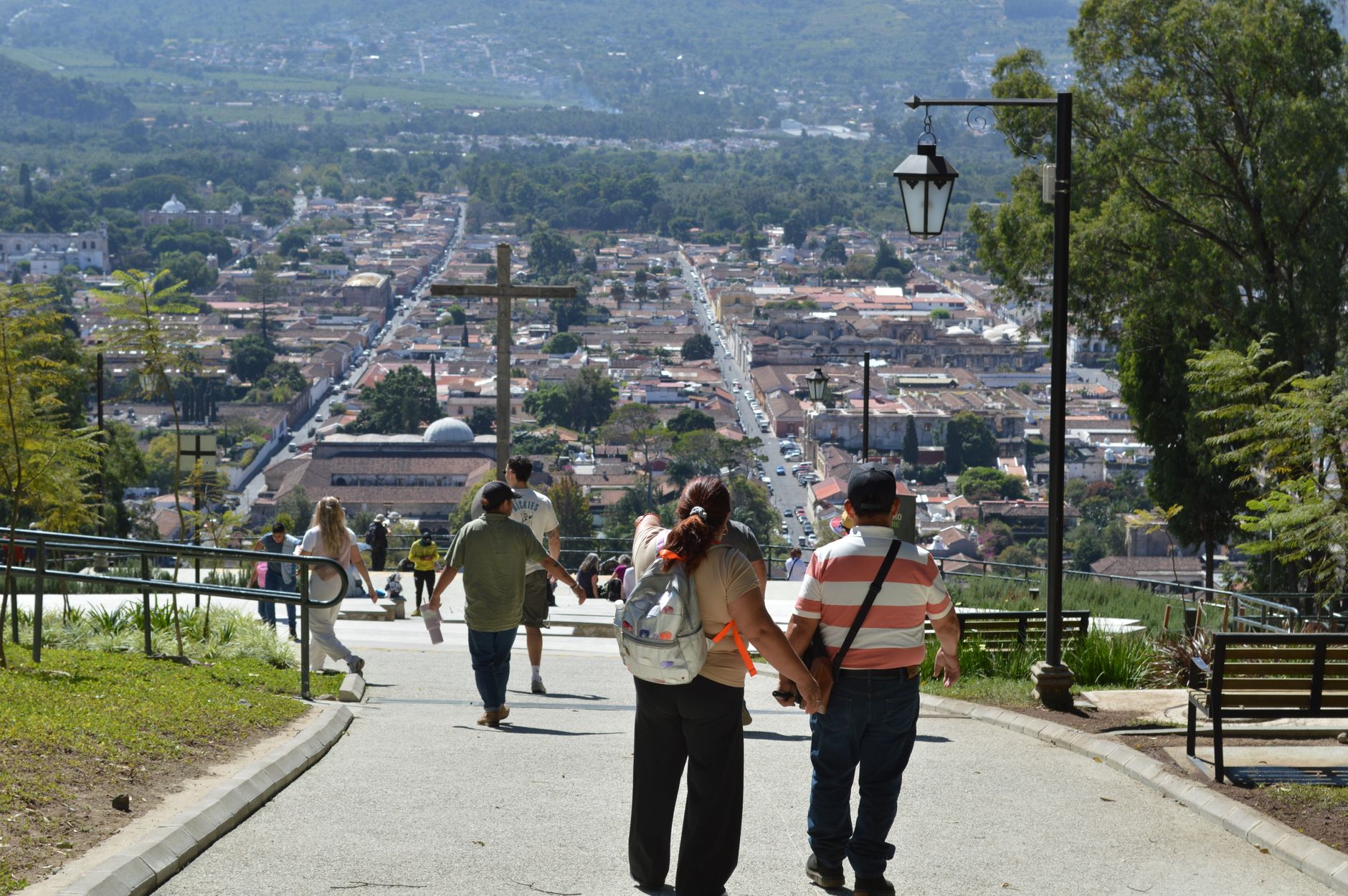
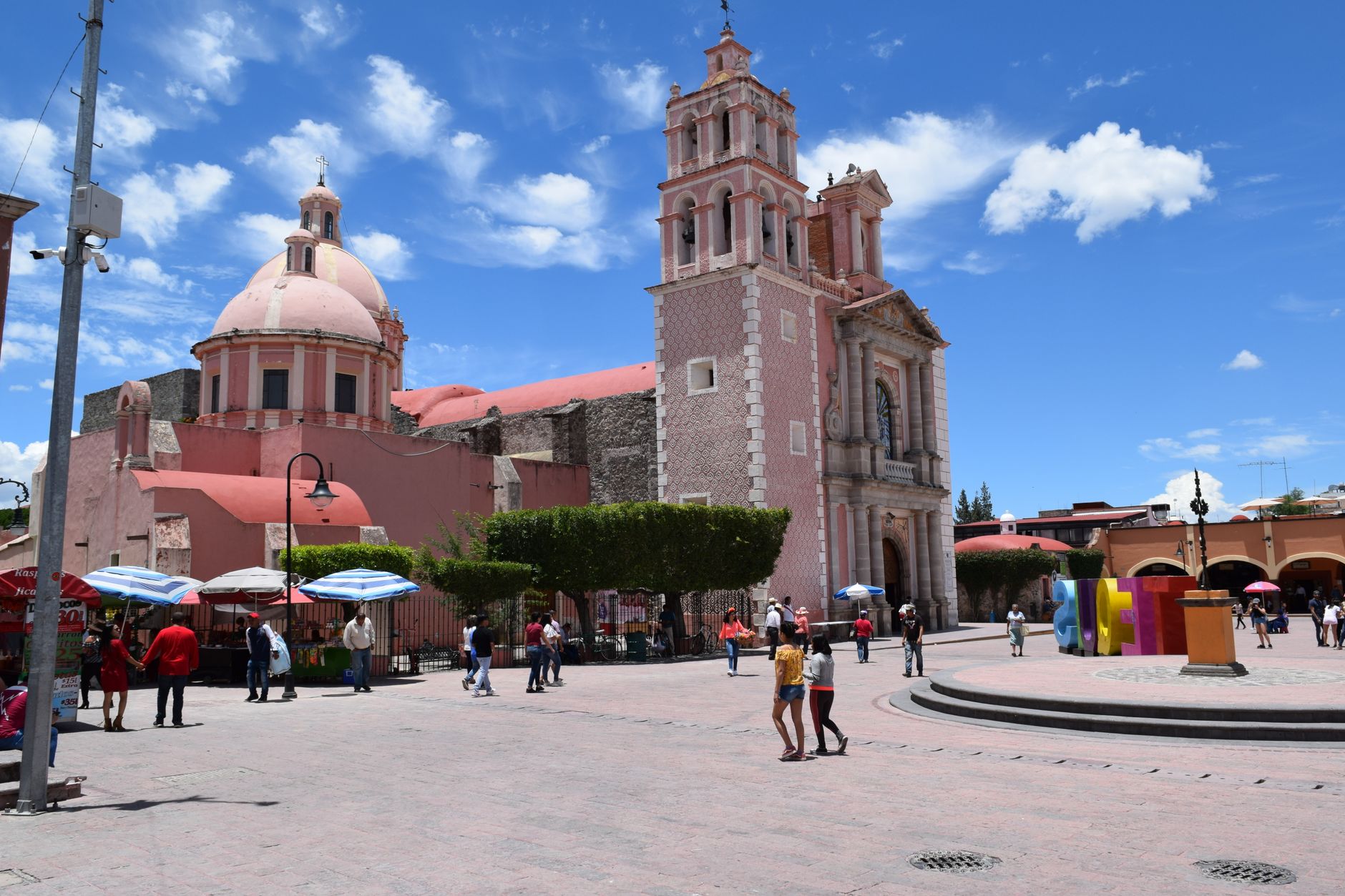
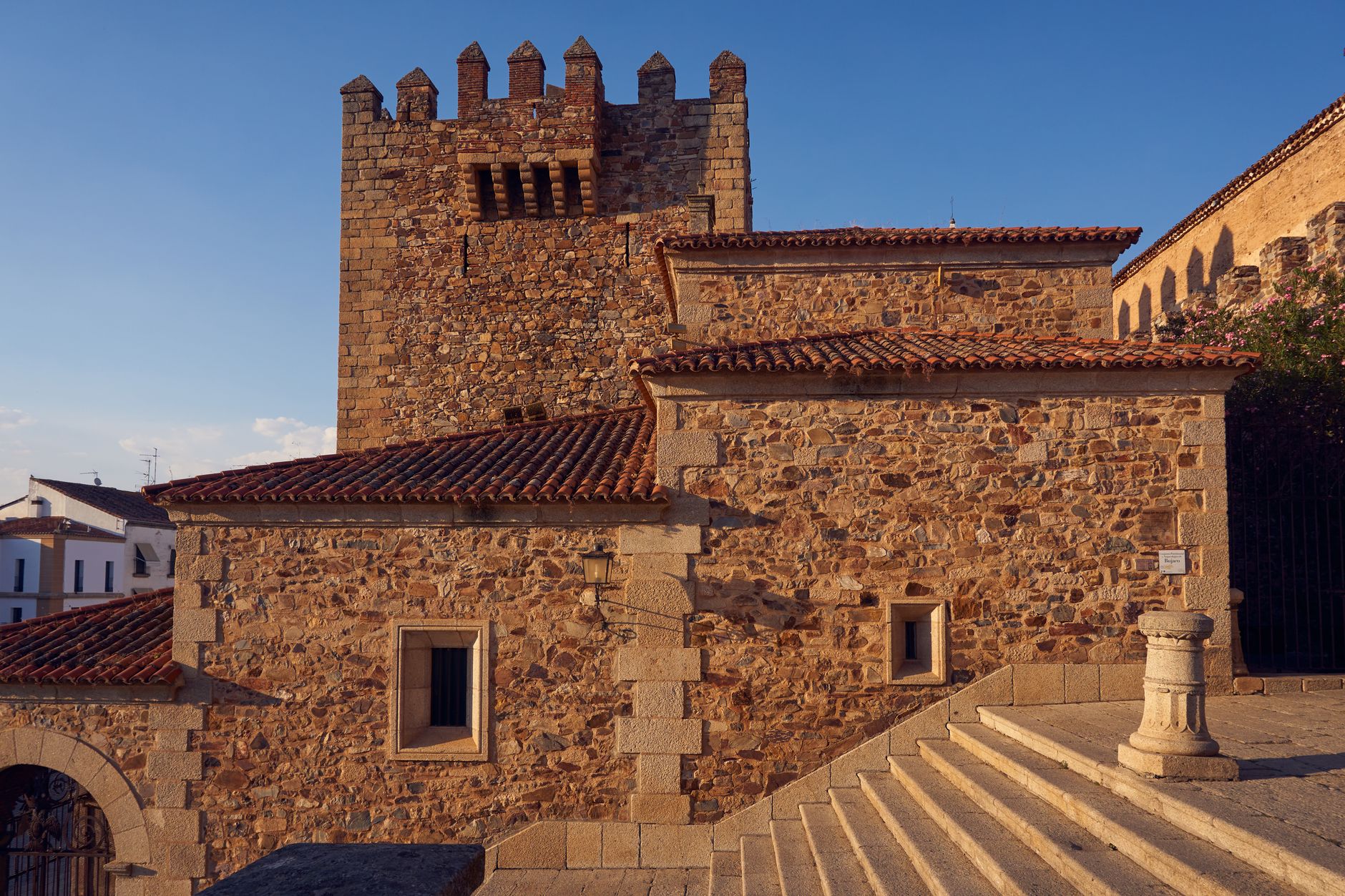
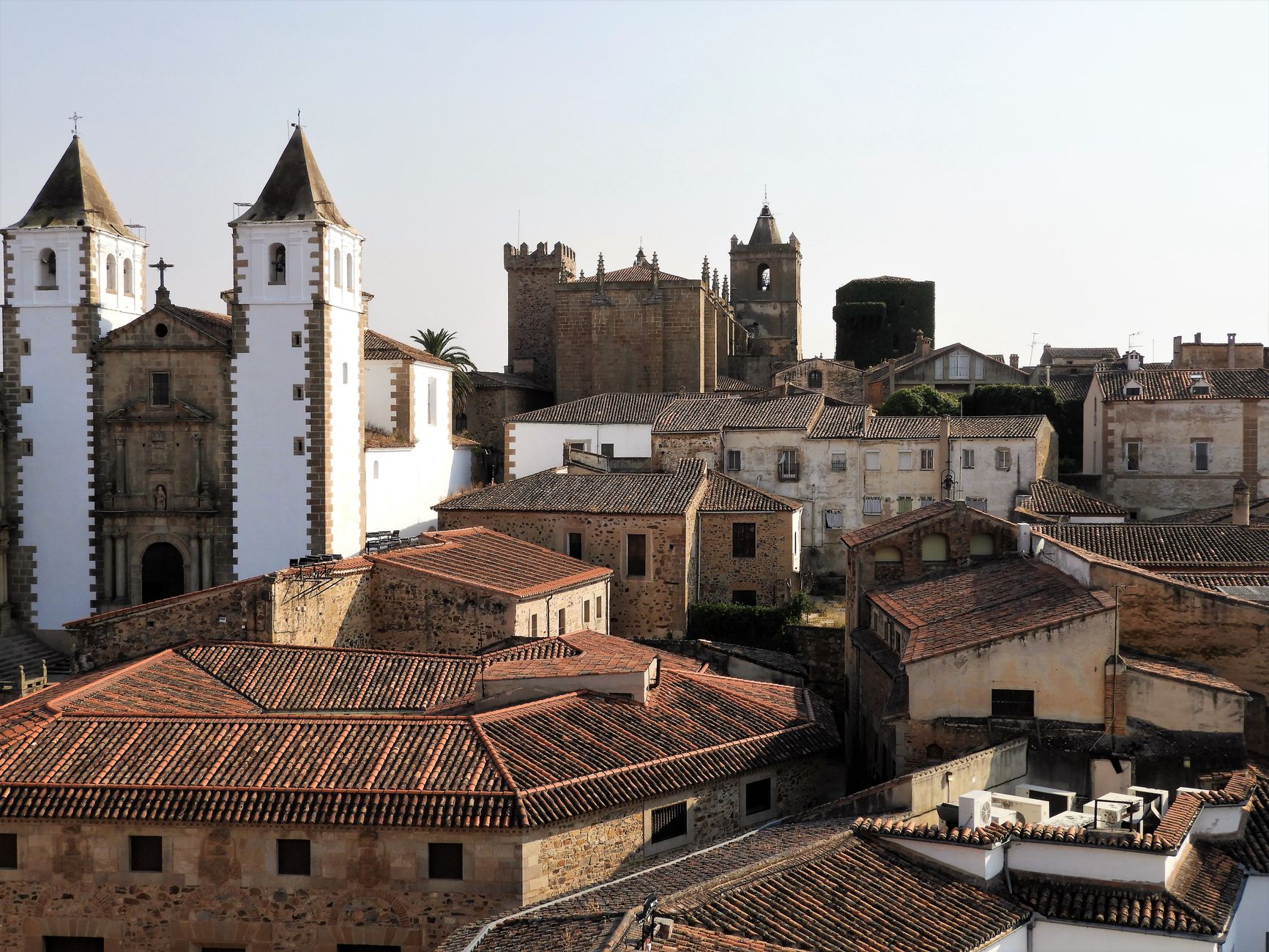
The road into Guadalupe drops through oak scrubland and then, without much warning, a Gothic-Mudéjar tower rises above the rooftops of a village that has been pulling people toward it for seven centuries. Everything here orients around the Royal Monastery of Santa María de Guadalupe — the square in front of it, the streets fanning out from it, the economy of the whole place.
Inside the monastery's sacristy hang eleven paintings by Francisco de Zurbarán, arranged as he intended them. The Mudéjar cloister, built in brick painted white and red, holds a small chapel at its centre dating to 1405. Columbus prayed here before sailing west, and returned to give thanks when he came back.
💛 What travellers fall for
People who return tend to time their visit for a weekday morning, arriving at the monastery gates by 9:30 before the tour groups form. The guided visits run in Spanish only — worth knowing in advance. Afterwards, the Plaza de Santa María is the right place to sit: the Tres Caños fountain marks ground where history quietly pooled.
Experiences you don't want to miss



Deals in Guadalupe
Book directly at the provider


How Guadalupe came to be
A shepherd reportedly found a carved statue of the Virgin Mary near the Guadalupe River in the late 13th or early 14th century. A hermitage went up on the spot, and pilgrims were arriving by 1326. In 1340, King Alfonso XI — crediting the Virgin with his victory over the Moors at the Battle of Río Salado — commissioned a proper monastery, first given to Augustinian monks and then, in 1389, to the Hieronymite Order, who built the Mudéjar cloister between 1389 and 1405.
The monastery became a node of Spanish imperial history: Isabella I kept a residence here, and in 1492 the documents authorizing Columbus's first voyage were signed within these walls. Secularization laws emptied the place in 1835 and it fell into disrepair; the Franciscans took over in 1908 and UNESCO recognised it in 1993.
Who and what shaped it
People who shaped it
Landmark buildings
See Guadalupe in motion
Plan your visit
On the map
When to go
Extremadura runs hot in July and August — temperatures in Guadalupe regularly exceed 35°C, and the town's elevation offers only partial relief. Spring (April to June) and early autumn (September to October) are the steadiest seasons for walking the streets and spending time outdoors without the heat pressing down on everything.
Right now
Background & history adapted from Wikipedia (CC BY-SA) · specs from Wikidata (CC0) · weather from Open-Meteo · map data © OpenStreetMap contributors · photos from Wikimedia Commons / Unsplash with per-image credit. No third-party reviews or social posts reproduced.