
Balearic Islands
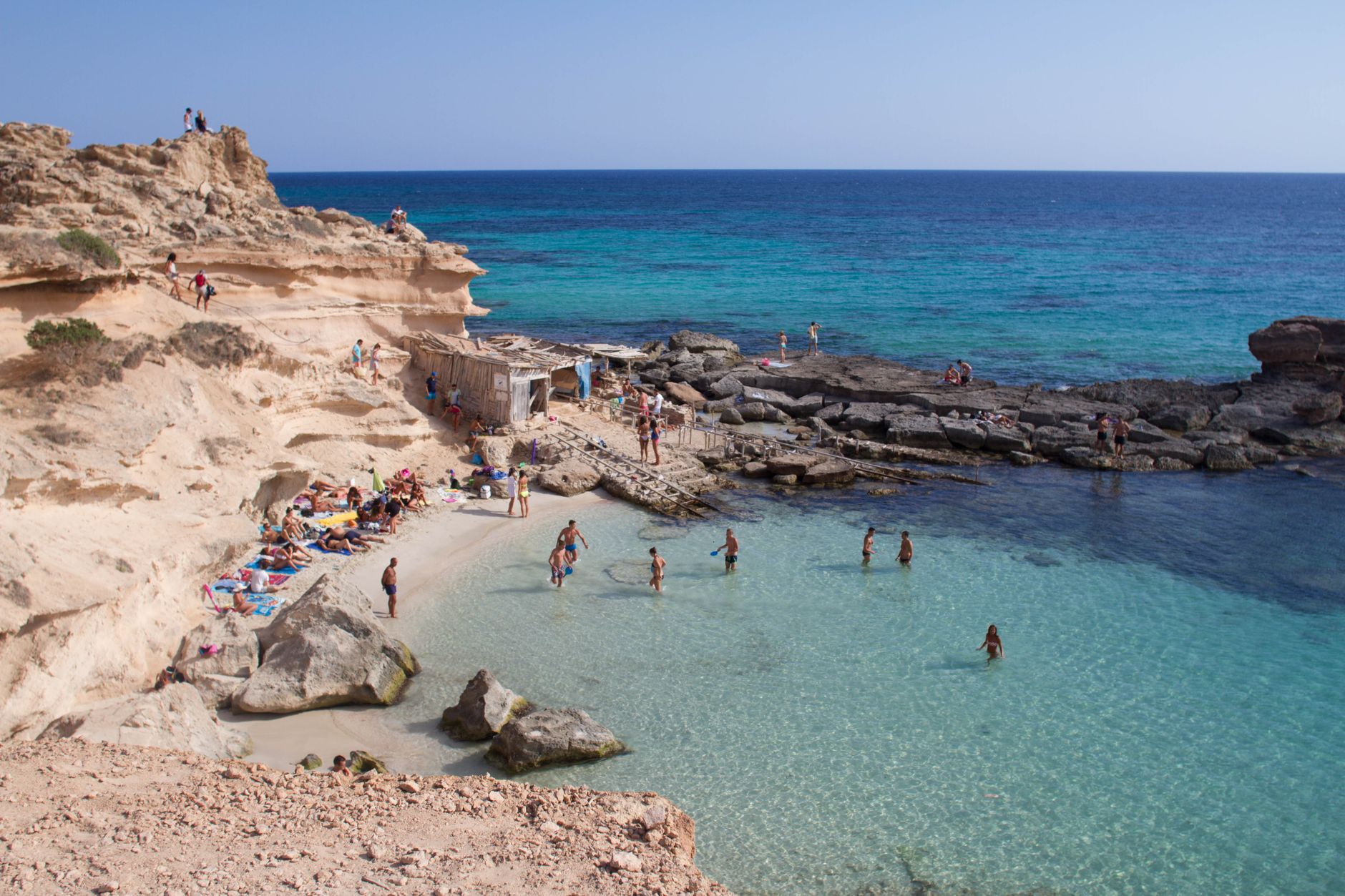
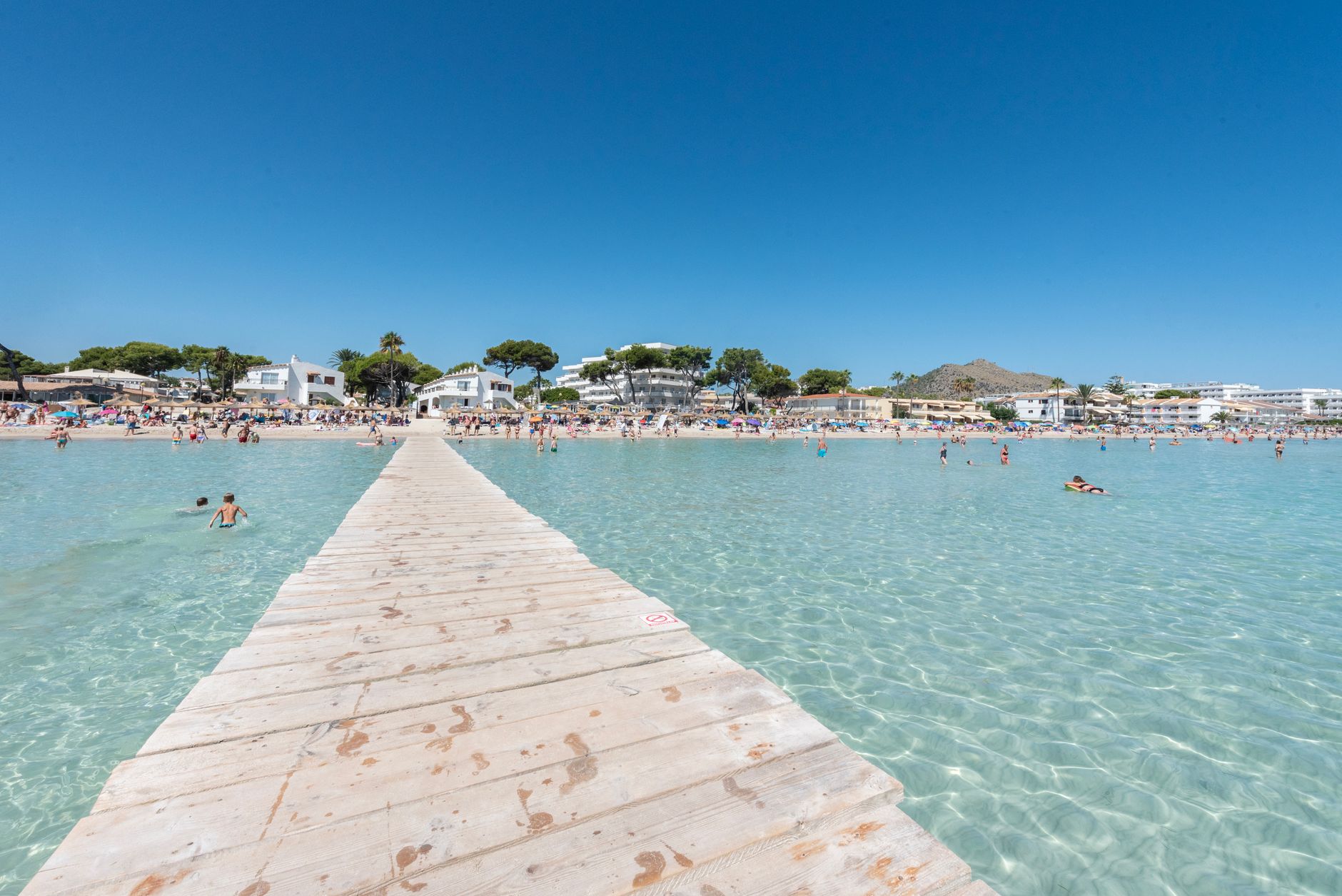
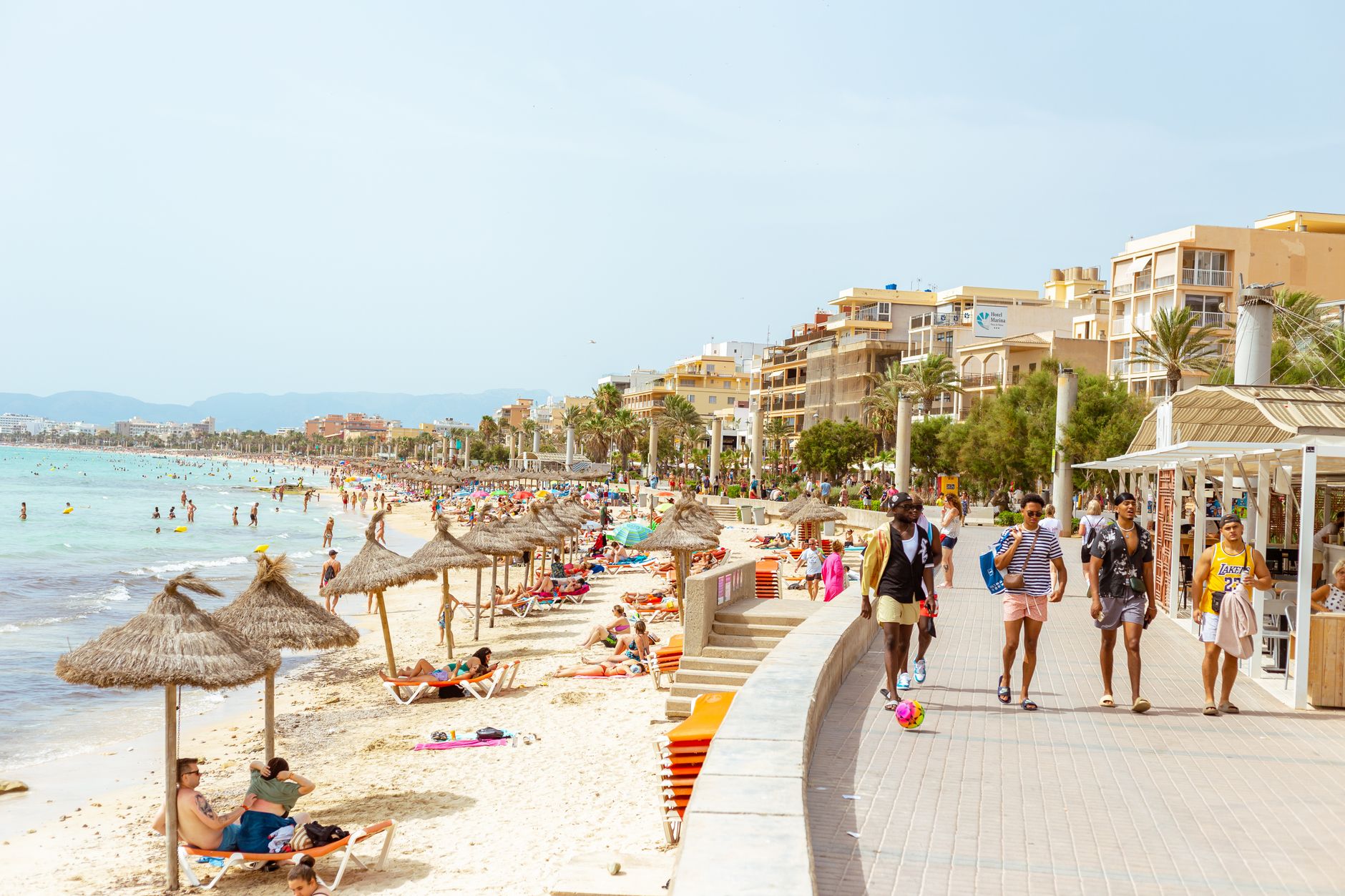
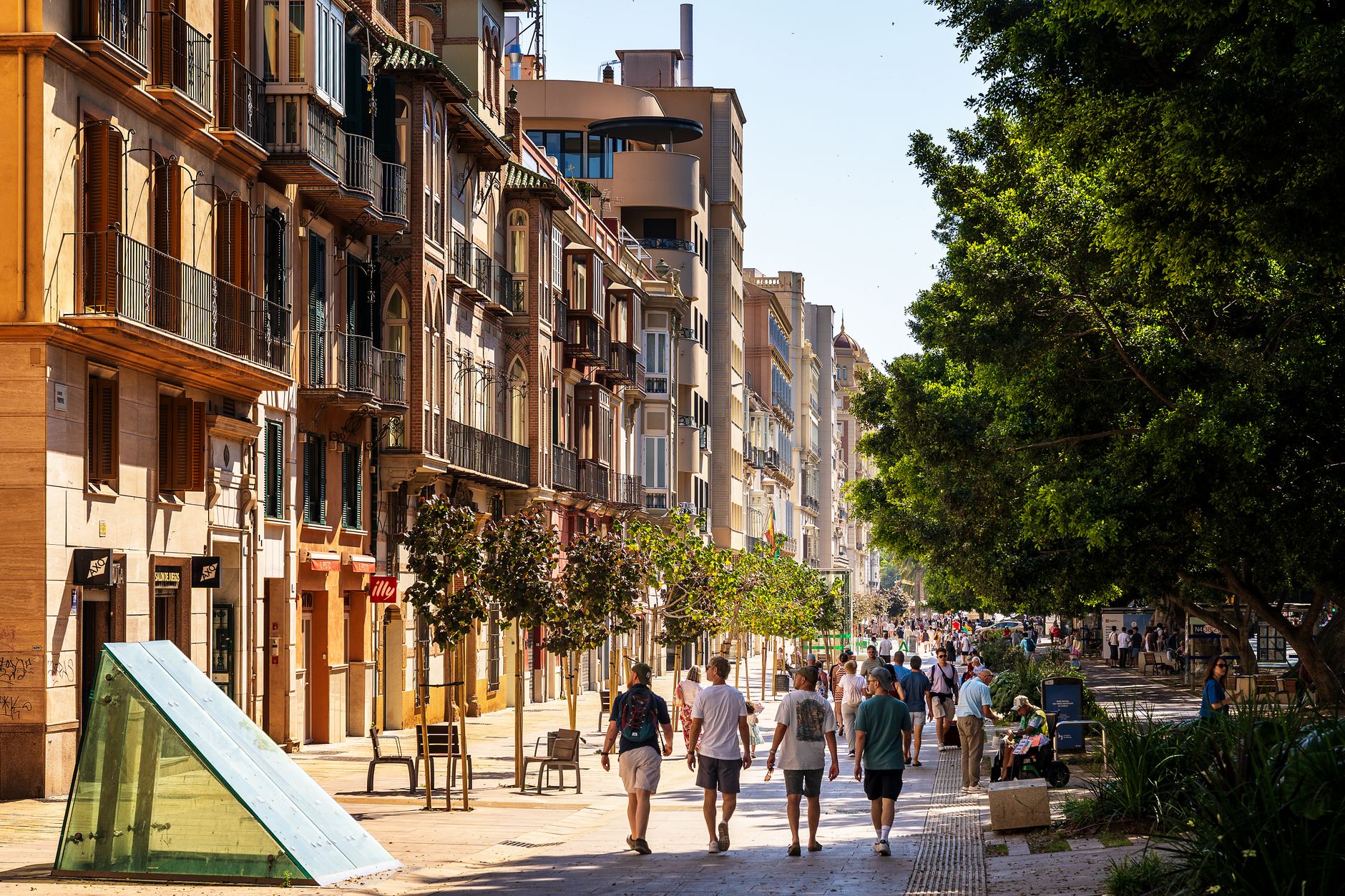
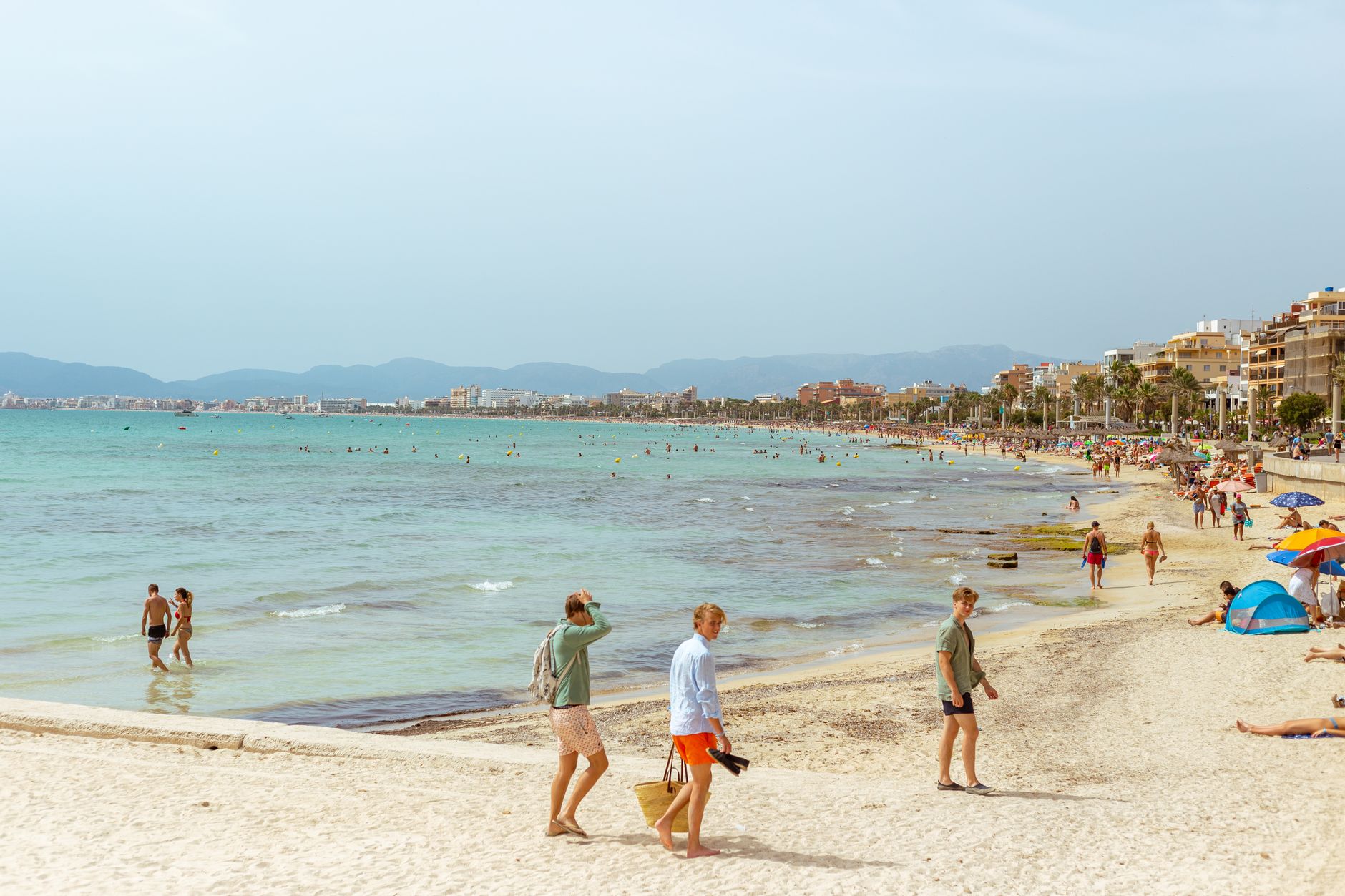
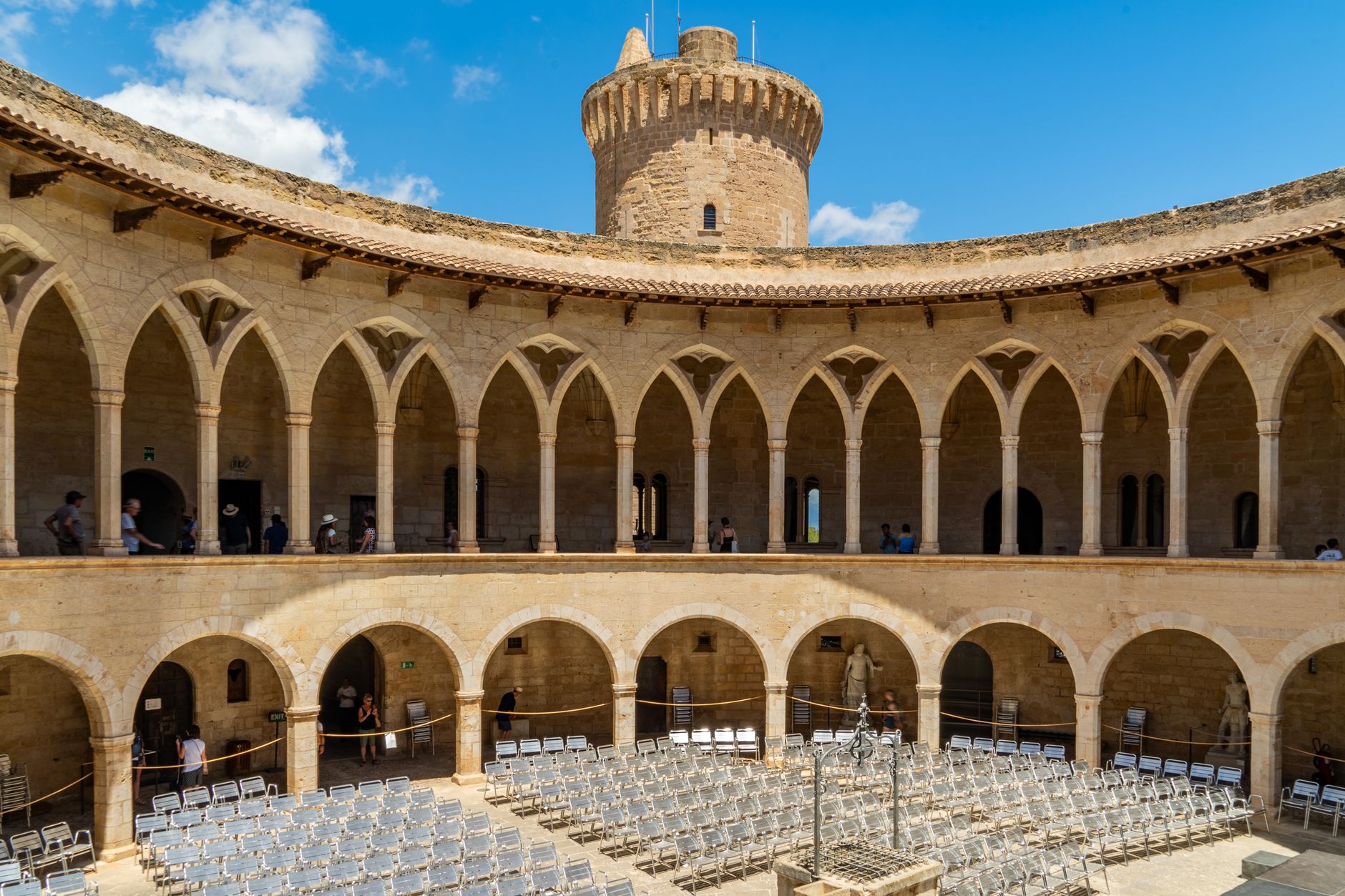
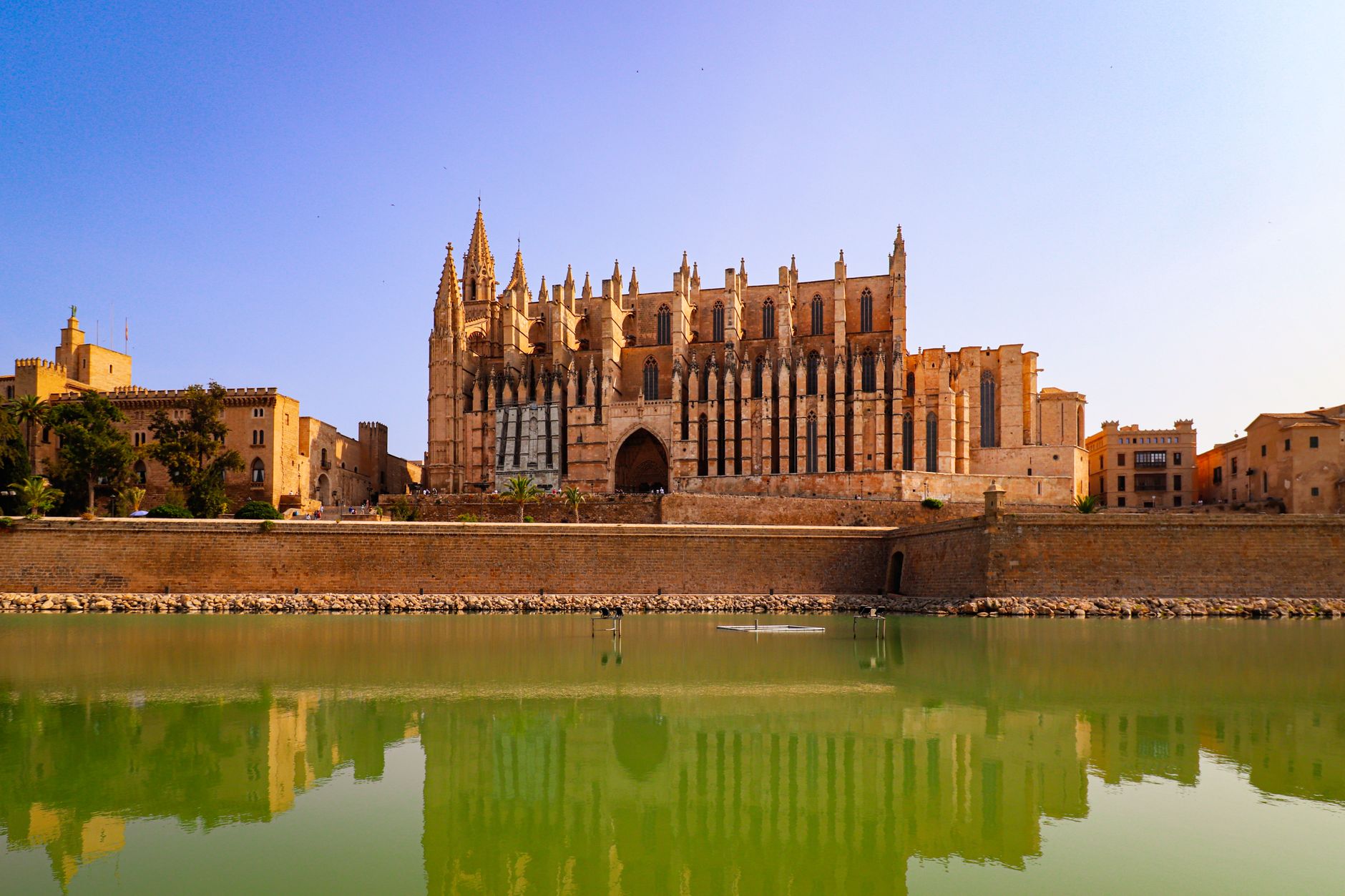
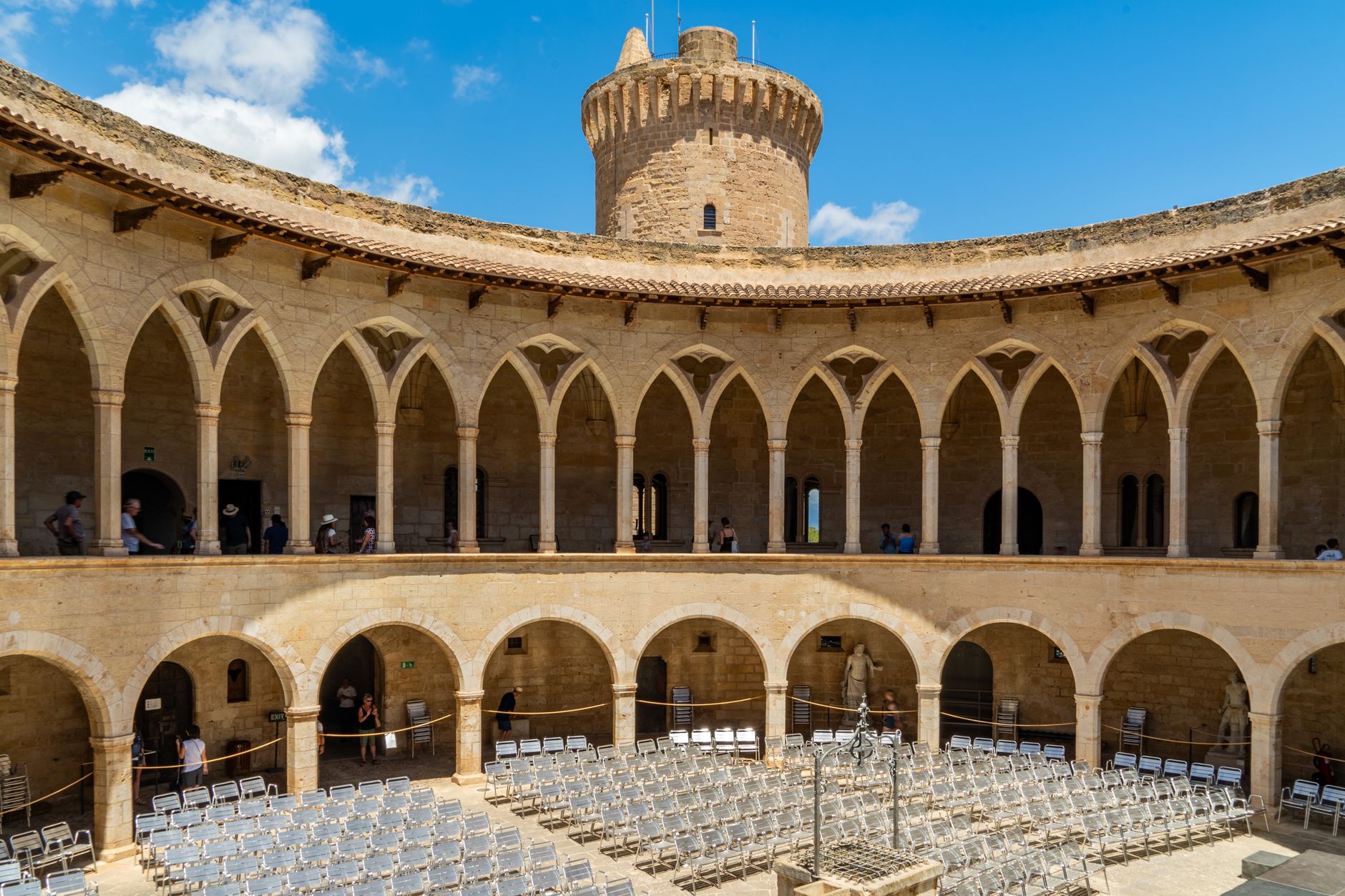
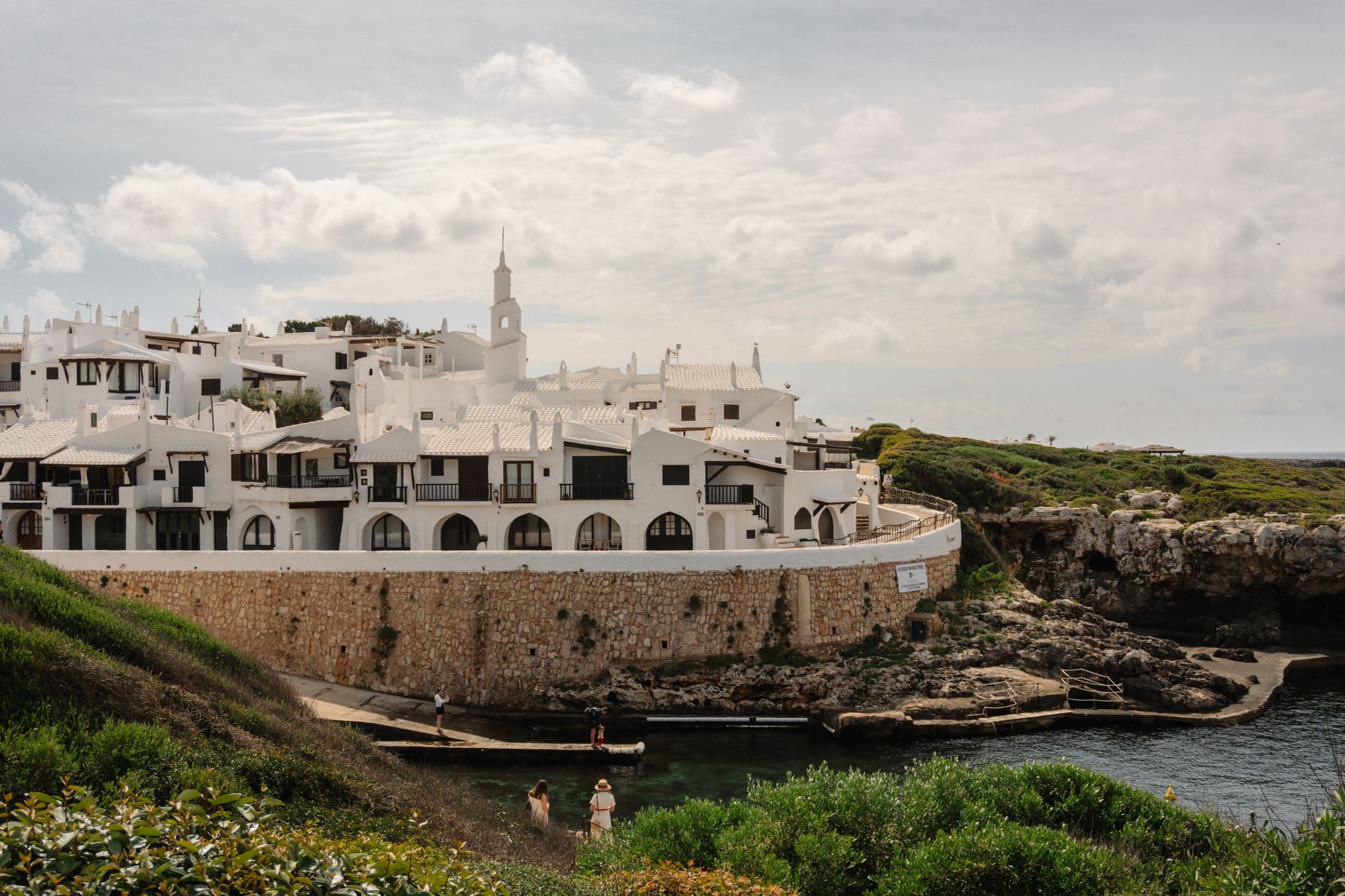
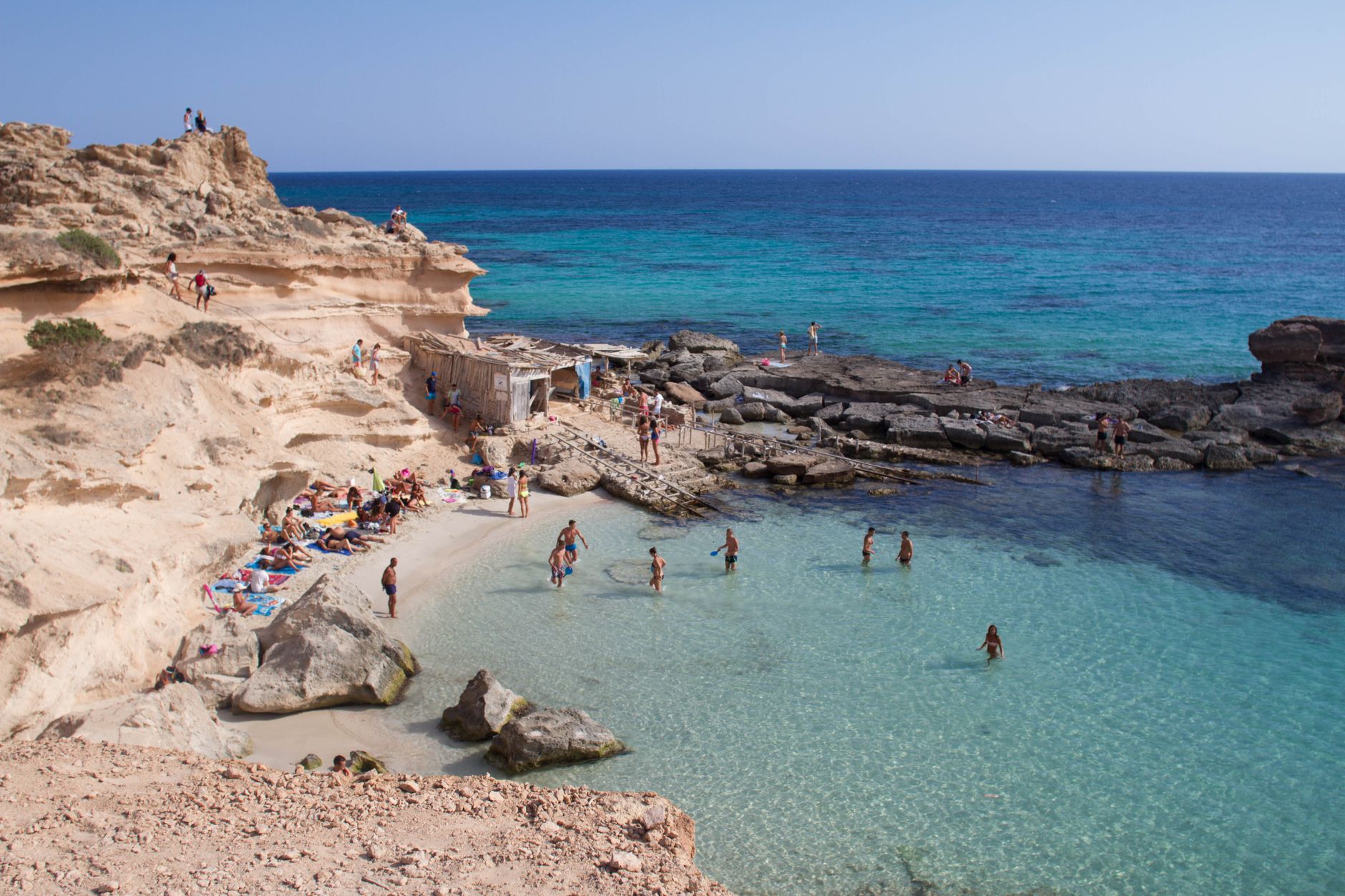
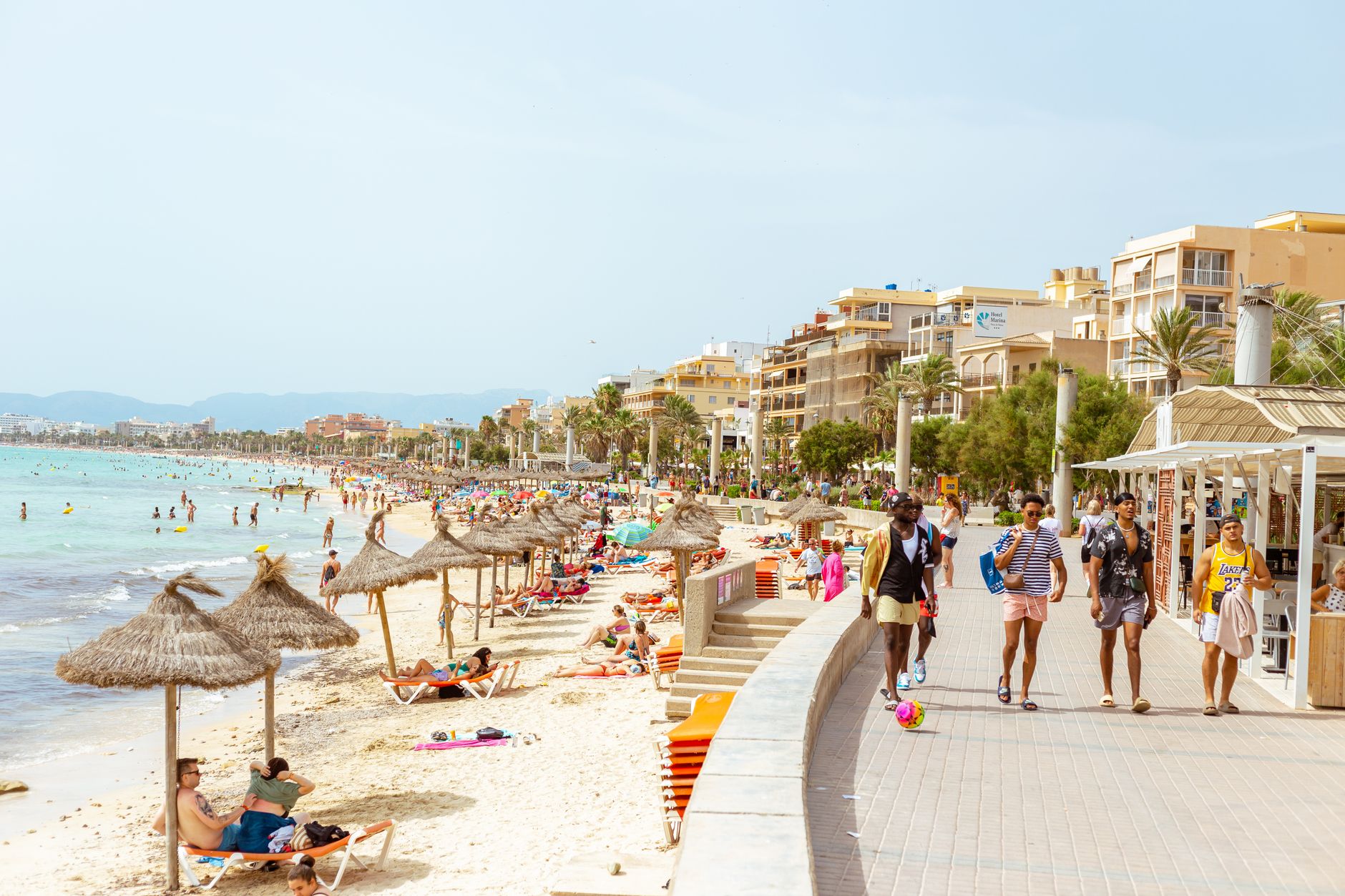
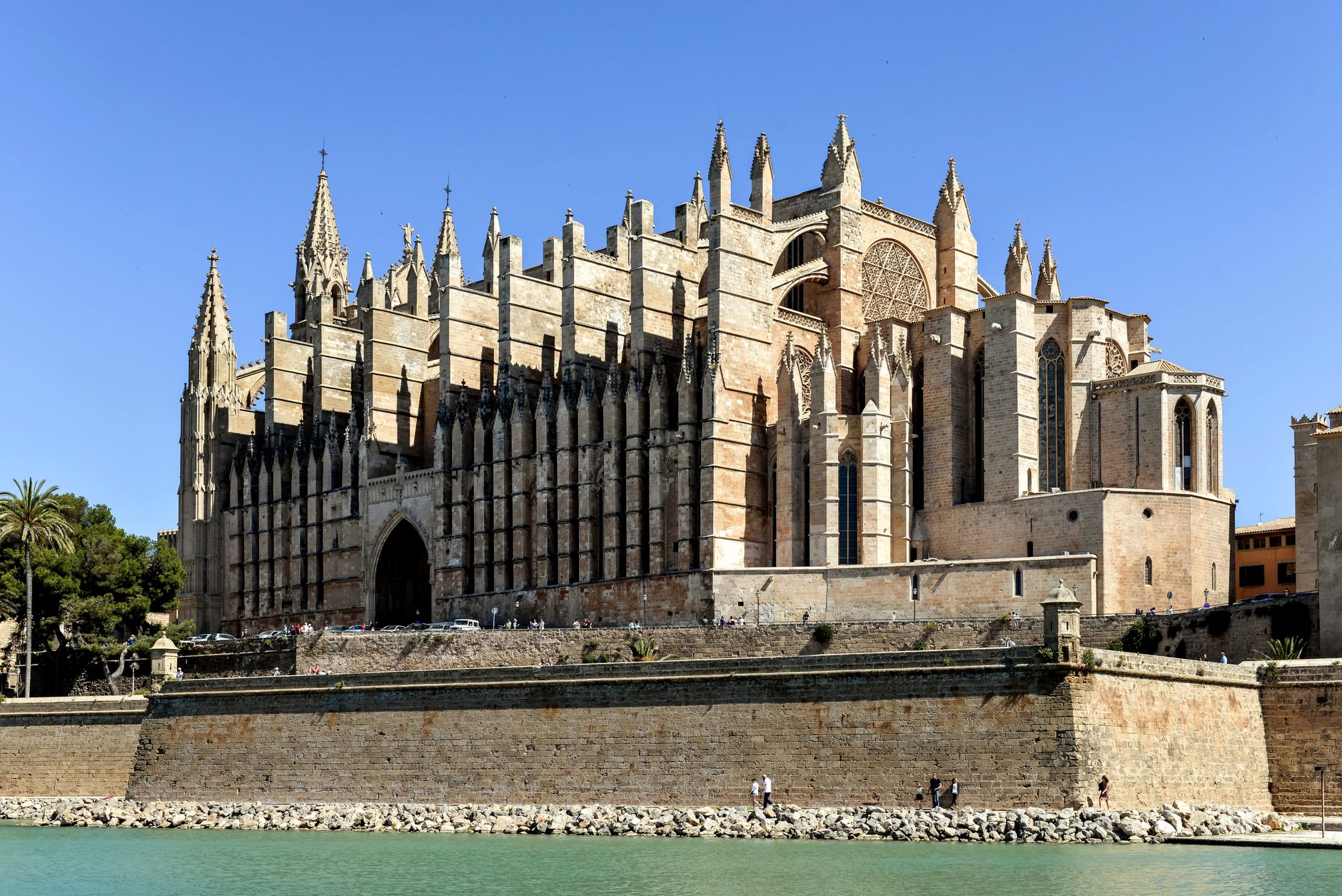
Four islands and a scatter of smaller ones sit in the western Mediterranean, each pulling in a different direction. Mallorca has the Gothic cathedral that rises straight from the seafront at Palma, a mountain range declared a UNESCO World Heritage Site, and caves whose underground lakes are lit for boat concerts. Menorca has Bronze Age stone towers still standing in farmers' fields. Ibiza has the Carthaginian foundations under its old town. Formentera has no airport at all — you reach it by ferry from Ibiza in half an hour, and that small inconvenience keeps it quieter than its neighbours.
Together they form an autonomous community with their own co-official language, Catalan, and a history that passed through Carthaginian, Roman, Byzantine, Moorish, Aragonese and briefly British hands before settling into Spain.
Popular cities in Balearic Islands
💛 What travellers fall for
People who keep coming back tend to split their time: a few days in Palma for the cathedral and the old lanes around La Almudaina, then a ferry or short flight to whichever island they haven't properly seen yet. Menorca rewards a rental car and no fixed plan. Formentera rewards arriving with almost nothing booked.
Experiences you don't want to miss


How Balearic Islands came to be
People were living on these islands by around 2500 BC, and by roughly 1000 BC the Talayotic culture was raising the stone towers — talayots — that still punctuate the landscapes of Mallorca and Menorca. Carthage founded the city of Ibiza in 654 BC. Rome arrived in 123 BC when Q. Caecilius Metellus took the islands by force; he founded Palma and Pollentia on Mallorca and earned a triumph in Rome for the campaign.
The islands changed hands repeatedly — Vandals, Byzantines, Moors, the Crown of Aragon under James I, who landed on Mallorca in 1229. A stranger chapter opened with the Treaty of Utrecht in 1713, which handed Menorca to Britain as part of the peace settlement ending the War of the Spanish Succession. The Balearics returned fully to Spain by 1883, and became an autonomous community in 1983.
Who and what shaped it
People who shaped it
Landmark buildings
See Balearic Islands in motion
Plan your visit
On the map
When to go
Summers are hot and dry, with sea temperatures peaking in August. Spring and autumn are mild and often clear — the better seasons for walking the Serra de Tramuntana or exploring Menorca without the July heat. Winters are cool and quiet, with occasional rain, but rarely cold enough to close anything.
Right now
↡ Cities

No places match these filters.
Background & history adapted from Wikipedia (CC BY-SA) · specs from Wikidata (CC0) · weather from Open-Meteo · map data © OpenStreetMap contributors · photos from Wikimedia Commons / Unsplash with per-image credit. No third-party reviews or social posts reproduced.