
Calvià
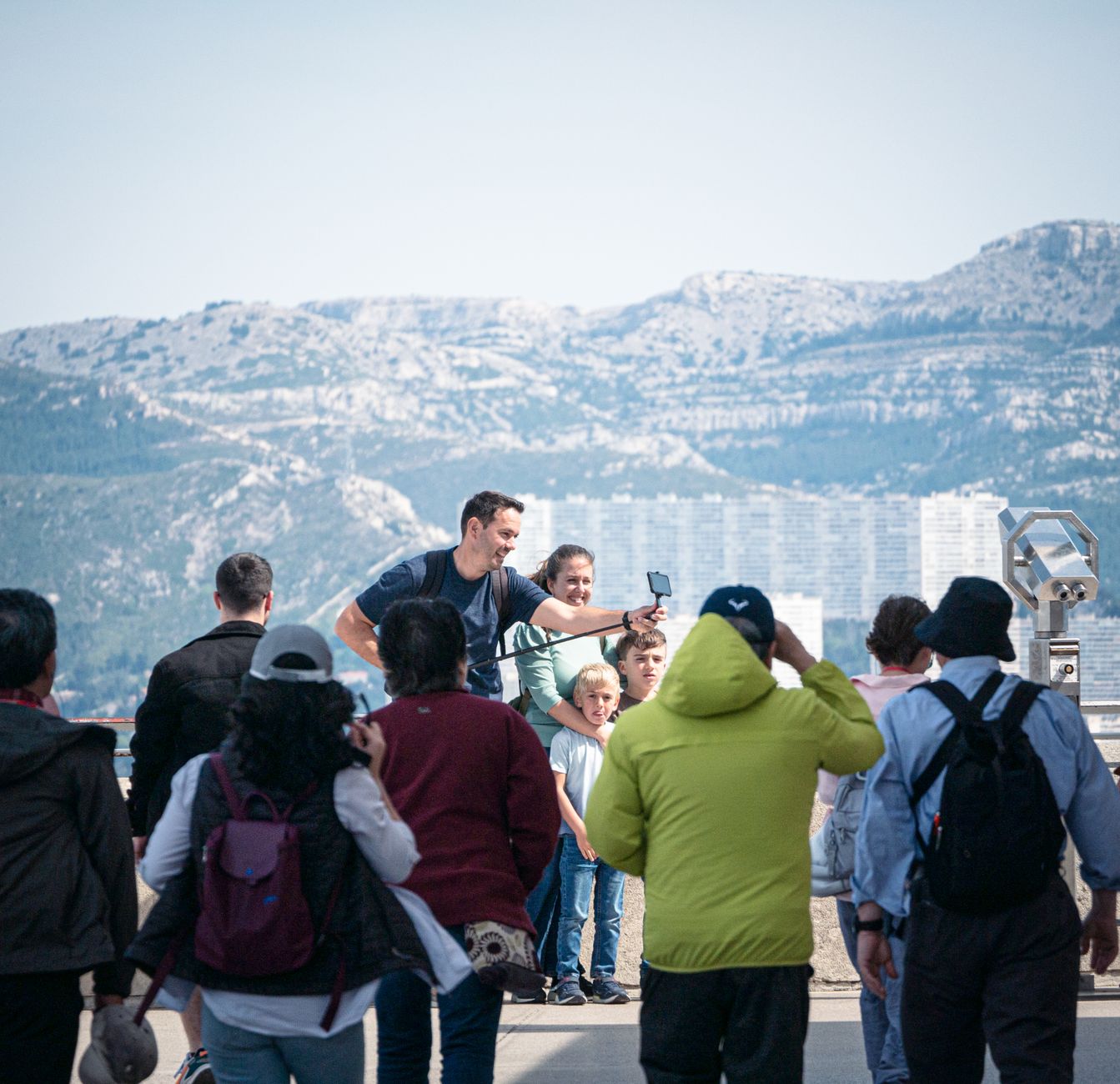
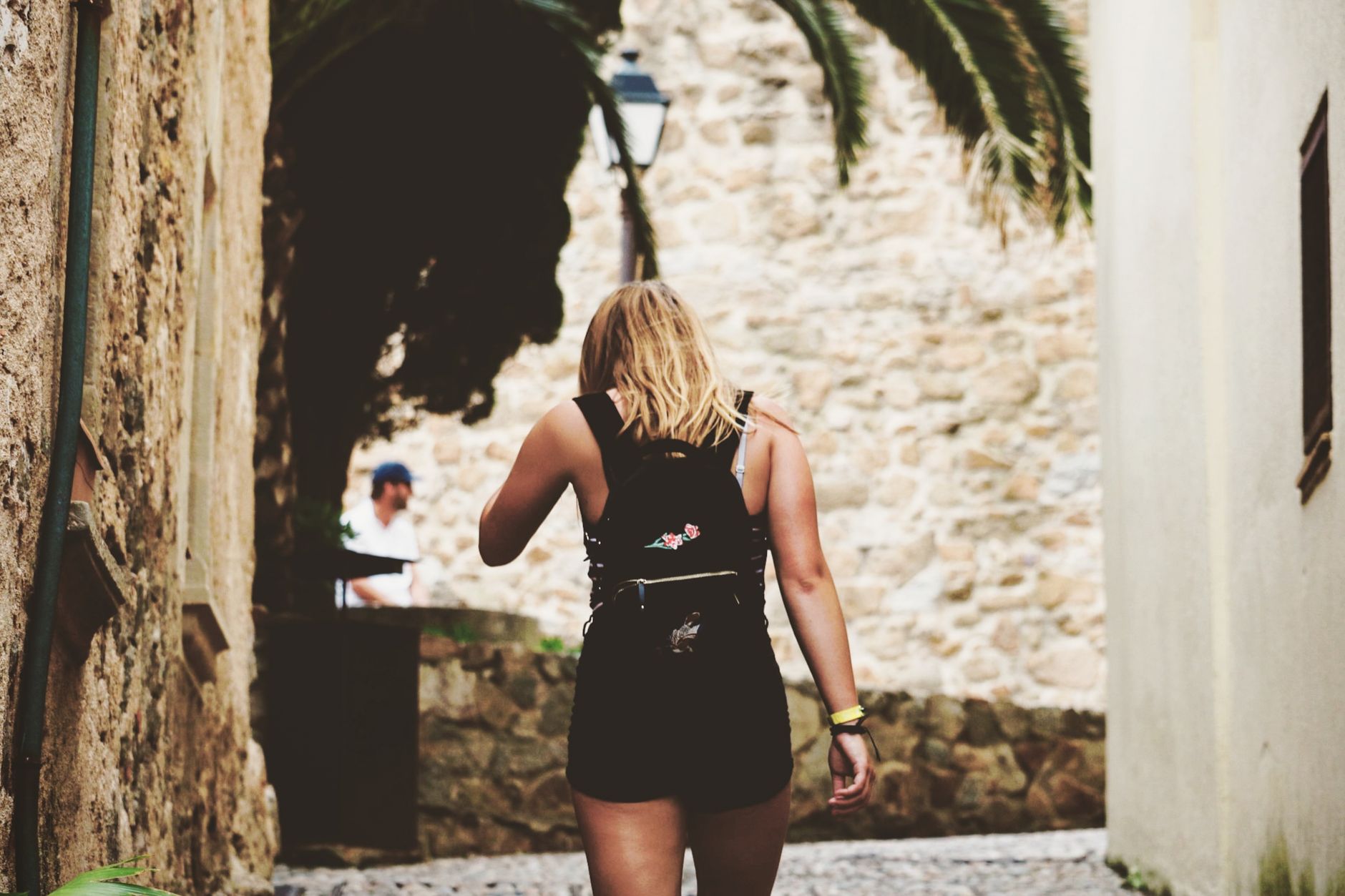
The town of Calvià sits in the hills of southwest Mallorca with ochre houses, carob trees, and chickens picking between the olive groves — a different register entirely from the coast a few kilometres below. On a Monday morning, Calle Major fills with a market of food, clothes, and traditional craft, and the two-towered Sant Joan Baptista church anchors the square the way it has, in various forms, since the 13th century.
This is the administrative heart of a municipality that stretches all the way to the sea, encompassing everything from Roman pottery kilns to 16th-century defence towers built against pirate raids. The town itself moves at its own pace.
💛 What travellers fall for
People who come back tend to time a visit around the Festival of San Juan Bautista in June — the tradition of inviting every neighbour over 75 for free almond ice cream and ensaimadas has been running since the 1950s and remains genuinely local. The 3-kilometre walk to the hamlet of Es Capellà through rural estates is worth the afternoon.
Experiences you don't want to miss


Deals in Calvià
Book directly at the provider

How Calvià came to be
King James I of Aragon landed at nearby Santa Ponça on 10 September 1229 and drove out the Muslim rulers who had held the island since 903. The town that grew from that conquest remained a small agricultural settlement for seven centuries — population still under 3,000 in 1960. The Roman Villa of Sa Mesquida, a rural estate that housed the first pottery kiln discovered on Mallorca, shows how long people have been working this land.
Coastal raids through the 16th and 17th centuries pushed residents to build circular stone defence towers — Castellot de Santa Ponça among them — that still stand along the shoreline. Steamboat service from Barcelona arrived in 1838, and eventually, so did tourism: by 1980 the municipal population had jumped to over 11,500, and by 2008 to more than 50,000, nearly a third of them foreign residents.
Who and what shaped it
Landmark buildings
See Calvià in motion
Plan your visit
On the map
When to go
Summers run warm and dry, with daily highs around 28°C and June averaging over twelve hours of sunshine a day; winters are mild but genuinely wet, with highs rarely above 15°C. Spring arrives gradually — 17°C in March, climbing to 23°C by May — and is one of the quieter, greener times to visit.
Right now
Background & history adapted from Wikipedia (CC BY-SA) · specs from Wikidata (CC0) · weather from Open-Meteo · map data © OpenStreetMap contributors · photos from Wikimedia Commons / Unsplash with per-image credit. No third-party reviews or social posts reproduced.