
Manacor
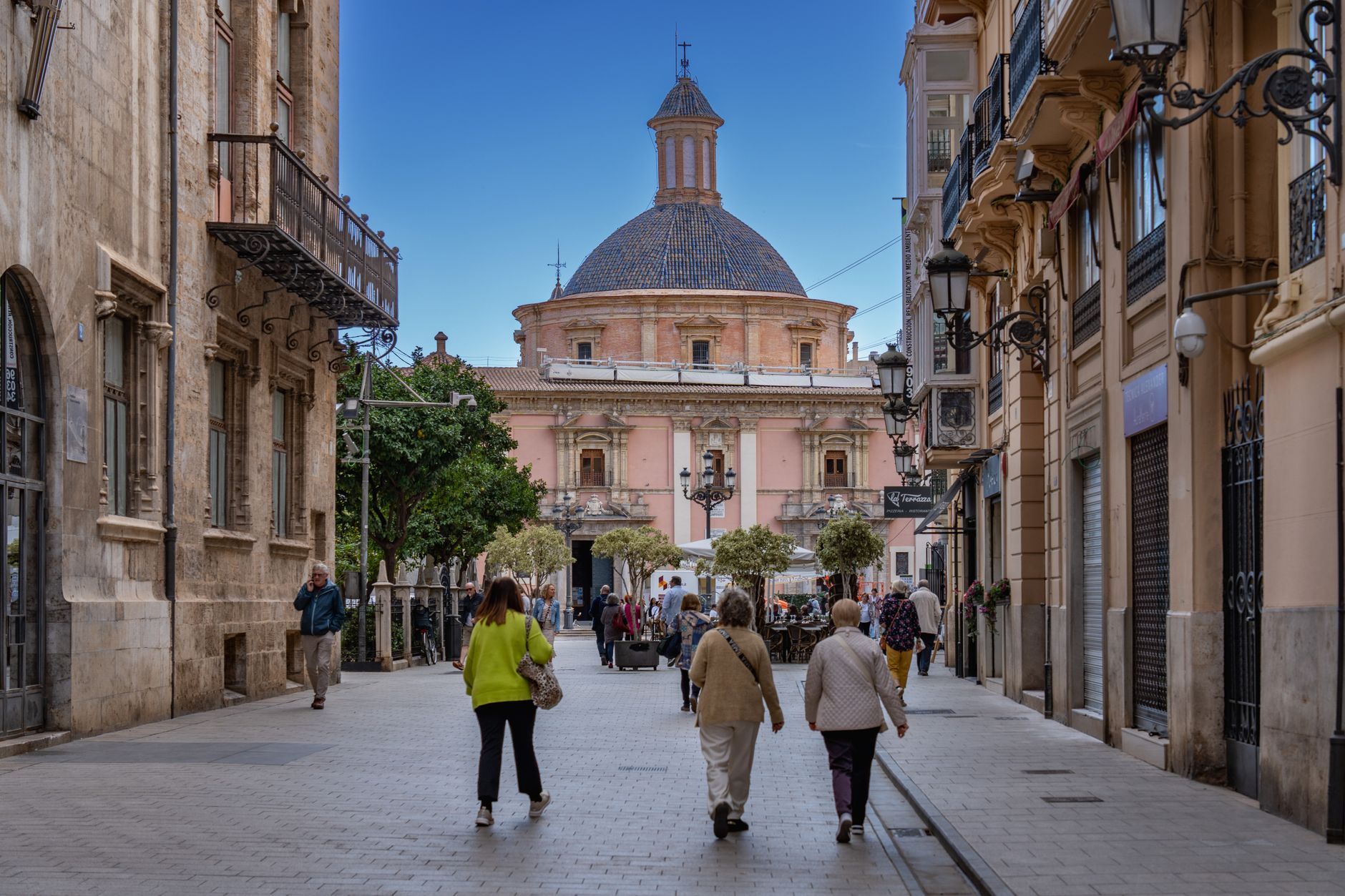
Manacor sits about 31 miles east of Palma, far enough inland that the sea is a short drive rather than a backdrop. The town is known for two things that couldn't be more different: Rafael Nadal, who grew up here and still calls it home, and artificial pearls, manufactured since 1897 at the Majorica factory where visitors can watch the layering process in person.
Beyond those two calling cards is a working Mallorcan city with a Monday street market that draws half the island, a church bell tower rising 75 metres above the plain, and a 29-kilometre eco-path — the only Via Verde in the Balearics — threading out from its edge.
💛 What travellers fall for
People who return tend to time it around the Monday market, then spend the afternoon at Torre dels Enagistes — the Gothic mansion that now holds the History Museum — before driving the ten kilometres to Porto Cristo for the evening. The Coves del Drach, within the municipality, reward an early arrival before the coach groups arrive.
Experiences you don't want to miss




Deals in Manacor
Book directly at the provider

How Manacor came to be
People have lived on this ground since roughly 2000–1200 BC; the talayotic settlements of s'Hospitalet Vell and Boc i Bellver are among the traces they left. After James I of Aragon's 13th-century conquest, the land passed to Nuño Sánchez, and in 1300 James II granted Manacor its municipal statute. The oldest documented church on the site of Nostra Senyora dels Dolors dates to 1232, possibly built over an Arab mosque.
Saint Vincent Ferrer visited in 1414, and by 1576 a convent in his name was founded — the complex is now a declared national monument. The late 19th century brought the railroad from Inca (1879) and then, in 1897, the Majorica pearl factory, which turned a craft curiosity into an industry the town still trades on.
Who and what shaped it
People who shaped it
Landmark buildings
See Manacor in motion
Plan your visit
On the map
When to go
Summers are long, dry and reliably sunny — July averages 320 hours of sunshine and barely 6 mm of rain. Spring and autumn are mild and more comfortable for walking the Via Verde or exploring the old towers; February is the coolest month, averaging around 16°C at its warmest.
Right now
Background & history adapted from Wikipedia (CC BY-SA) · specs from Wikidata (CC0) · weather from Open-Meteo · map data © OpenStreetMap contributors · photos from Wikimedia Commons / Unsplash with per-image credit. No third-party reviews or social posts reproduced.