
Sóller
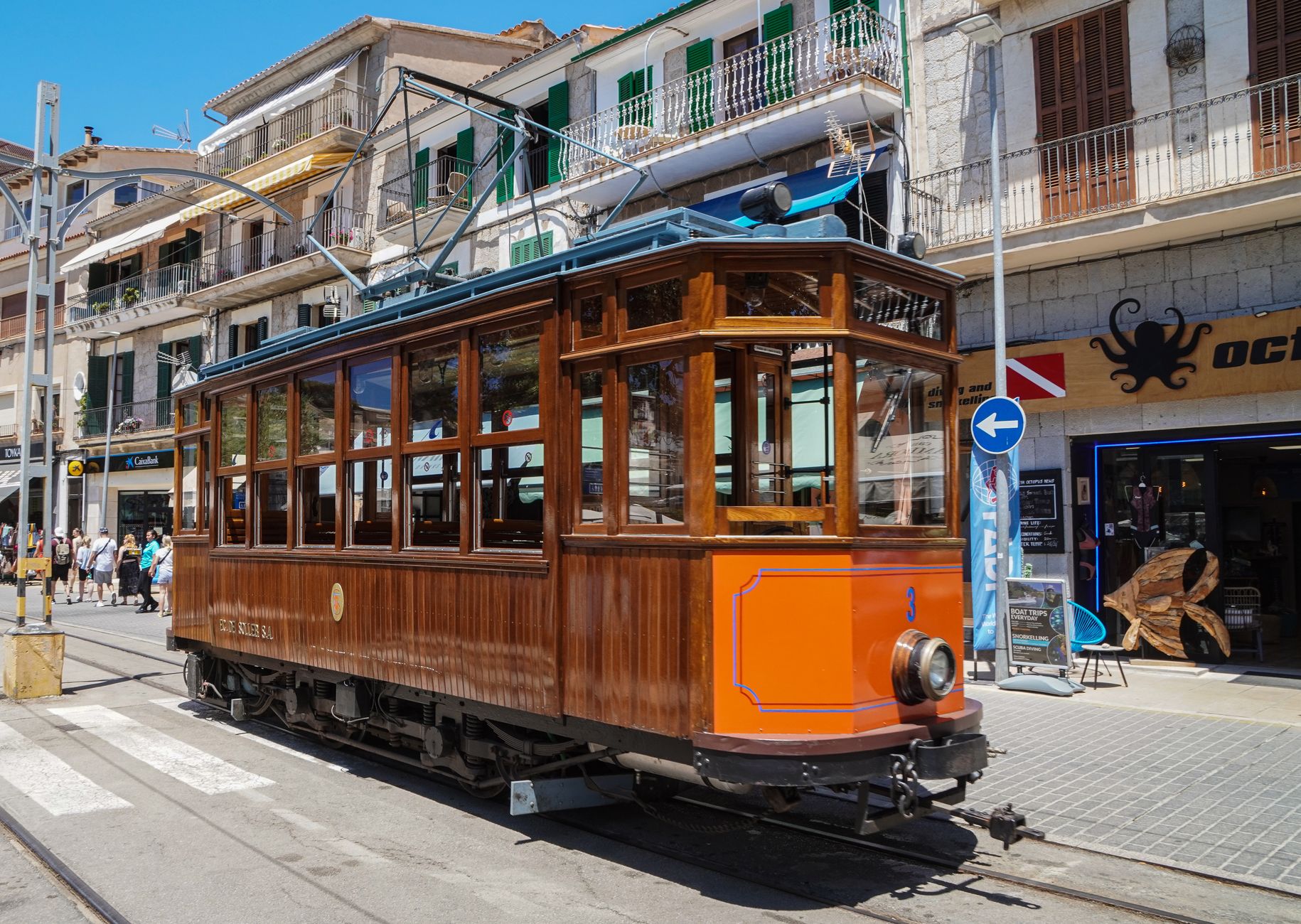
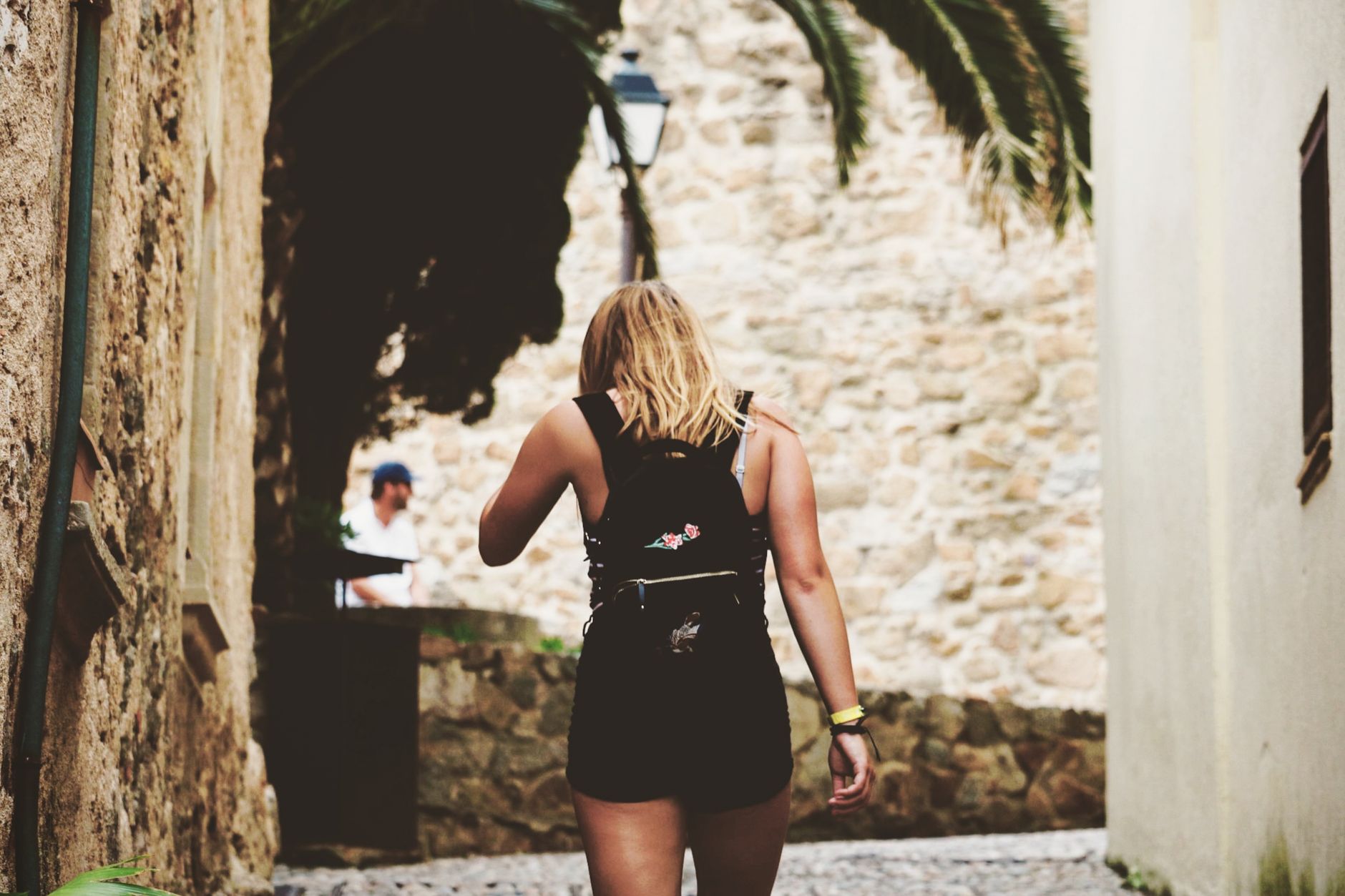
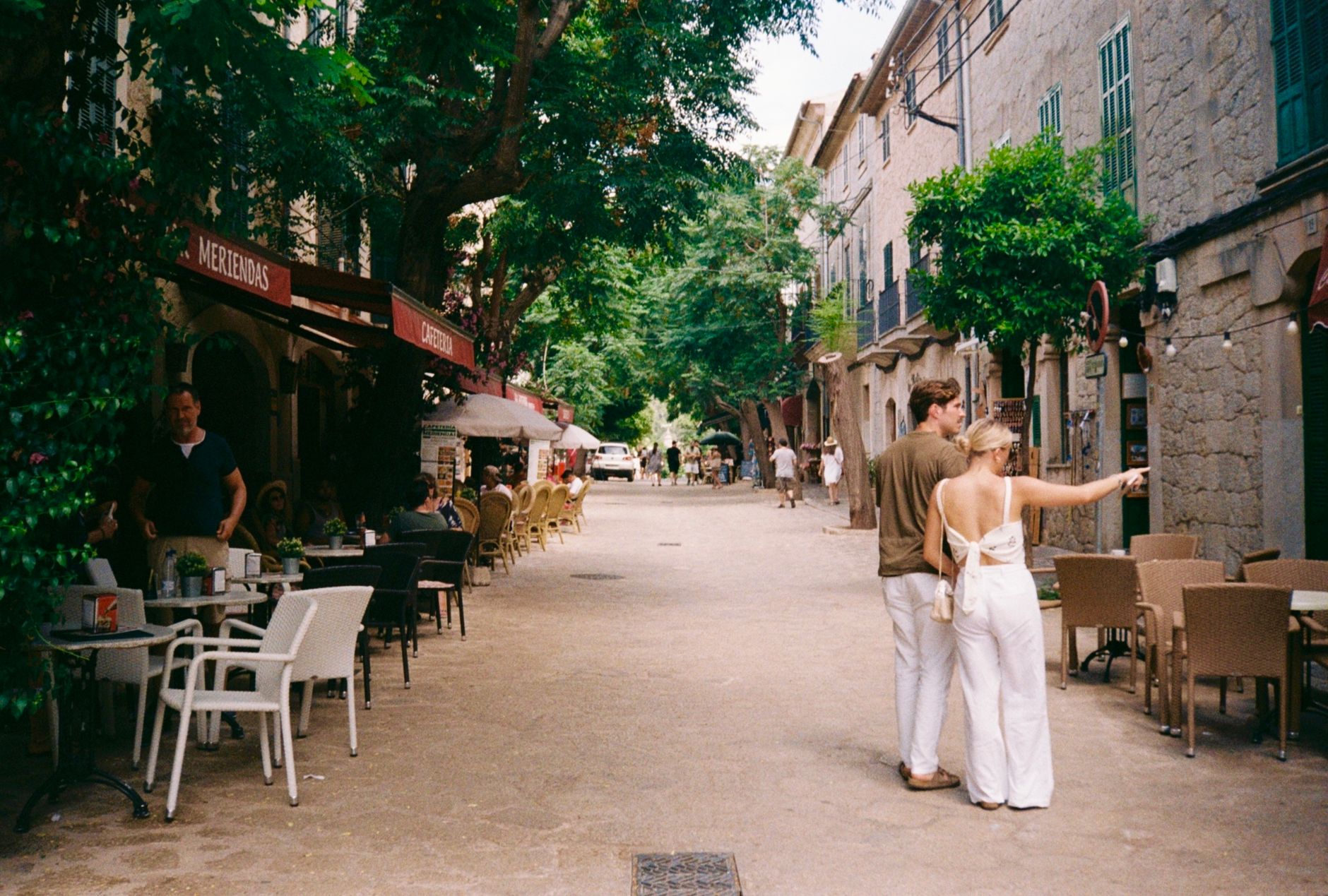
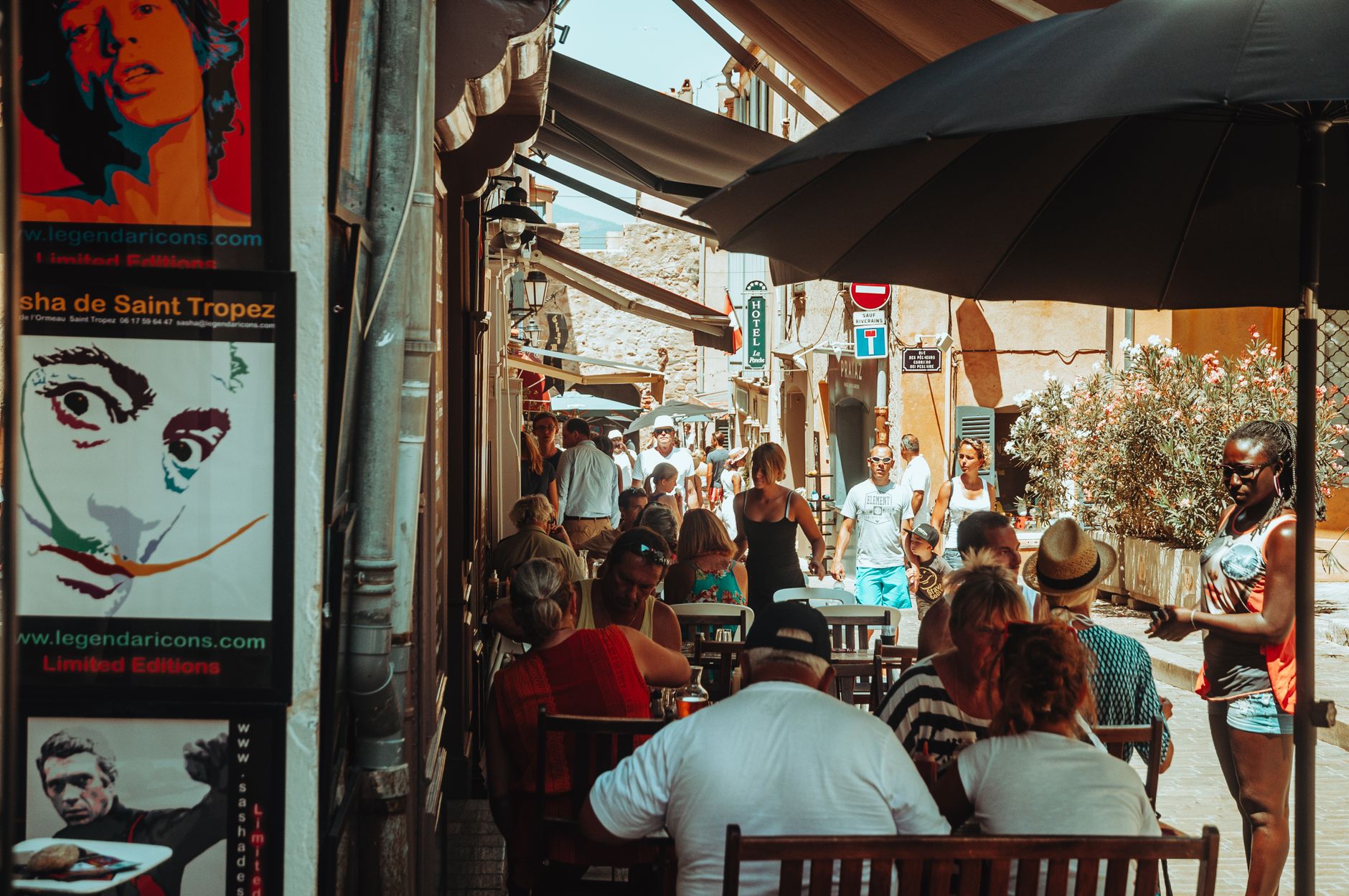
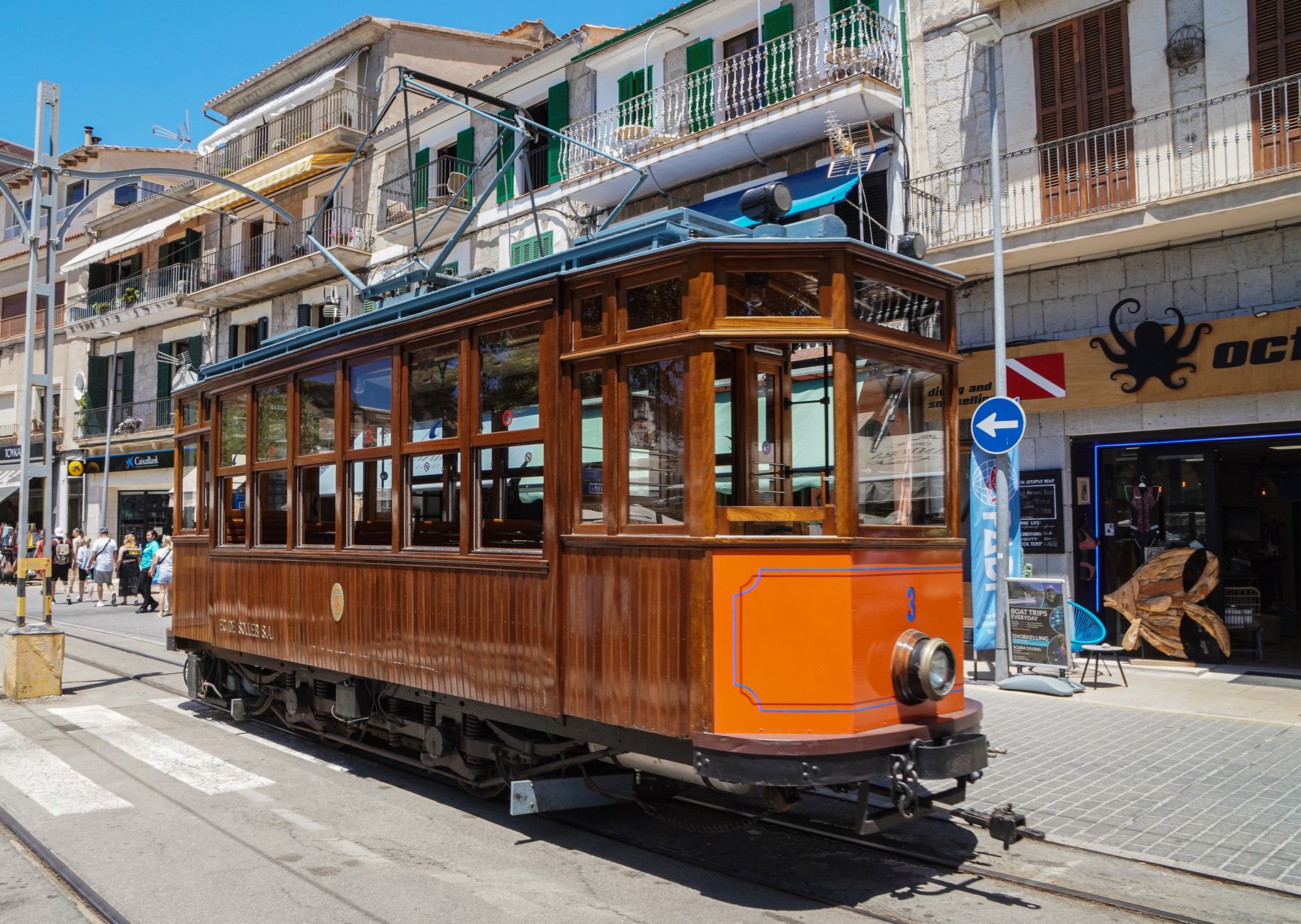
The tram that runs through Sóller's main square shares the road with cars, pedestrians, and the occasional café chair dragged too close to the tracks — a detail that tells you something about how the town organises its priorities. Sóller sits in a broad valley on Mallorca's northwest coast, ringed by the Serra de Tramuntana, and it has spent the better part of two centuries trading oranges and olives for the kind of prosperity that leaves architecture behind.
The evidence is still standing: a Gaudí-follower's Modernista bank façade, a railway built on citrus money, a manor house turned art museum with Mirós and Matisses hanging beside the original furniture. The train from Palma — running since 1911 — arrives at a station that was once a fortified house from 1606.
💛 What travellers fall for
People who come back tend to time the tram ride to Port de Sóller for a weekday morning, when the open-sided jardinieres are running and the cars thin out. Can Prunera rewards a second visit once you've stopped being surprised by the Matisse and started looking at the woodwork. The covered market behind Plaça Constitució is worth the detour before noon.
Experiences you don't want to miss


Deals in Sóller
Book directly at the providerHow Sóller came to be
Sóller has been settled since Talayotic times, and the Romans noted it when they took Mallorca around 123 BC. The church of Sant Bartomeu dates to before 1236, though the interior you see today is largely Baroque, built between 1688 and 1733, with a Modernista façade added in 1904 by Catalan architect Joan Rubió i Bellver.
The town's particular character was shaped by oranges. Through the 19th century, Sóller exported citrus and olive oil through France, and a generation of emigrant merchants came home wealthy enough to build banks and manor houses. When an 1865 plague devastated the orange groves, many left again — for France or South America — but those who returned funded the Ferrocarril de Sóller, completed in 1911, and the tram line to the port three years later. The Banco de Sóller, also designed by Rubió, followed in 1912.
Who and what shaped it
People who shaped it
Landmark buildings
See Sóller in motion
Plan your visit
On the map
When to go
Summers are hot and dry, with temperatures regularly above 30°C in the valley — the surrounding mountains trap the heat. Spring (April–May) and autumn (September–October) bring mild days and manageable crowds; winters are cool and occasionally wet but rarely harsh.
Right now
Background & history adapted from Wikipedia (CC BY-SA) · specs from Wikidata (CC0) · weather from Open-Meteo · map data © OpenStreetMap contributors · photos from Wikimedia Commons / Unsplash with per-image credit. No third-party reviews or social posts reproduced.