
Llucmajor
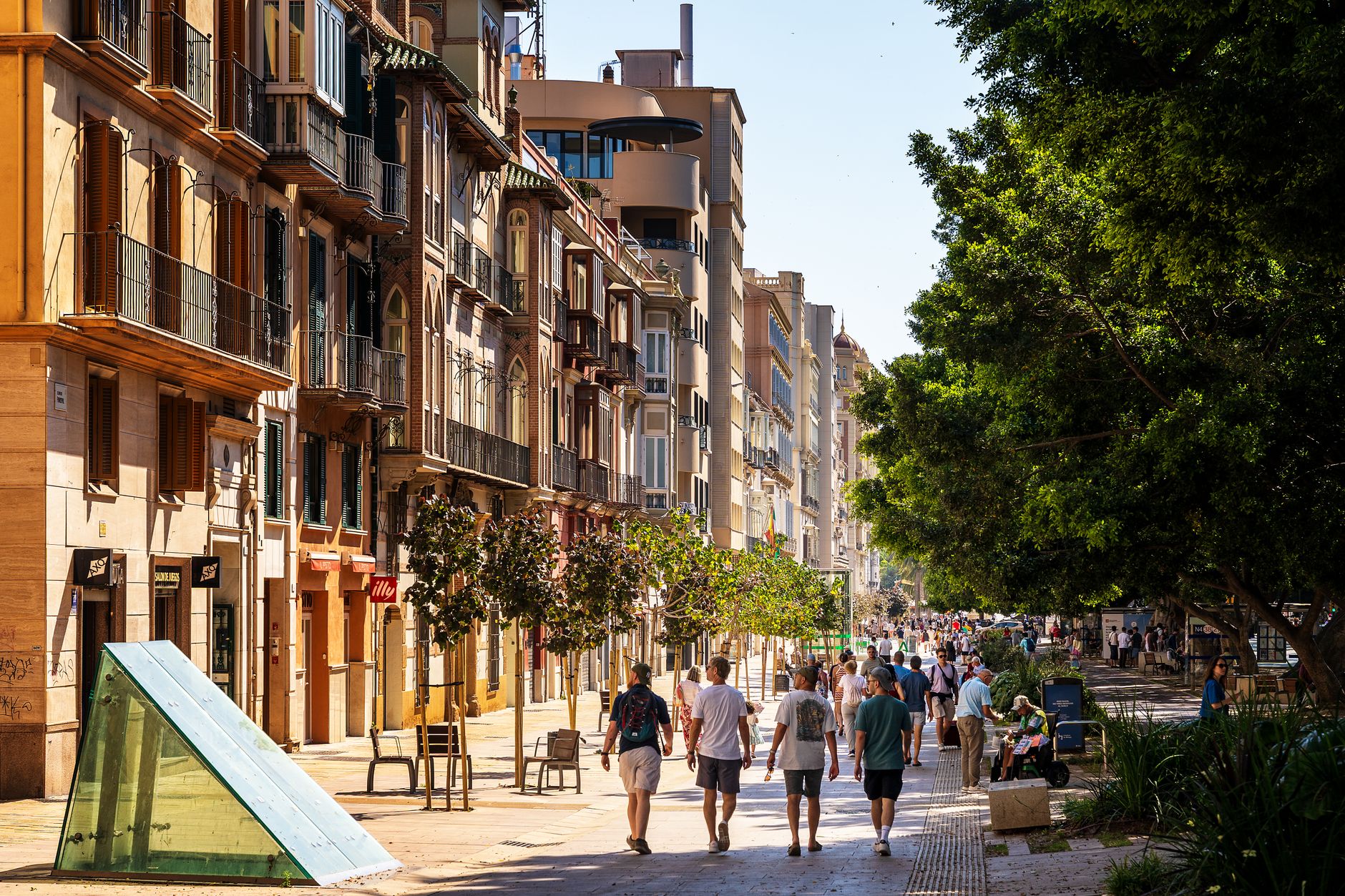
The name comes from the Latin for 'greater forest', though what you find now is a town of pale stone streets, a wide market square shaded by old trees, and a cobbler's statue on Calle Obispo Taxaquet that tells you more about Llucmajor than any sign could. This is a working Mallorcan town — inland, unhurried, with a market on Wednesdays, Fridays and Sundays that has run in some form since Charles V granted the rights in 1543.
Beyond the town itself, the municipality stretches south to Bronze Age towers at Capocorb Vell and climbs east to the three sanctuaries stacked up Randa mountain. The town earned its place in history violently — a commemorative cross on the outskirts marks where a medieval king fell in battle — and it has been quietly making shoes and pastries ever since.
💛 What travellers fall for
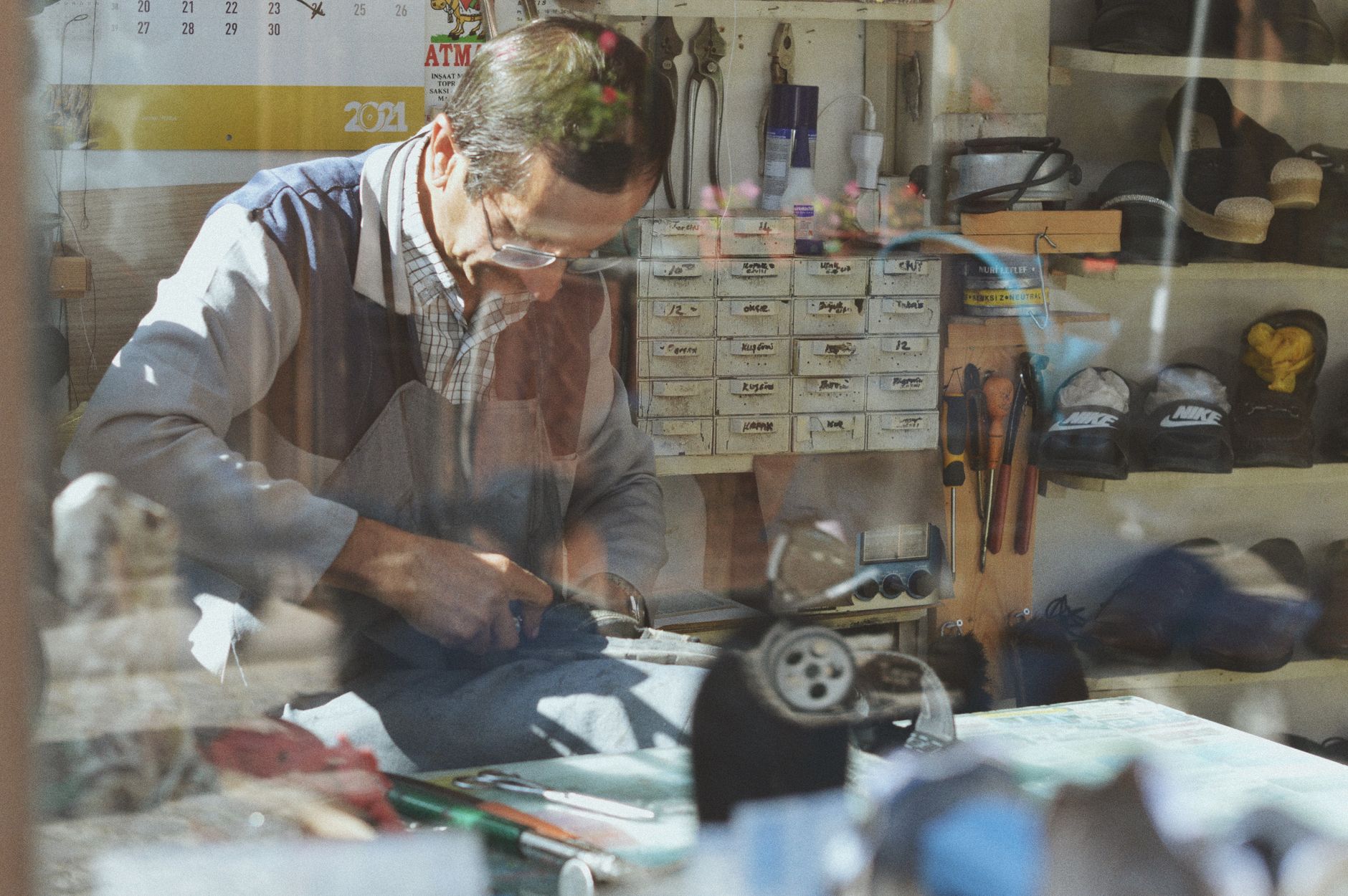
People who come back tend to time it around the autumn fairs — four consecutive Sundays from late September, the last of which draws most of the island. They also mention Plaça del Sabater specifically: the small square where shoemakers historically gathered, with a handful of workshops still going. Go early on a market morning before the square fills.
Experiences you don't want to miss


Deals in Llucmajor
Book directly at the provider

How Llucmajor came to be
Llucmajor's first church went up in 1259, and James II of Majorca elevated it to villa status in 1300. Forty-nine years later, on a field northeast of town, the kingdom it belonged to effectively ended: Peter IV of Aragon defeated James III of Majorca in the Battle of Llucmajor in 1349, killing James on the battlefield and folding the independent realm into the Aragonese crown. A commemorative cross still marks the approximate spot.
The town rebuilt itself around trade and craft. Wednesday and Friday markets arrived by royal grant in 1543, shoemaking became the dominant industry through the twentieth century, and the Church of Sant Miquel — begun in 1784 — took until 1866 to complete, its long construction a quiet record of the town's modest, steady pace.
Who and what shaped it
Landmark buildings
See Llucmajor in motion
Plan your visit
On the map
When to go
April through June and September through October are the most comfortable months, with highs between roughly 20°C and 28°C and little rain. July brings 11-plus hours of daily sun and temperatures pushing 31°C in August; February is mild by northern European standards but can dip to 6°C at night.
Right now
Background & history adapted from Wikipedia (CC BY-SA) · specs from Wikidata (CC0) · weather from Open-Meteo · map data © OpenStreetMap contributors · photos from Wikimedia Commons / Unsplash with per-image credit. No third-party reviews or social posts reproduced.