
Pollença
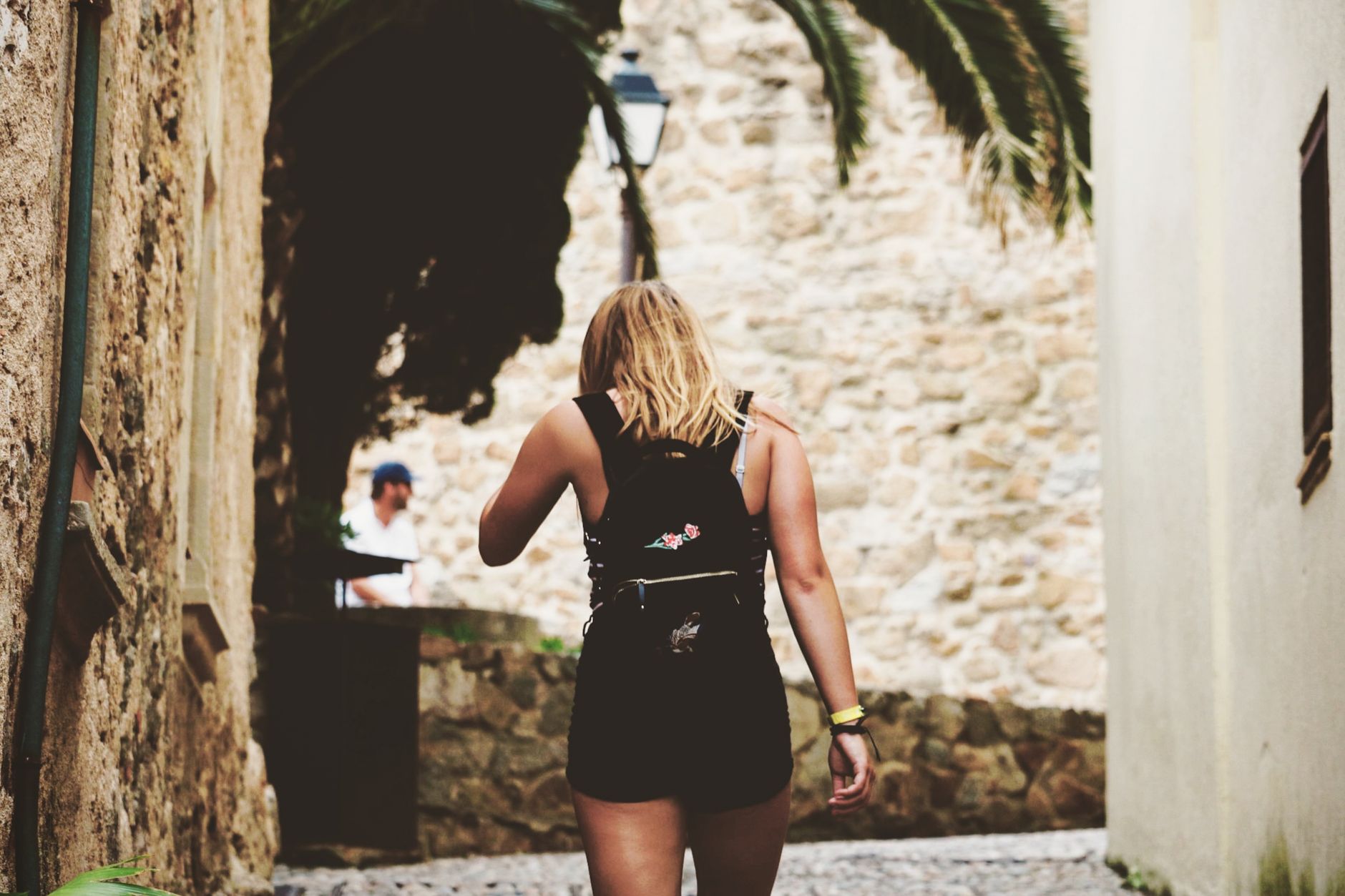
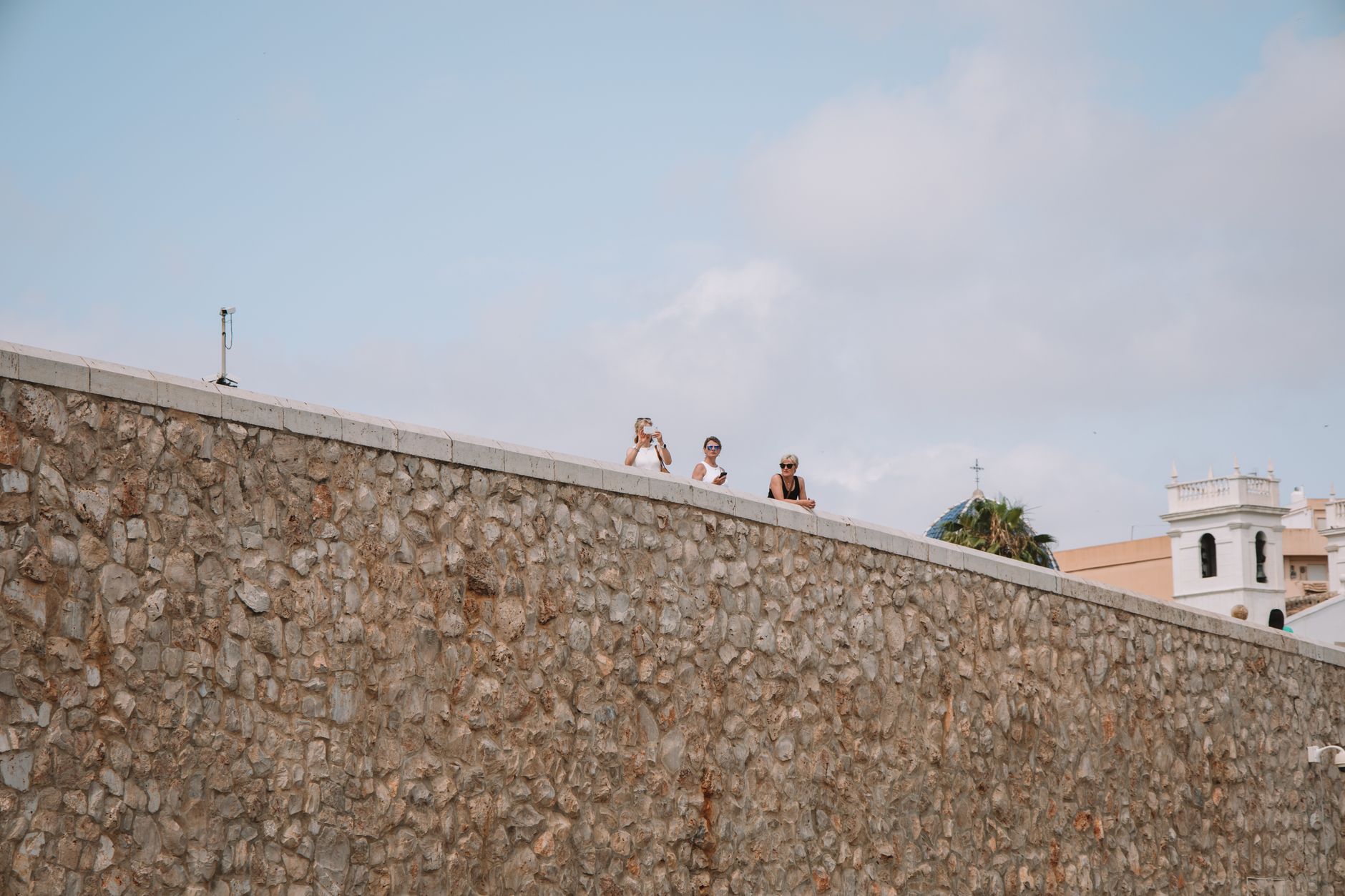
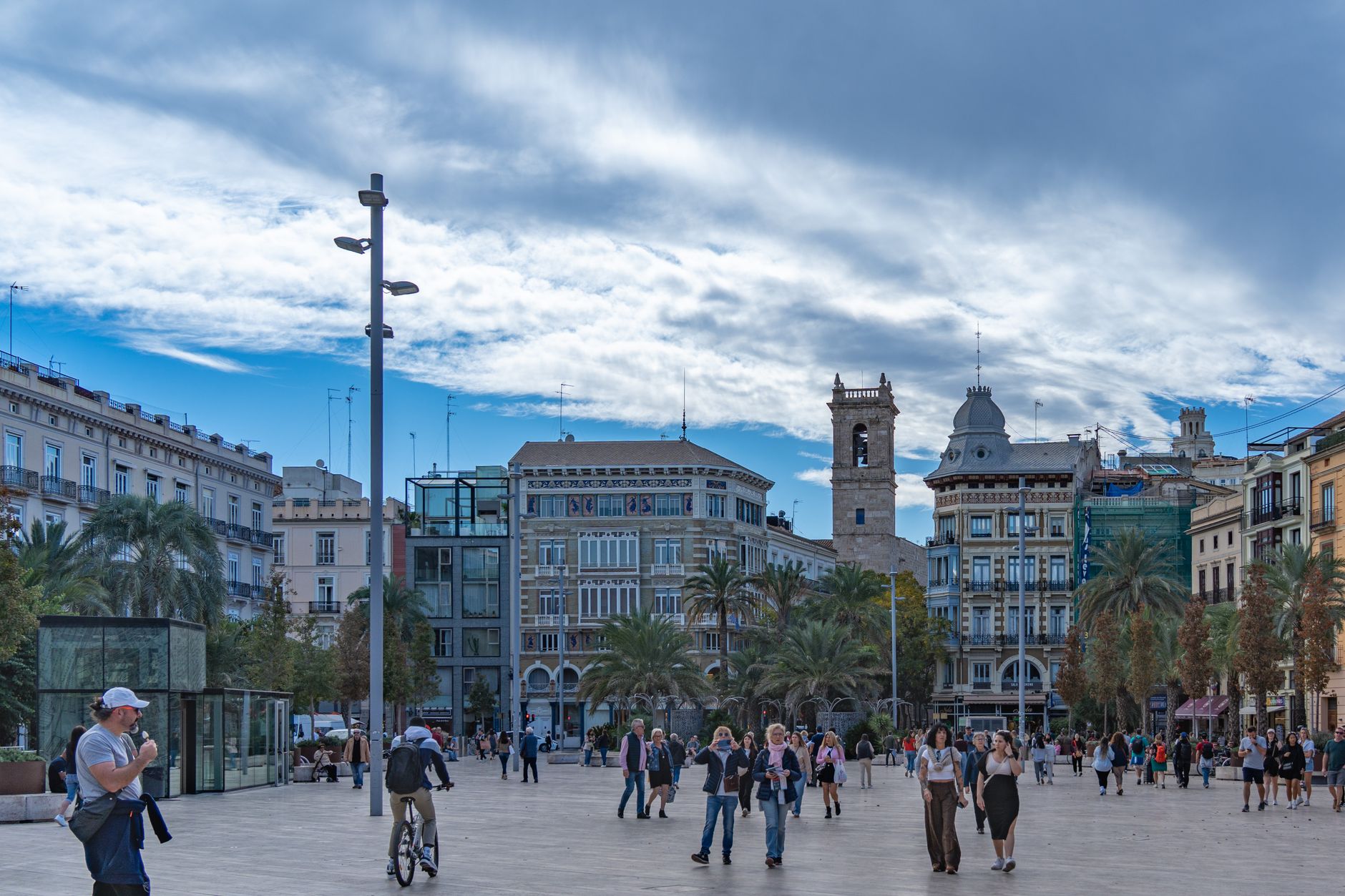
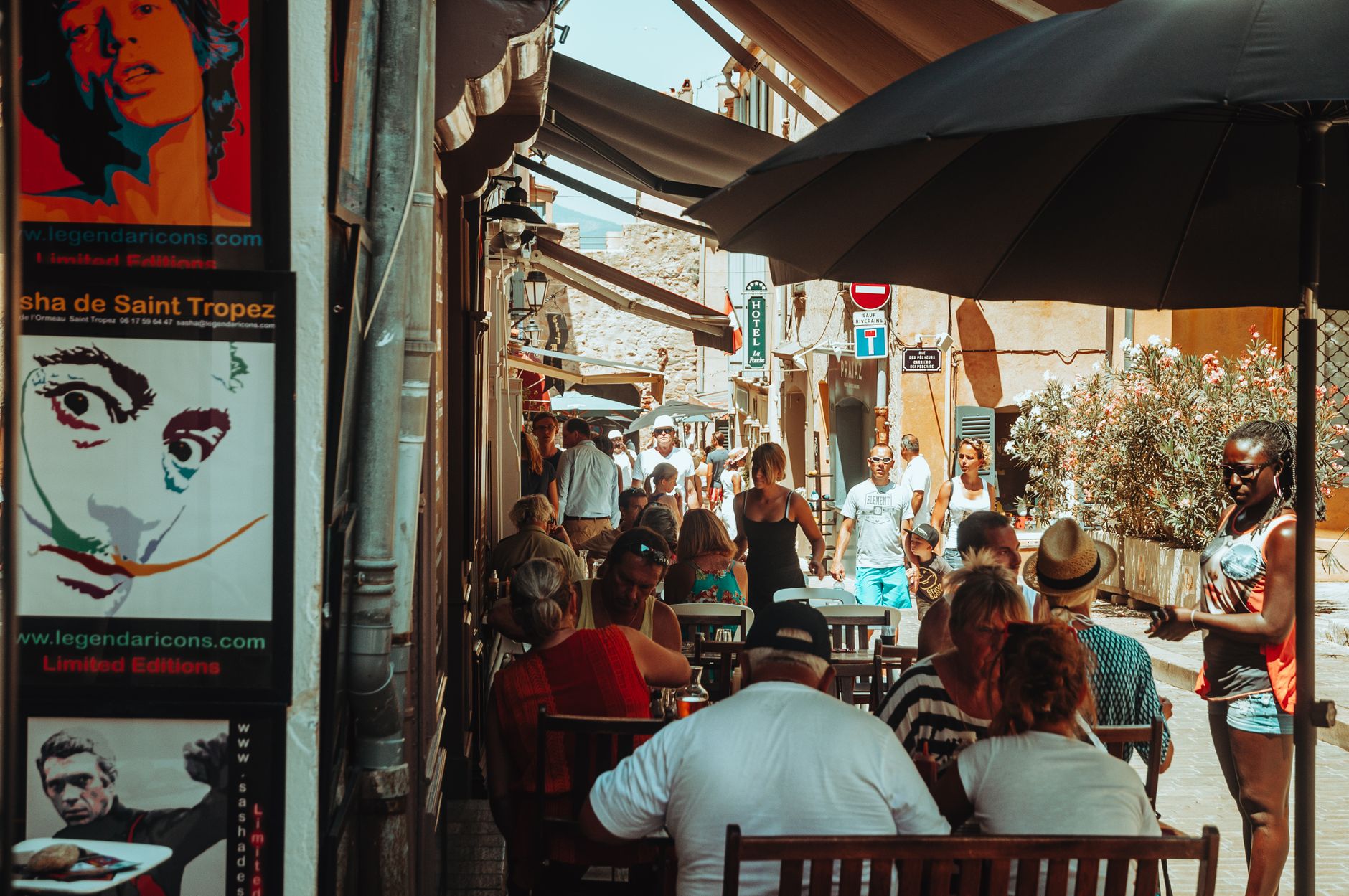
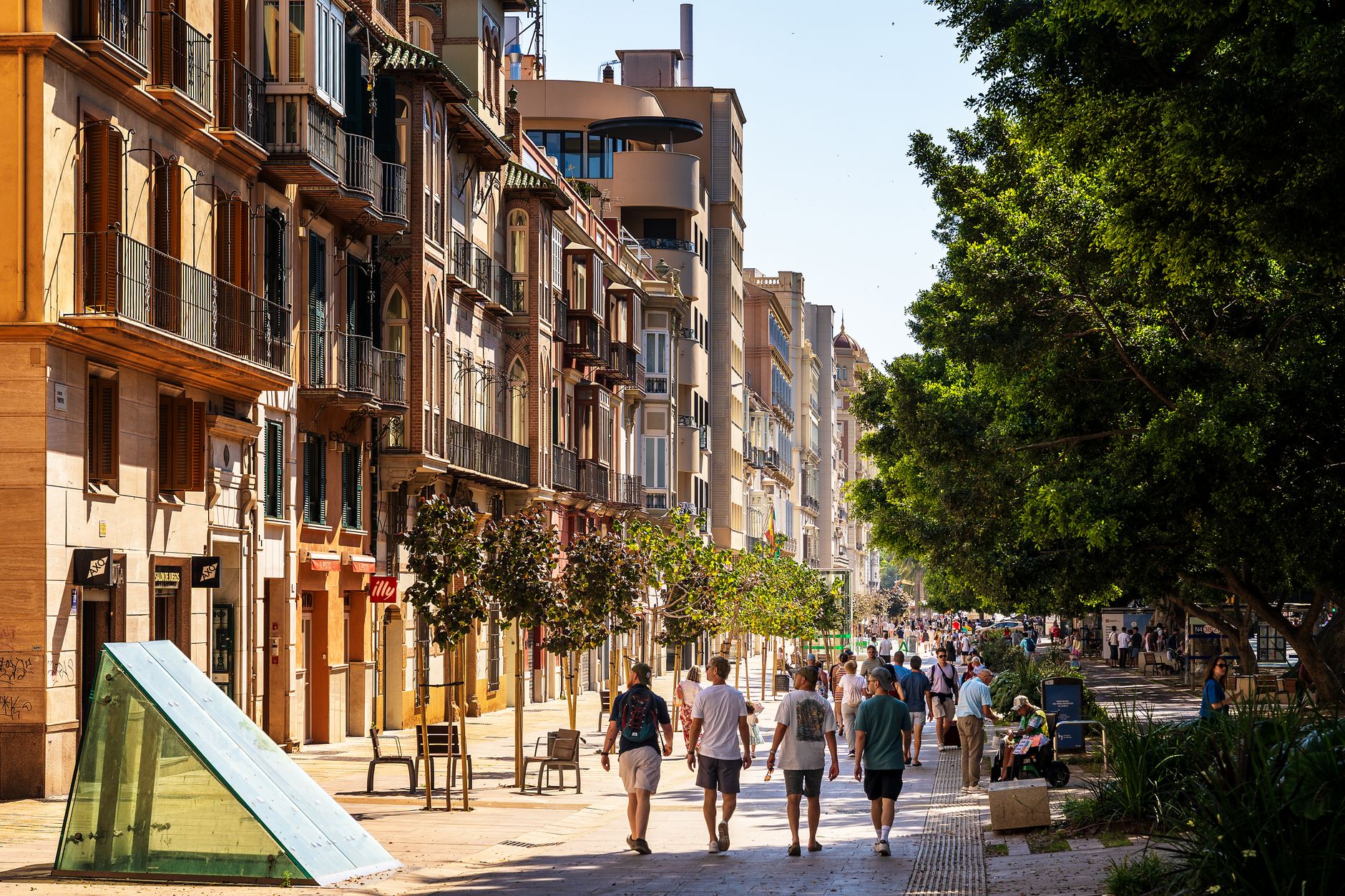
Pollença sits inland, about six kilometres from its port, on a gentle rise in the north of Mallorca. The town is small enough to walk end to end in an afternoon, yet it keeps pulling people back — for the 365-step climb to the Calvary chapel, for the Sunday market that fills Plaça Major, for the particular quality of light that drew painters and poets here in the early twentieth century.
The stones are mostly seventeenth and eighteenth century, warm and ochre-coloured, though the history underneath them goes much further back — Romans, Arabs, the Knights Templar, a Turkish corsair who occupied the town with fifteen hundred men in 1550. Pollença wears all of this lightly.
💛 What travellers fall for
People who return tend to agree on a few things: go up the Calvary steps early, before the heat builds. Linger at the Convent de Santo Domingo if the music festival is running in summer. And give yourself at least one Sunday morning at Plaça Major, coffee in hand, watching the market set up around the church's rose window.
Experiences you don't want to miss


Deals in Pollença
Book directly at the provider
How Pollença came to be
The name traces back to Pollentia, the Roman settlement established near present-day Alcúdia after Rome landed in Mallorca in 123 BC. The town itself was founded by the Arabs in the late twelfth century, then reshaped after the Christian conquest of 1229 — becoming a parish in 1236, with the church of Nostra Senyora dels Àngels given to the Knights Templar by King Jaime I of Aragon in recognition of their role in the conquest.
The sixteenth century brought violence from two directions: in 1522, during the Revolt of the Brotherhoods, the royal army crushed the town in what locals called the Day of the Devastation; in 1550, the corsair Dragut occupied Pollença with fifteen hundred men. Most of the buildings standing today date from the relative calm that followed, the seventeenth and eighteenth centuries, when the town settled into the golden-stone character it still holds.
Who and what shaped it
People who shaped it
Landmark buildings
See Pollença in motion
Plan your visit
On the map
When to go
January averages around 11°C — cool enough to need a layer in the evenings but rarely harsh. Summer brings dry heat that makes the midday Calvary climb a serious undertaking; spring and October strike the most comfortable balance for walking the town.
Right now
Background & history adapted from Wikipedia (CC BY-SA) · specs from Wikidata (CC0) · weather from Open-Meteo · map data © OpenStreetMap contributors · photos from Wikimedia Commons / Unsplash with per-image credit. No third-party reviews or social posts reproduced.