
Alcúdia
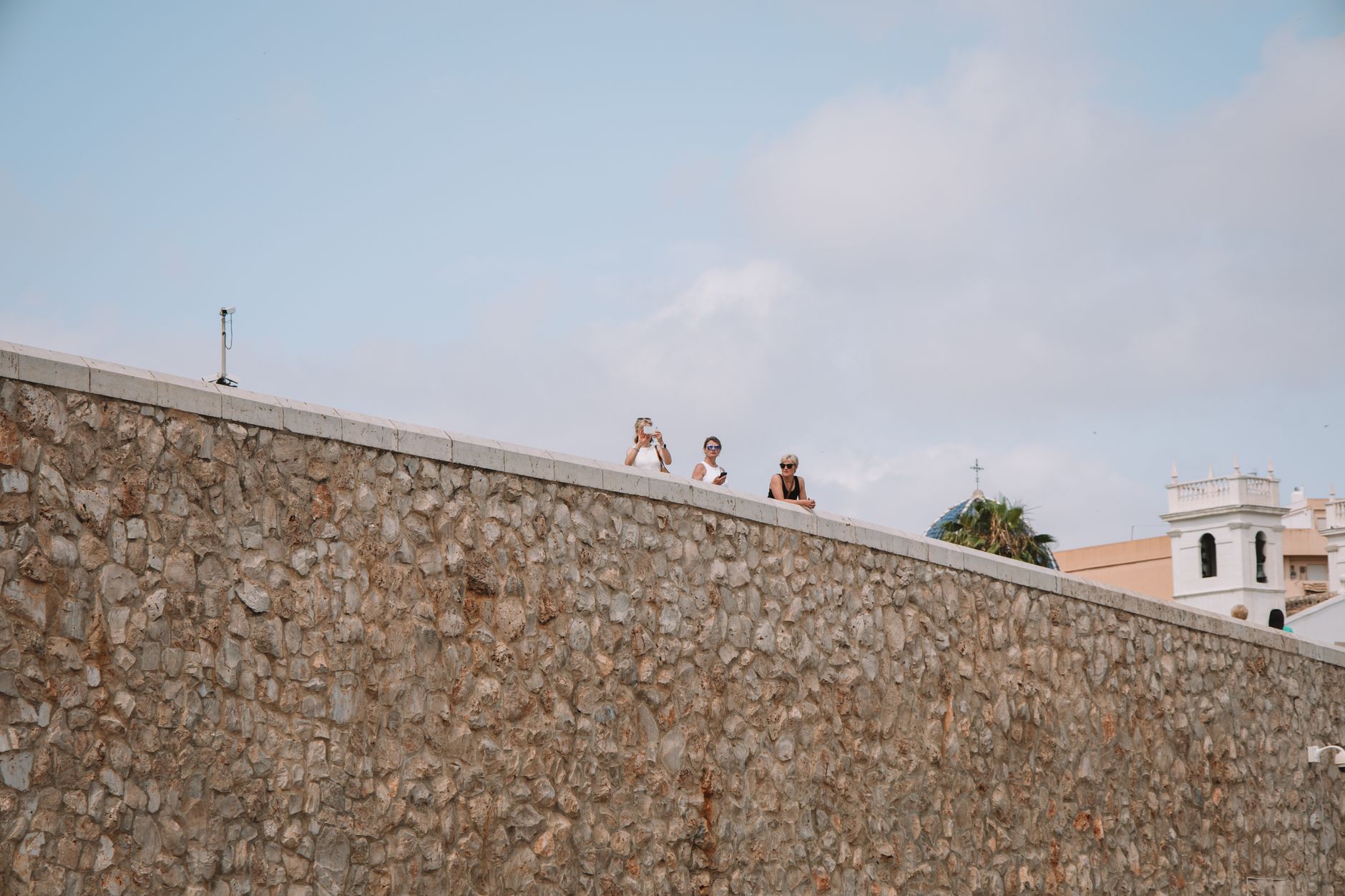
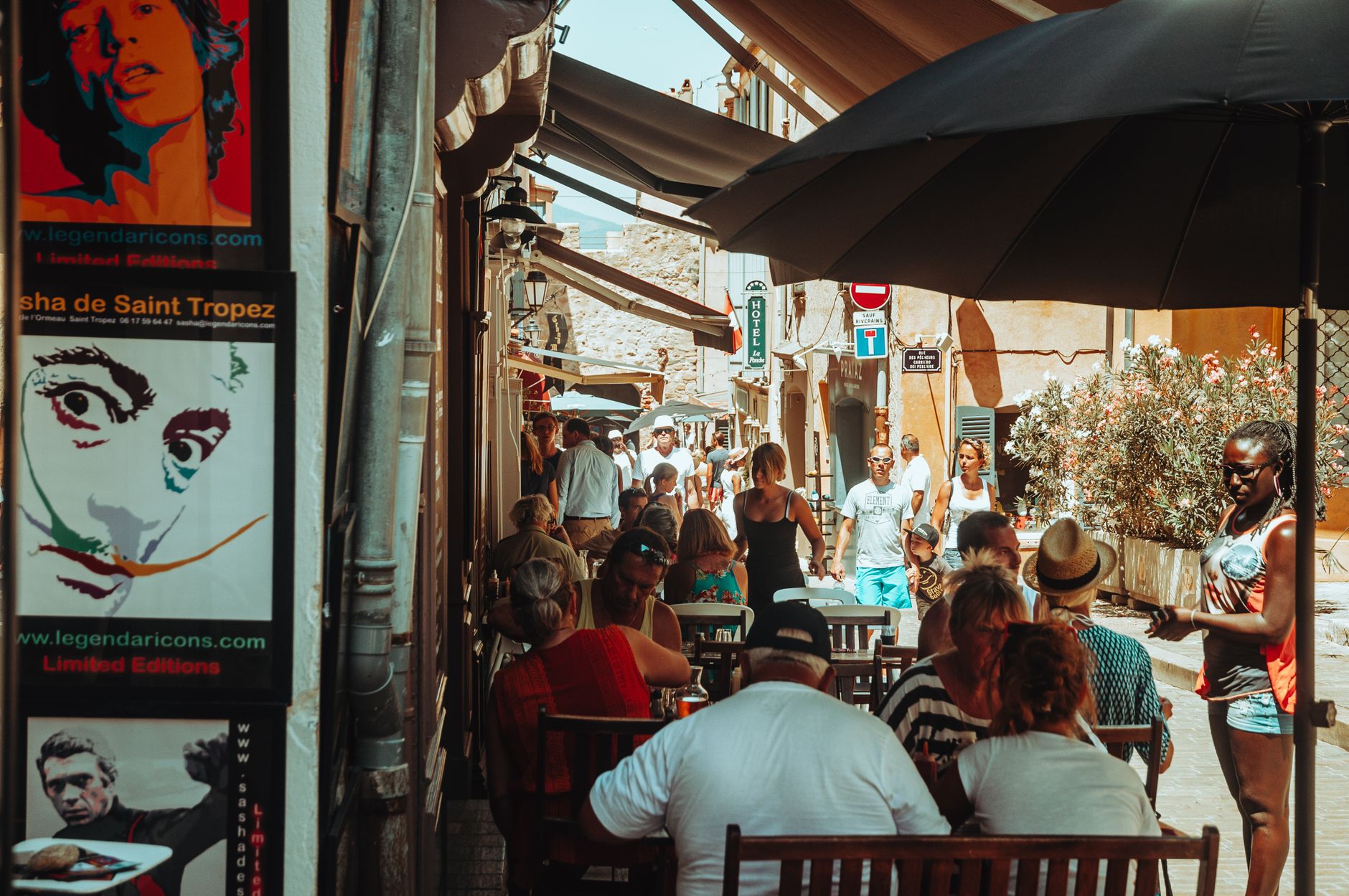
The walls are the first thing you notice — six metres of pale stone running 1.5 kilometres around the old town, punctuated by 26 towers and entered through gates that still have their drawbridge channels cut into the ground. Alcúdia sits on a low hill on Mallorca's north coast, and the name itself is Arabic: al-kudja, 'on the hill', a reminder that this place has been claimed, lost and rebuilt more than once.
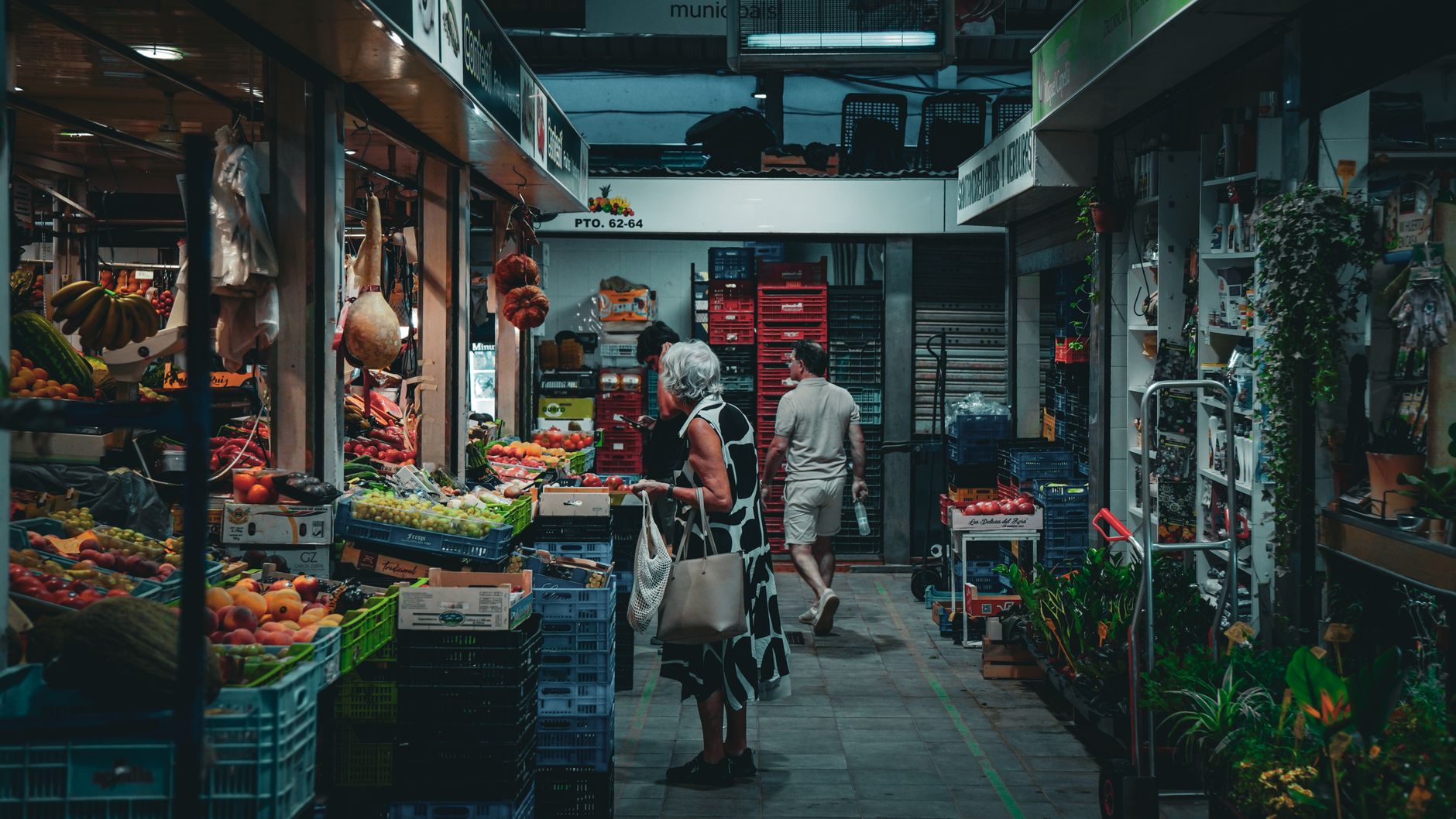
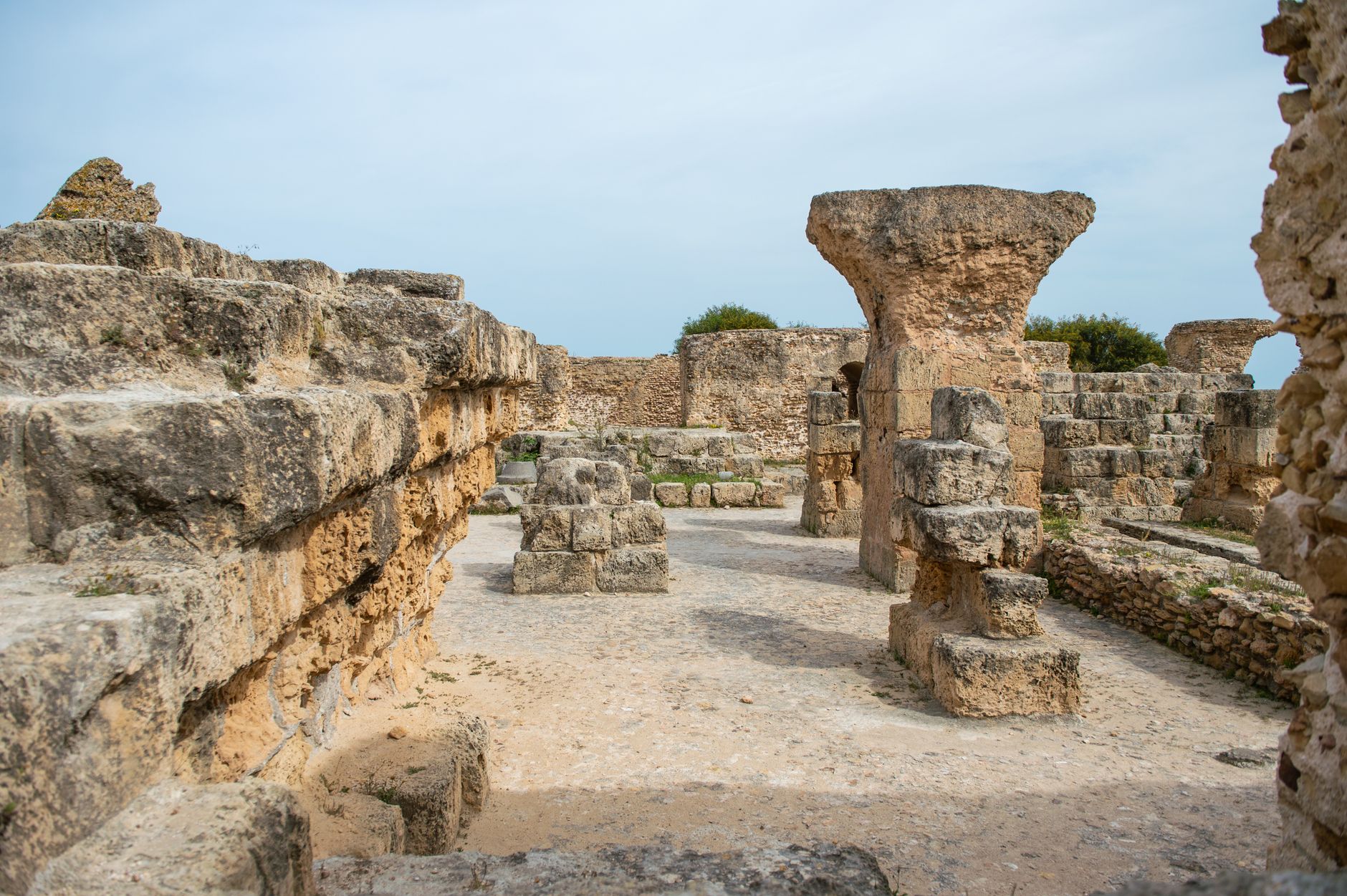
Below the walls, the Roman city of Pollentia lies in open ground — forum, houses, and the island's only ancient outdoor theatre, all founded in 123 BC. The old town above it is medieval, mostly pedestrianised, and on Sundays and Tuesdays the market fills the streets between the gates.
💛 What travellers fall for
People who come back tend to mention the same ritual: walking the full wall circuit early — gates to Porta de Mallorca, then Porta del Moll — before the day heats up, then coffee somewhere on Carrer Major near the town hall's clock tower. The Sunday market is worth timing a visit around; it spills well beyond the old town.
Experiences you don't want to miss


Deals in Alcúdia
Book directly at the provider

How Alcúdia came to be
Quintus Caecilius Metellus Balearicus took the island for Rome in 123 BC and founded Pollentia nearby — it became the capital of the Roman Balearics. The city survived centuries before Vandal raids and piracy hollowed it out; the remaining population eventually moved north to found what became Pollença, leaving Pollentia to slowly disappear under soil.
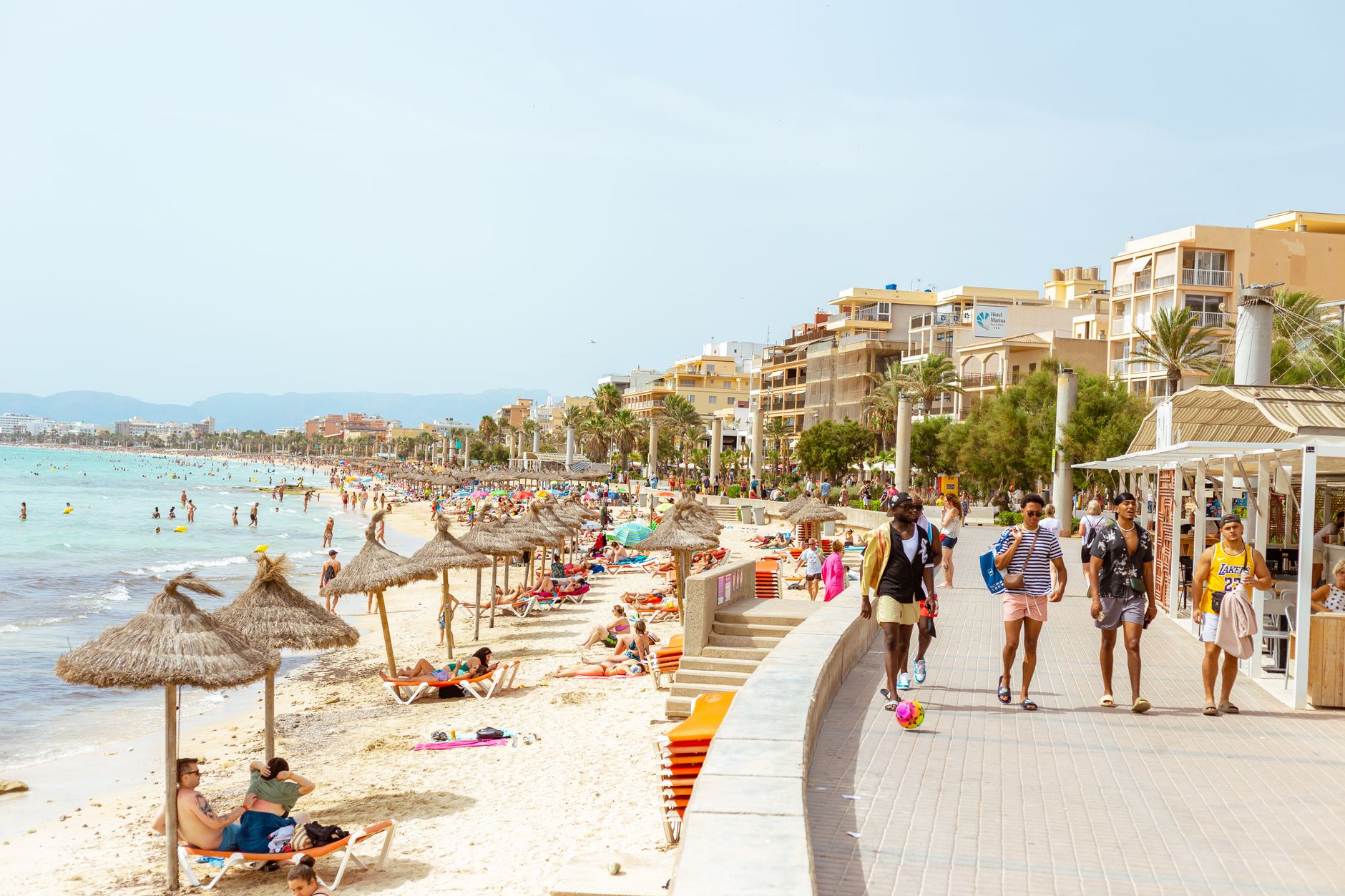
A Moorish farmstead rose near the ruins, and when King James II of Aragon bought it in 1298, he laid out a new town: church, graveyard, square, and the order for walls that would take until 1362 to complete. Pirates still came — the 16th century nearly emptied the place again — but a harbour built in 1779 steadied the economy. The 1970s brought mass tourism to the port; the historic centre was pedestrianised in the 1990s and had already been declared a Historic-Artistic Site in 1974.
Who and what shaped it
People who shaped it
Landmark buildings
See Alcúdia in motion
Plan your visit
On the map
When to go
Summers are hot and dry, with July and August temperatures regularly above 30°C — fine for the beach at Puerto de Alcúdia but tiring for walking the walls or the Roman site. April through June and September through October are cooler and clearer, with fewer people in the old town.
Right now
Background & history adapted from Wikipedia (CC BY-SA) · specs from Wikidata (CC0) · weather from Open-Meteo · map data © OpenStreetMap contributors · photos from Wikimedia Commons / Unsplash with per-image credit. No third-party reviews or social posts reproduced.