
Ibiza Town
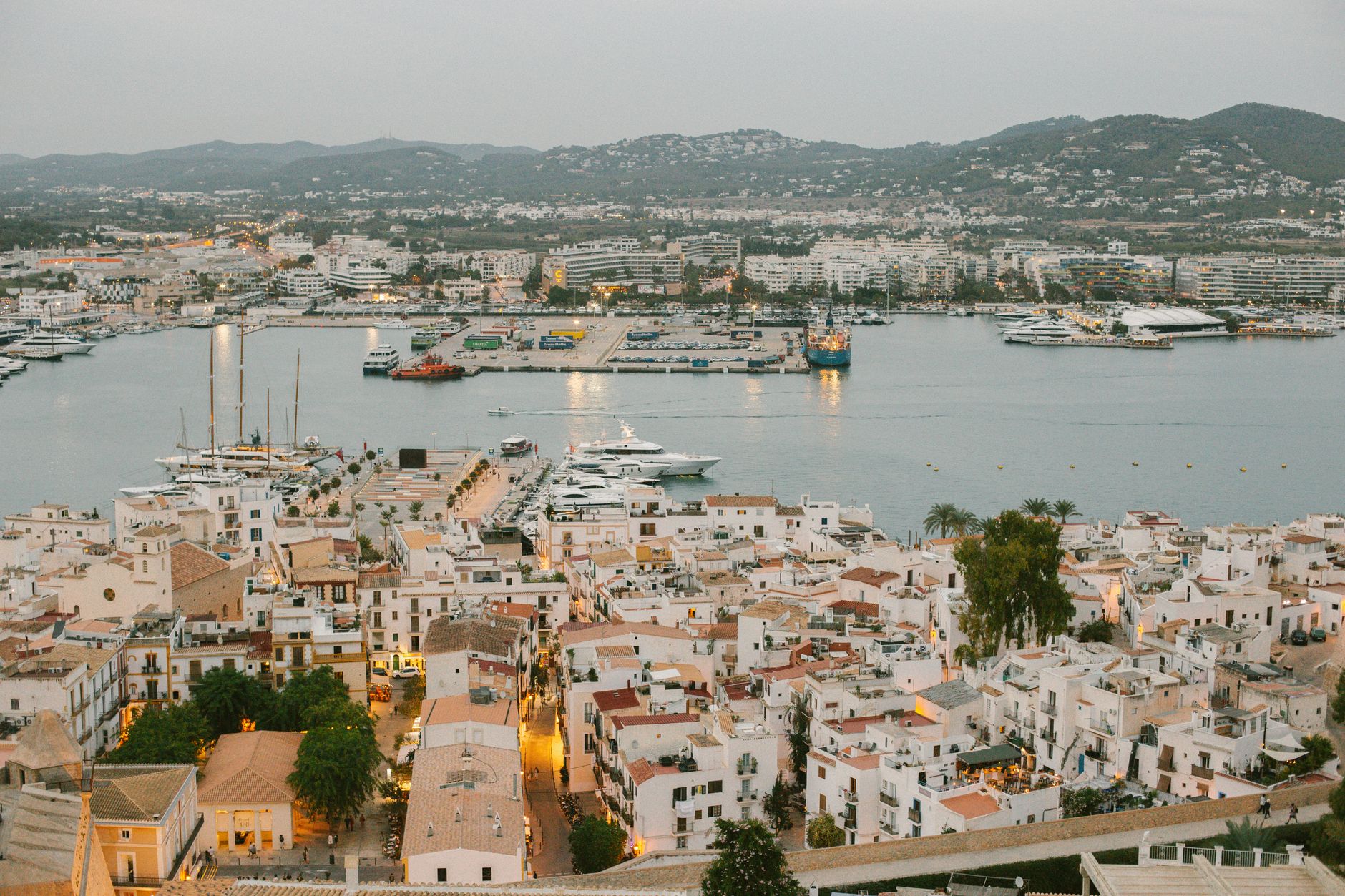
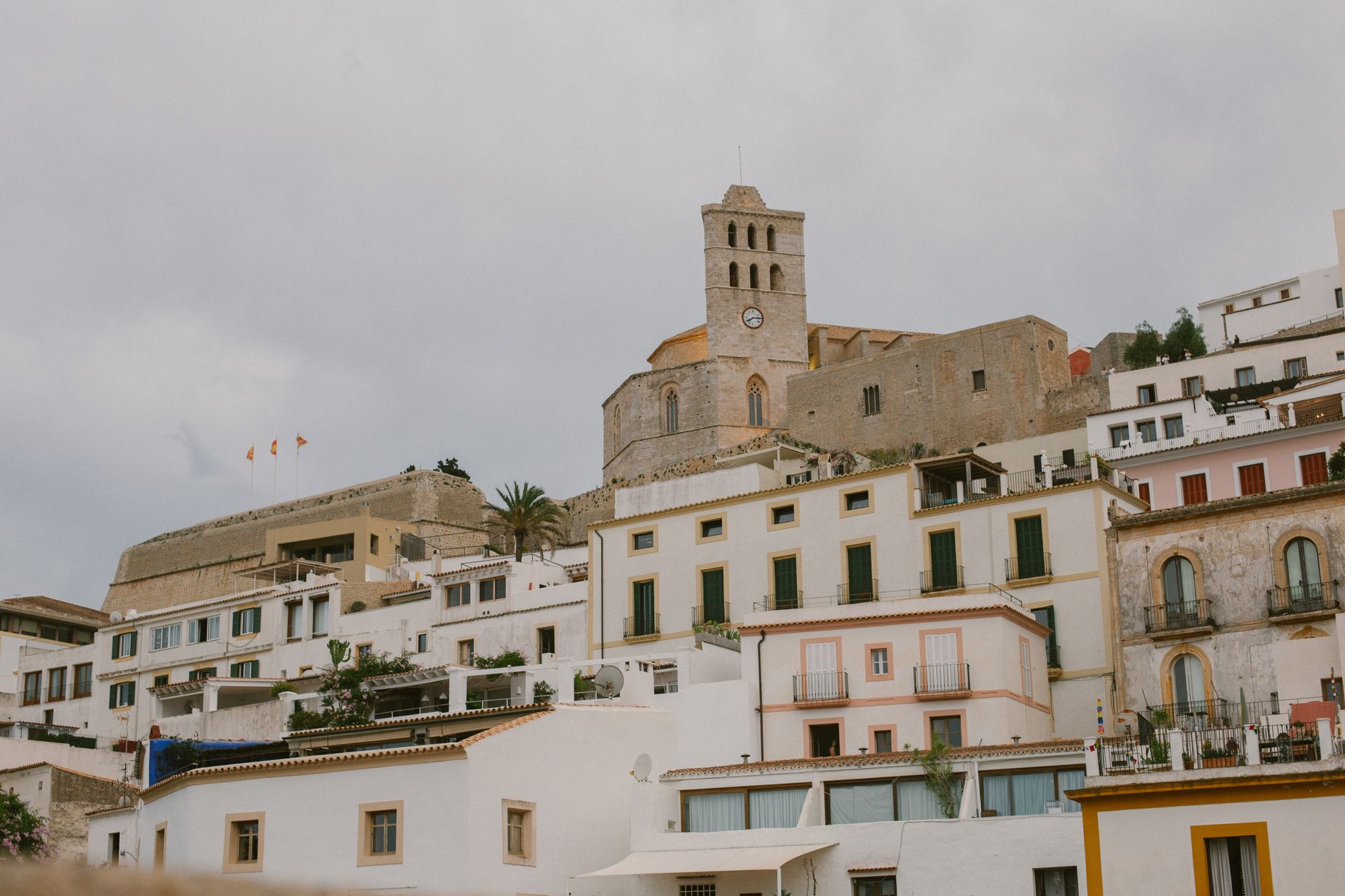
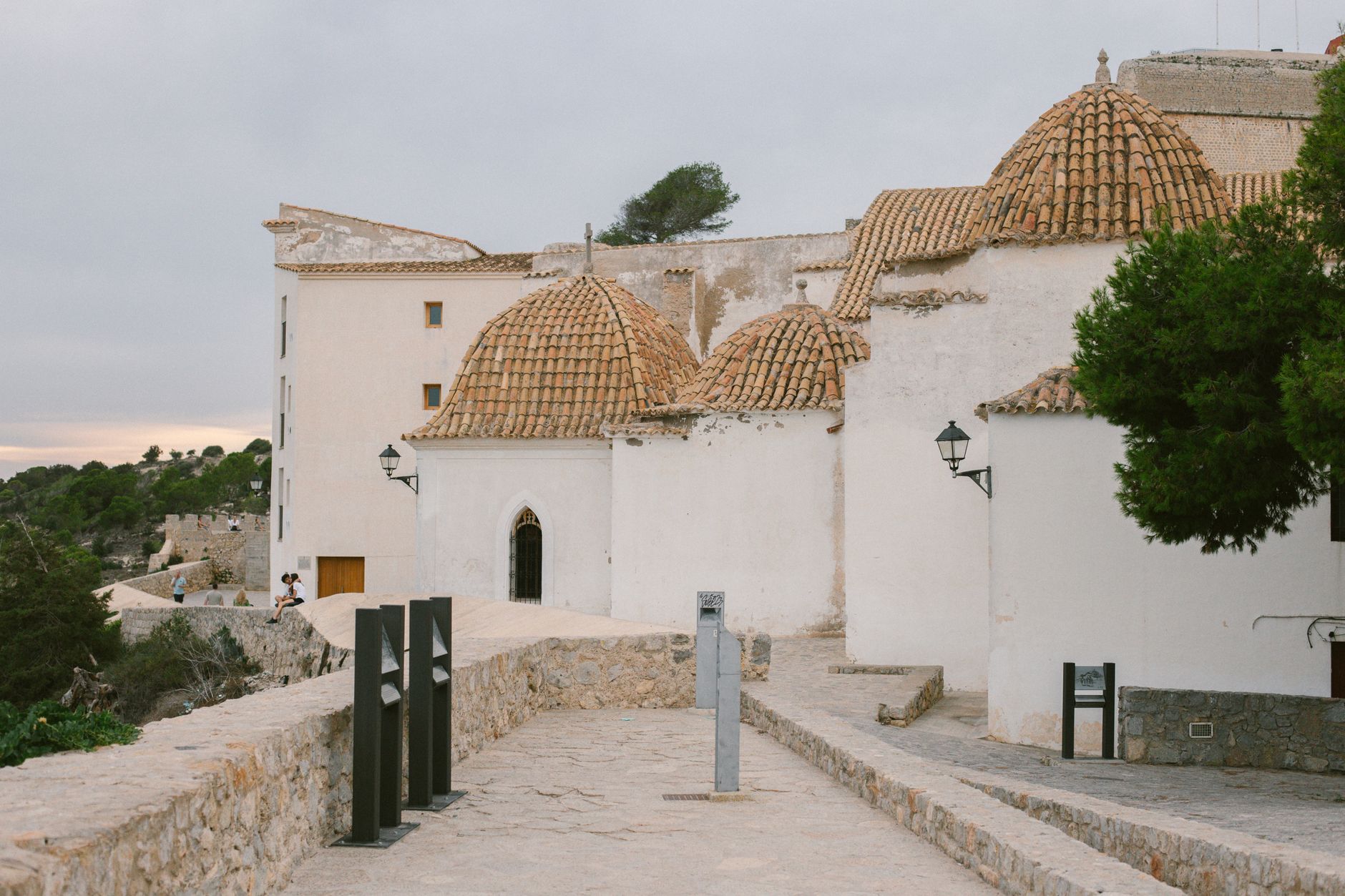
The thing that stops you first in Ibiza Town is the wall. Twenty-five metres of Renaissance stone rising above the harbour, so solid and unhurried that the clubs and cocktail bars below seem to belong to a different century — which, in every meaningful sense, they do. Behind that wall, Dalt Vila climbs in tight cobbled switchbacks toward a cathedral that has been reordered, restored and re-dedicated across seven centuries.
This is a city founded by Carthaginians in 654 BC as a trading port and fortress, and the bones of that original ambition are still legible. Beneath the old town, almost three thousand Punic burial tombs honeycomb the hillside at Puig des Molins — one of the largest necropolises in the Mediterranean. The nightlife island and the ancient port city occupy exactly the same coordinates.
💛 What travellers fall for
People who come back tend to make the same moves: coffee on the terrace at Hotel Montesol on Vara de Rey before the town wakes up, then straight up through Portal de Ses Taules before the tour groups arrive. The cathedral at that hour, with the light coming sideways through the Baroque nave, is a different building than the one you see at noon.
Experiences you don't want to miss



Deals in Ibiza Town
Book directly at the provider
How Ibiza Town came to be
Ibiza Town began as Ibossim, a Carthaginian settlement founded in 654 BC — the name likely honouring Bes, a deity in the Carthaginian pantheon. The site made obvious sense: a deep natural harbour, a defensible hill, a position that put you between the western Mediterranean's main trade routes. The necropolis at Puig des Molins, some of whose tombs date to the 7th century BC, preserves the world's most significant collection of Punic remains.
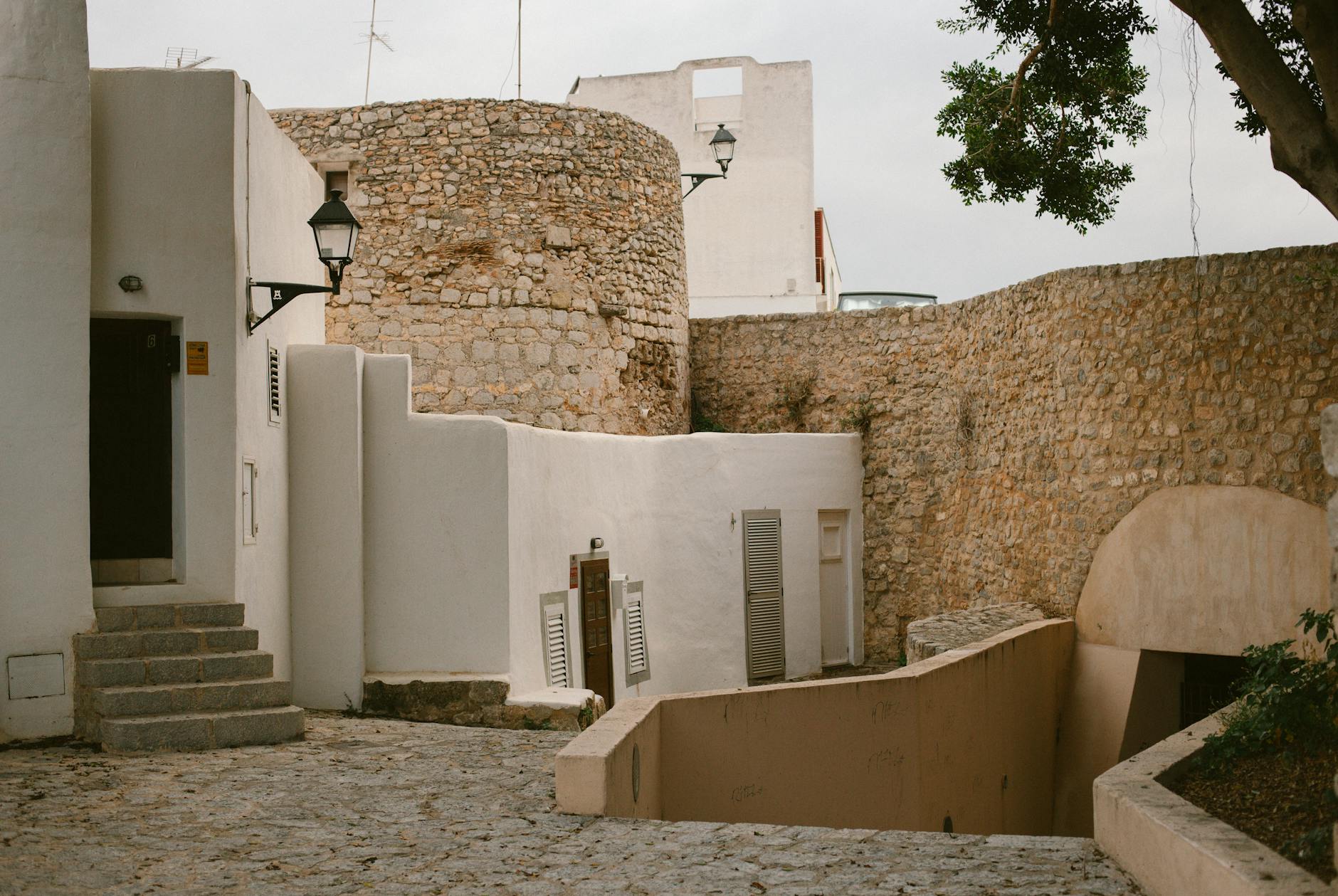
The walls that define Dalt Vila today came later, built under Philip II in the 16th century — a heptagonal Renaissance fortification that took forty years to complete and now stands five metres thick in places. In 1782, the same year Charles III granted it the title of city, Pope Pius VI elevated the church of Santa María de las Nieves to a cathedral, with Manuel Abad y Lasierra installed as its first bishop. UNESCO recognised the whole ensemble as a World Heritage Site on 4 December 1999.
Who and what shaped it
People who shaped it
Landmark buildings
See Ibiza Town in motion
Plan your visit
On the map
When to go
Summers run hot and almost rainless — July averages just 3mm of rain and daytime temperatures push into the low 30s. Spring and autumn are the more comfortable seasons for walking the old town, with mild days and the crowds thinned; winter is quiet and cool, averaging around 12°C in January, with November the wettest month.
Right now
Background & history adapted from Wikipedia (CC BY-SA) · specs from Wikidata (CC0) · weather from Open-Meteo · map data © OpenStreetMap contributors · photos from Wikimedia Commons / Unsplash with per-image credit. No third-party reviews or social posts reproduced.