
Ciutadella de Menorca
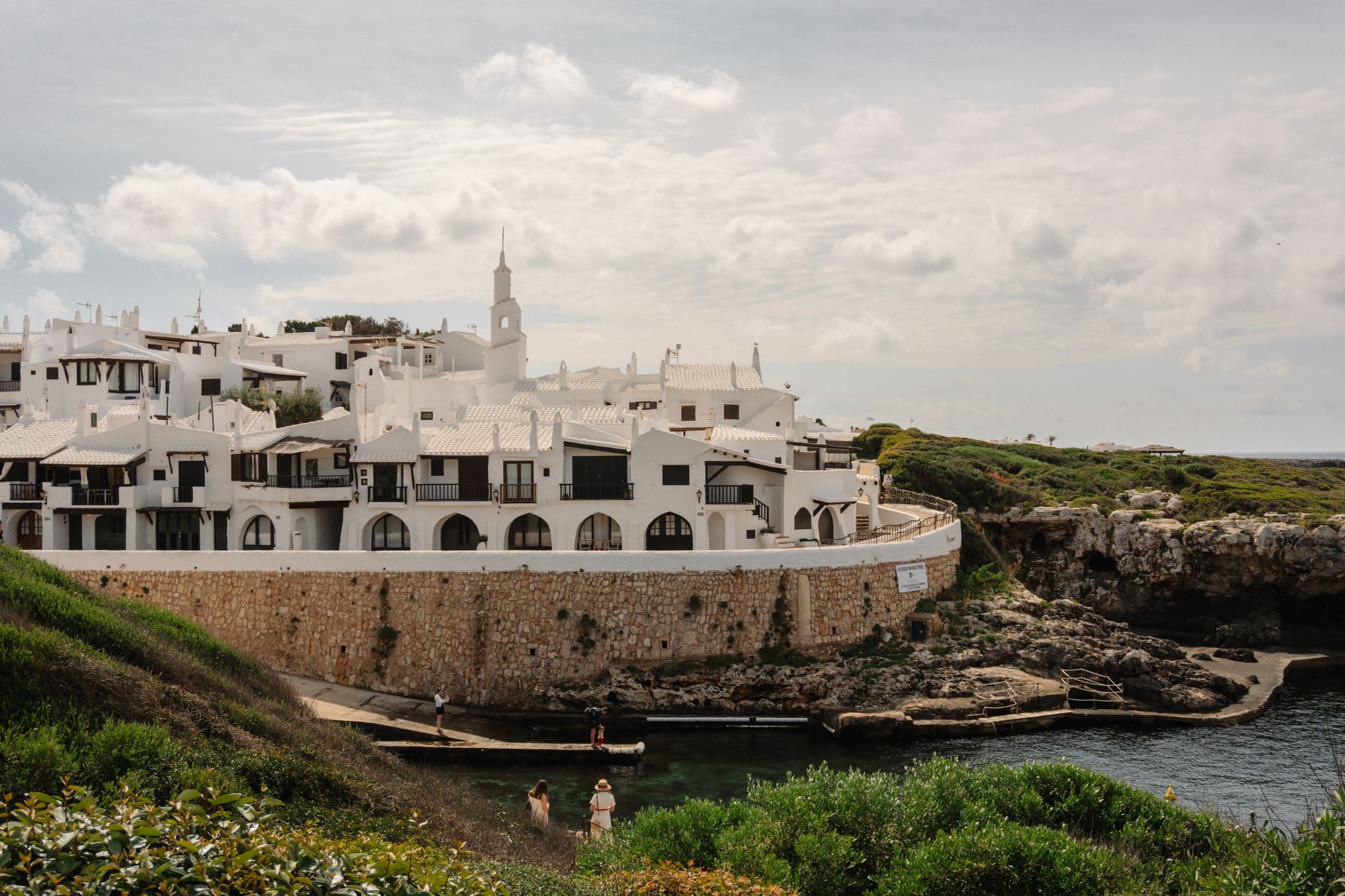
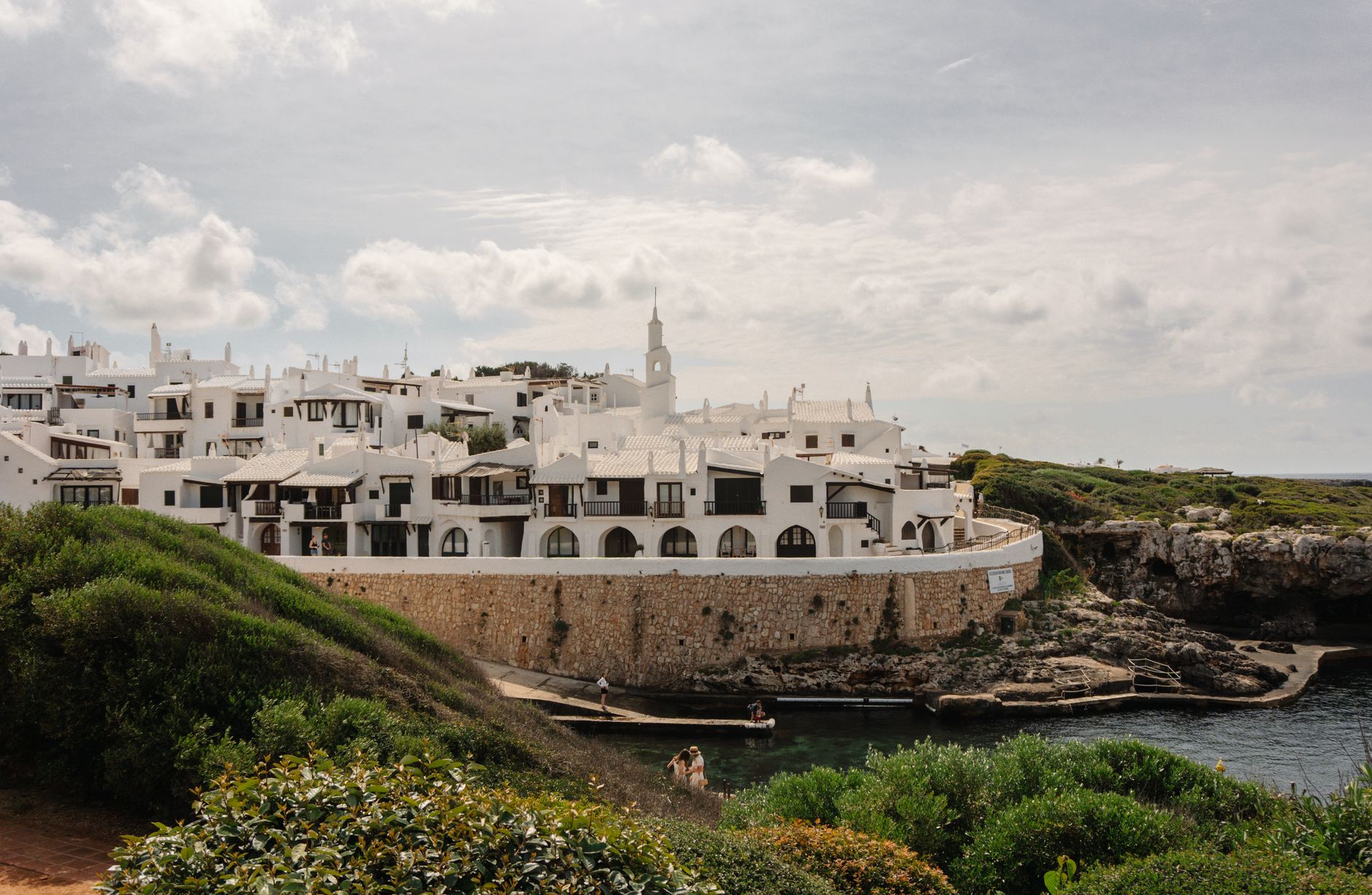
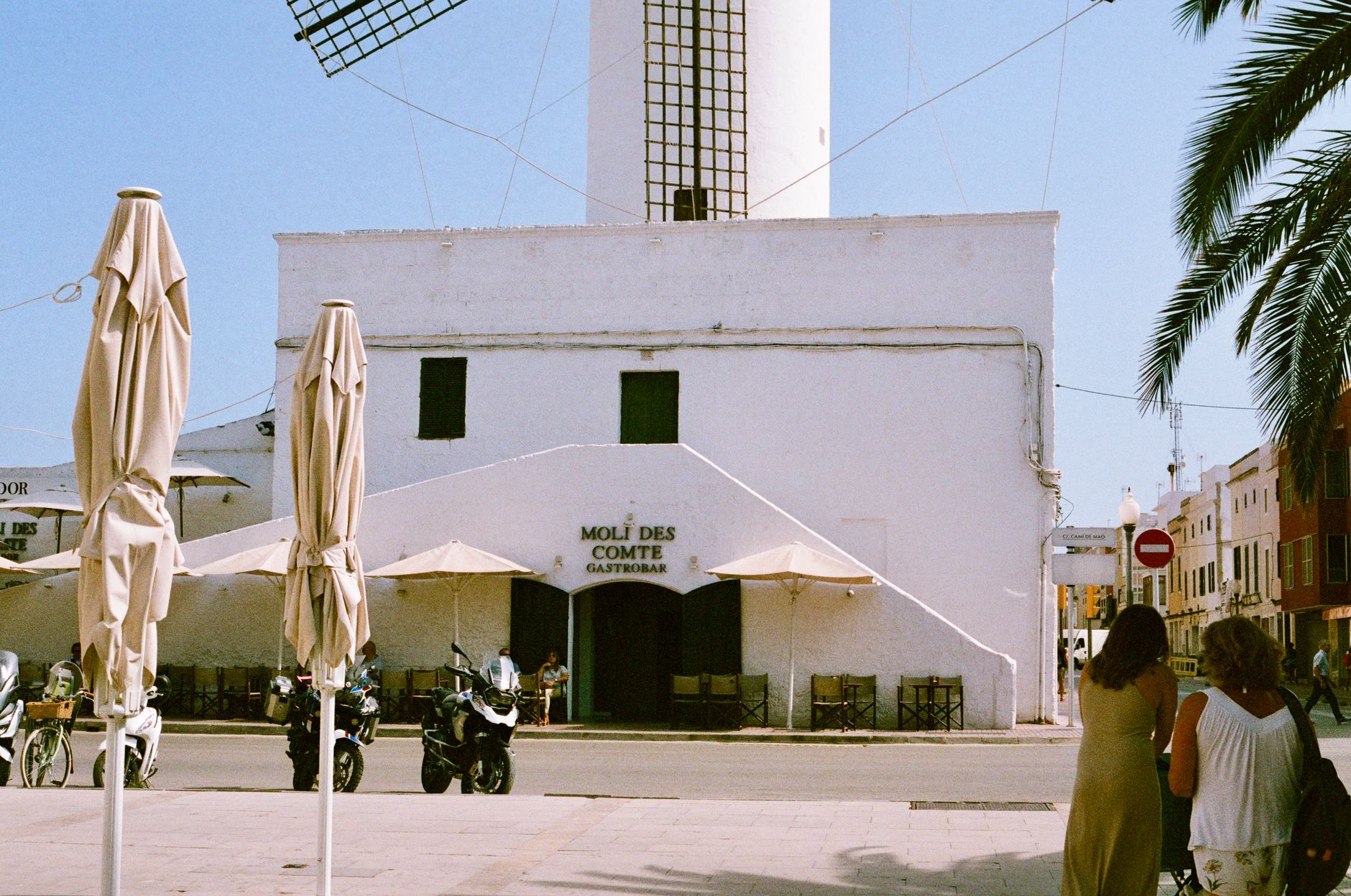
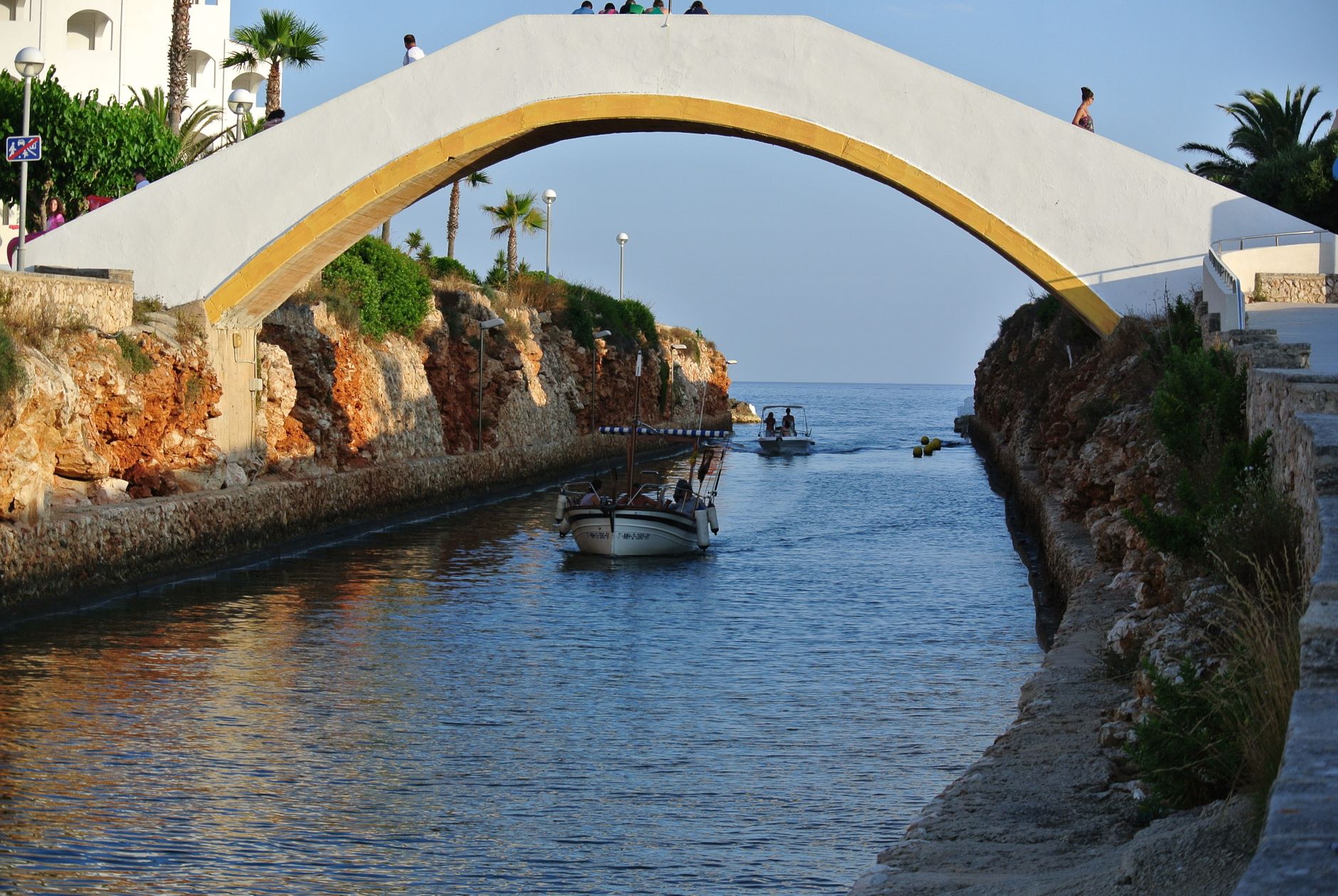
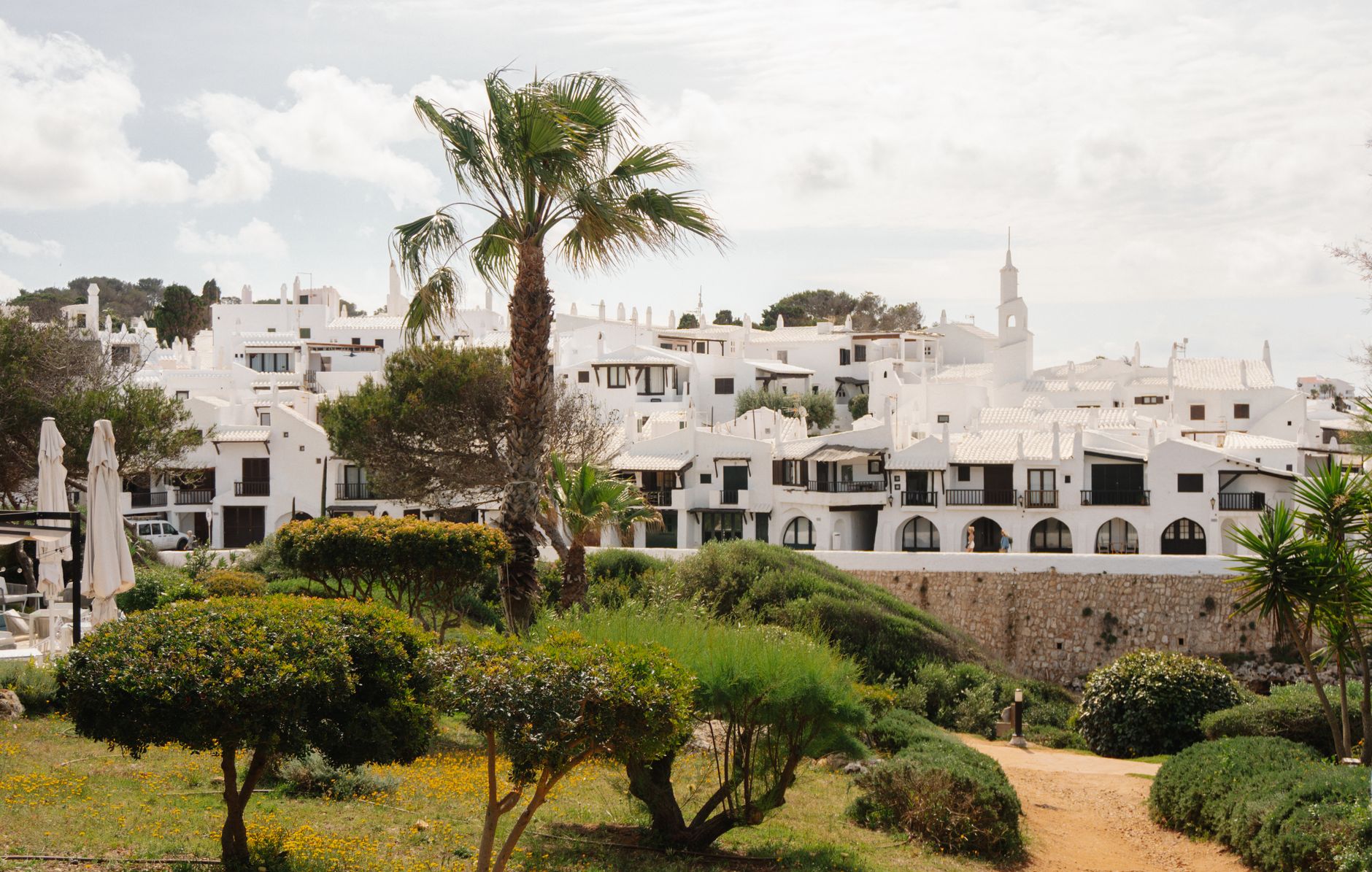
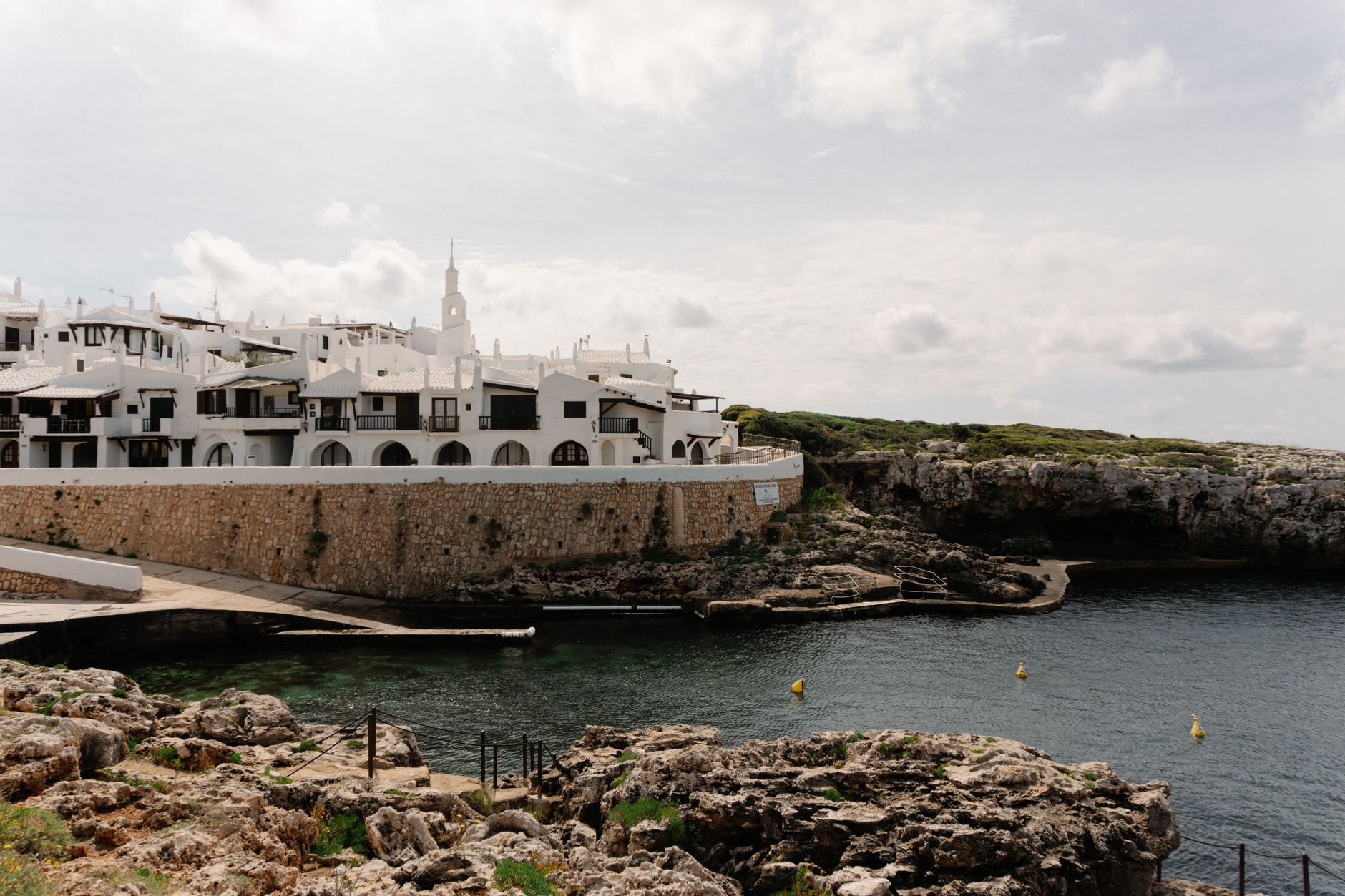
Stand in Plaça des Born on a quiet morning and the obelisk at its centre tells you everything: Ciutadella has been fought over, taken, and rebuilt more times than most cities its size. This was once the island's capital, and the medieval street grid, the Gothic cathedral rising from the stones of a former mosque, the patrician palaces along Carrer del Seminari — all of it still carries that weight.
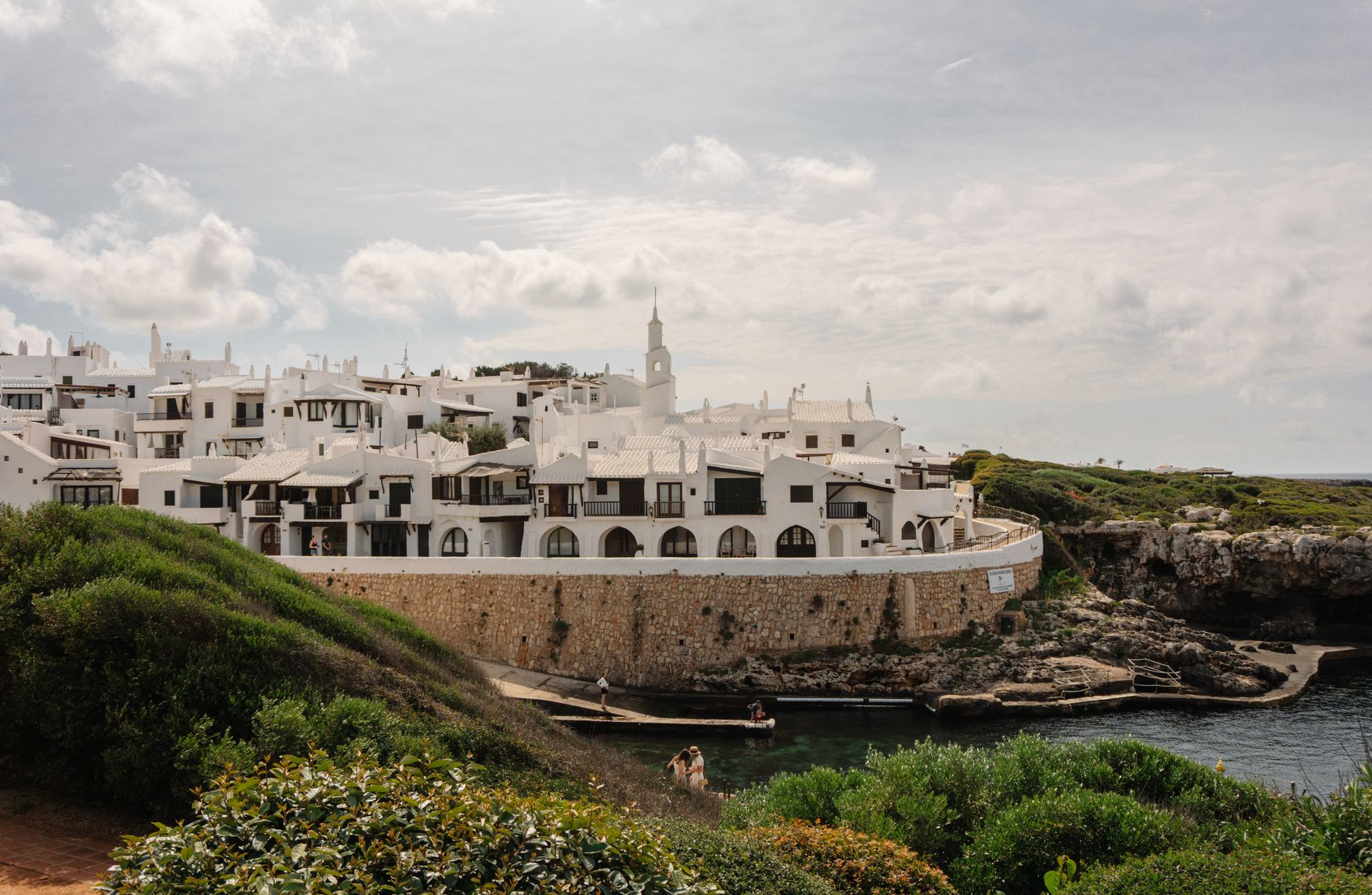
The western tip of Menorca, Ciutadella is older and more self-contained than Mahón, the port town that eventually eclipsed it politically. Its harbour is narrow and dramatic, guarded by a 17th-century hexagonal tower, and the limestone old town is compact enough to cover on foot in a day — though it rewards a longer stay.
💛 What travellers fall for
People who come back tend to mention the Lithica quarry — the old Pedreres de s'Hostal limestone workings, closed since 1994 and now kept as a cultural space — as the thing they almost skipped and ended up lingering in longest. The Naveta des Tudons, a few kilometres outside town, is worth the short drive: a Bronze Age burial chamber from around 1000 BC that sits in open scrubland with almost no interpretation between you and it.
Experiences you don't want to miss




Deals in Ciutadella de Menorca
Book directly at the provider
How Ciutadella de Menorca came to be
The site has been inhabited since at least 2000 BC, with talaiotic stone structures appearing around 1400 BC — the Naveta des Tudons dates to this era. The Carthaginians called it Jamma; the Romans, who took the island in 123 BC, renamed it Lammona. After the Muslim conquest of 903, it became Medina Menurqa, and the city hall still sits on the foundations of the Arab citadel. The Crown of Aragon arrived in 1287, and James II of Majorca extended the walls in 1303.
The Ottoman raid of 1558 devastated the city — the obelisk in Plaça des Born, erected in the 19th century by Josep Quadrado, marks that wound. After the War of Spanish Succession, Britain controlled Menorca for much of the 18th century, and in 1714 the island's capital was moved to Mahón. The old city walls came down from 1868 onward, but the medieval core survived largely intact.
Who and what shaped it
People who shaped it
Landmark buildings
See Ciutadella de Menorca in motion
Plan your visit
On the map
When to go
Summers are hot and dry, with long clear days that make the limestone glow; July and August are peak season and the streets fill accordingly. Spring and autumn offer warm weather, lighter crowds, and the particular quality of Mediterranean light that photographers chase. Winters are mild but can be humid, and some seasonal businesses close — the cathedral and outdoor monuments remain accessible year-round.
Right now
Background & history adapted from Wikipedia (CC BY-SA) · specs from Wikidata (CC0) · weather from Open-Meteo · map data © OpenStreetMap contributors · photos from Wikimedia Commons / Unsplash with per-image credit. No third-party reviews or social posts reproduced.