
Sant Antoni de Portmany

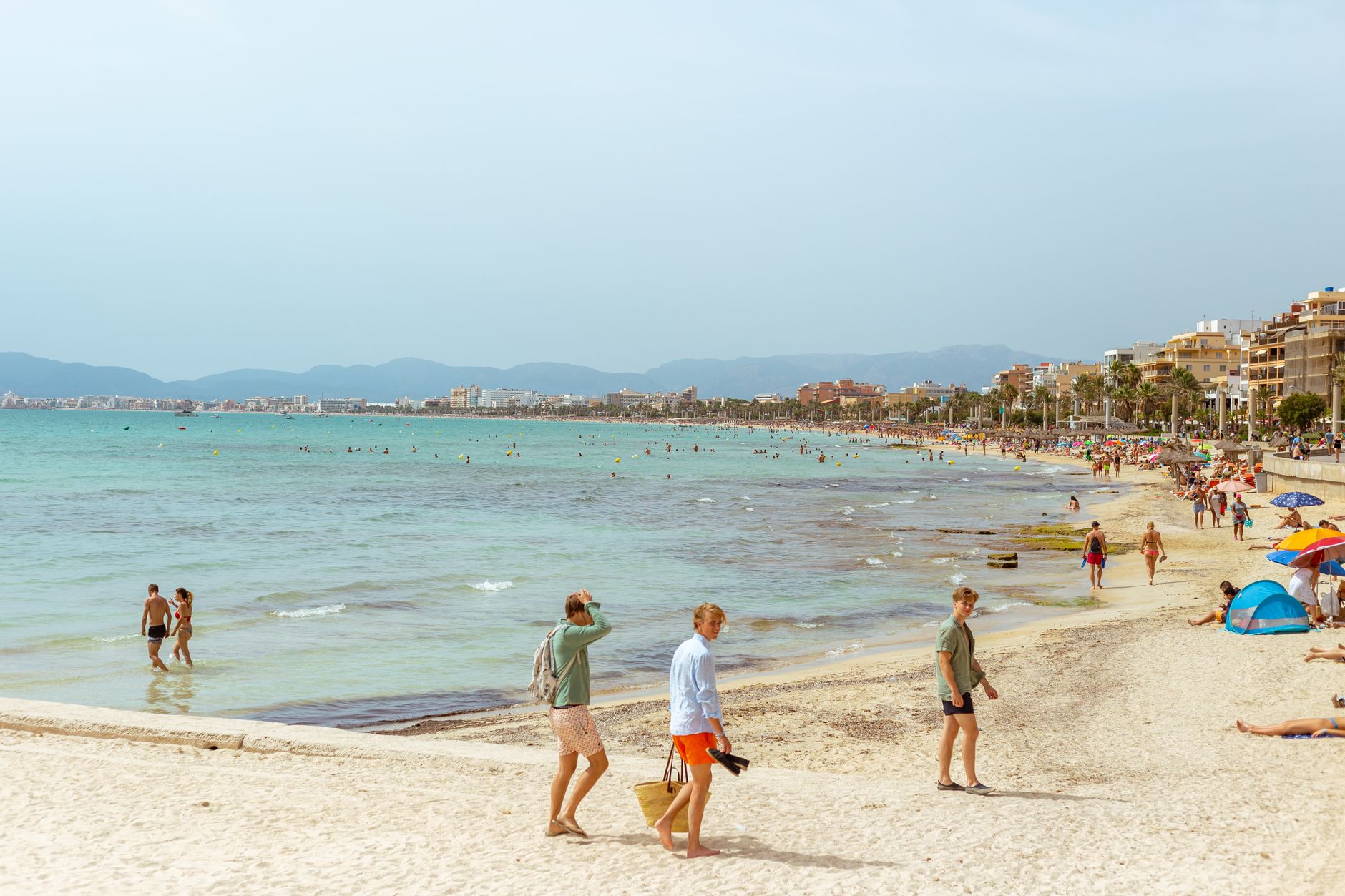
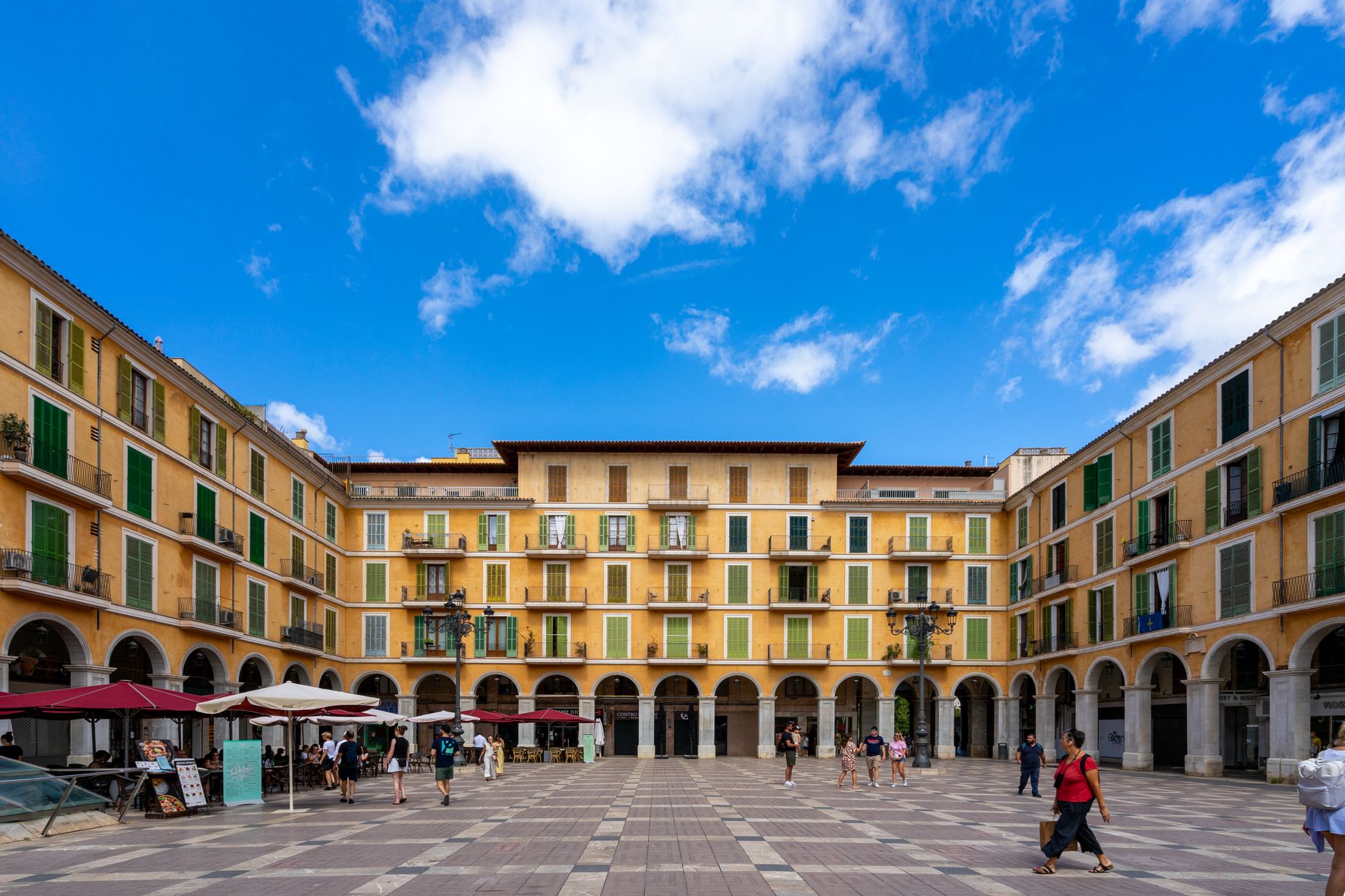
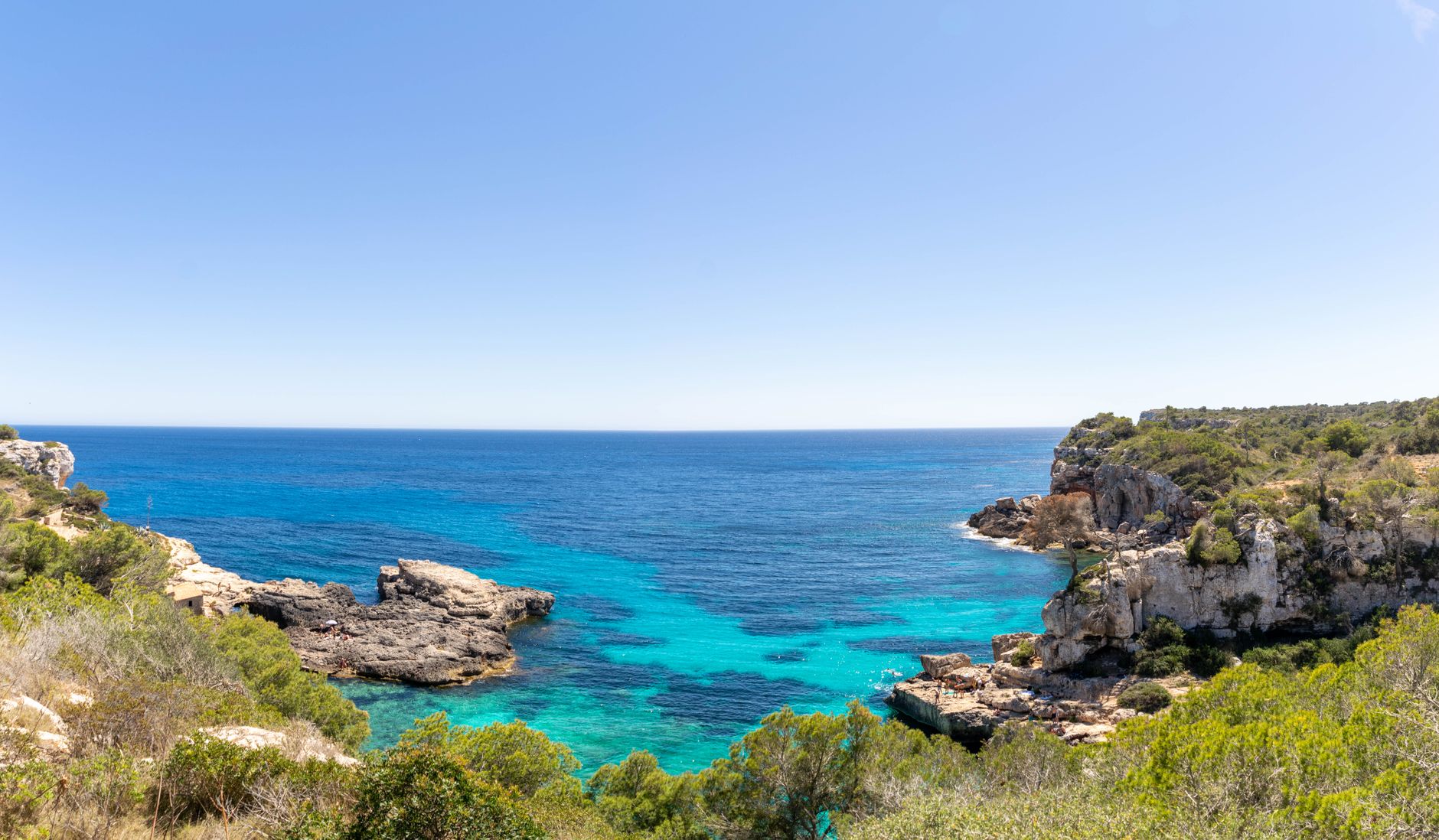
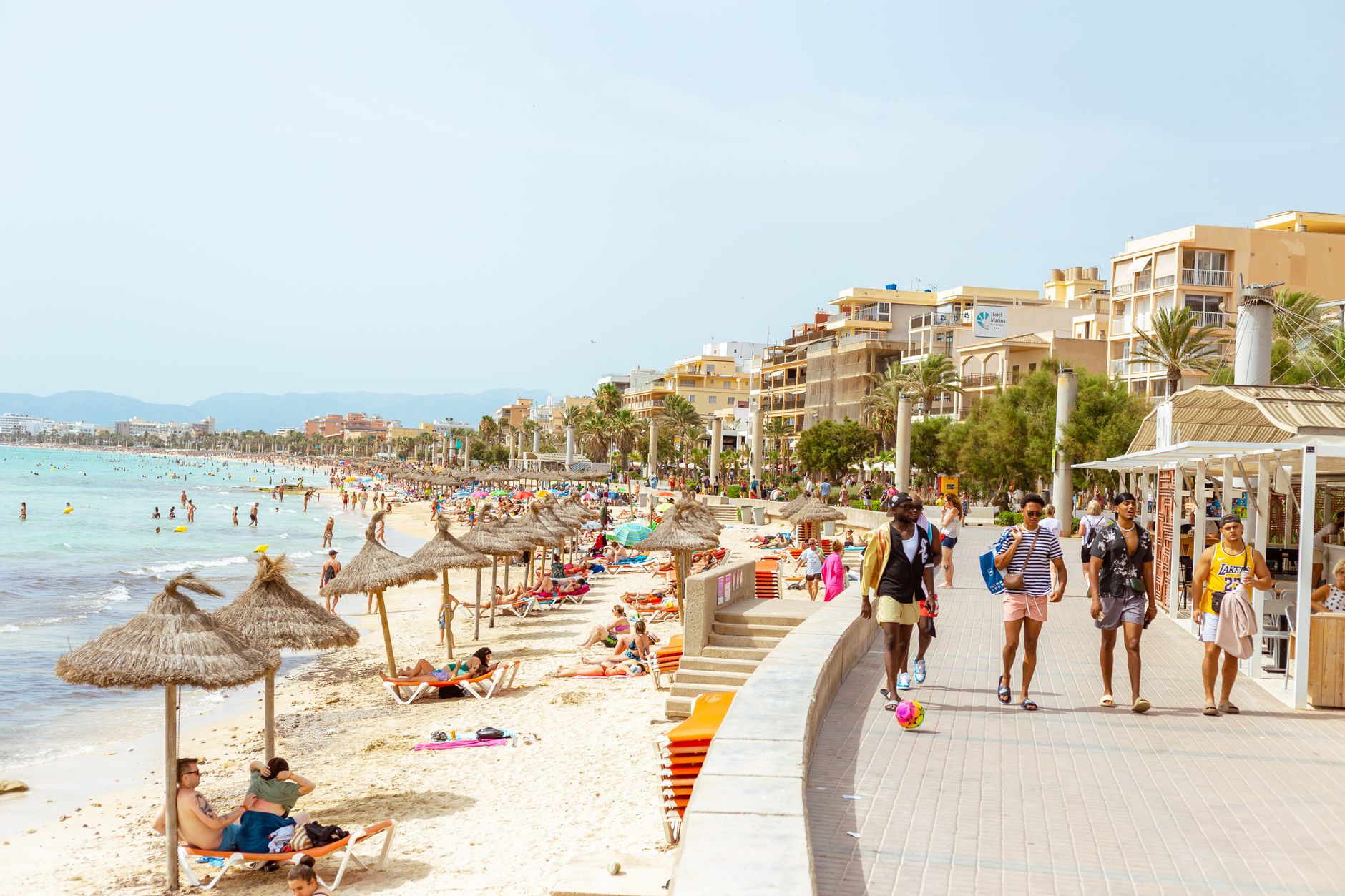

The Romans called it Portus Magnus — the great port — and even now, standing at the waterfront as the sun drops toward the horizon, you can see why the name stuck. Sant Antoni de Portmany is Ibiza's second town, a place that built its modern identity almost entirely on two things: the spectacle of a Mediterranean sunset and the music that grew up around it.
For decades, the Sunset Strip has drawn people to its terrace bars — Café del Mar, Café Mambo — to watch the sky go orange and pink over the water. That ritual is genuine, not manufactured, and it coexists with the harder-edged West End a few streets back, where the bars open at ten in the morning and close at three.
💛 What travellers fall for
People who return tend to follow the same quiet morning before the crowds arrive: coffee somewhere on Carrer de Santa Agnès, then a water taxi from the port to Cala Conta or Cala Bassa. The boat ride is short, the beaches are not, and you're back in town in time for the sunset without having spent the whole day fighting for a sun lounger.
Experiences you don't want to miss


Deals in Sant Antoni de Portmany
Book directly at the provider
How Sant Antoni de Portmany came to be
The port has been in use since Roman times, when it was recorded as Portus Magnus — a name that eroded, over centuries, into Portmany. After the Christian conquest of Ibiza in 1235, Catalan became the island's language and has remained so. The church dedicated to Sant Antoni was established in 1305 and gave the town its full name; the current structure, built in 1385, was designed as much for defence as for worship, its thick walls meant to withstand pirate raids.
For most of the following six centuries, Sant Antoni was a fishing village. The transformation came fast: in the late 1950s, hotel construction accelerated as part of Spain's mass-tourism drive, and by the 1980s British visitors had become the dominant summer presence. Café del Mar opened on 20 June 1980, and when DJ José Padilla took up residency there in 1991, the ambient sets he played at sunset quietly seeded a genre — and a reputation — that still defines the town.
Who and what shaped it
People who shaped it
Landmark buildings
See Sant Antoni de Portmany in motion
Plan your visit
On the map
When to go
Summer runs from late June through September — warm, dry and often muggy, with July averaging just 3 mm of rain. Winters are long and can be windy, with most of the year's rainfall arriving in October; the annual average temperature sits at around 18.5 °C.
Right now
Background & history adapted from Wikipedia (CC BY-SA) · specs from Wikidata (CC0) · weather from Open-Meteo · map data © OpenStreetMap contributors · photos from Wikimedia Commons / Unsplash with per-image credit. No third-party reviews or social posts reproduced.