
Palma de Mallorca
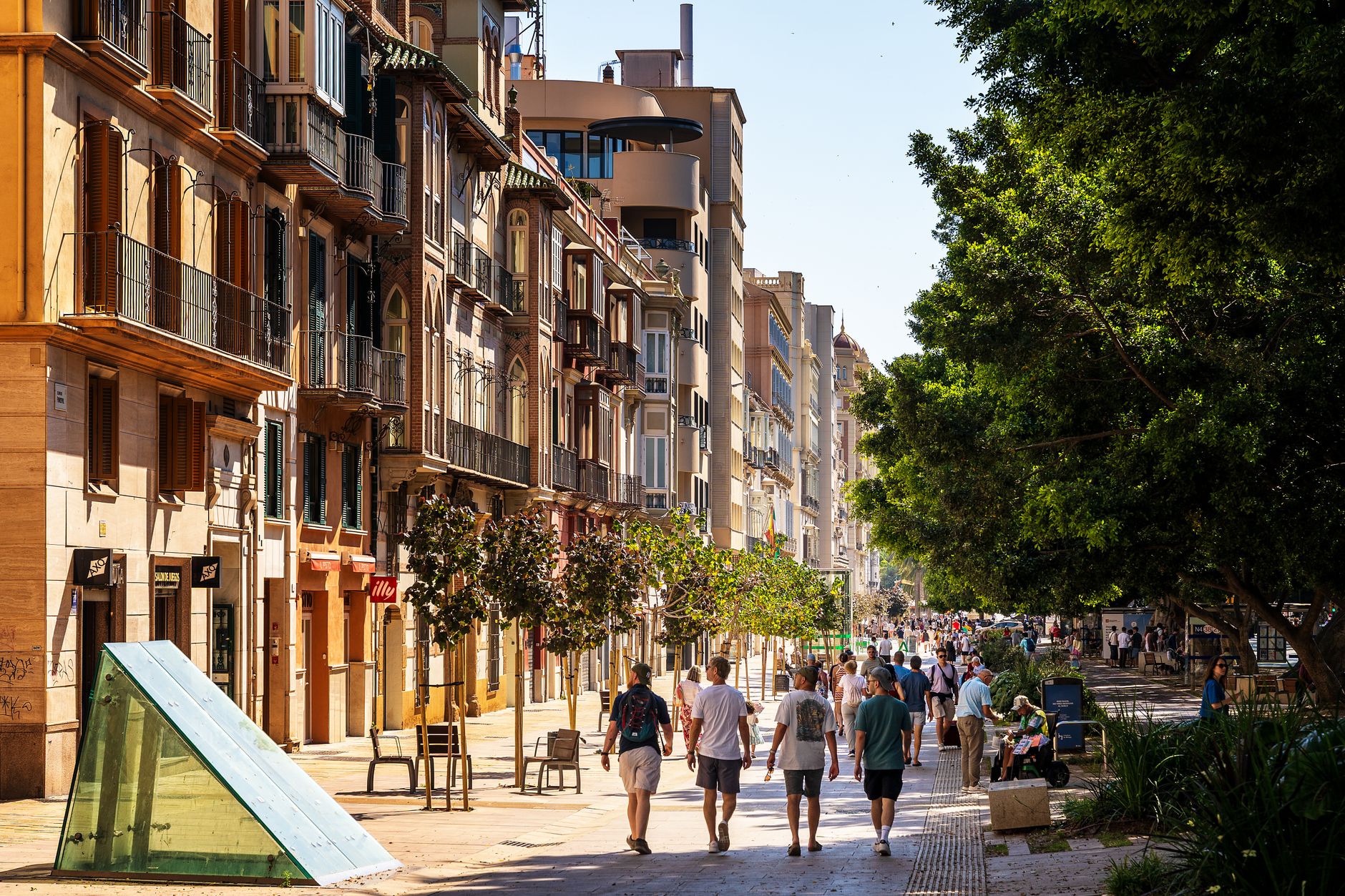
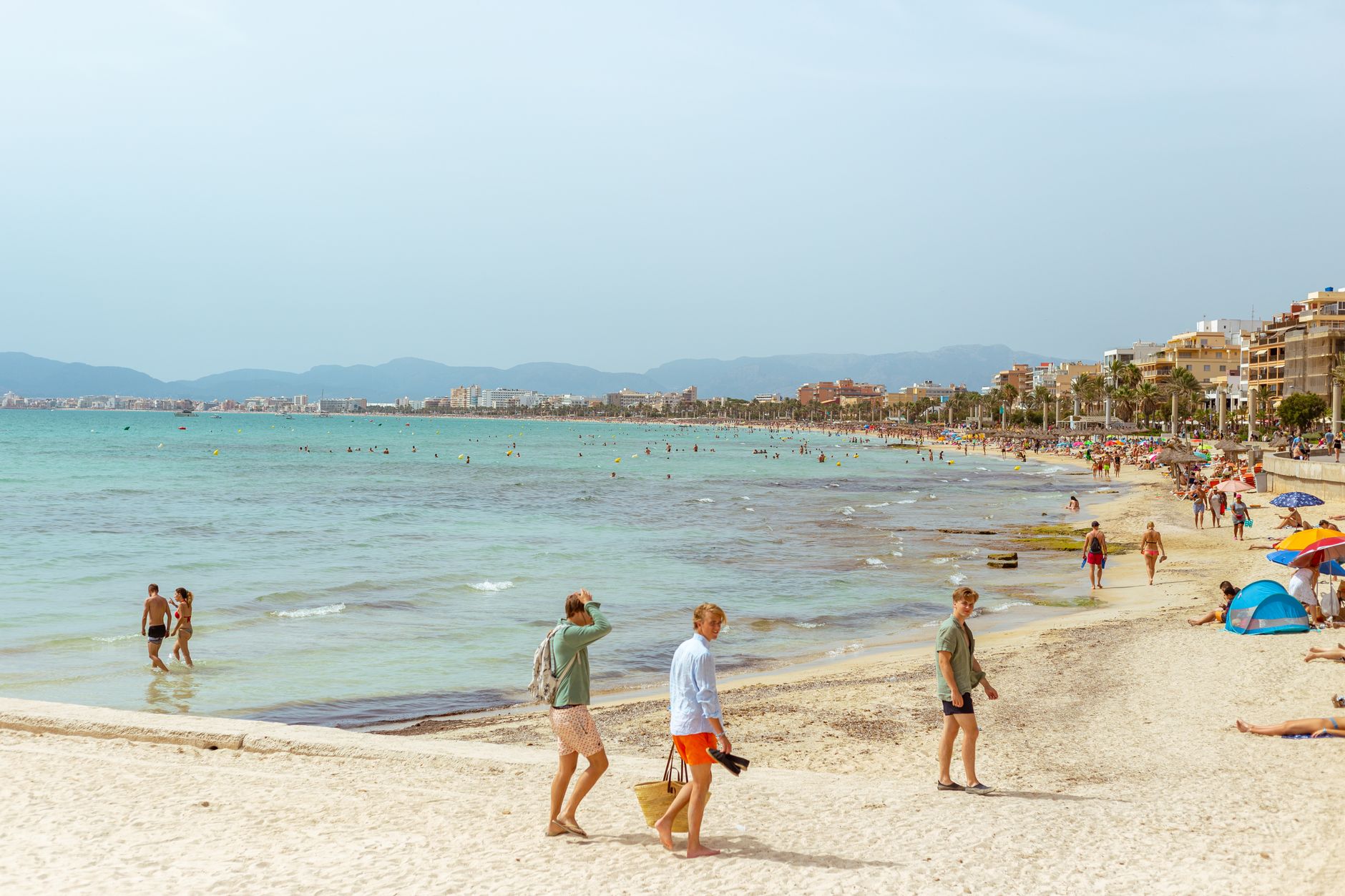
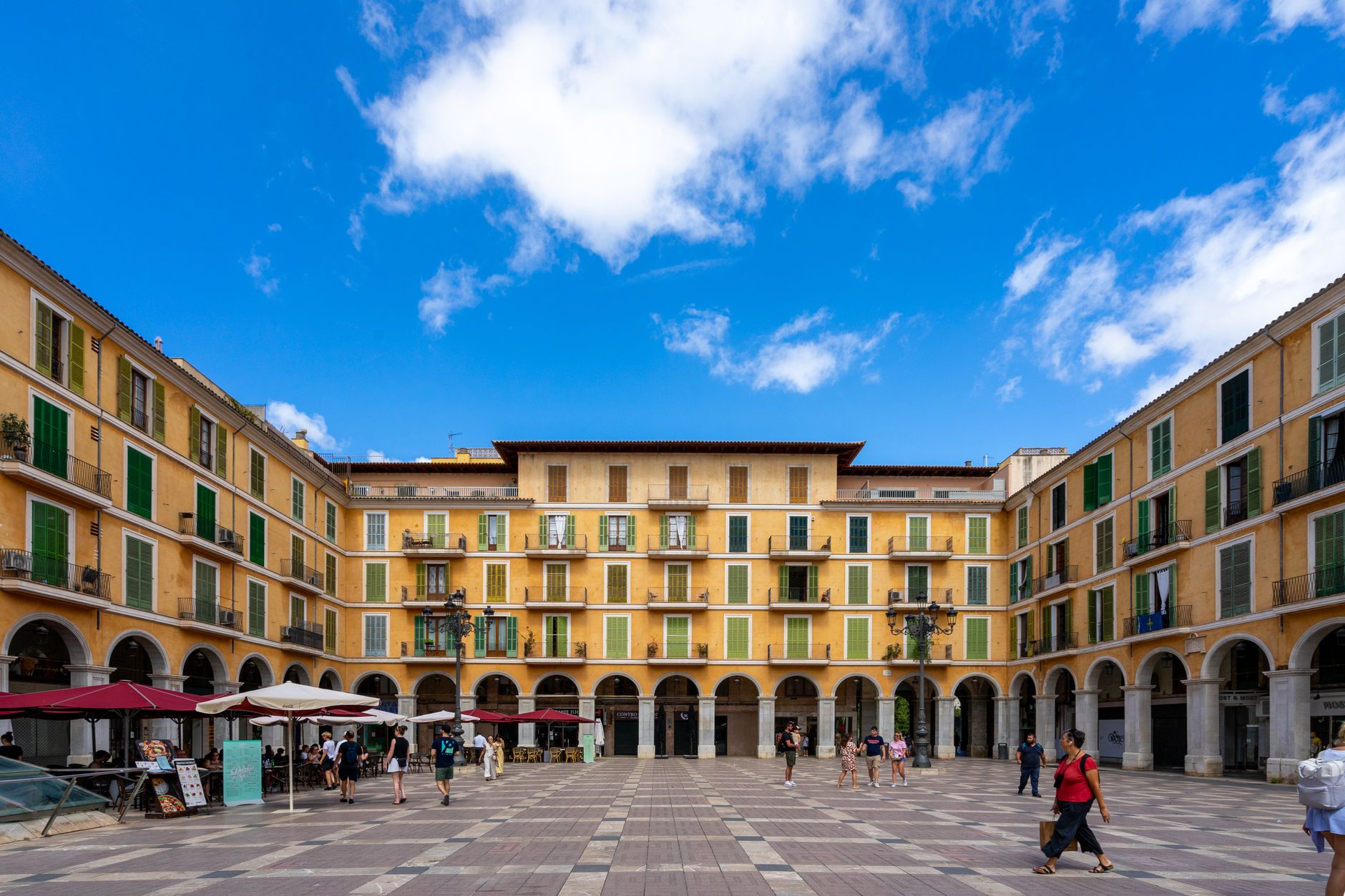
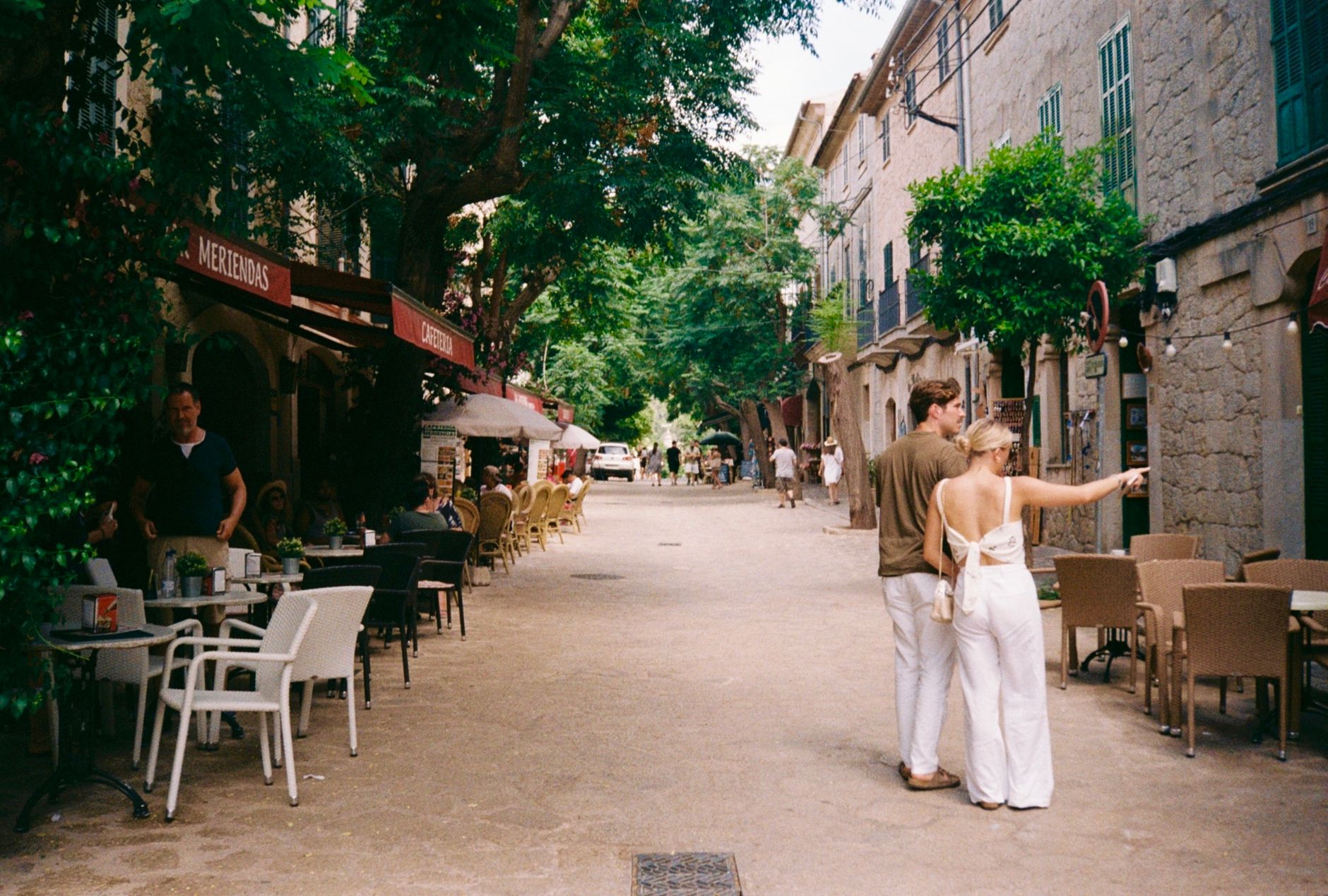
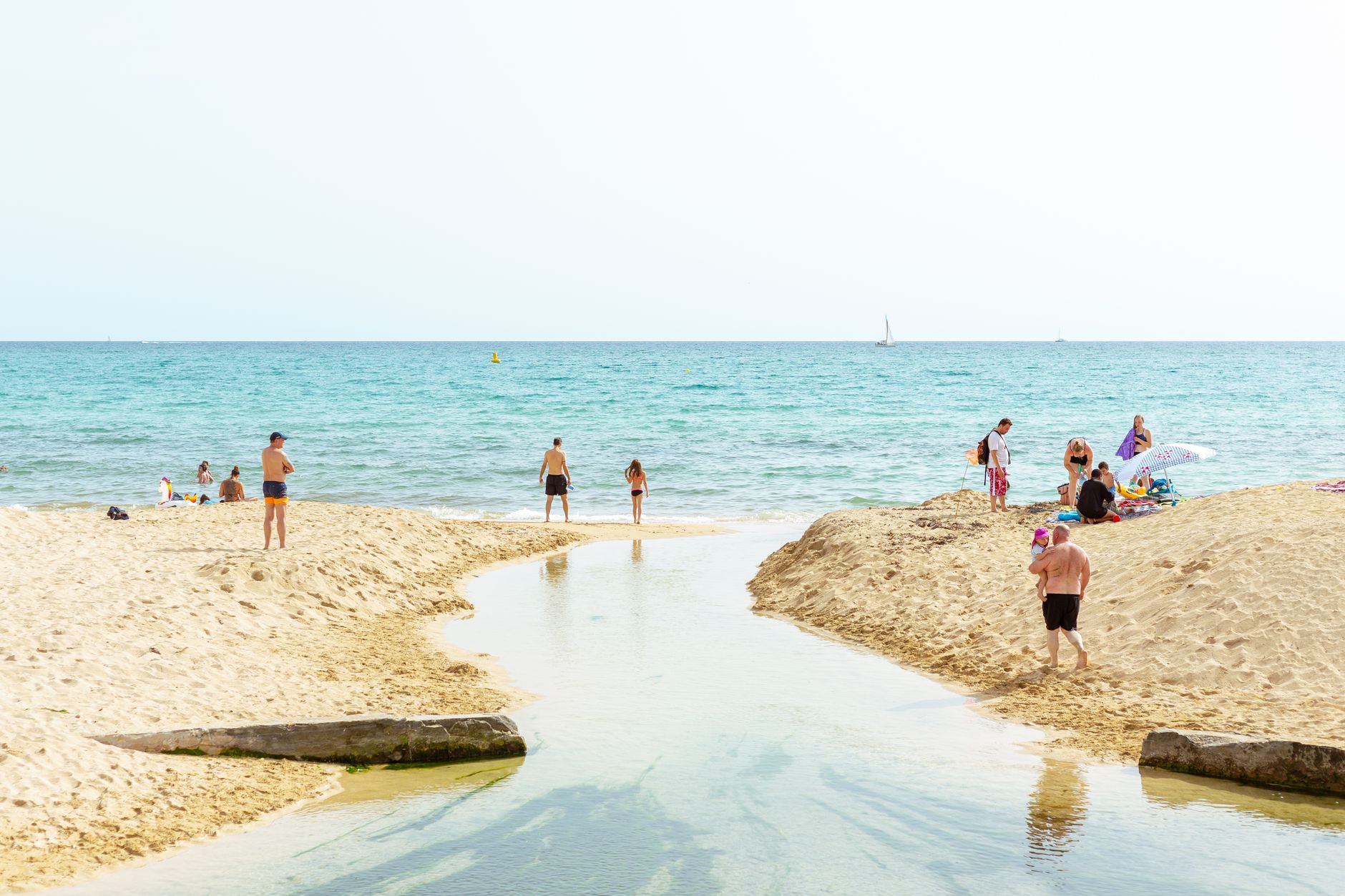
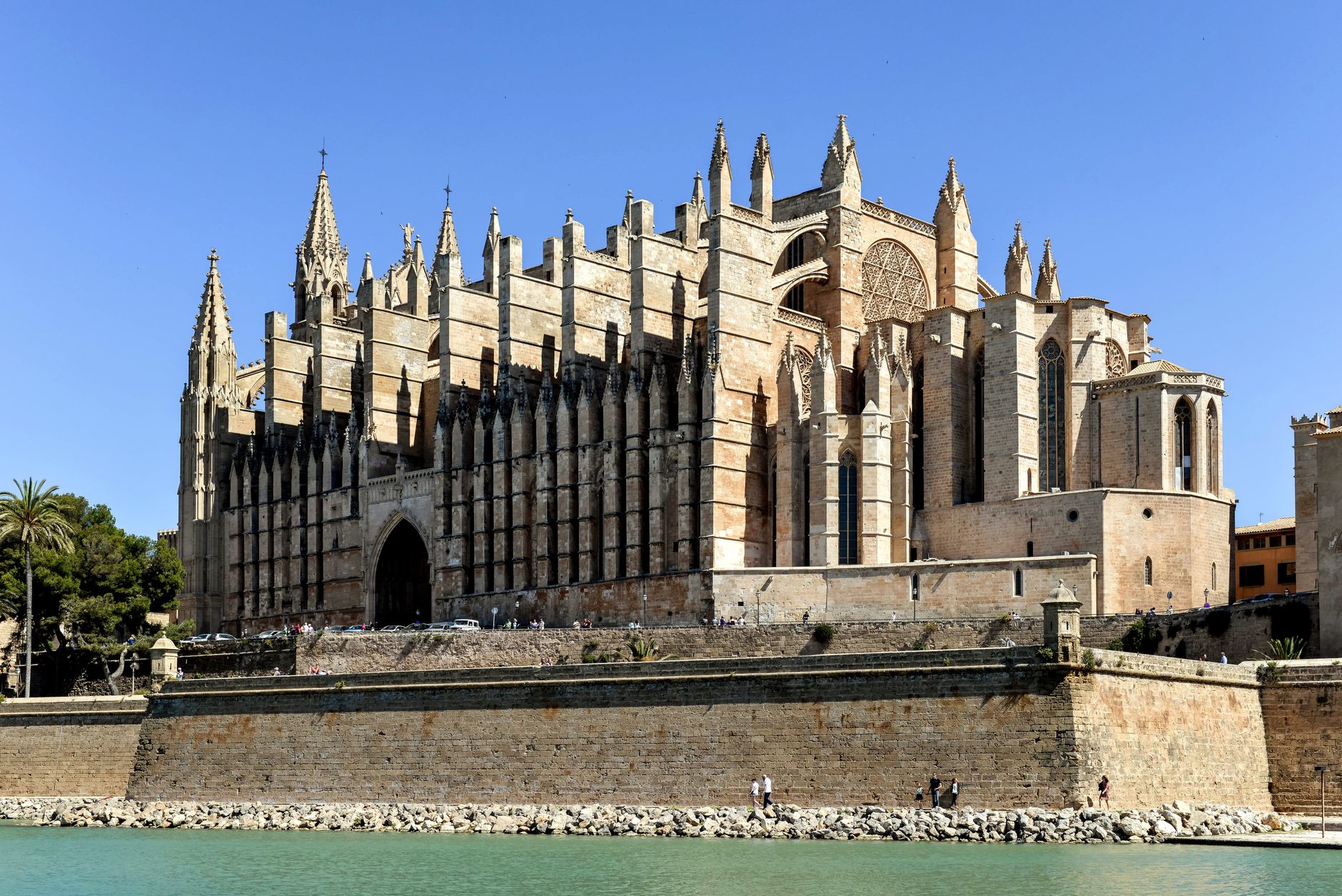
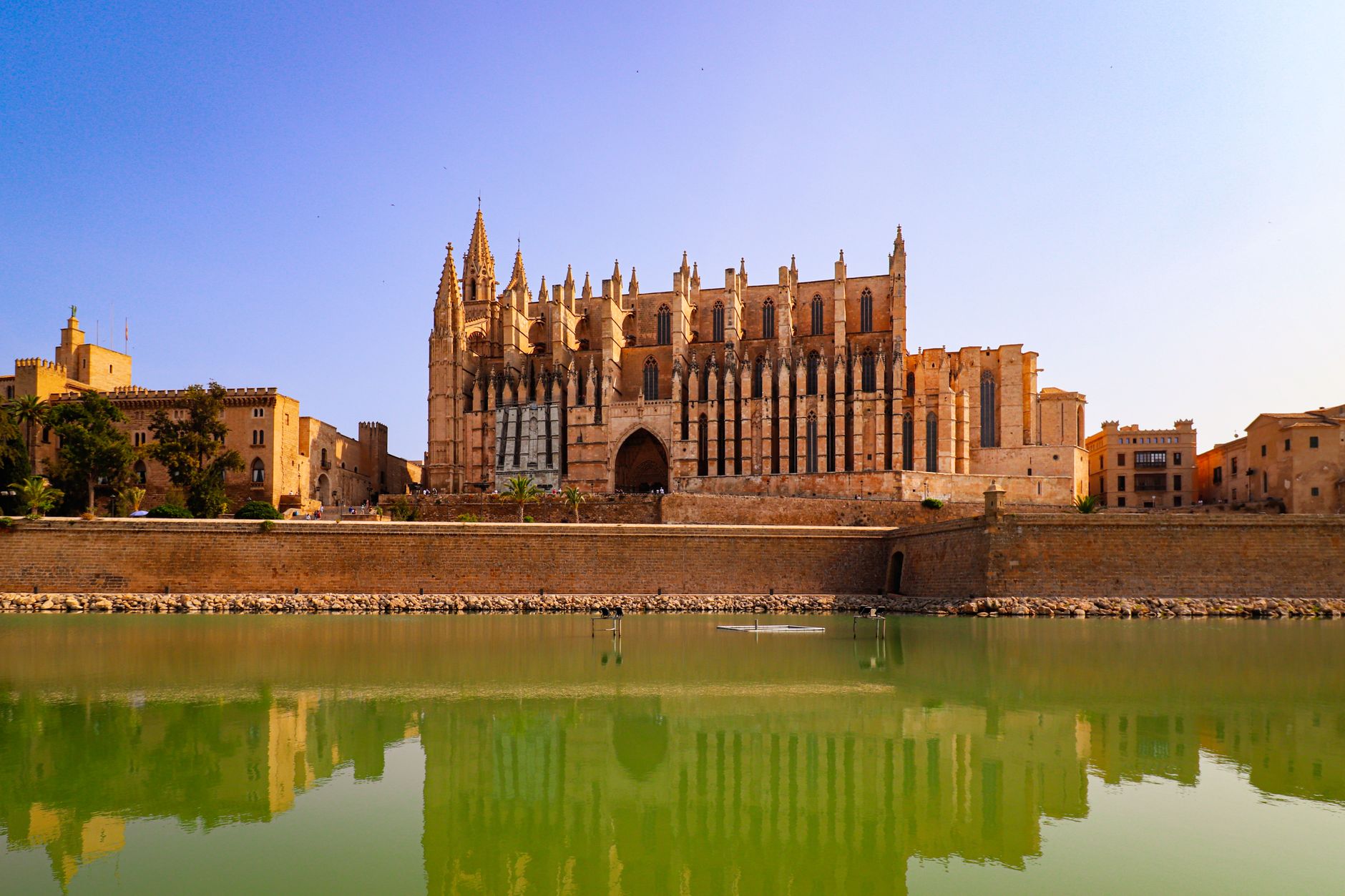
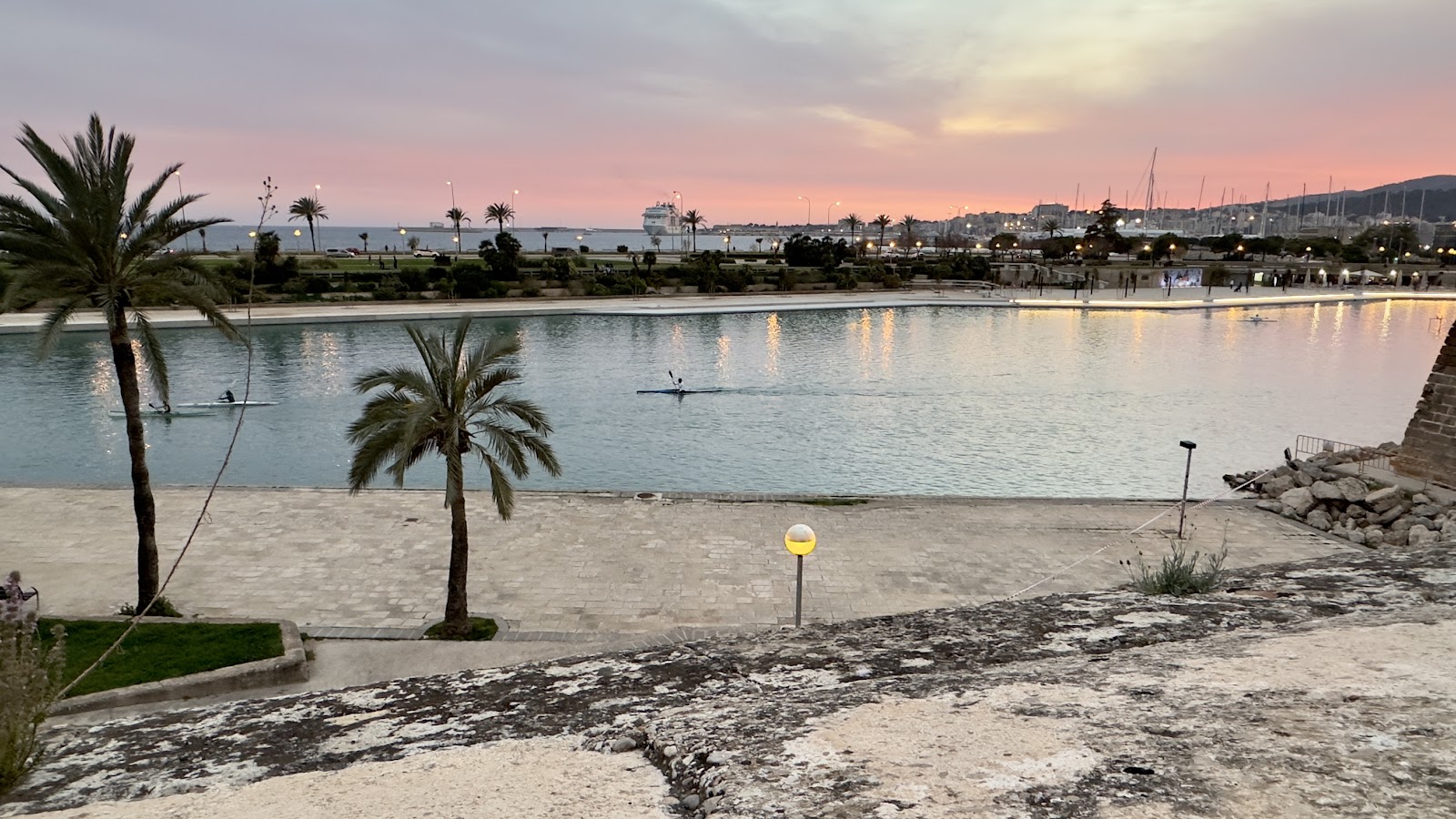
Stand on the waterfront at dusk and the first thing you notice is the sheer scale of La Seu Cathedral rising above the old city walls — seven rose windows and eighty-three smaller ones meaning that, on the right morning, the interior fills with coloured light in a way that feels almost engineered for wonder. Palma sits on the southern coast of Mallorca, the largest of the Balearic Islands, and carries the layered confidence of a city that has been Roman, Moorish, Aragonese and Spanish in turn — each era leaving something the next chose not to demolish entirely.
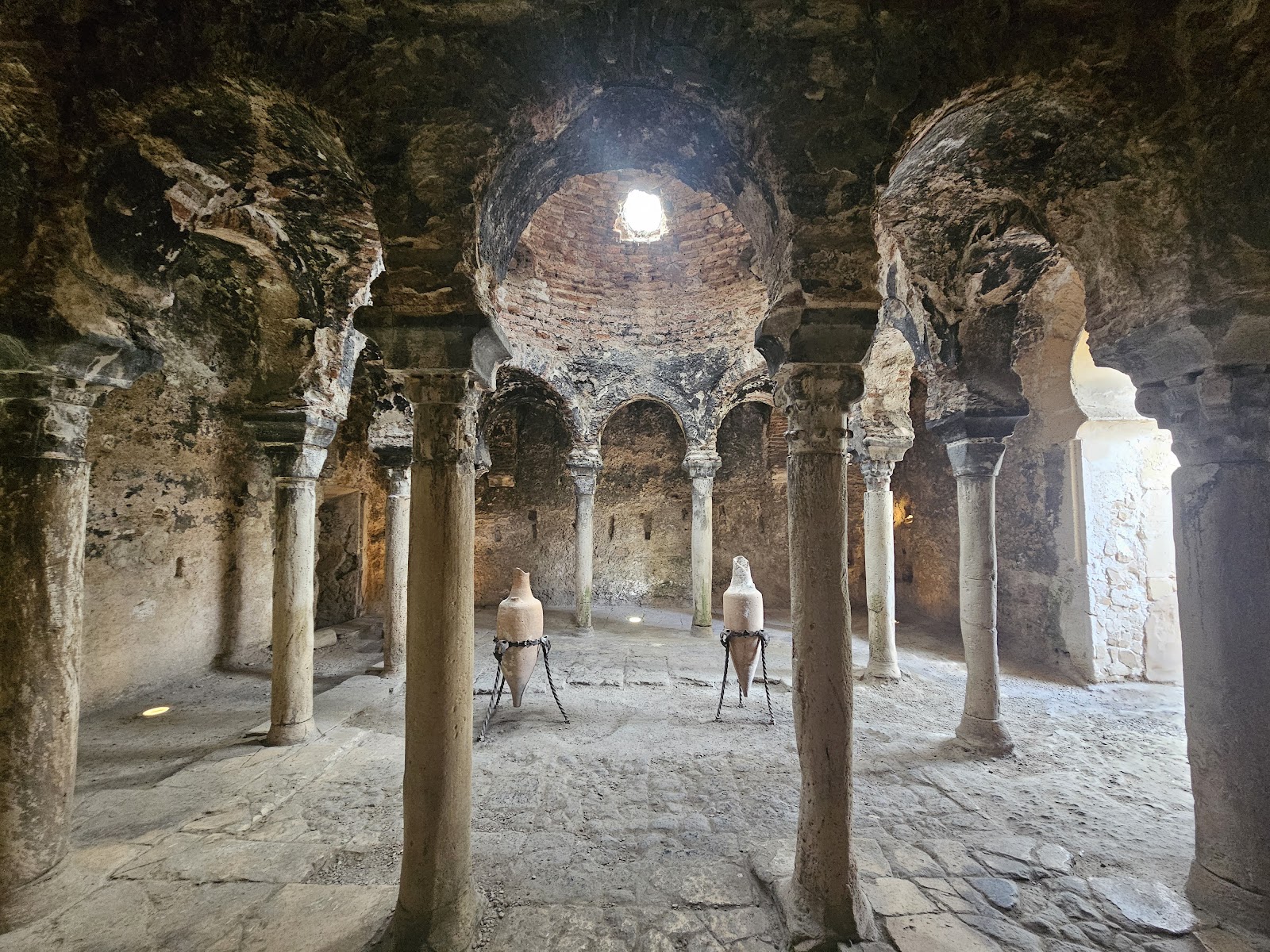
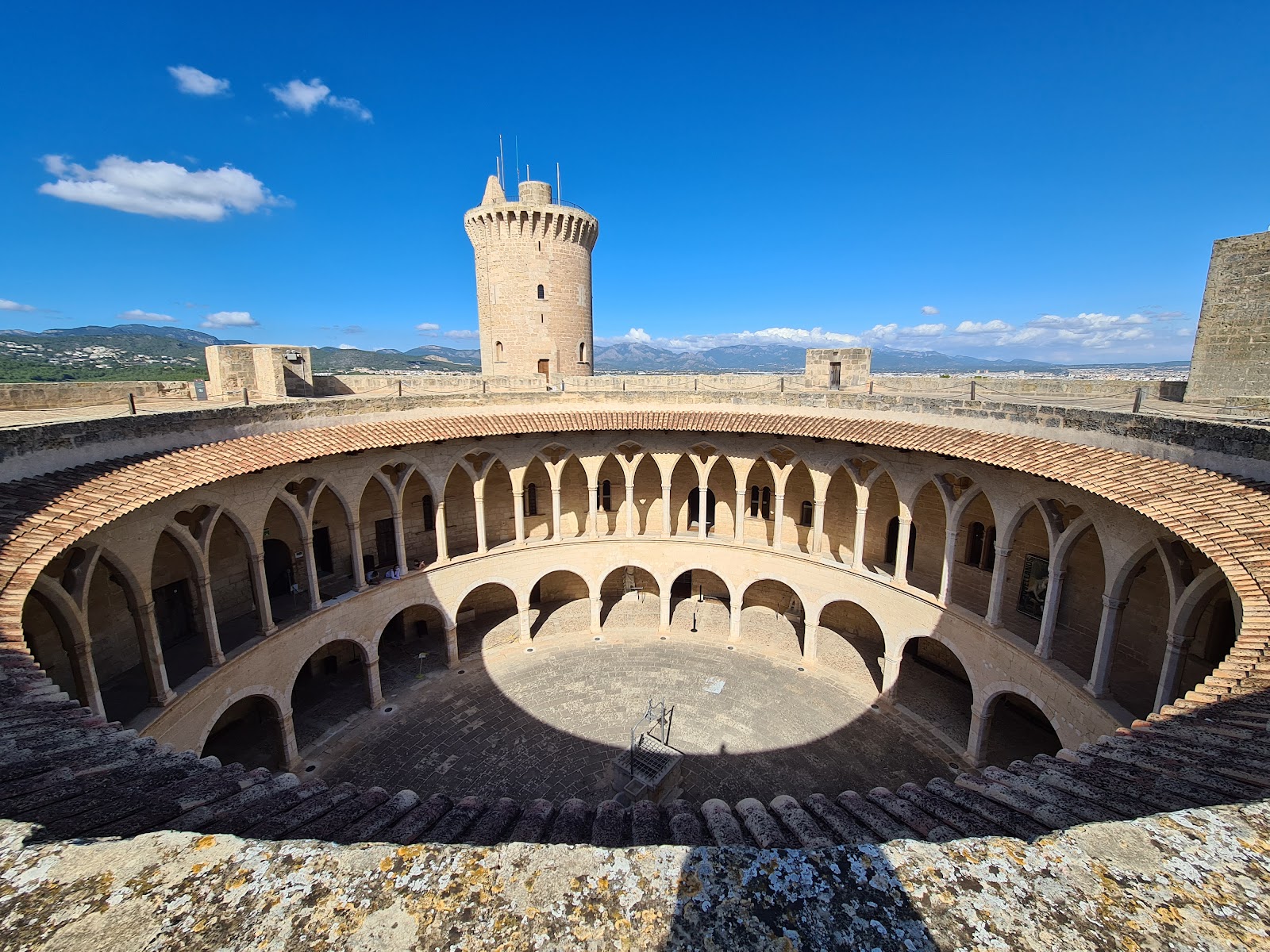
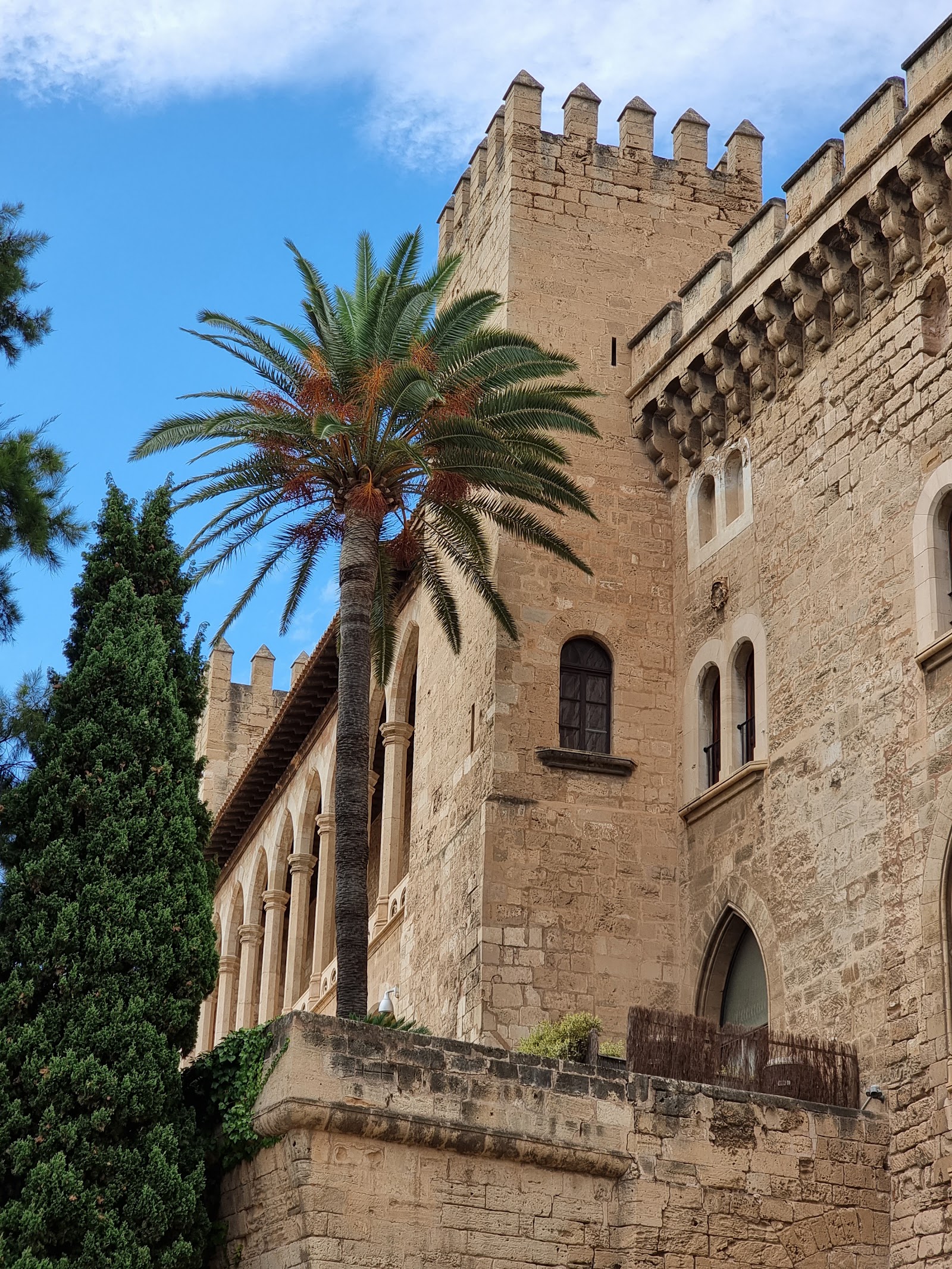
The streets behind the cathedral reward slow walking. Arab baths survive in a quiet garden. A fourteenth-century circular castle watches the bay from the pine-covered hill above town. The Gran Hotel, completed in 1903, still has the energy of a city announcing itself to the world.
💛 What travellers fall for
People who come back tend to know the drill: get to La Lonja early, before tour groups, and stand under Guillem Sagrera's spiral pillars where the ribbed vaults divide overhead like the fronds of a stone palm. Then coffee somewhere on the Passeig del Born. The Banys Àrabs in the afternoon, when the light drops into the caldarium just right.
Experiences you don't want to miss


Deals in Palma de Mallorca
Book directly at the provider


How Palma de Mallorca came to be
Palma began as a Roman camp, founded around 123 BC by consul Quintus Caecilius Metellus Balearicus on the site of a much older Talaiotic settlement. Vandals raided it, the Byzantine Empire reclaimed it, and the Moors — who renamed it Medina Mayurqa — shaped the city for several centuries, leaving behind the baths that still stand in a garden off Carrer Can Serra. In 1229, King James I of Aragon took the island back and ordered the cathedral built on the site of the main mosque.
The city's commercial peak came in the fifteenth century, when Guillem Sagrera spent three decades constructing La Lonja as a merchants' exchange, a building so refined it barely reads as functional. By 1833 Palma had become the capital of the Balearic Islands province, and in 1983 the capital of Spain's autonomous Balearic community.
Who and what shaped it
People who shaped it
Landmark buildings
See Palma de Mallorca in motion
Plan your visit
On the map
When to go
Summers are hot and dry, often above 30°C, with August bringing the heaviest crowds alongside the heat. Spring and early autumn offer mild temperatures in the low-to-mid twenties — the sea is warm enough to swim well into October. Winters are mild by northern European standards but can be wet, and many coastal businesses close between November and March.
Right now
↡ Attractions


Background & history adapted from Wikipedia (CC BY-SA) · specs from Wikidata (CC0) · weather from Open-Meteo · map data © OpenStreetMap contributors · photos from Wikimedia Commons / Unsplash with per-image credit. No third-party reviews or social posts reproduced.