
Banys Àrabs (Arab Baths)
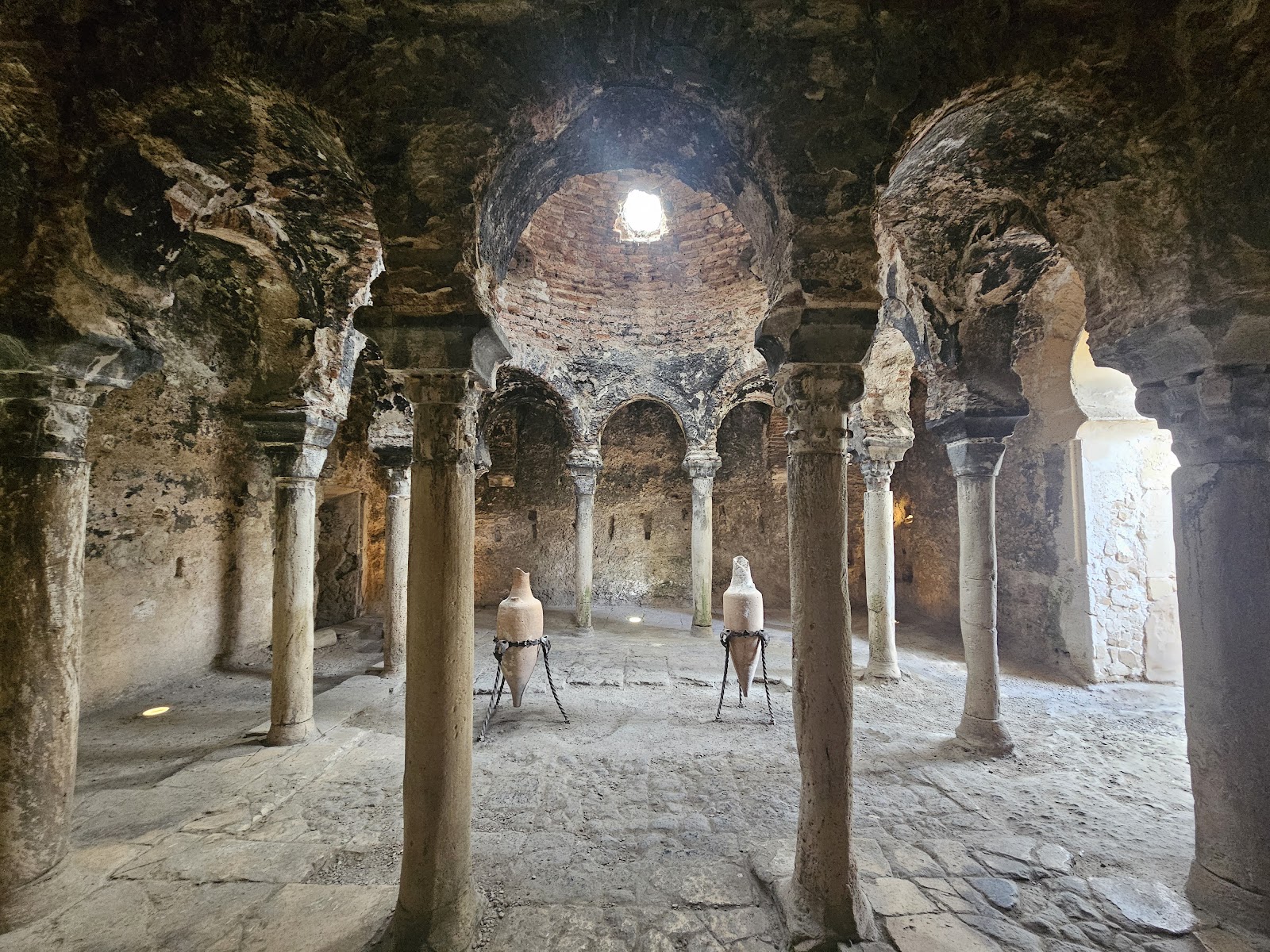
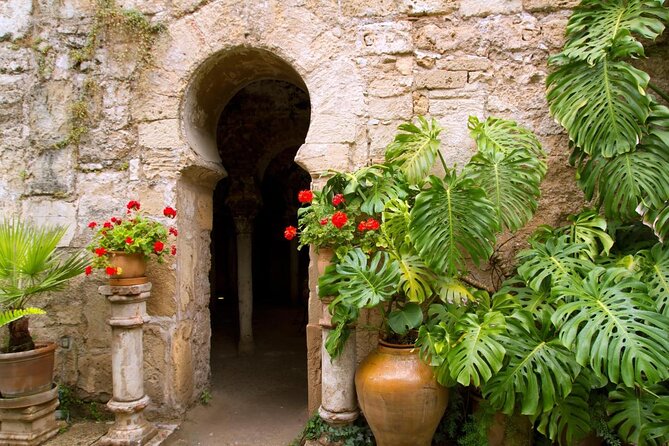
Step through the horseshoe arch on Carrer de Can Serra and you're standing inside one of the oldest surviving structures in Palma — a domed bathhouse built sometime in the tenth century, when this city was still called Medina Mayurqa. The dome above the tepidarium is a half-orange of brick, pierced by twenty-five circular shafts that drop columns of light onto the floor below.
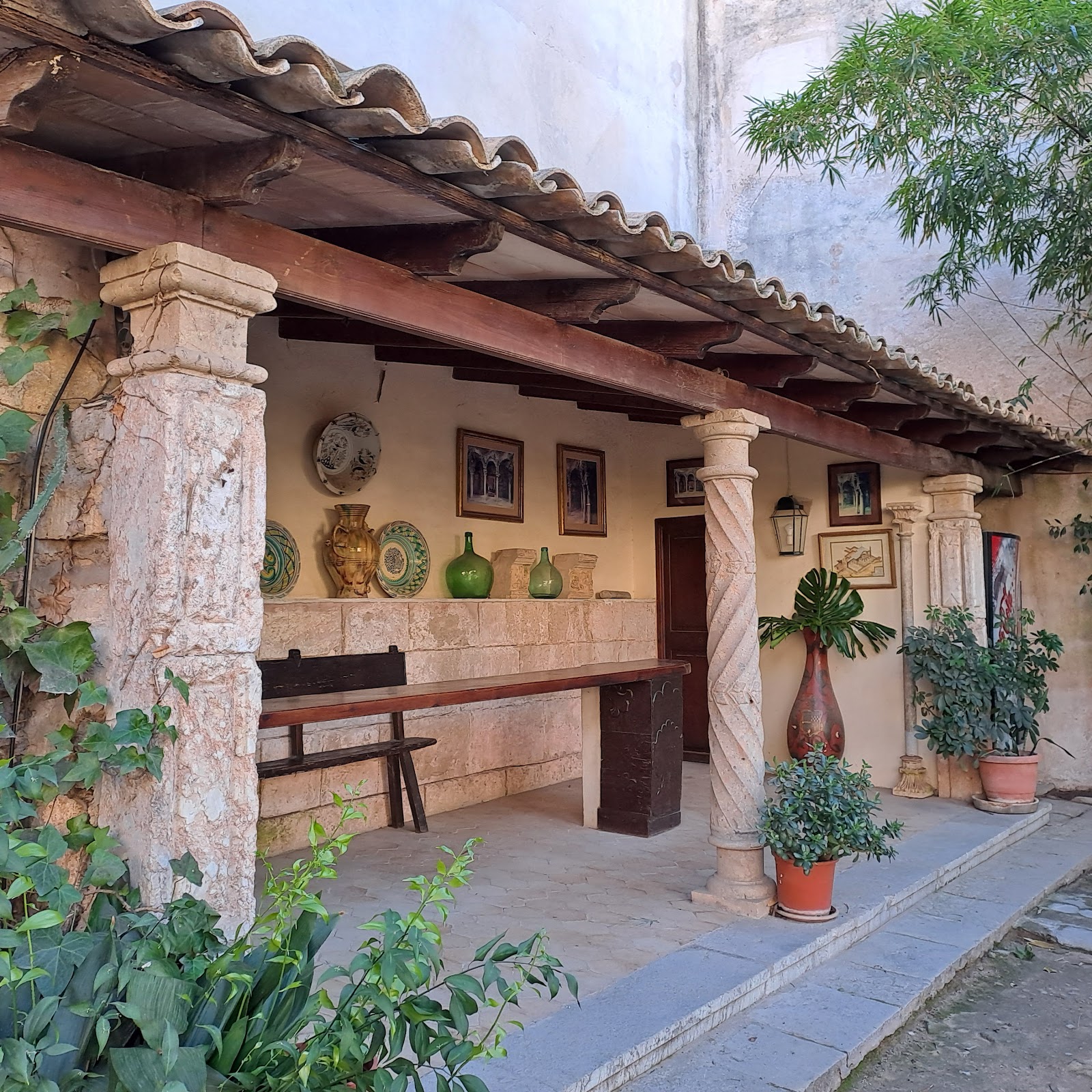
The twelve columns holding it up are a quiet archaeology lesson in themselves: no two are the same, each one salvaged from an earlier building — Roman, Byzantine, or otherwise. Behind the bathhouse, a garden of palms, orange trees and jasmine fills what was once the orchard of the manor house Can Fontirroig.
💛 What travellers fall for
People who return tend to time their visit around the summer solstice, when sunlight hits the dome's ventilation slits at exactly the right angle and lights up the central pool in a way no photograph quite captures. Come early in the day before tour groups arrive, and bring cash — the €2.50 admission is still coin-and-note only.
The story behind Banys Àrabs (Arab Baths)
When Abd al-Rahman III's influence extended to the Balearics in the tenth century, Palma functioned as a significant port city under the name Medina Mayurqa. The baths — most likely part of a wealthy merchant's or nobleman's residence — were built in the Islamic tradition of communal bathing, using whatever materials were at hand, which meant columns and capitals stripped from Roman and Byzantine ruins across the island.
After the Christian reconquest of Mallorca in 1229, the city's Islamic fabric was largely dismantled or built over. The bathhouse survived, repurposed and eventually forgotten until 1903, when archaeologist Francisco M. de Borbón documented the structure and set in motion the preservation efforts that keep it standing today.
Good to know
A three-minute walk from La Seu, at Carrer de Can Serra 7. Open 09:00–19:30 April through November, 09:00–18:00 the rest of the year. Admission around €2.50, cash only. The on-site information is sparse, so read up beforehand. Budget 20 minutes for the rooms and garden.
Where is Banys Àrabs (Arab Baths)?
Location
- In Palma de Mallorca
- 39.5695, 2.6519
- Open in Google Maps
Rating
3.7 ★ · 6,047 Google reviews
More tickets & tours for Banys Àrabs (Arab Baths)
Book directly at the provider
What travellers say about Banys Àrabs (Arab Baths)
A peaceful and interesting place for those looking to learn more about the history of the island - the baths are the only remaining piece of Arab architecture on Mallorca. Bring cash (€3.50 ish) to purchase tickets at the door. The tour doesn’t take too long but it’s informative, and you can stay and relax in the beautiful gardens afterwards.
Tranquil place in the heart of Palma. The architecture is really stunning and the garden next to it is charming. For me it was worth a visit but admission fee does seem a bit steep for what there is too see. Still a lot of food photo opportunities to be had here.
If you love history and old architectures, it's okay. You can see the entire place in 10 minuts or less. I have visited around 300 old/ historical places in the past 5 years. This is sadly at the bottom 10 places on the list.
The baths are only small and it will not take long to walk around. The gardens are lovely. The price was €3.50 for the entrance fee.
The place is really small with one room and a garden. The closing time stated was 18:00 but we were locked inside at 16:40 as the guard went away. Luckily neighbors saved us by letting us in their place. Check timining before entering in afternoon times.
More of Palma de Mallorca
Discover where to stay, what to do and the best deals for your trip.
Explore Palma de Mallorca →More attractions in Palma de Mallorca
All of Palma de Mallorca →

Background adapted from Wikipedia (CC BY-SA) · map data © OpenStreetMap contributors · ratings & place photos via Google · other photos with per-image credit. Ticket links may earn us a commission at no extra cost to you.