
Es Baluard Museu d'Art Modern i Contemporani

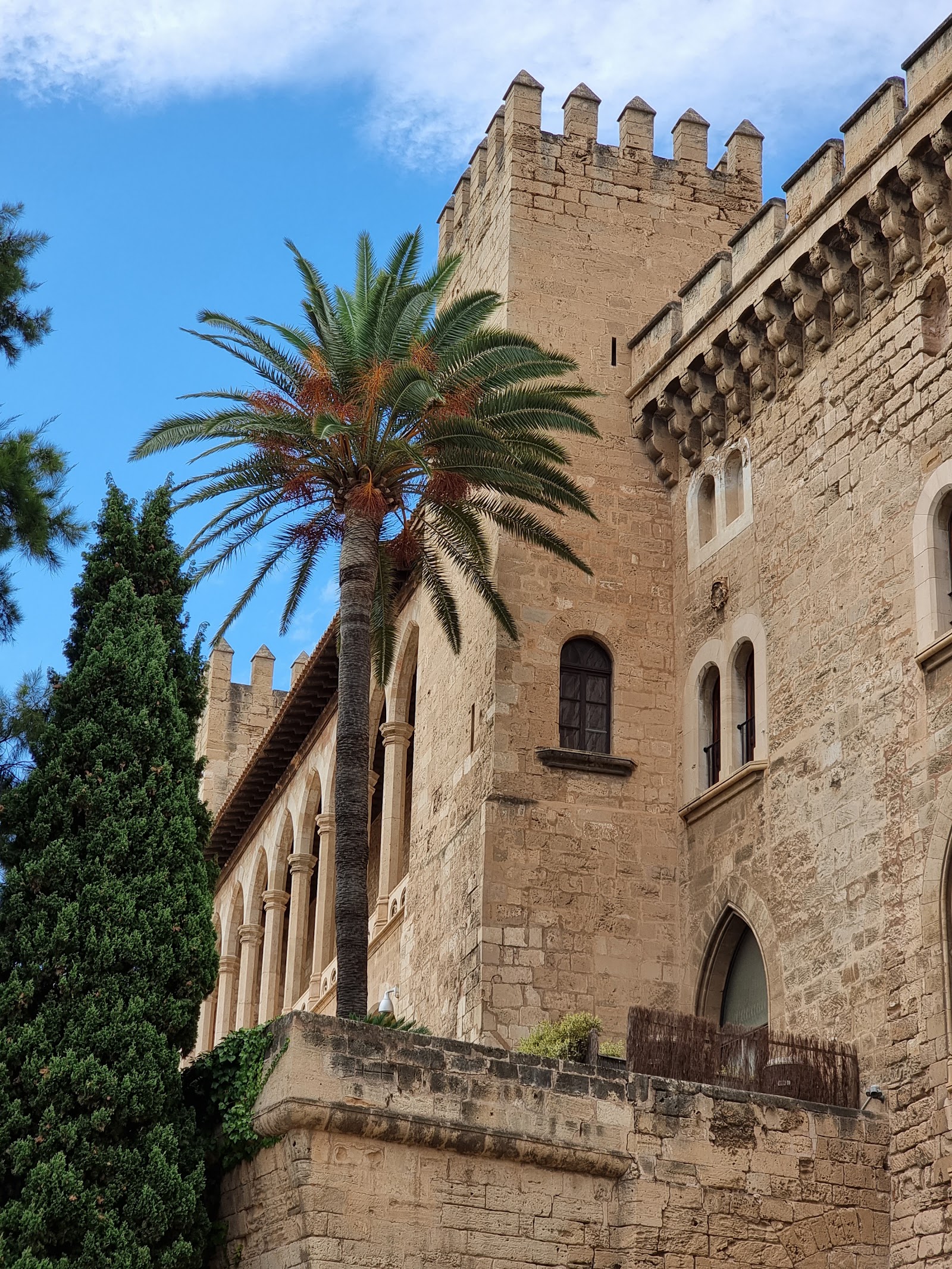
Es Baluard sits on a 16th-century Renaissance bastion above Palma Bay, and the building itself is part of what you're here to see — old military stonework folded into a contemporary structure of ramps, skylights and open balconies. The architects Lluís and Jaume García-Ruiz, Vicente Tomás and Ángel Sánchez Cantalejo completed the conversion in 2003, and the result is a museum where you move through 5,000 square metres without ever quite losing sight of the sea.
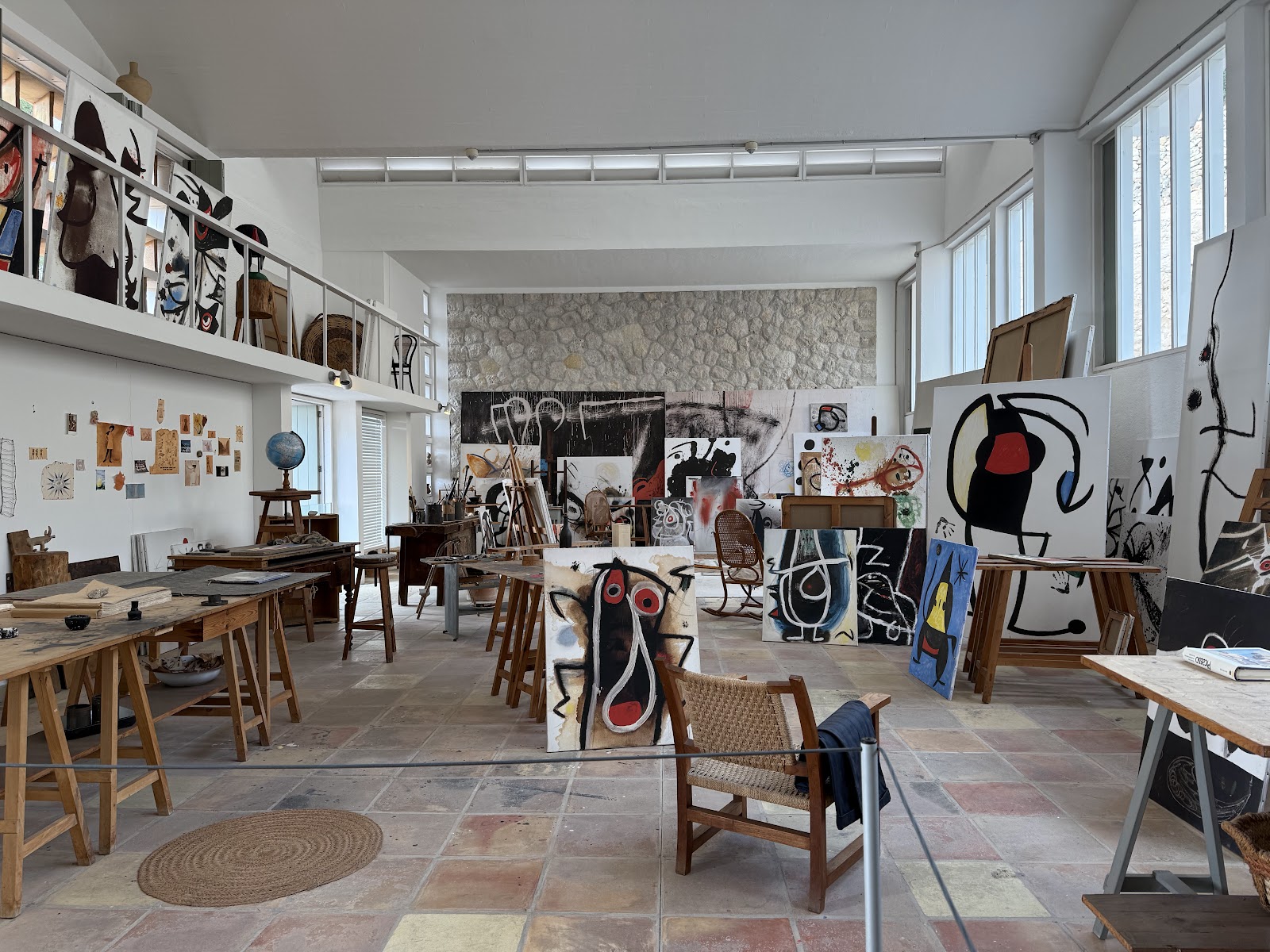
The permanent collection is serious without being austere: Picasso, Miró, Sorolla, Tàpies alongside Robert Motherwell, Marina Abramović and Miquel Barceló. Much of it came through the personal donation of foundation chair Pedro Serra. The rooftop terrace, with its long view across the bay and back toward the Cathedral, earns a few minutes of standing still.

💛 What travellers fall for
People who come back tend to time it for late afternoon, when the terrace light is at its best, and to check what's running in the Aljub — the 17th-century cistern in the lower level, its low cannon-vault ceiling unchanged since 1640, which now hosts installations and concerts that use the acoustics in ways the original builders could not have anticipated. Friday admission starts at €0.10.
The story behind Es Baluard Museu d'Art Modern i Contemporani
The bastion of Sant Pere was built in the final decades of the 16th century, when Palma's medieval walls were reinforced to a design by Italian military engineer Giacomo Palearo Fratín. The Aljub, a 353-square-metre freshwater cistern beneath the complex, was completed in the 1640s and supplied both the Sant Pere quarter and ships anchored in the harbour below.
The bastion lost its military function in 1952 and passed into private hands. In 1963, residents stopped a demolition. The site was declared a historical and artistic ensemble in 1965, though it took until 1997 — when Palma City Council expropriated and ceded the land — for a museum project to move forward. Es Baluard opened on 30 January 2004.

Good to know
Open Tuesday to Saturday 10 am–8 pm, Sunday until 3 pm, closed Monday. Bus lines 1, 3, 4, 5 and the Tourist Bus all stop nearby. Budget 1.5–2 hours; the ticket office closes 30 minutes before the museum. The whole building is fully accessible via ramps and two lifts.
Where is Es Baluard Museu d'Art Modern i Contemporani?
Location
- In Palma de Mallorca
- 39.5683, 2.6428
- Open in Google Maps
Rating
4.2 ★ · 4,355 Google reviews
More tickets & tours for Es Baluard Museu d'Art Modern i Contemporani
Book directly at the provider
What travellers say about Es Baluard Museu d'Art Modern i Contemporani
Museum in a bunker. Admission price is voluntary on Fridays. There is a small café on the terrace. The location is cozy. However, we had to wait an extremely long time for our drinks. So make sure you allow plenty of time. Palma was very crowded in October. Finding a parking space is a matter of luck.
On a rainy Sunday visiting this museum was the highlight of the day. Of course, there were also a lot of people (because of the weather), but the staff were very friendly and I can imagine this place being very peaceful on a normal day. The admission is less than you’d expect! We went as a group and everyone have found something they liked. I personally was the most interested in a little collection of Miro, a permanent exhibition about the museum’s collection with a curated number of art displayed and NACHLEBEN. EVERY IMAGE IS A POTENTIAL PAINTING. We didn’t find some of the curators texts to the exhibitions very well written but appreciated there was always an English translation. Because of the rain we were asked to leave our umbrellas at the entrance, which is understandable. But when we found out about an open area on the terrace we couldn’t go as to not get wet which was a pity, so we missed a very nice part of the museum. The architecture is great but we expected to see a bit more. Overall a very pleasant experience.
Lovely grounds to walk on, and I’d recommend coming around sunset as it has a great vantage point. There’s quite a few Miro pieces inside and some other amazing artists such as Marina Abramović and Elisa Braem.
The architecture and restaurant/bar terrace are absolutely stunning, mixing contemporary modern with a medieval touch. Both exhibitions, permanent and temporary were quite disappointing and boring - one of them looking quite cheap and amateurish. There are only three very small floors but least the entry was affordable.
We enjoyed the art on the bottom floor and some items on the first floor. Very open and clean, and not too crowded.
More of Palma de Mallorca
Discover where to stay, what to do and the best deals for your trip.
Explore Palma de Mallorca →More attractions in Palma de Mallorca
All of Palma de Mallorca →

Background adapted from Wikipedia (CC BY-SA) · map data © OpenStreetMap contributors · ratings & place photos via Google · other photos with per-image credit. Ticket links may earn us a commission at no extra cost to you.