
Murcia
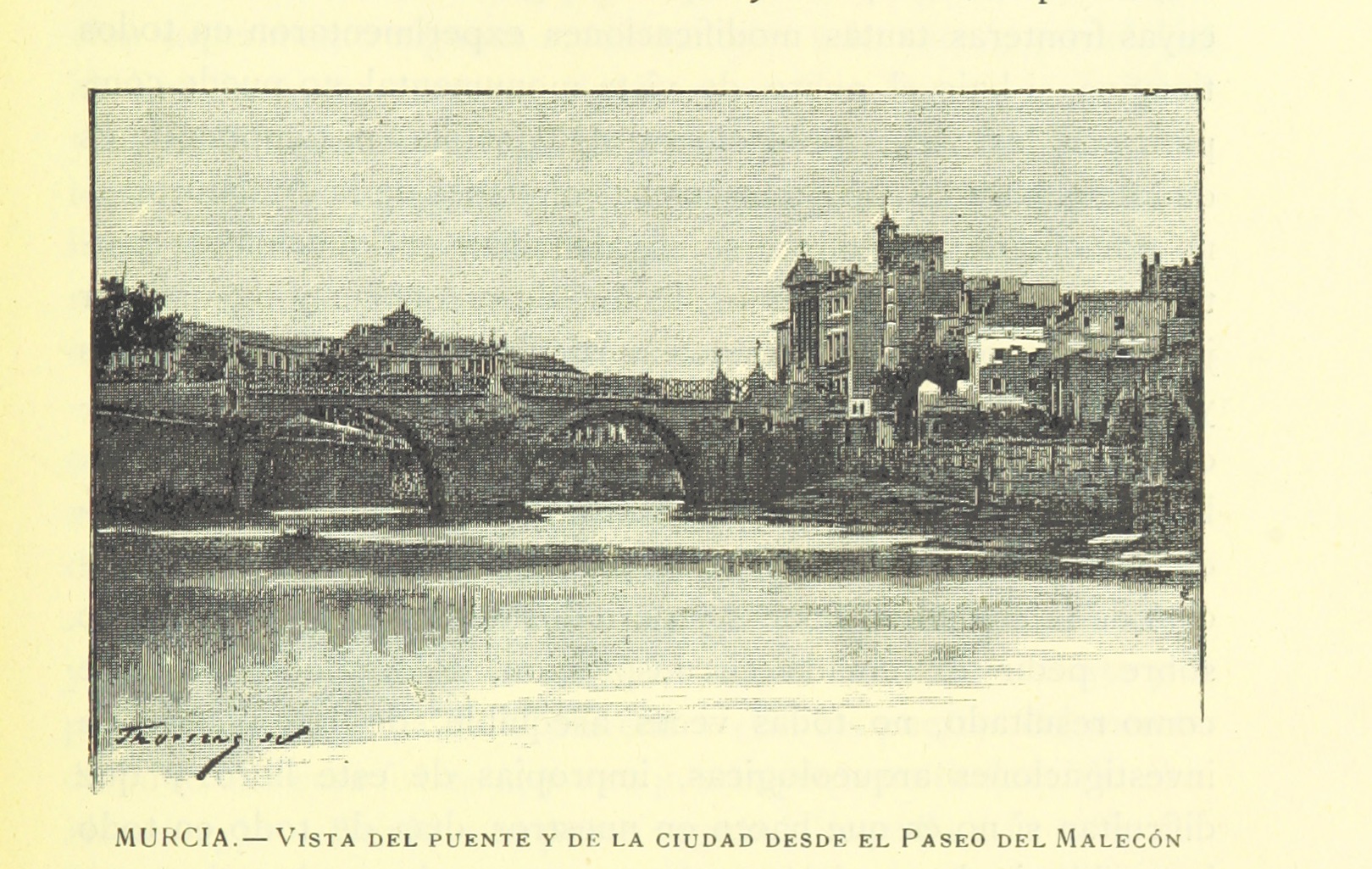
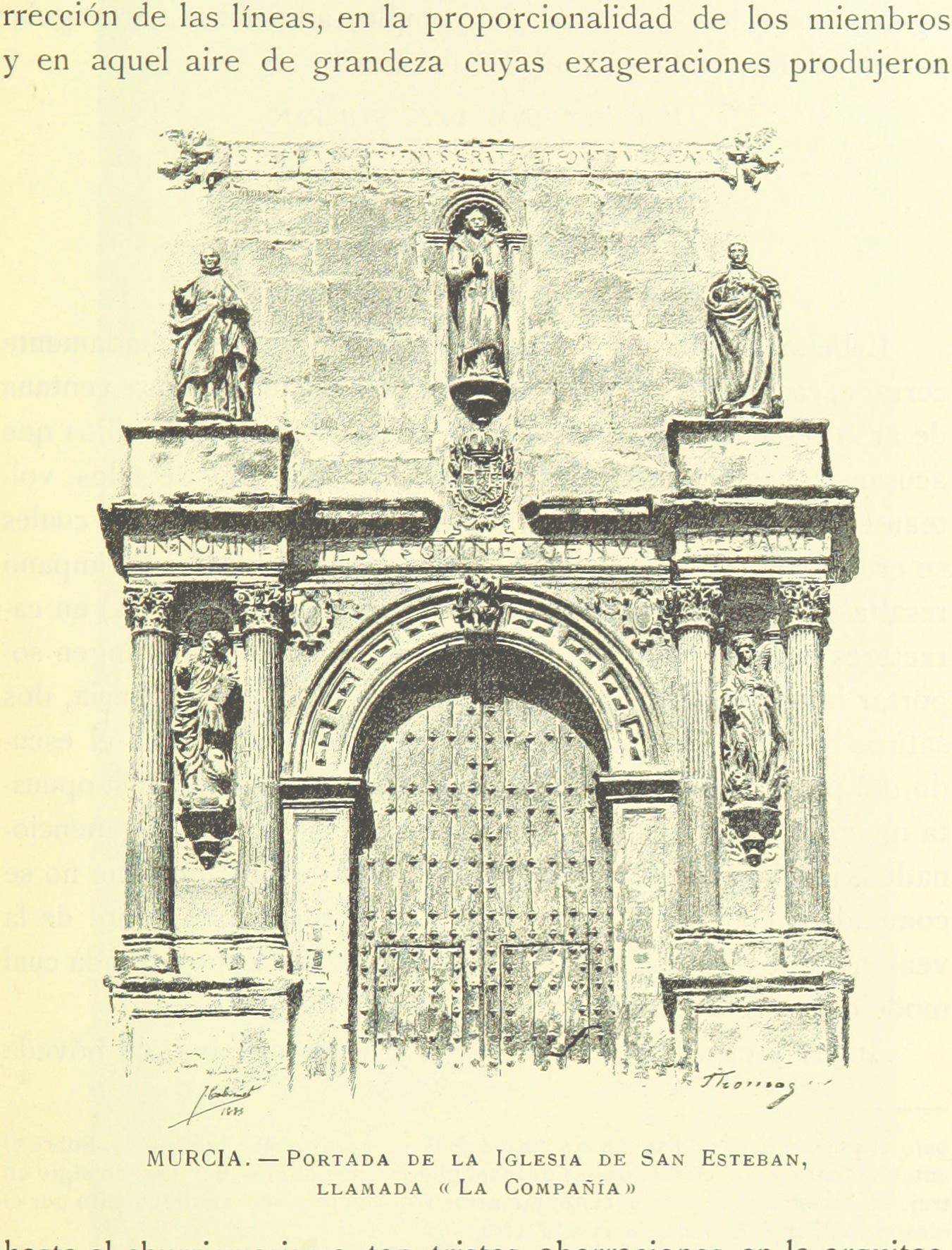
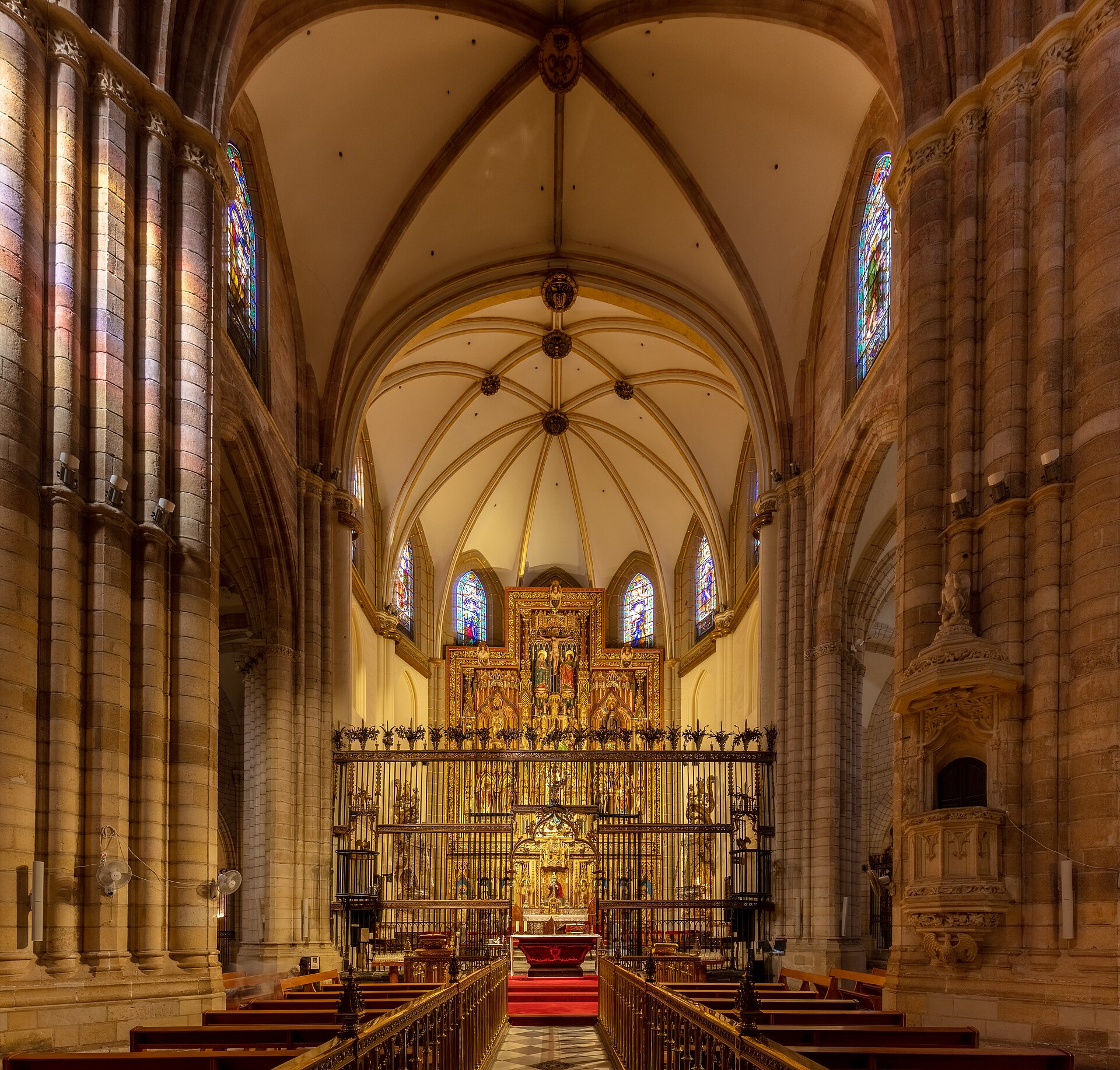
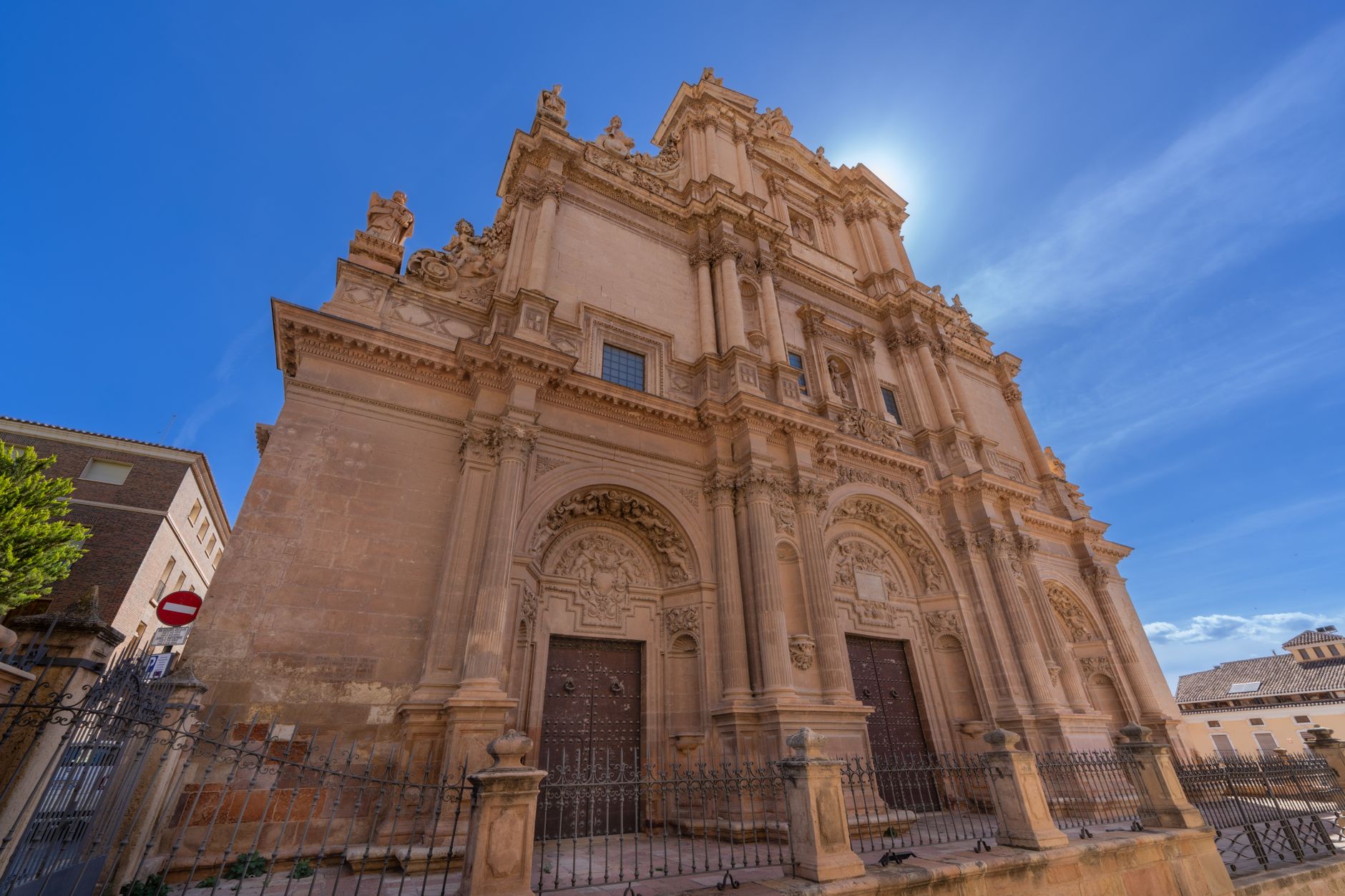
Murcia's old town announces itself through stone — a cathedral tower climbing 90 metres above the Segura river plain, its baroque façade so ornate it reads almost like a carved retablo left standing in the open air. This is a city where the Roman past is still largely underground, where an 11th-century castle watches from the northern hills, and where the Friday market has been running, in one form or another, for over a thousand years.
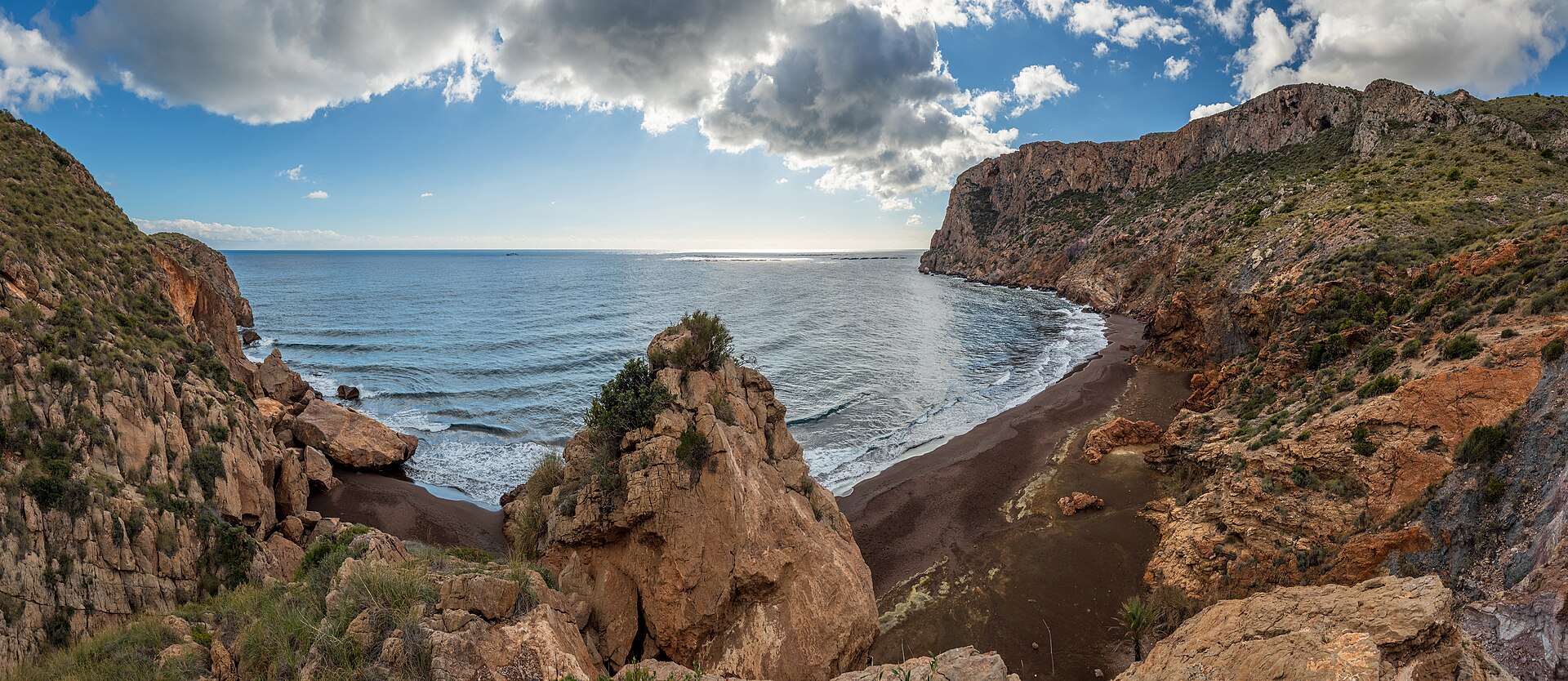
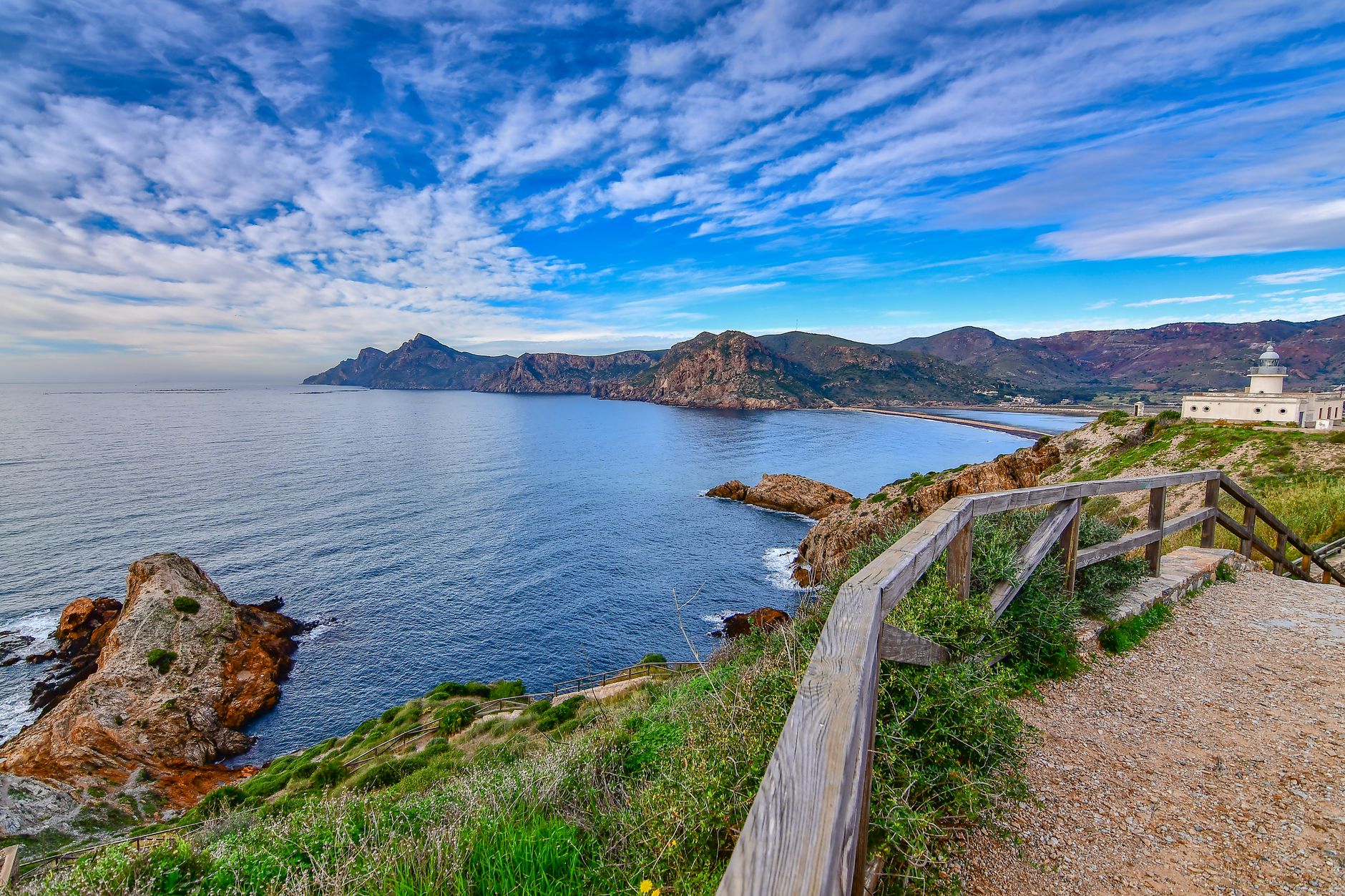
As a region, Murcia sits at the southeastern edge of Spain, pressed between the sierras and the Mediterranean. It is drier than almost anywhere else in Europe — 290 millimetres of rain a year — which shapes everything: the agriculture, the light, the way the land looks in summer.
Popular cities in Murcia
Experiences you don't want to miss




How Murcia came to be
Abd ar-Rahman II, Emir of Córdoba, founded the city in 825, naming it Mursiyah. After the caliphate of Córdoba collapsed in 1031, Murcia passed through the hands of Almería and Valencia before its ruler ʿAbd al-Raḥmān ibn Ṭāhir declared it an independent kingdom in 1063.
Castile annexed the kingdom in 1243, a move calculated to secure a Mediterranean corridor. That territorial logic would continue to redraw the map: in 1304 Castile ceded part of Murcia to the kingdom of Valencia, and in 1833 what remained was divided into the provinces of Murcia and Albacete. The autonomous community was formally established on 9 June 1982.
Who and what shaped it
People who shaped it
Landmark buildings
See Murcia in motion
Plan your visit
On the map
When to go
January averages around 11 °C; August pushes close to 28 °C with very little rain. Spring and early autumn offer mild days without the intensity of high summer, which can be genuinely fierce in this part of Spain.
Right now
↡ Cities

No places match these filters.
Background & history adapted from Wikipedia (CC BY-SA) · specs from Wikidata (CC0) · weather from Open-Meteo · map data © OpenStreetMap contributors · photos from Wikimedia Commons / Unsplash with per-image credit. No third-party reviews or social posts reproduced.