
Lorca
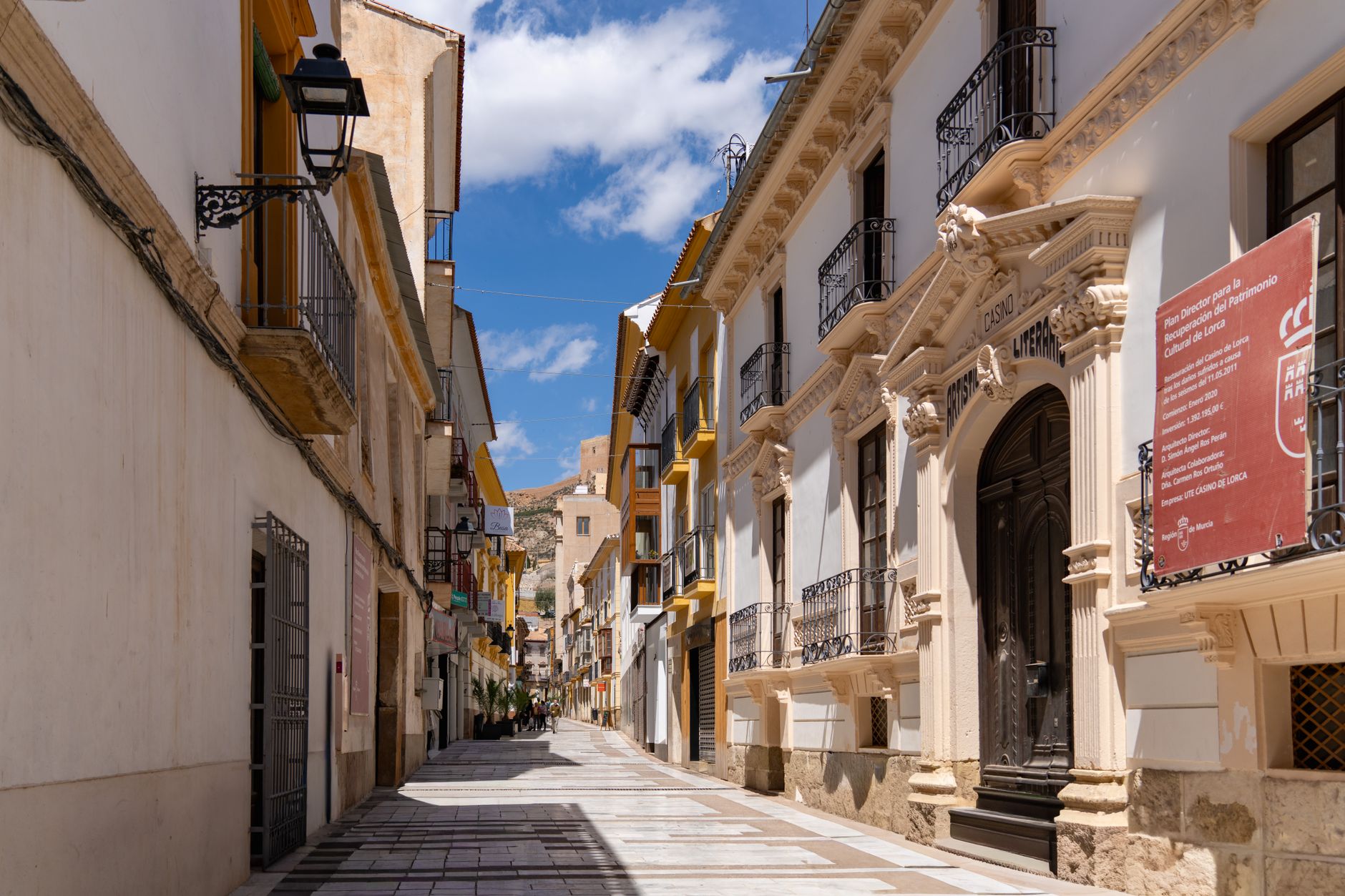
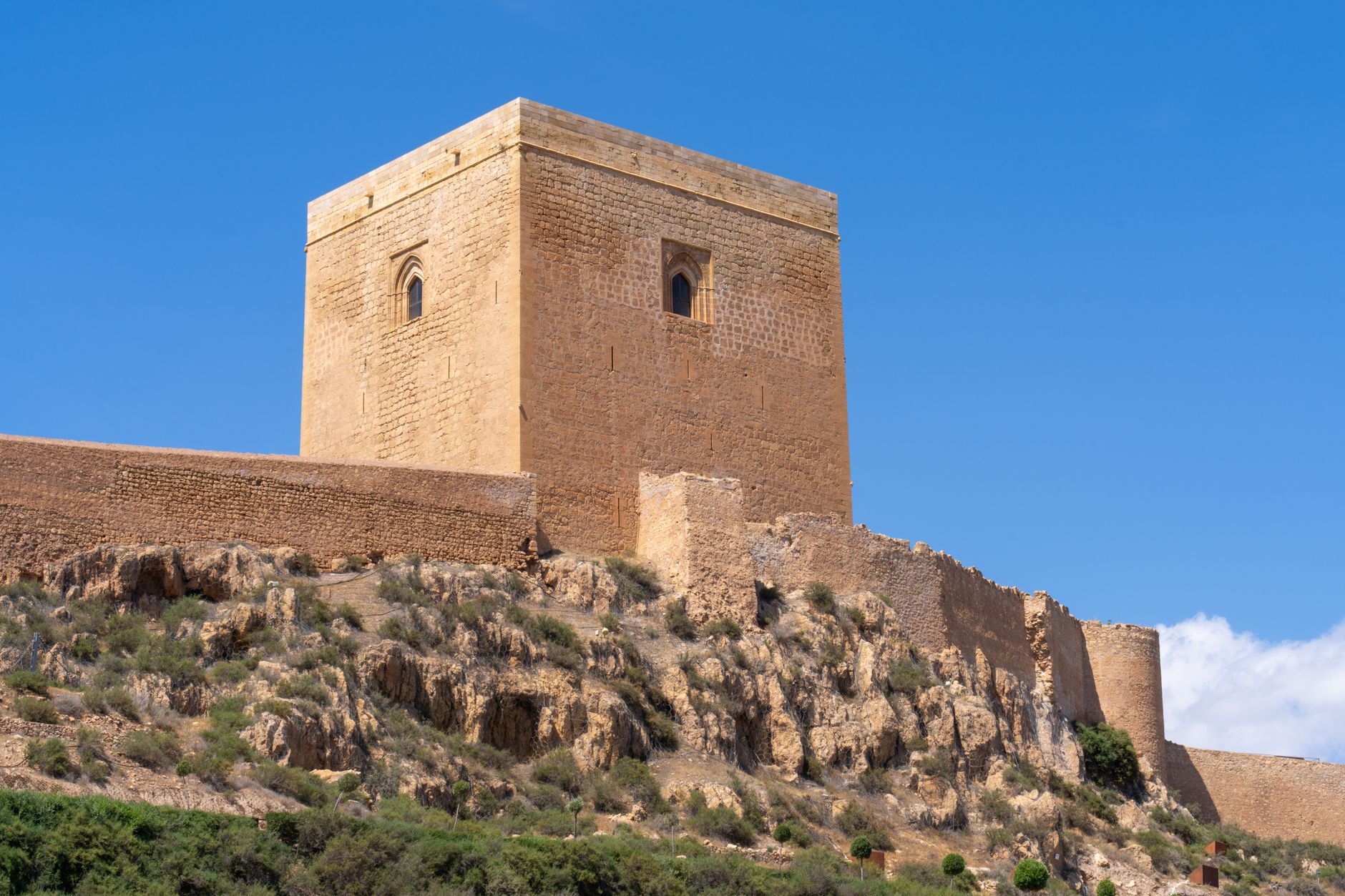
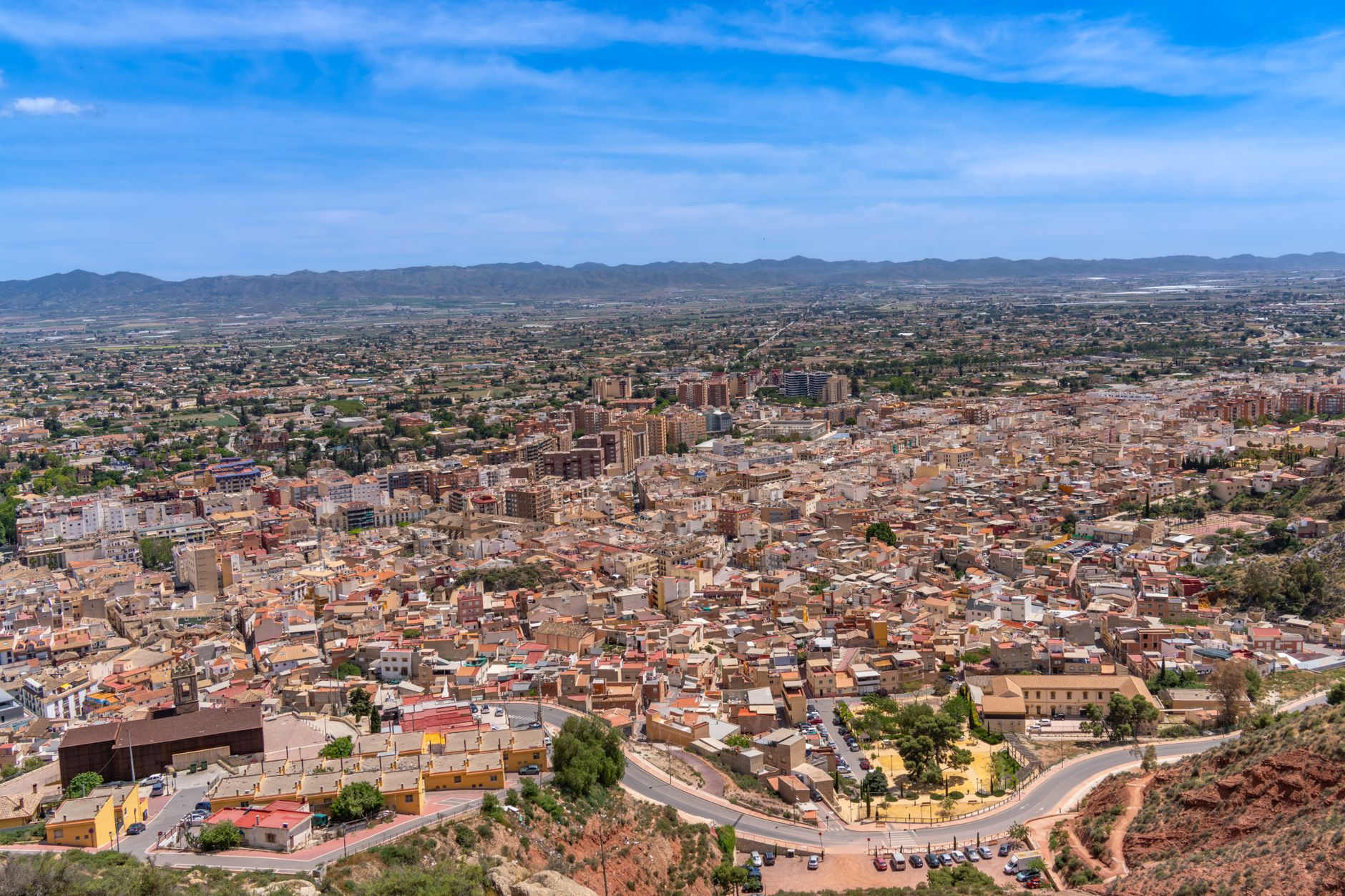
Lorca keeps a Roman milepost from 10 BC standing on an ordinary street corner, a 15th-century statue of San Vicente perched on top of it like an afterthought — which tells you something about the layers this city carries without making a fuss. The castle above town, one of the largest in Spain, stretches 640 metres along the ridge and now holds a Parador inside its walls.
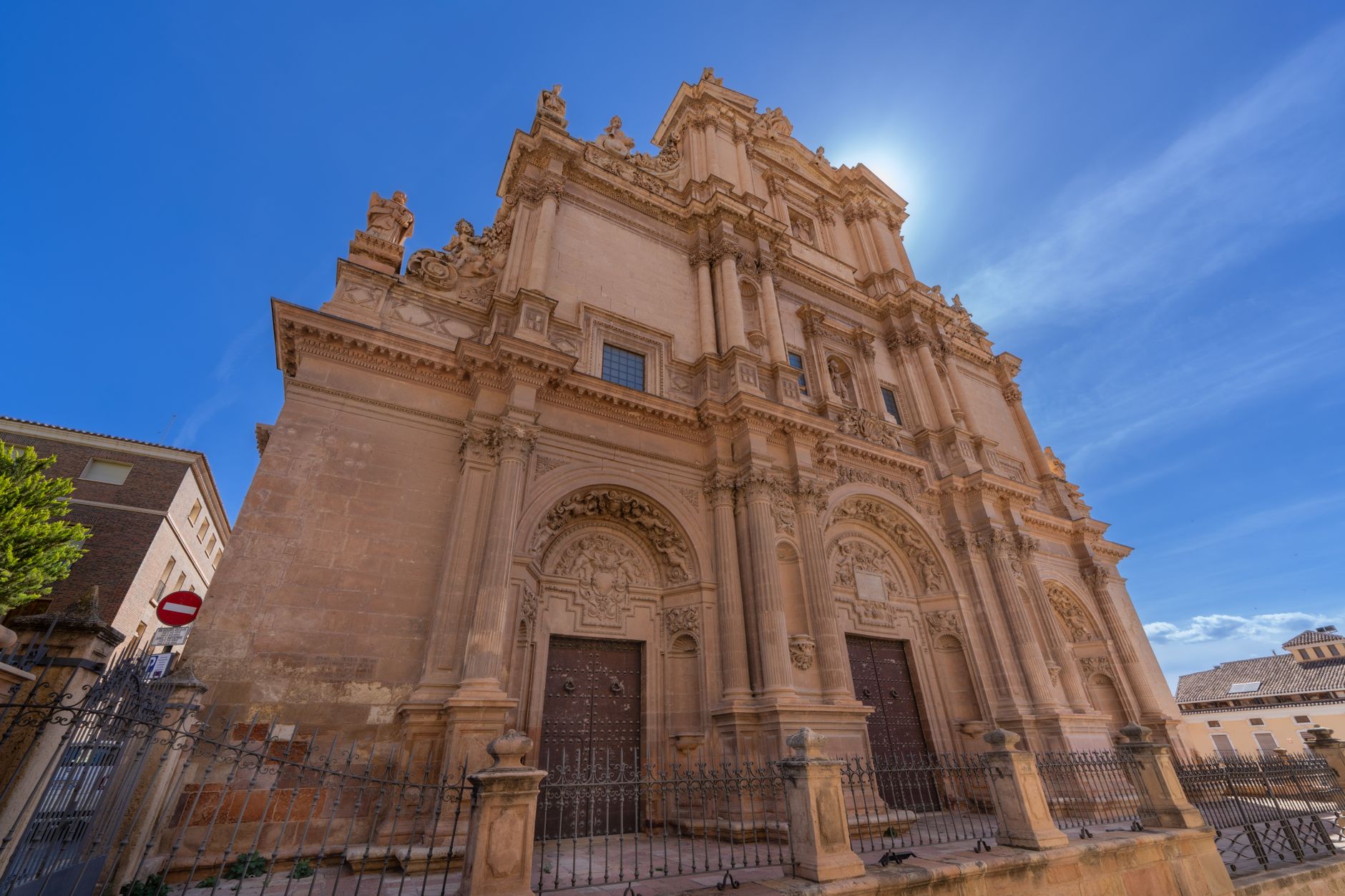
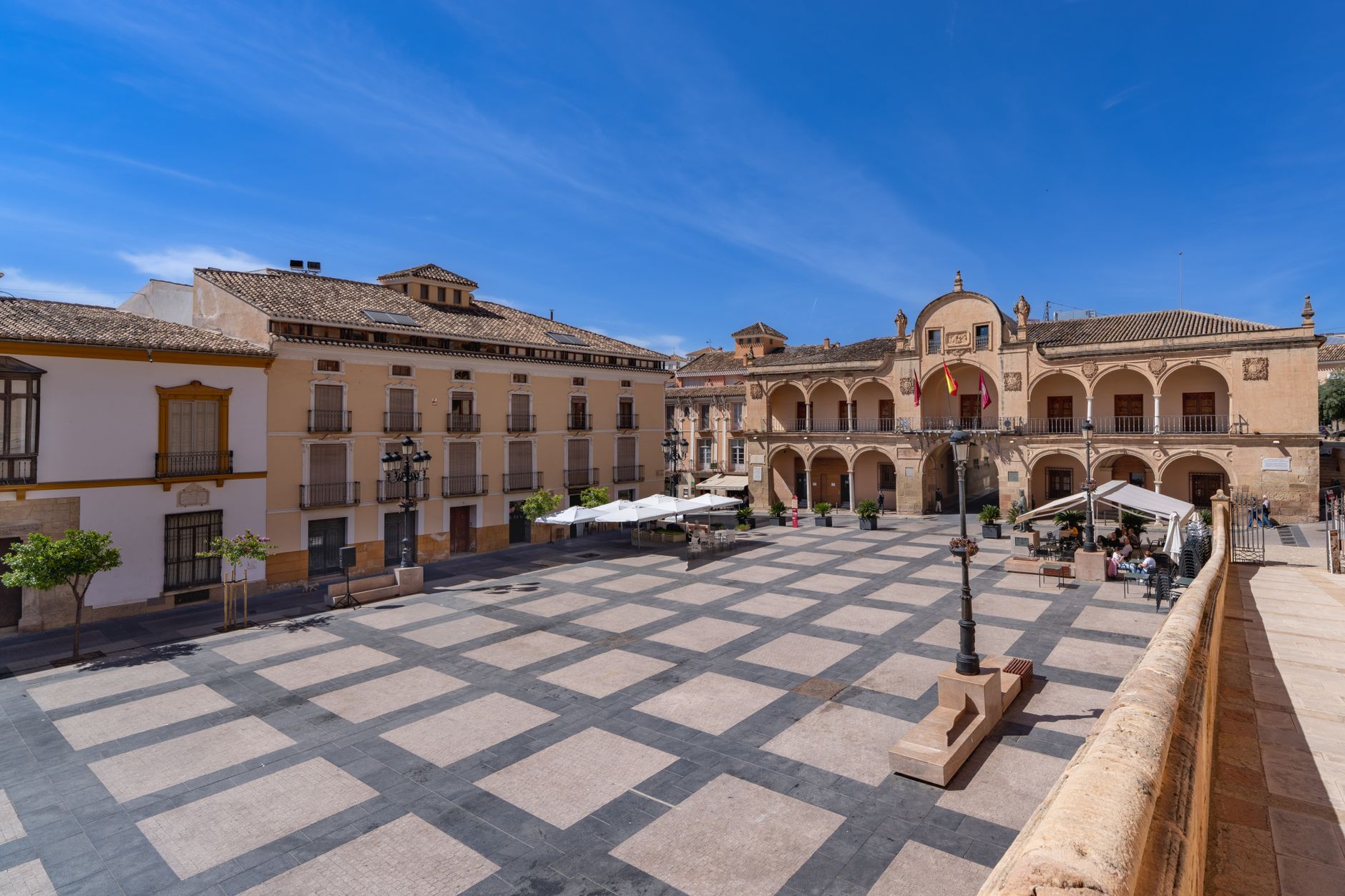
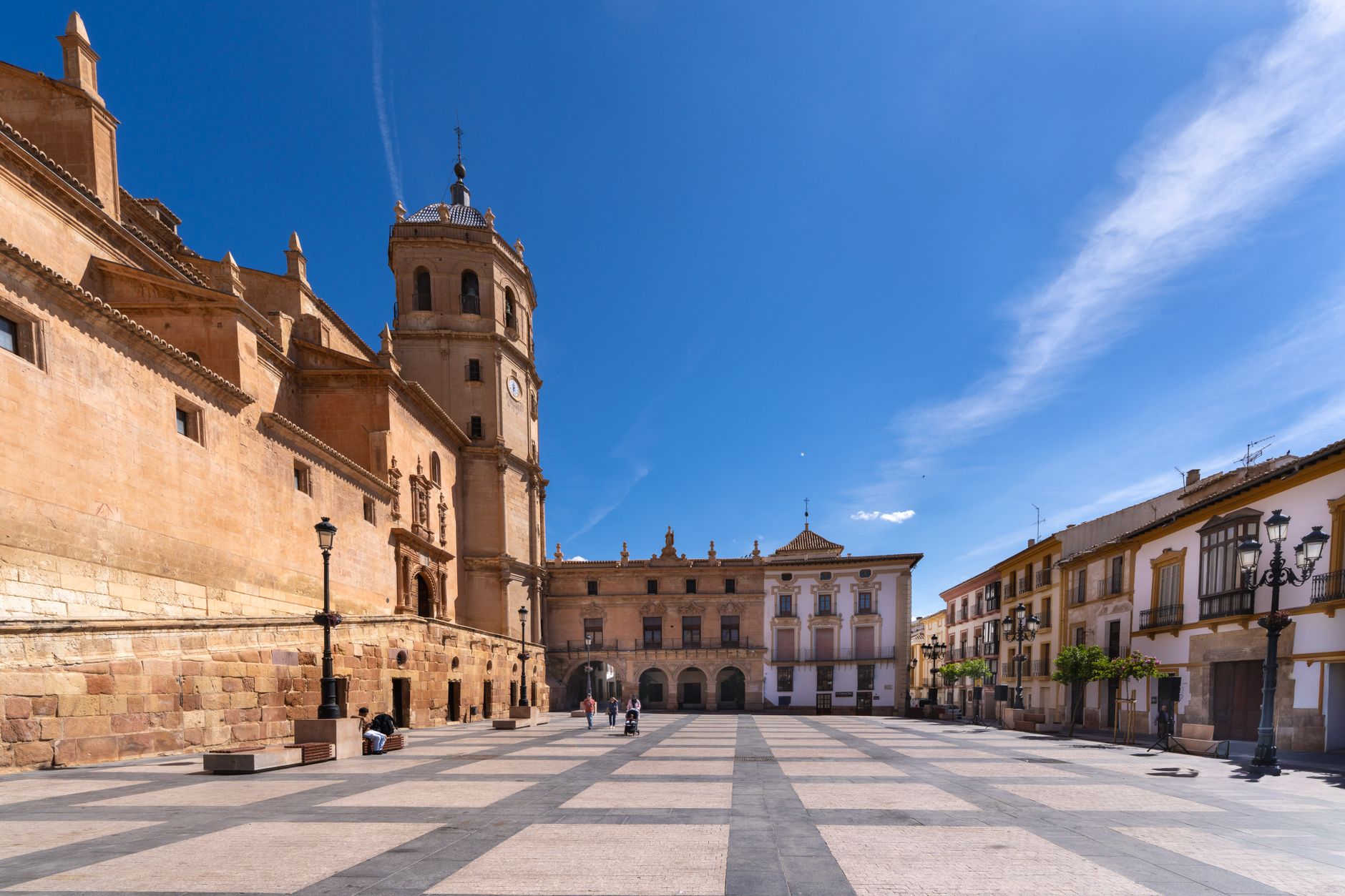
Down in the old centre, the Collegiate Church of San Patricio — the only church in Spain dedicated to Saint Patrick, built across two and a half centuries from 1533 — faces Plaza de España alongside a city hall that started life as a prison. Lorca doesn't perform its history; it just lives inside it.
💛 What travellers fall for
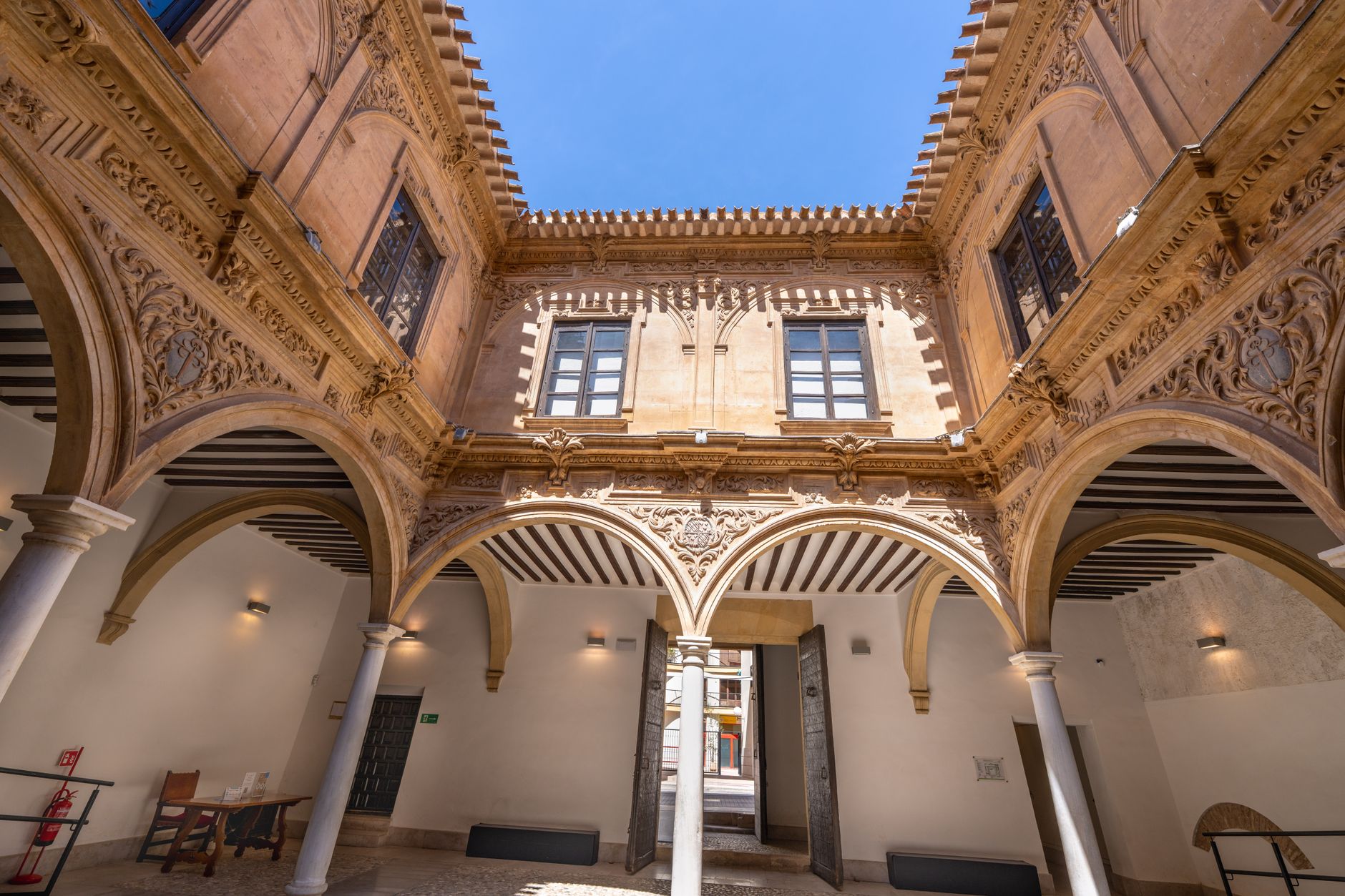
People who come back tend to mention the Guevara Palace courtyard, which you can enter free and linger in without a tour. The Archaeological Museum in the House of Salazar rewards a slow visit — the 4,200-year-old linen tunic alone is quietly extraordinary. Take the tourist train up to the castle rather than walking the steep climb in the afternoon heat.
Experiences you don't want to miss



Deals in Lorca
Book directly at the provider


How Lorca came to be
Lorca's recorded life goes back to Roman Ilurco, but the city's defining pivot came in 1244 when Alfonso X of Castile — later called the Wise — took it from five centuries of Muslim rule and repositioned it as a frontier garrison between the Christian kingdom of Murcia and the Muslim kingdom of Granada. That strategic tension shaped the castle, the walls, and the character of the place for generations.
By the mid-19th century Lorca was the most populous municipality in Murcia, and the latter decades of that century brought the Teatro Guerra (1861), named for the actor Ceferino Guerra, the Casino Artístico y Literario, and a Plaza de Toros. On 11 May 2011, two earthquakes — magnitude 4.5 and 5.1 — killed at least eight people and damaged the castle's Espolón Tower significantly; restoration work followed.
Who and what shaped it
People who shaped it
Landmark buildings
See Lorca in motion
Plan your visit
On the map
When to go
Summers are long and dry, with July and August temperatures regularly above 35°C — the castle climb is best done early morning. Spring and autumn offer mild, clear days that suit walking the old centre; winters are cool but rarely harsh.
Right now
Background & history adapted from Wikipedia (CC BY-SA) · specs from Wikidata (CC0) · weather from Open-Meteo · map data © OpenStreetMap contributors · photos from Wikimedia Commons / Unsplash with per-image credit. No third-party reviews or social posts reproduced.