
Los Alcázares
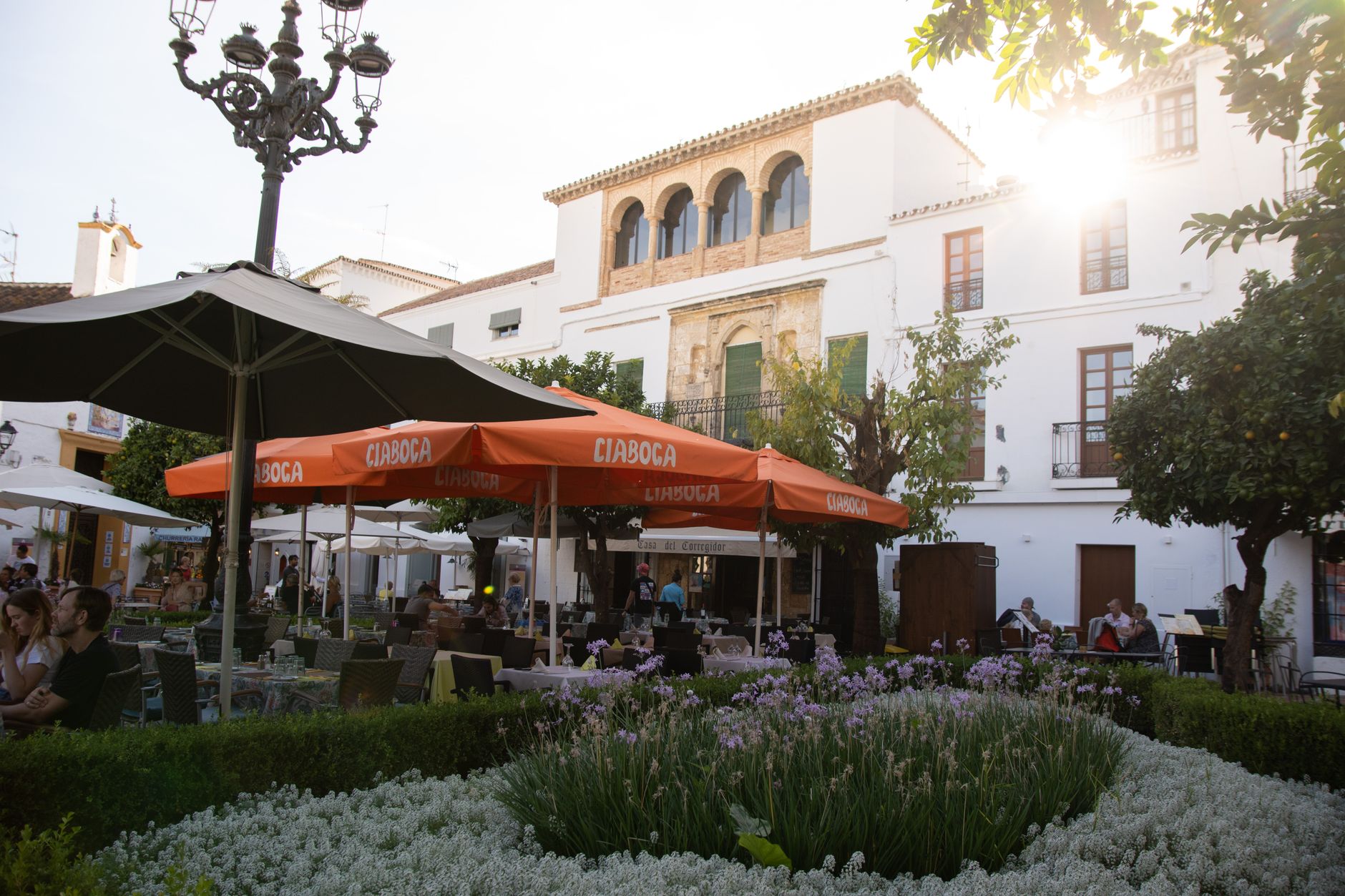
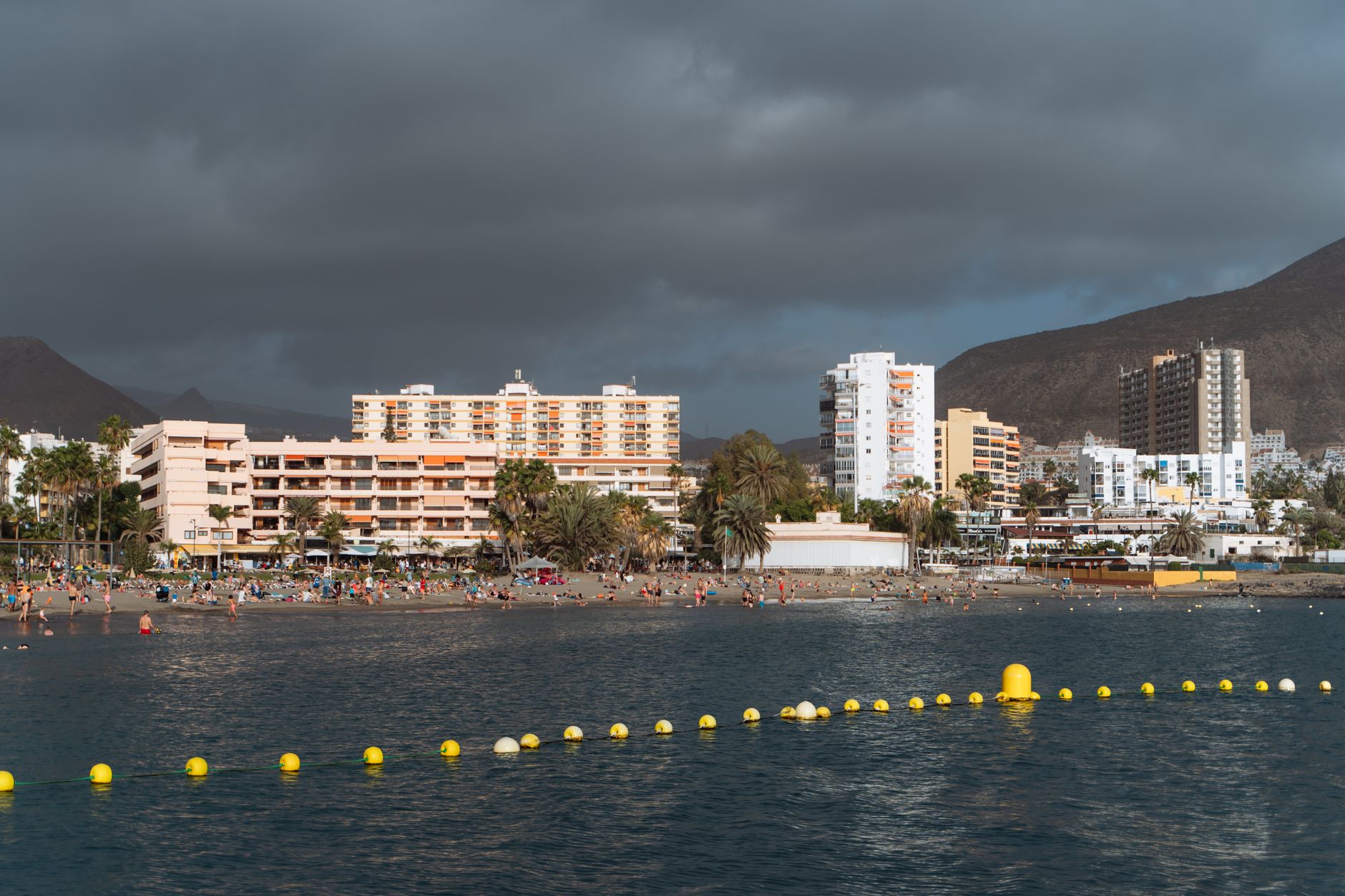
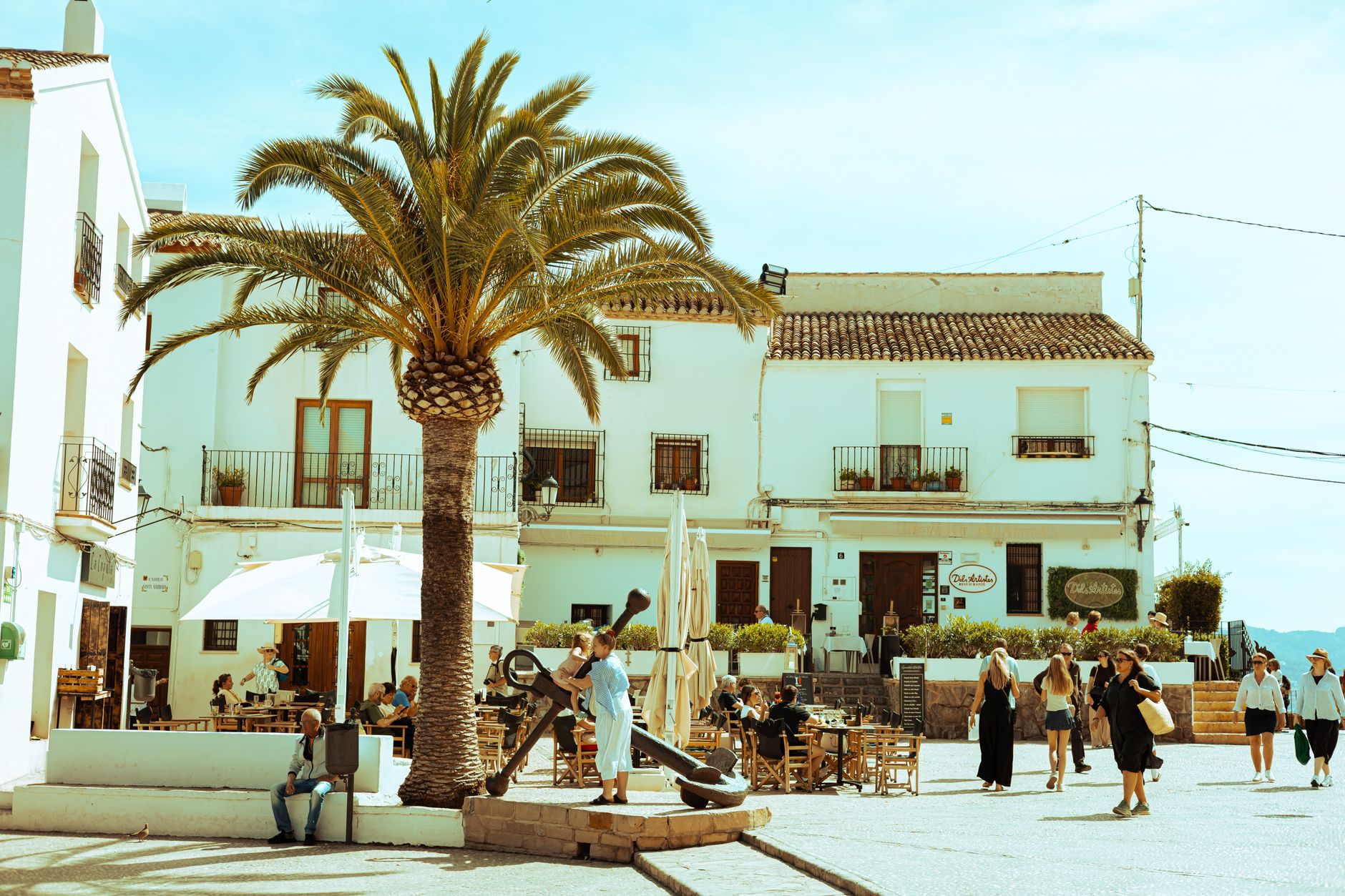
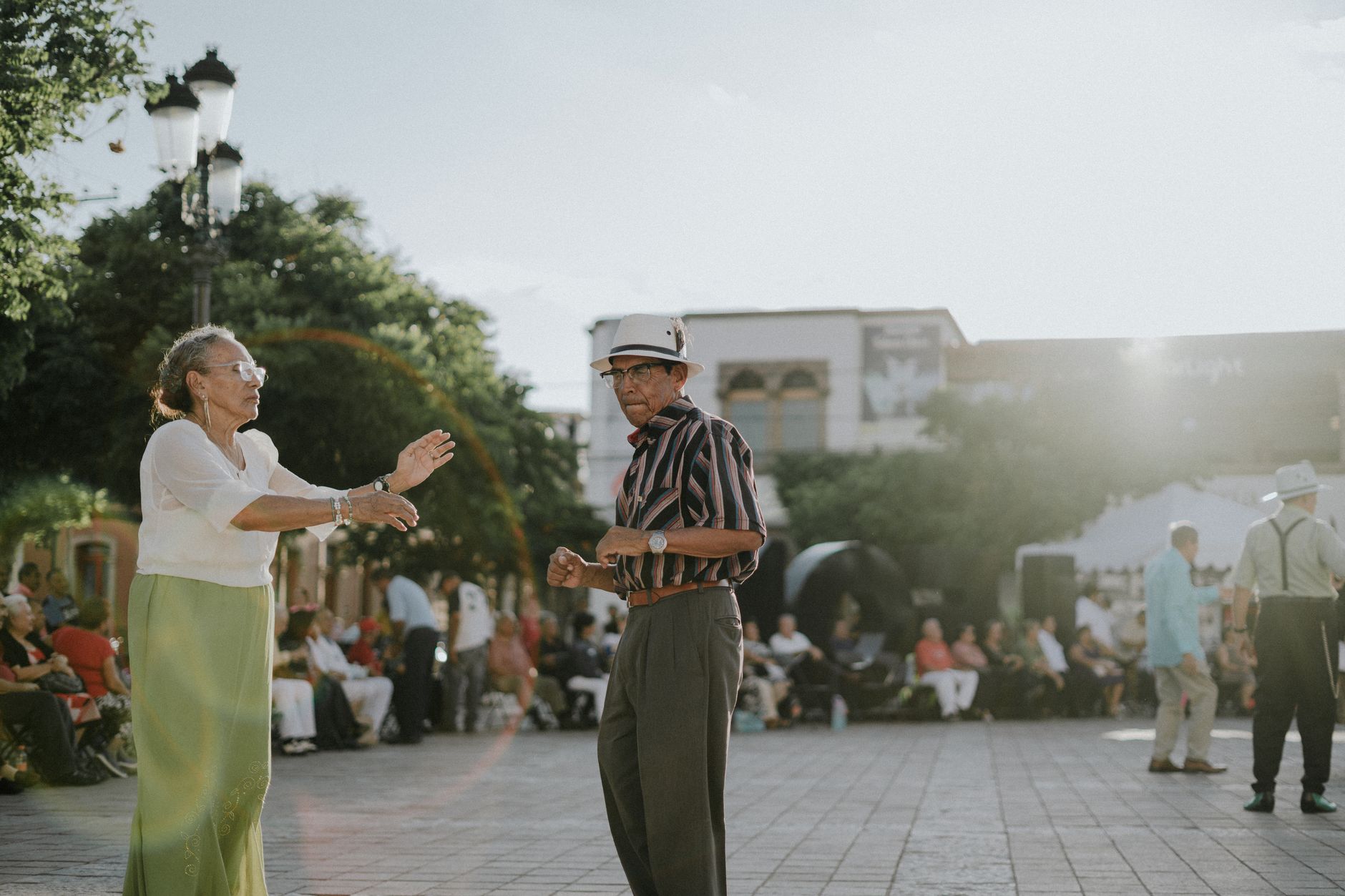
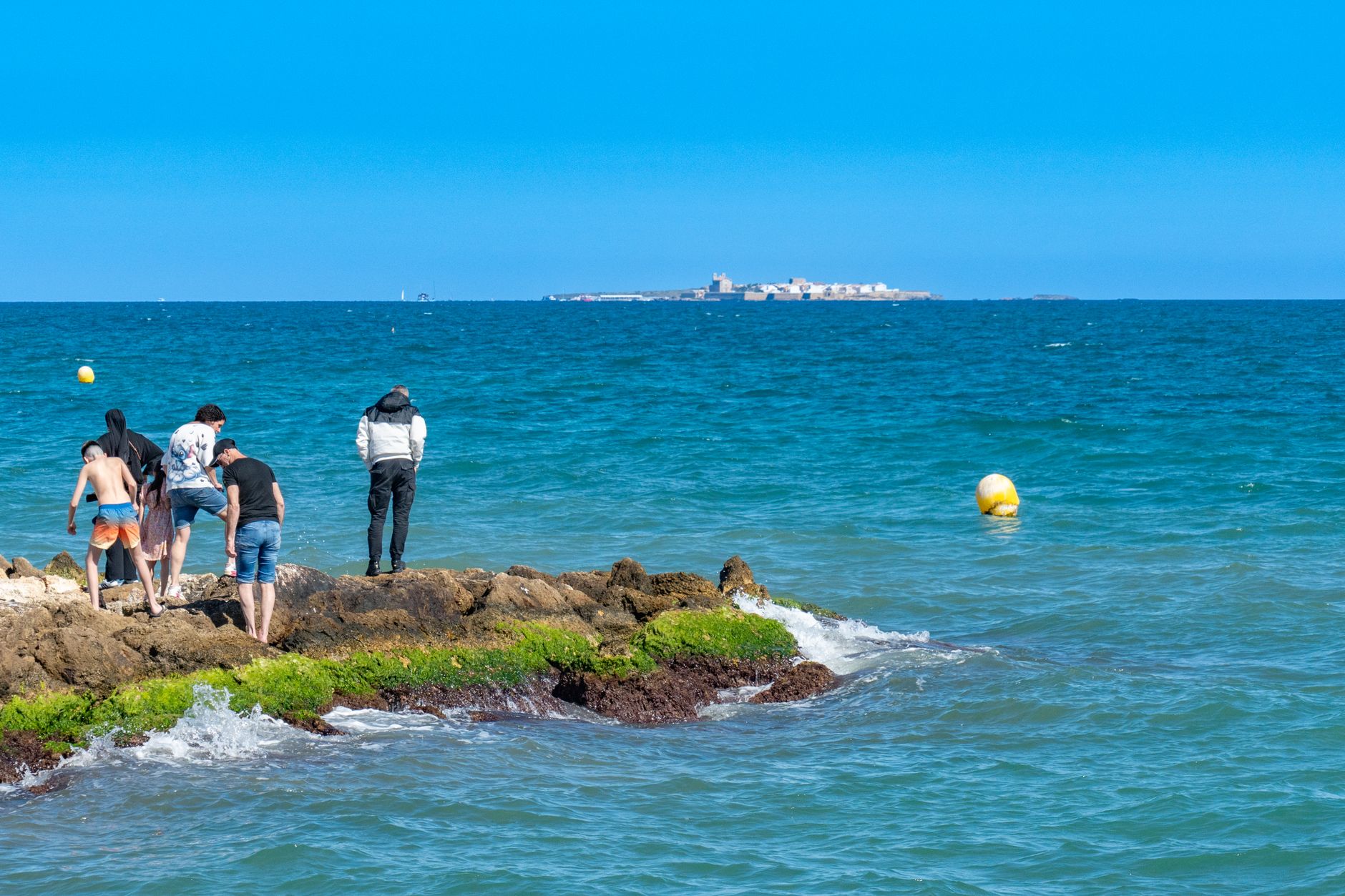
Los Alcázares sits on the western shore of Mar Menor, a shallow saltwater lagoon that runs a few degrees warmer than the open Mediterranean — warm enough in August that you can wade out fifty metres and still feel the heat in the water. The town's seven kilometres of beach are the obvious draw, but the name itself carries a longer story: it comes from the Arabic al-Kazar, meaning castles or fortresses, a trace of the Moorish holiday homes that once stood here.
By the late nineteenth century, wealthy Murcian families had rediscovered the place, arriving each summer to take the waters. That rhythm — a town that exhales in winter and fills to overflowing in July — still defines daily life here. The resident population of roughly 15,000 quietly multiplies to over 100,000 in peak season.
💛 What travellers fall for
People who return tend to land on the same few things: eat El Caldero somewhere along the waterfront — the rice dish built on sea and land ingredients — and time it around the Tuesday or Saturday market if you can. The Municipal Aeronautical Museum catches almost everyone off guard; it's a serious collection, not a token display.
Experiences you don't want to miss


Deals in Los Alcázares
Book directly at the provider

How Los Alcázares came to be
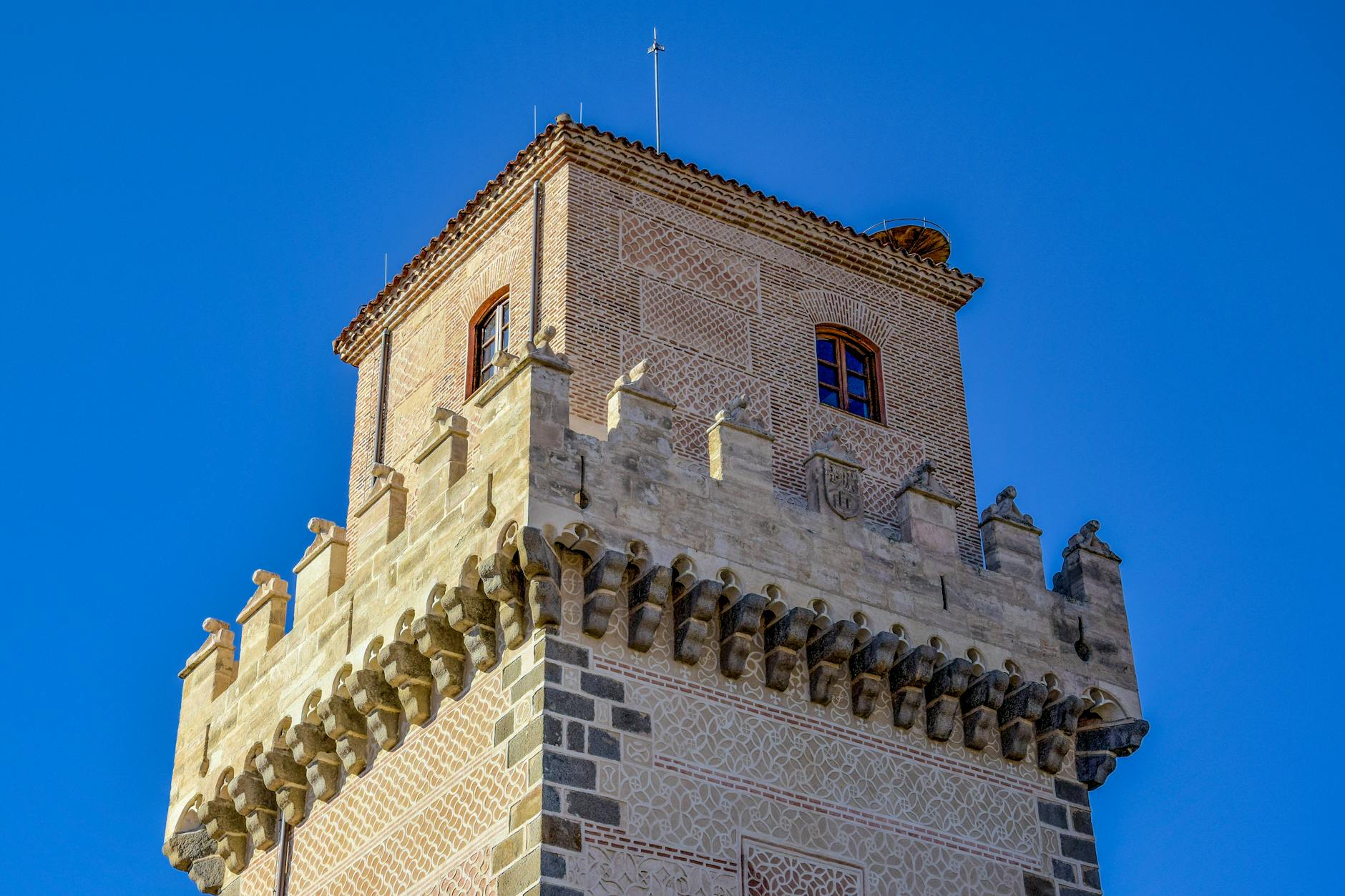
The Romans arrived around 210 BC, drawn by the salt properties of Mar Menor and the natural defensibility of the lagoon's edge. Nearly two thousand years later, those same shores turned up the Las Balsas Romanas de Los Diegos — a set of Roman pools discovered by chance in the Los Narejos district, their exact purpose still debated, possibly part of a hydraulic or industrial complex.
The modern town took shape in two distinct bursts. In 1898, the Marquis of Ordoño, José María Fontes Alemán, owned the central La Cerca estate and began parcelling out plots to working families, laying the bones of an actual settlement. Then in 1915, the Spanish military built the country's first seaplane base at the southern end of the village — a chapter commemorated today in the Aeronautical Museum, which holds aircraft propellers, anti-aircraft guns and hundreds of photographs from that era. The municipality itself was only officially established on 13 October 1983, with Manuel Menarguez Albaladejo voted in as its first mayor that December.
Who and what shaped it
People who shaped it
Landmark buildings
See Los Alcázares in motion
Plan your visit
On the map
When to go
Summers are long and dry — July averages 32°C and July rainfall barely clears two millimetres — while winters are mild enough that January sits around 17°C. The shoulder months of April, May, June, October and November tend to hover between 20 and 26°C, which suits almost any pace of travel.
Right now
Background & history adapted from Wikipedia (CC BY-SA) · specs from Wikidata (CC0) · weather from Open-Meteo · map data © OpenStreetMap contributors · photos from Wikimedia Commons / Unsplash with per-image credit. No third-party reviews or social posts reproduced.