
Yecla
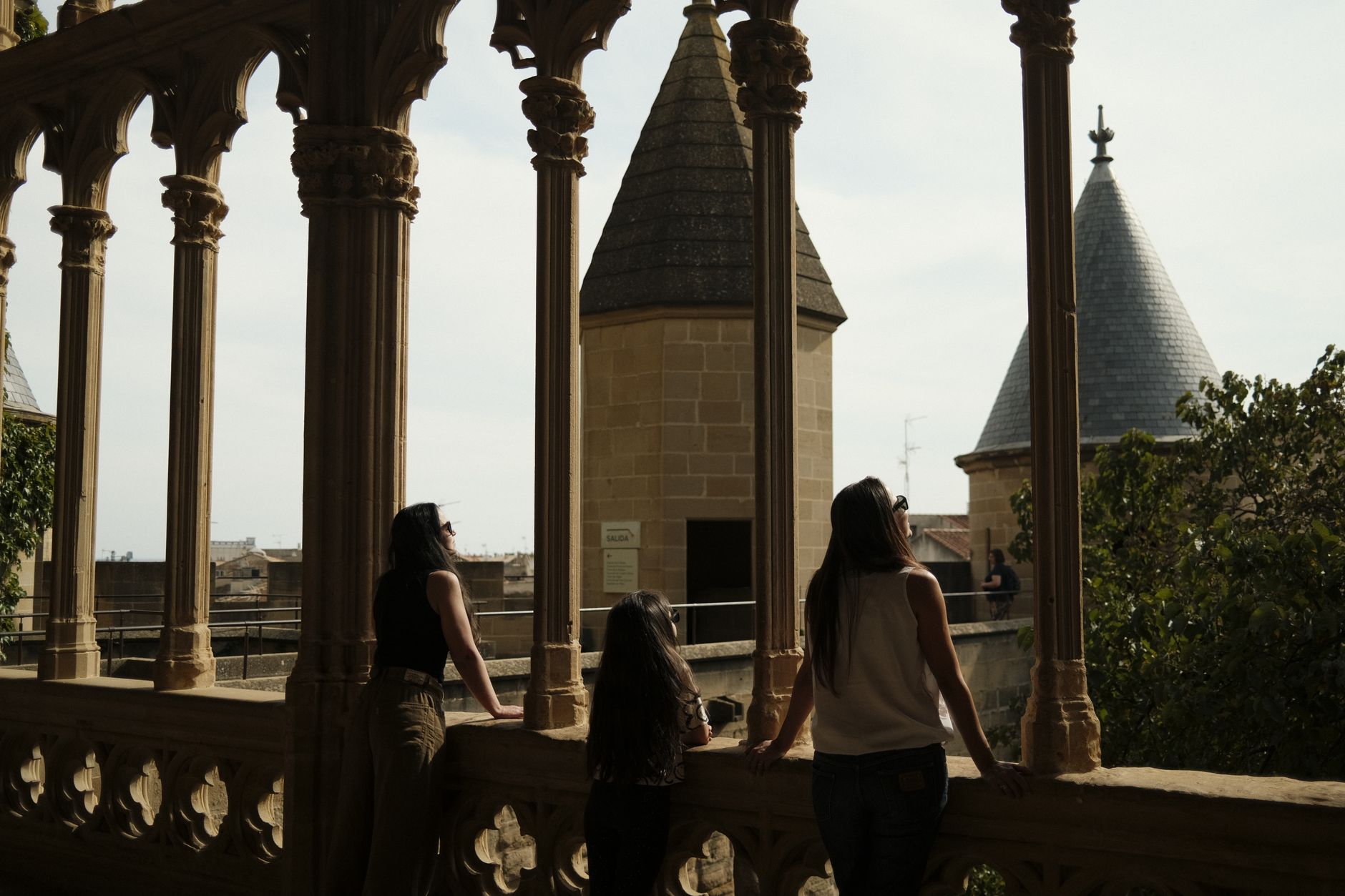
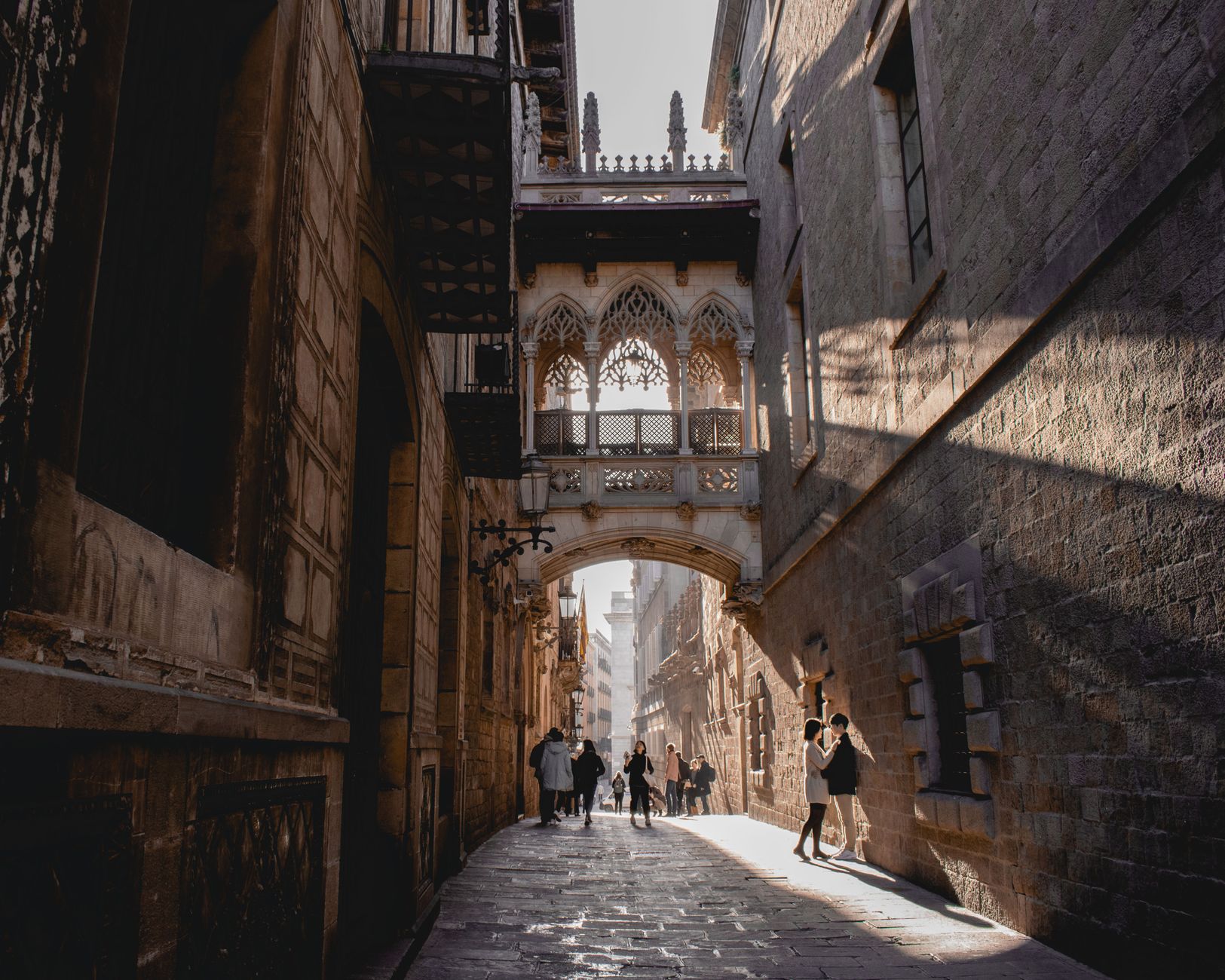
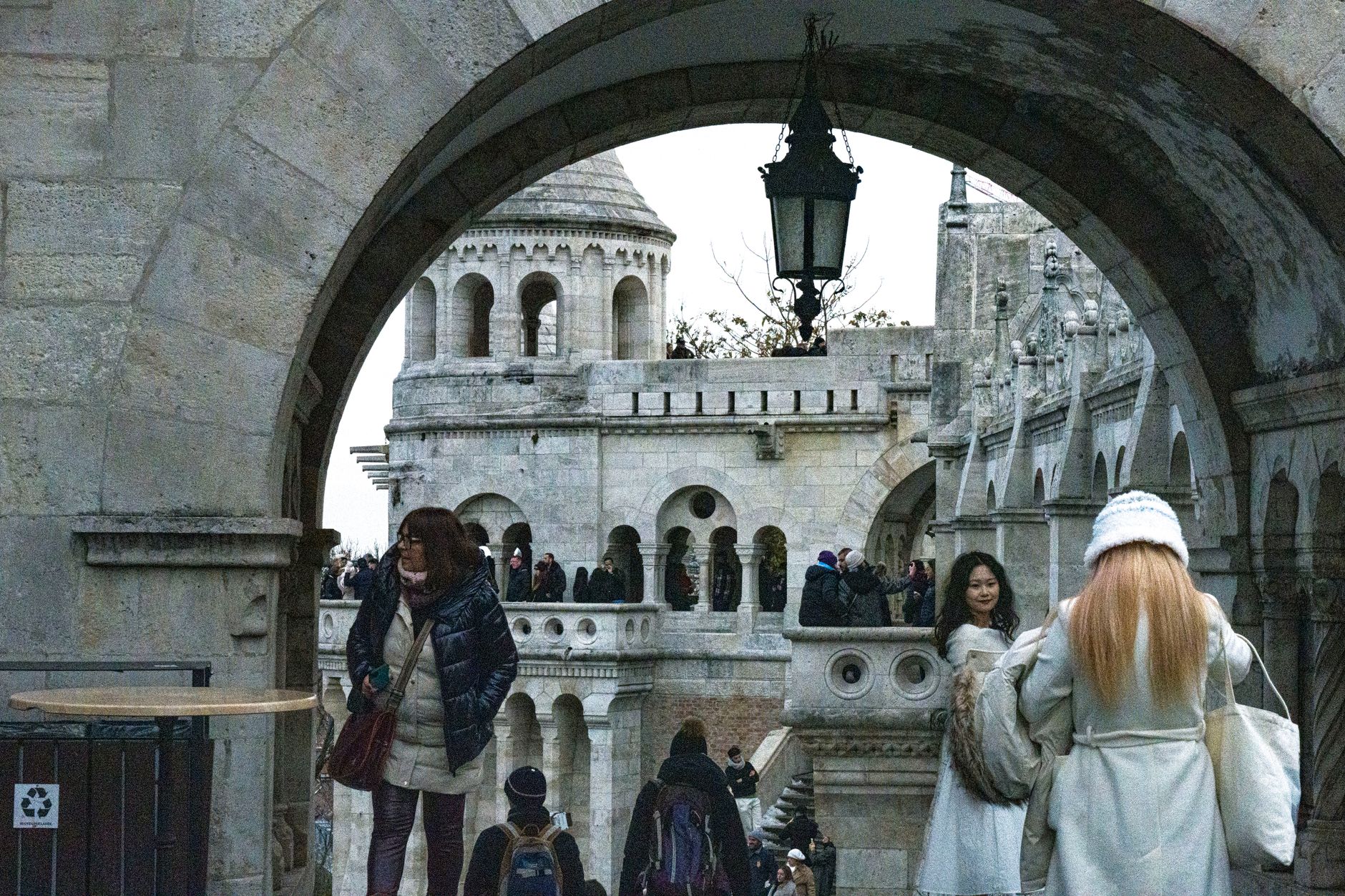
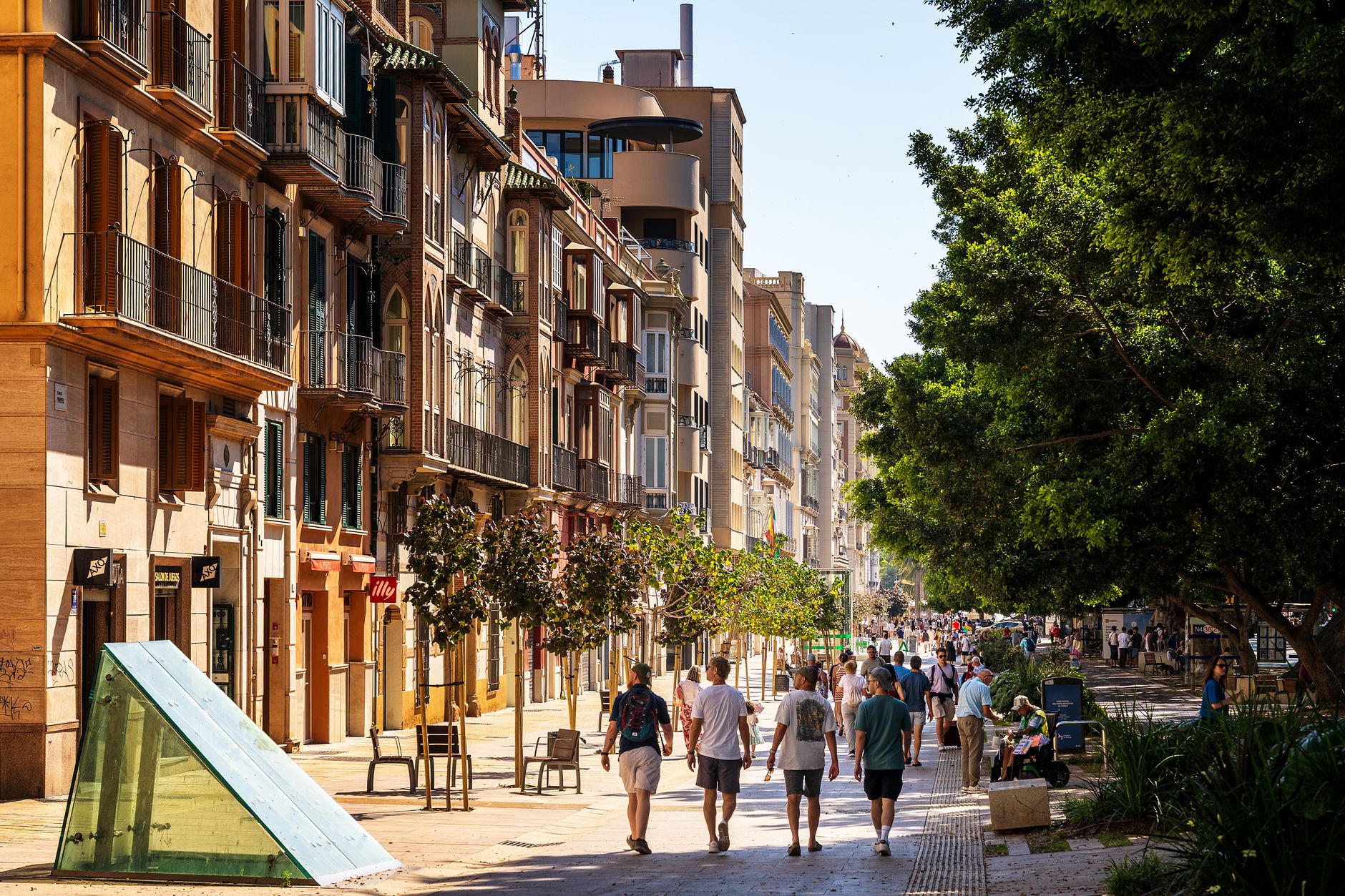
Yecla sits on a high plateau in northwestern Murcia, 602 metres above sea level, and the altitude shapes everything — the cold winters, the bone-dry summers, the rich stews that locals call gazpacho but bear little resemblance to what you'd find on the coast. The town has been inhabited in one form or another for around 30,000 years, and you can trace that arc in a single afternoon: cave paintings at Monte Arabí, a half-ruined Almohad citadel on the hill, a Corinthian-pillared church in the centre, and a Plaza Mayor ringed with bars where the furniture industry's quiet prosperity shows in the well-kept stonework.
Yecla makes most of its money from two things: wine and chairs. The Denominación de Origen was established in 1975, and over 400 companies now work in furniture manufacturing or the trades around it — a tradition that grew from artisan coopers and carpenters in the early twentieth century. Neither industry advertises itself loudly, which is part of why the town feels genuinely lived-in rather than arranged for visitors.
💛 What travellers fall for
People who come back tend to go straight to Monte Arabí — the UNESCO-listed cave paintings are less visited than you'd expect given their age, roughly 10,000 years. They also make a point of trying the local version of gazpacho, which is a slow-cooked dish of game and snails, nothing like the cold soup. The December Fiestas de la Virgen, honouring the Virgen del Castillo, draw returning visitors who time their trip around the processions.
Experiences you don't want to miss


Deals in Yecla
Book directly at the provider

How Yecla came to be
People were living around what is now Yecla as far back as 30,000 years ago, with archaeological evidence at sites including El Madroño and La Fuente. The cave paintings at Monte Arabí — part of a UNESCO World Heritage Site — were made around 10,000 years ago. The name itself traces through Arabic 'Yakka', meaning fortress, though the root may be older, from pre-Roman Iko or Ika. The Almohad caliphate built a castle on Cerro del Castillo in the late eleventh century, and when the Moors were expelled from Murcia in the thirteenth century, the town centre shifted to the northern slope of the hill. It flourished under the Marquis of Villena, and construction of the Iglesia Vieja began in the sixteenth century.
At the Roman site of Los Torrejones, the town served as an administrative centre from the first century BC through the fifth century AD. An Iberian sculpture known as the 'Dama Oferente', dating to the third or second century BC, was found here and now sits in the National Archaeological Museum in Madrid. King Alfonso XII granted Yecla formal city status in 1878. By the mid-twentieth century, the furniture industry had taken hold, transforming what had been a town of artisan coopers into a manufacturing centre with more than 400 firms.
Who and what shaped it
Landmark buildings
See Yecla in motion
Plan your visit
On the map
When to go
Spring and early autumn — April through May and September through October — are the most comfortable times to visit, with daytime temperatures between roughly 21 and 28°C. Summers are hot and dry, pushing 34°C in July, while winters are noticeably colder than the Murcian coast, with January nights dropping to around 4°C.
Right now
Background & history adapted from Wikipedia (CC BY-SA) · specs from Wikidata (CC0) · weather from Open-Meteo · map data © OpenStreetMap contributors · photos from Wikimedia Commons / Unsplash with per-image credit. No third-party reviews or social posts reproduced.