
Mazarrón
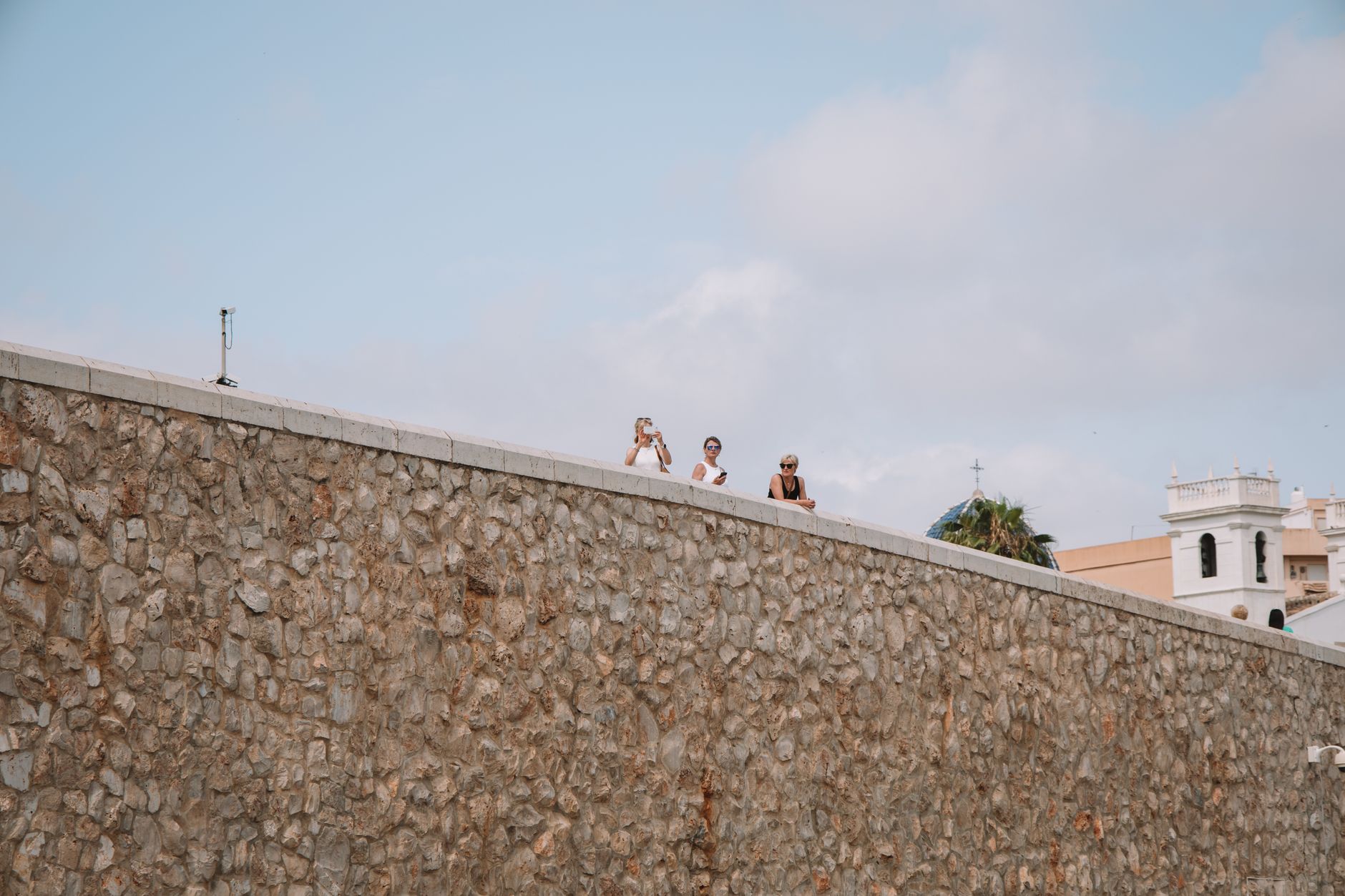
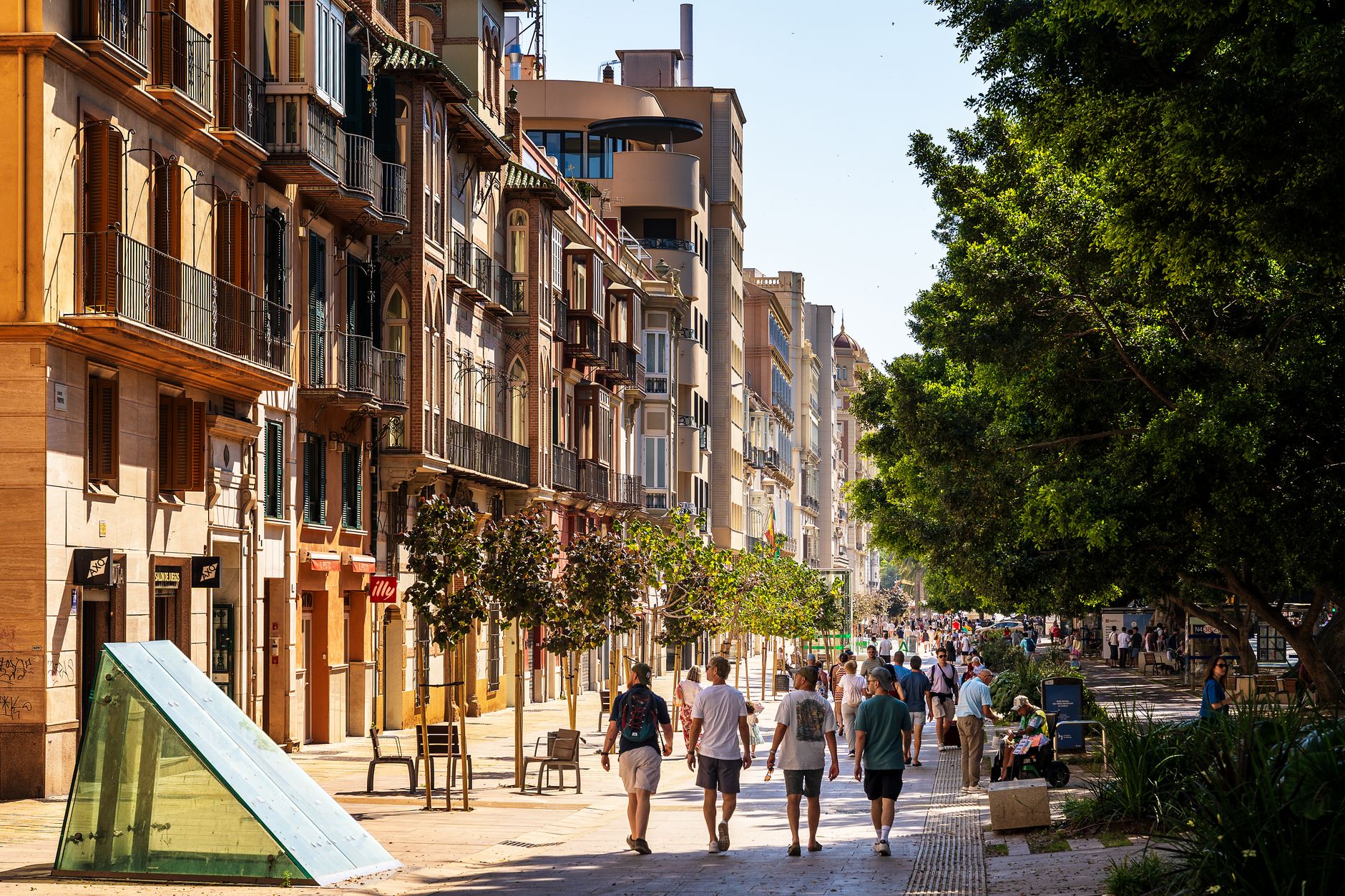
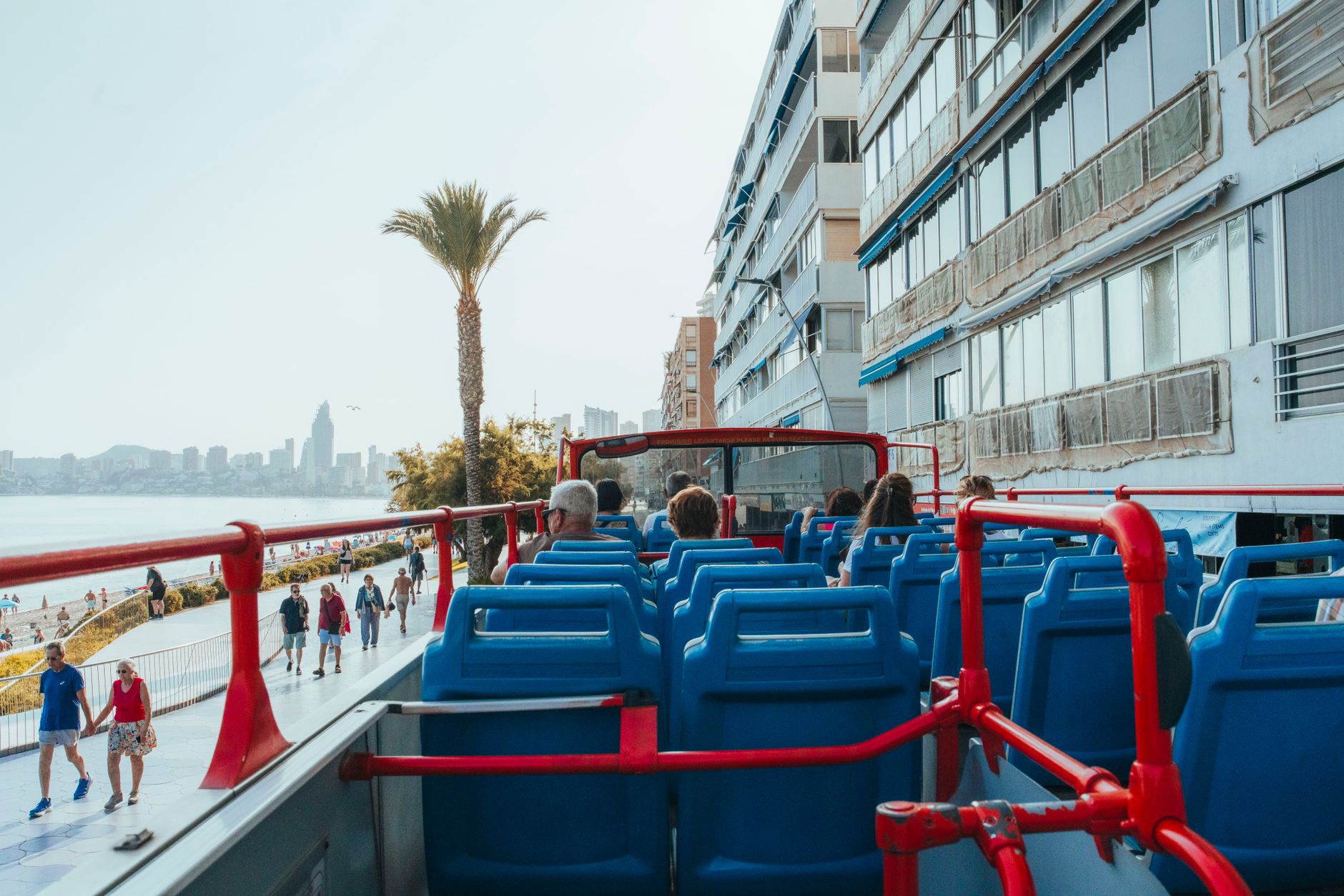
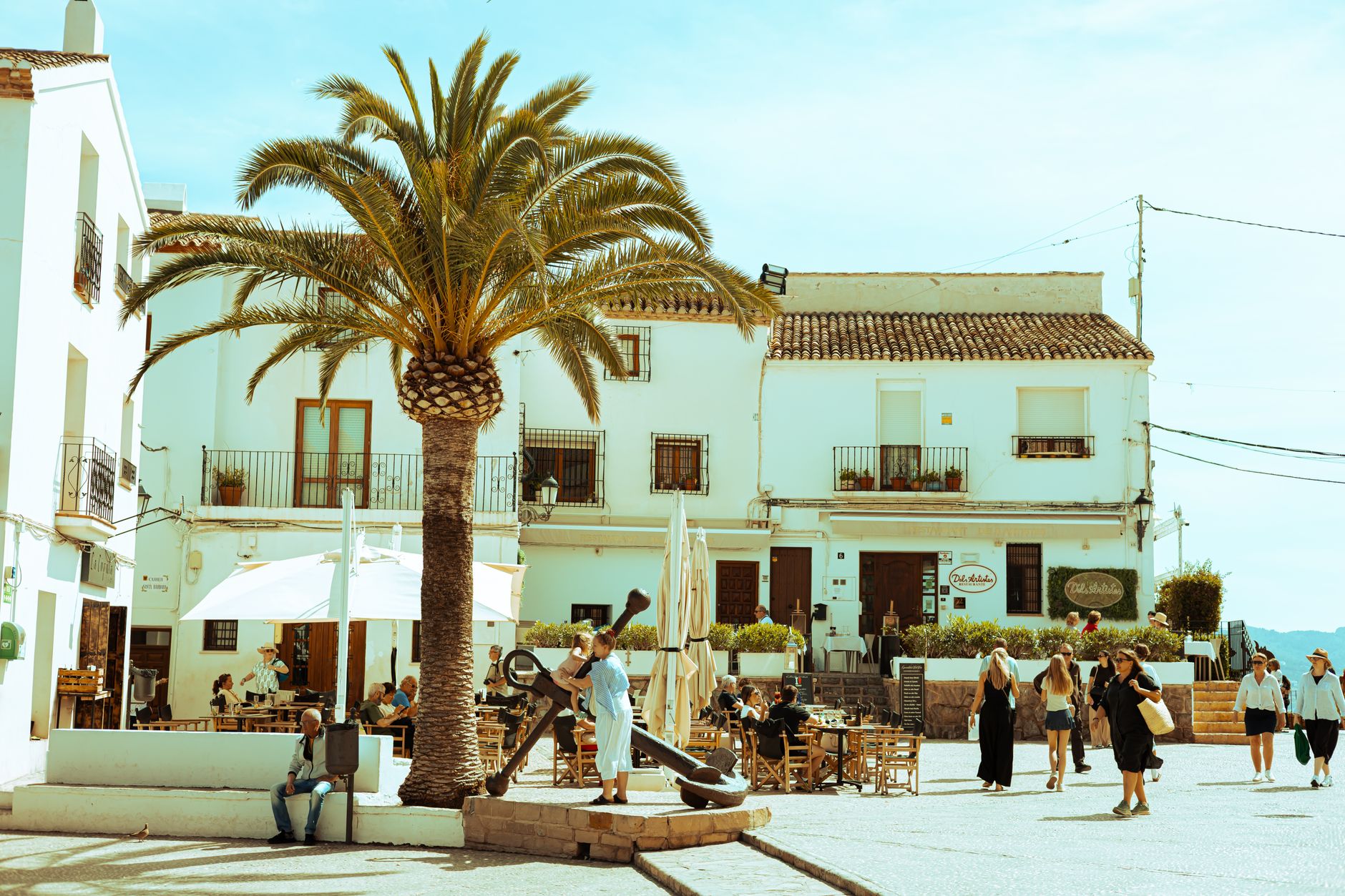
On a Saturday morning in Mazarrón's main square, market stalls open at eight and the smell of cut fruit gets into everything before the heat does. There are two Mazarróns, really: the inland town of around twelve thousand people, where the churches and the town hall sit, and Puerto de Mazarrón on the coast, where the promenade fills with live music on summer evenings and the bay still practices the ancient almadraba tuna trap — one of only two places in Spain keeping that method alive.
The ground here has been worked for a very long time. Phoenicians came for the minerals in the ninth century BC. Romans salted fish and shipped garum across the empire. The sandstone formations at Bolnuevo, carved by wind and water into shapes that seem almost deliberate, feel like a monument to how much time has passed through this corner of Murcia.
💛 What travellers fall for
People who come back tend to time it for the shoulder months — late May or October — when the sea is still warm and the promenade hasn't reached peak summer density. The Factoria Romana de Salazones is worth the visit even if you walk past it twice before noticing the entrance. The Mastia Botanical Gardens open weekday mornings only, so plan around that.
Experiences you don't want to miss



Deals in Mazarrón
Book directly at the provider


How Mazarrón came to be
People have lived around Mazarrón since the Middle and Upper Palaeolithic, leaving traces in sites like Los Tollos and Cueva Pernera near Cabezo del Faro. Phoenicians arrived in the ninth century BC drawn by mineral wealth; Romans followed, intensifying fish-salting operations and producing garum for export across the empire. Muslims later held the area and gave it the name Almazarron.
The modern municipality took shape in the fifteenth century when Enrique IV granted mining concessions to the Fajardo and Pacheco families for alum extraction. On 1 August 1572, Felipe II signed the founding privilege that made Mazarrón an independent villa with its own City Council. Mining drove the town for centuries, finally ceasing in 1963. Tourism arrived in the 1970s and has shaped the coast ever since.
Who and what shaped it
People who shaped it
Landmark buildings
See Mazarrón in motion
Plan your visit
On the map
When to go
Summers run long — mid-May to mid-October — with July and August peaking around 31°C and sea temperatures reaching 25°C. Winters are mild rather than cold, with January averaging 16°C, and the whole year receives barely 307 mm of rain, most of it falling in September.
Right now
Background & history adapted from Wikipedia (CC BY-SA) · specs from Wikidata (CC0) · weather from Open-Meteo · map data © OpenStreetMap contributors · photos from Wikimedia Commons / Unsplash with per-image credit. No third-party reviews or social posts reproduced.