
Cartagena
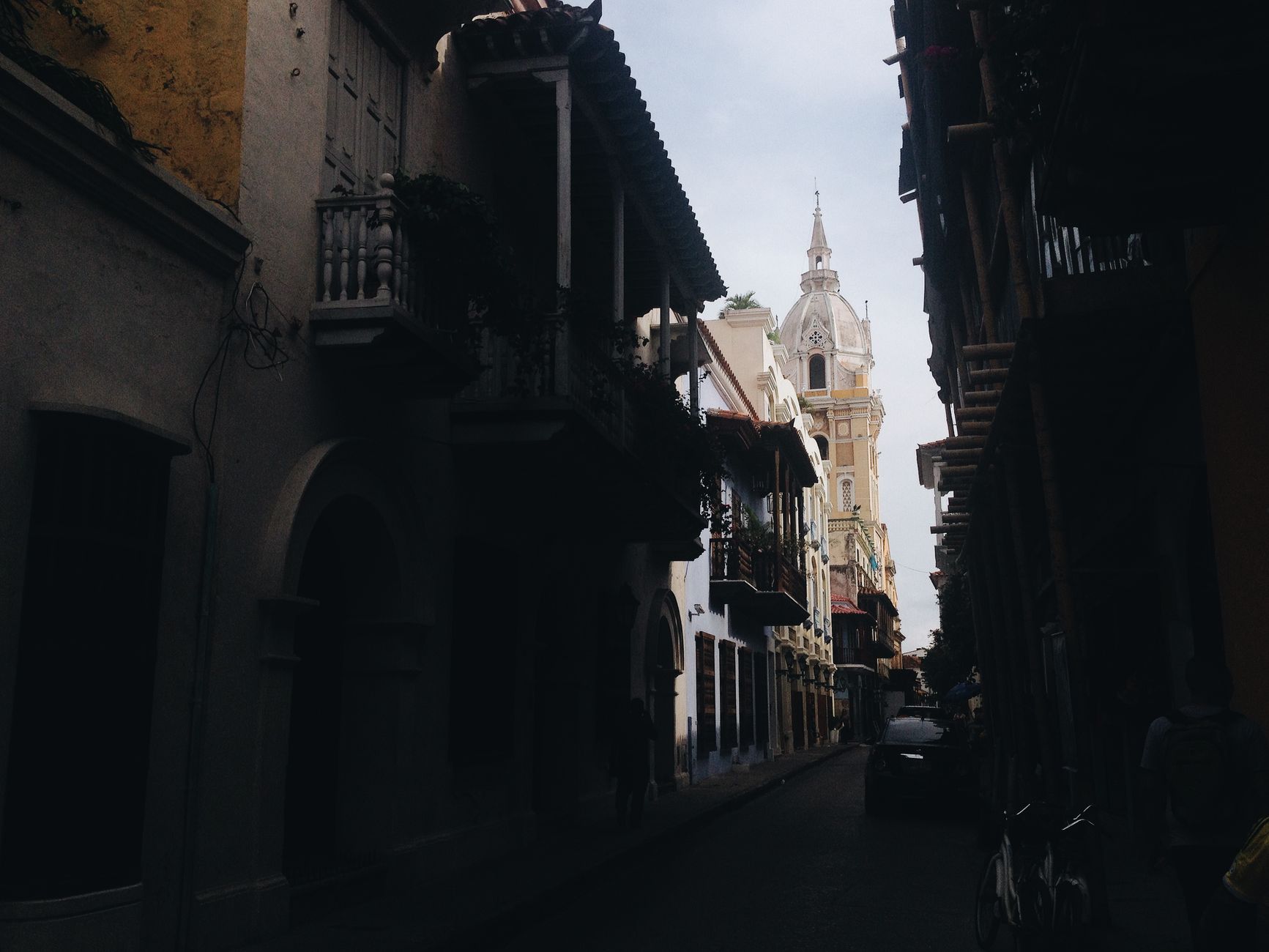
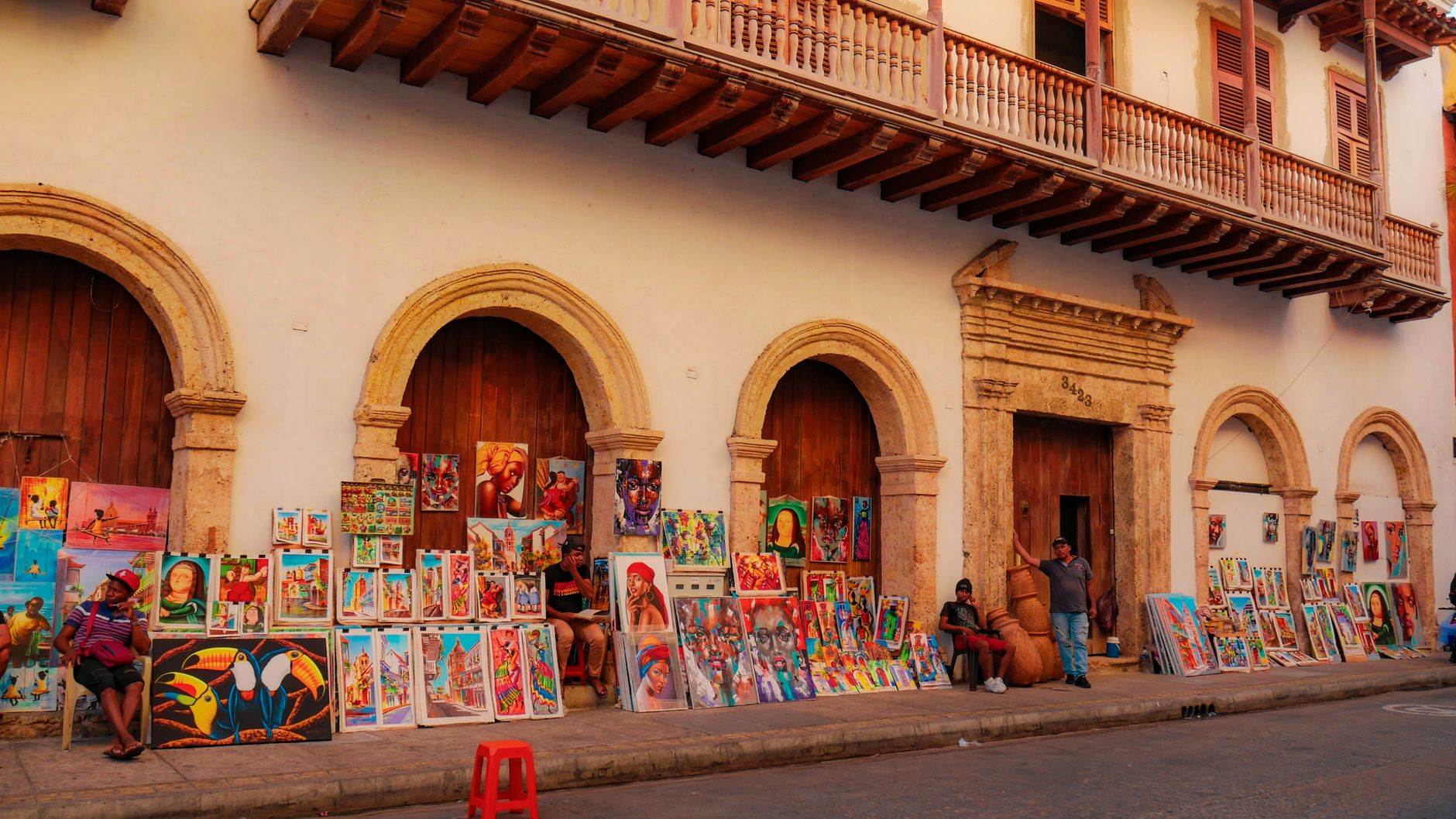
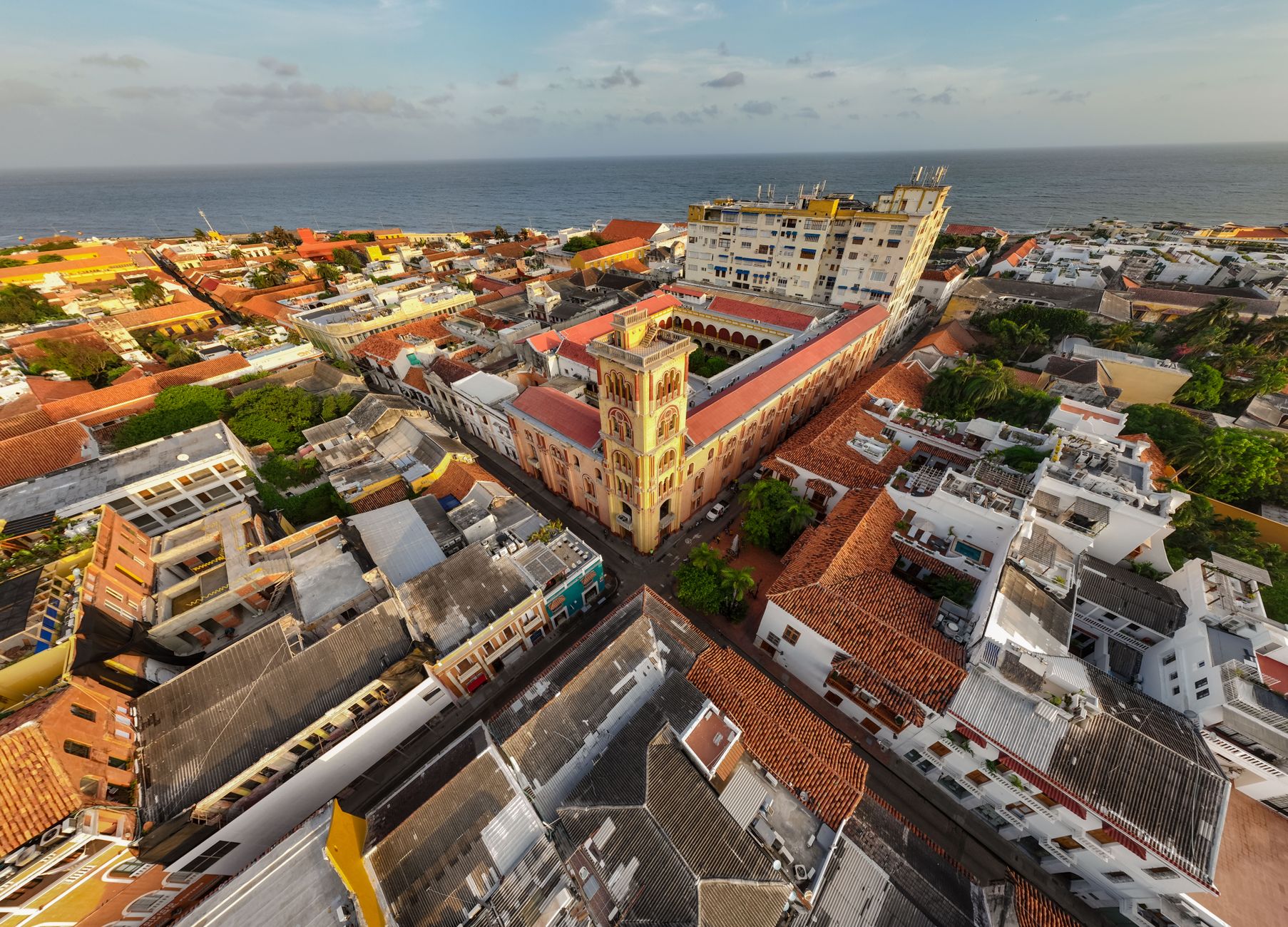
Stand at the Roman Theatre and count the layers: Punic walls below, Roman stone above, a medieval castle on the ridge, Art Nouveau facades along the street behind you. Cartagena doesn't arrange its history in a museum — it stacks it in place, one civilisation on top of another, and leaves you to work out the sequence.
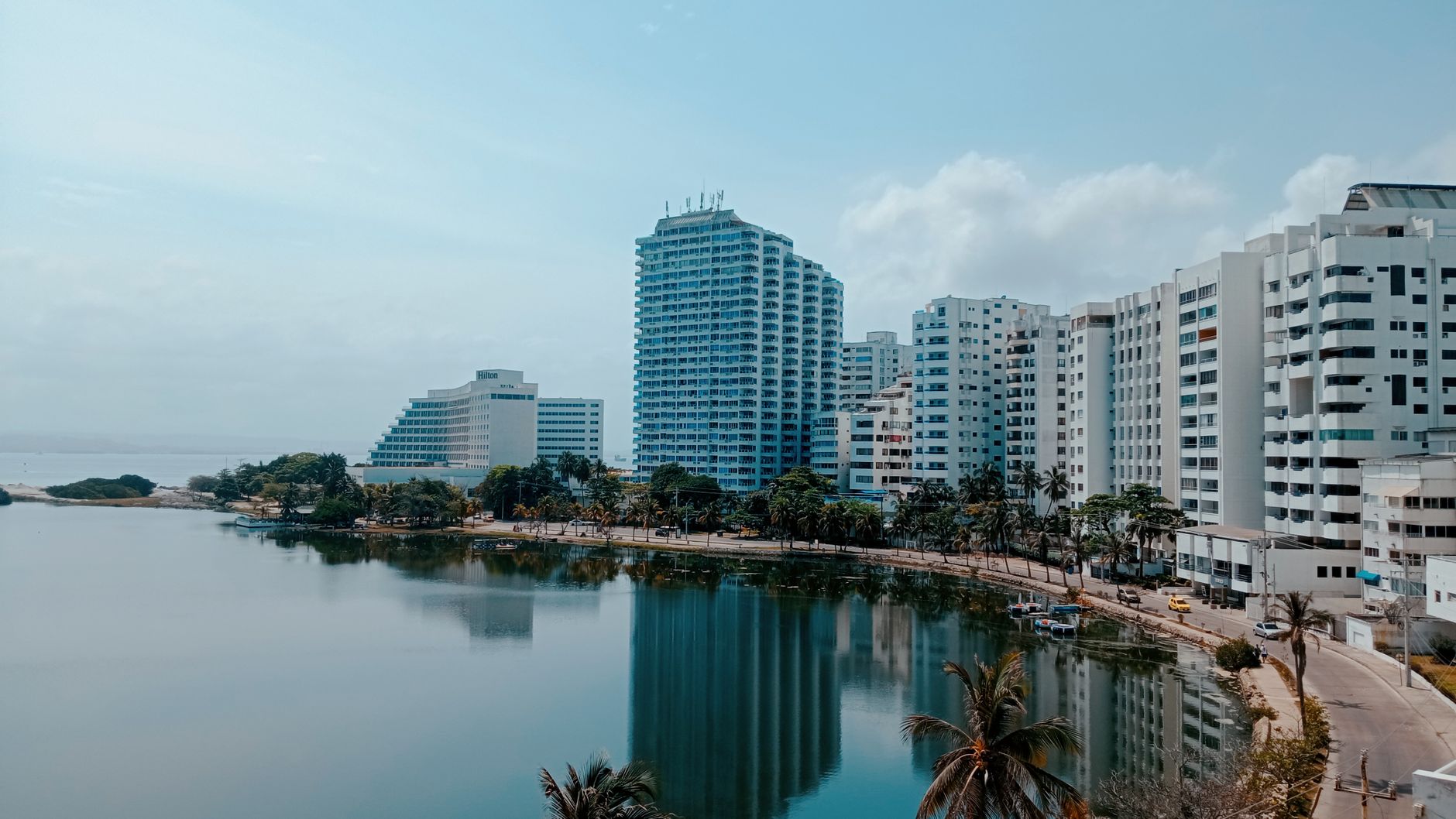
The city sits on a natural harbour on the Murcia coast, and the harbour is still the reason it exists. Philip II rebuilt it as a naval port in the 16th century; the Spanish Republic defended it as one in the Civil War. That military gravity never quite left, and neither did the mining wealth that funded the ornate buildings along Calle Mayor.
💛 What travellers fall for
People who come back tend to do the Roman Theatre twice — once on arrival, once before they leave, because something shifts between visits. They also mention the Naval Museum more than you'd expect: the original Peral submarine sits there in full, and it's stranger and more affecting than photographs suggest.
Experiences you don't want to miss



Deals in Cartagena
Book directly at the provider
How Cartagena came to be
Hasdrubal the Fair founded the city in 227 BC on an earlier Iberian settlement, building the Punic rampart that still stands on Molinete Hill. He called it Qart Hadasht. In 209 BC, during the Second Punic War, the Roman general Scipio took it and renamed it Carthago Nova — it became one of Rome's most important ports on the peninsula, producing the theatre, forum, and domestic buildings still being excavated today.
What followed was a long sequence of occupations: Vandals, Visigoths, Eastern Romans (who made it capital of their province of Spania), Muslims, and finally a Castilian army in 1245. The 19th-century mining boom reshaped the city again, funding the Art Nouveau streetscape and radicalising its politics — Cartagena launched the Cantonal Rebellion of 1873 and later served as a Republican naval base through the Spanish Civil War.
Who and what shaped it
People who shaped it
Landmark buildings
See Cartagena in motion
Plan your visit
On the map
When to go
Summers are hot and dry, with temperatures regularly above 30°C — the harbour provides some relief but the old town's stone streets retain heat into the evening. Spring and autumn bring mild days well suited to walking; winters are short and rarely severe.
Right now
↡ Cities
No places match these filters.
Background & history adapted from Wikipedia (CC BY-SA) · specs from Wikidata (CC0) · weather from Open-Meteo · map data © OpenStreetMap contributors · photos from Wikimedia Commons / Unsplash with per-image credit. No third-party reviews or social posts reproduced.