
Águilas
Águilas sits at the end of the RENFE line from Murcia, and that terminus feeling suits it — a port town that has always been a point of departure for something. The black-and-white striped lighthouse has been working since the mid-19th century, and the Hornillo Pier still juts out toward the Isla del Fraile in iron and concrete, a monument to the years when lead, silver and iron ore left this coast by the shipload.
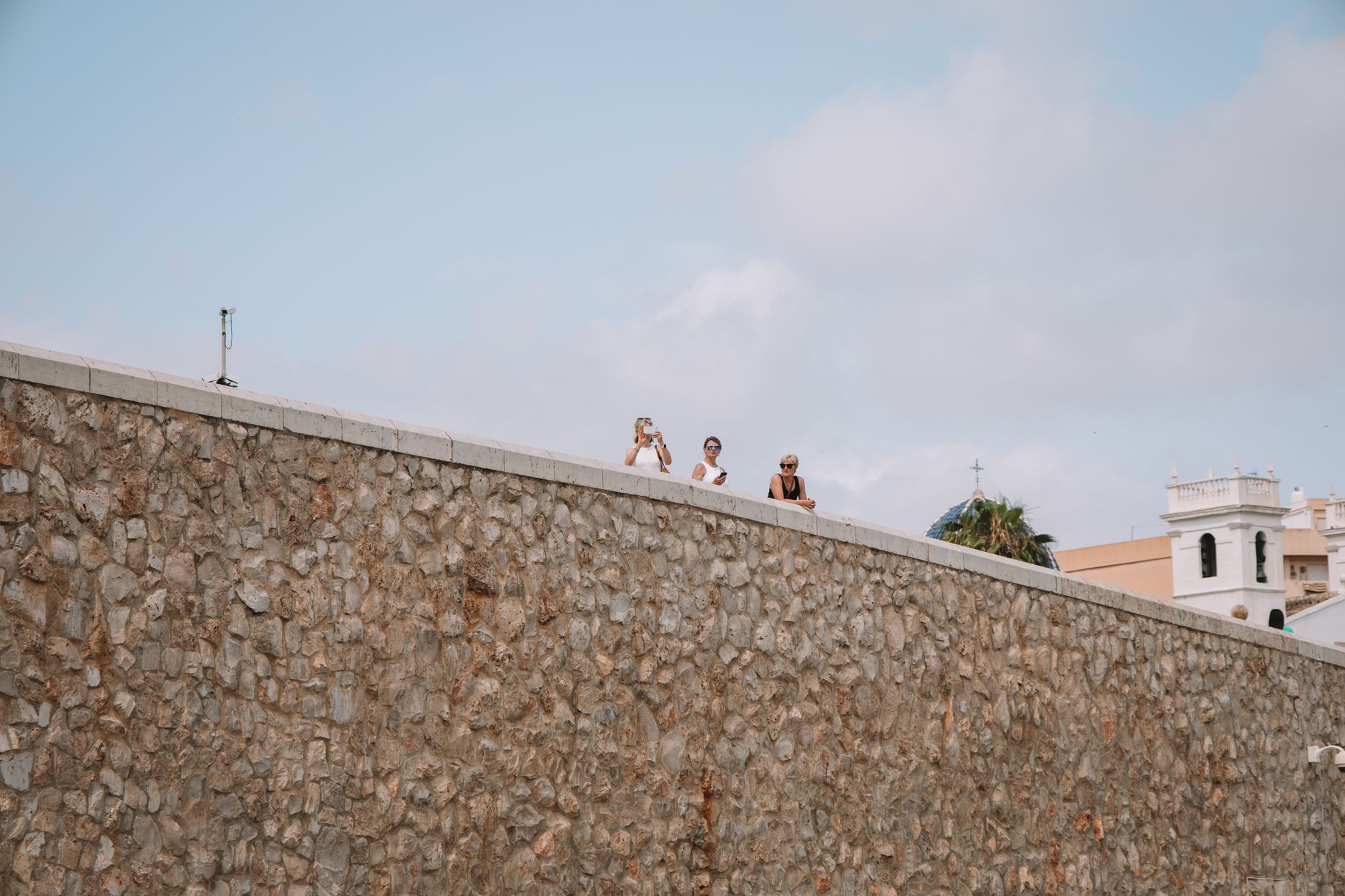
The Plaza de España — locally called La Glorieta — is where eight streets meet under the shade of hundred-year-old rubber plants, with the neoclassical Town Hall watching over it all. The town keeps its history visibly: a Carthaginian promontory, a British cemetery, a castle rebuilt on older bones.
💛 What travellers fall for
People who return tend to end up at the Hornillo Pier at low light, watching the Isla del Fraile sit in the water with the old English merchant's house still on it. The Museo del Ferrocarril under the station is genuinely small and genuinely good — worth twenty minutes before your train.
Experiences you don't want to miss



Deals in Águilas
Book directly at the provider


How Águilas came to be
People have lived around this bay for roughly five thousand years — prehistoric settlements at Cope, Peñarrubia and the Barranco de los Asensios predate every later wave of arrivals. The Romans ran fish-sauce production on the Isla del Fraile from the 5th century, and after them came the Alans, Suebi, Visigoths and eventually the Arabs, who called the place Áqila. The castle on the promontory was reinforced on the orders of King Charles I in 1530 against Ottoman and North African raids.
The modern town was formally constituted in 1766 through the initiative of the Count of Aranda, and by 1785 its port was handling agricultural exports from the Murcia interior. The 19th century brought British mining interests, a railway, the iron-and-concrete Hornillo Pier, and a Scottish aristocrat named Hugh Pakenham Borthwick — Don Hugo to locals — who settled on the Isla del Fraile in 1912 and spent the First World War monitoring ore shipments for British intelligence.
Who and what shaped it
People who shaped it
Landmark buildings
See Águilas in motion
Plan your visit
On the map
When to go
Águilas gets more sun than almost anywhere else in Europe, with very little rain even by Murcian standards. Summers are hot and dry; winters mild enough that the coast stays walkable, though the sea is cool from November through April.
Right now
Background & history adapted from Wikipedia (CC BY-SA) · specs from Wikidata (CC0) · weather from Open-Meteo · map data © OpenStreetMap contributors · photos from Wikimedia Commons / Unsplash with per-image credit. No third-party reviews or social posts reproduced.