
Molina de Segura


The thing you notice first about Molina de Segura is the chimneys. Tall, brick, still standing at the edges of the old town — relics of the vegetable-canning industry that turned a small agricultural settlement into a city of 72,000 over the course of a single century. They're not prettified or explained away; they just stand there, alongside a medieval wall and an 18th-century parish church, as an honest record of what this place has been.
Molina sits on the left bank of the Segura River, ten kilometres north of Murcia, and functions as the capital of the Vega Media comarca — the agricultural heartland of the region. The Saturday market in La Compañía Park, the panoramic viewpoint where a Moorish alcazaba once commanded the valley, and the quiet sequence of small museums in the historic centre give you the shape of the place without demanding much of your time.
💛 What travellers fall for
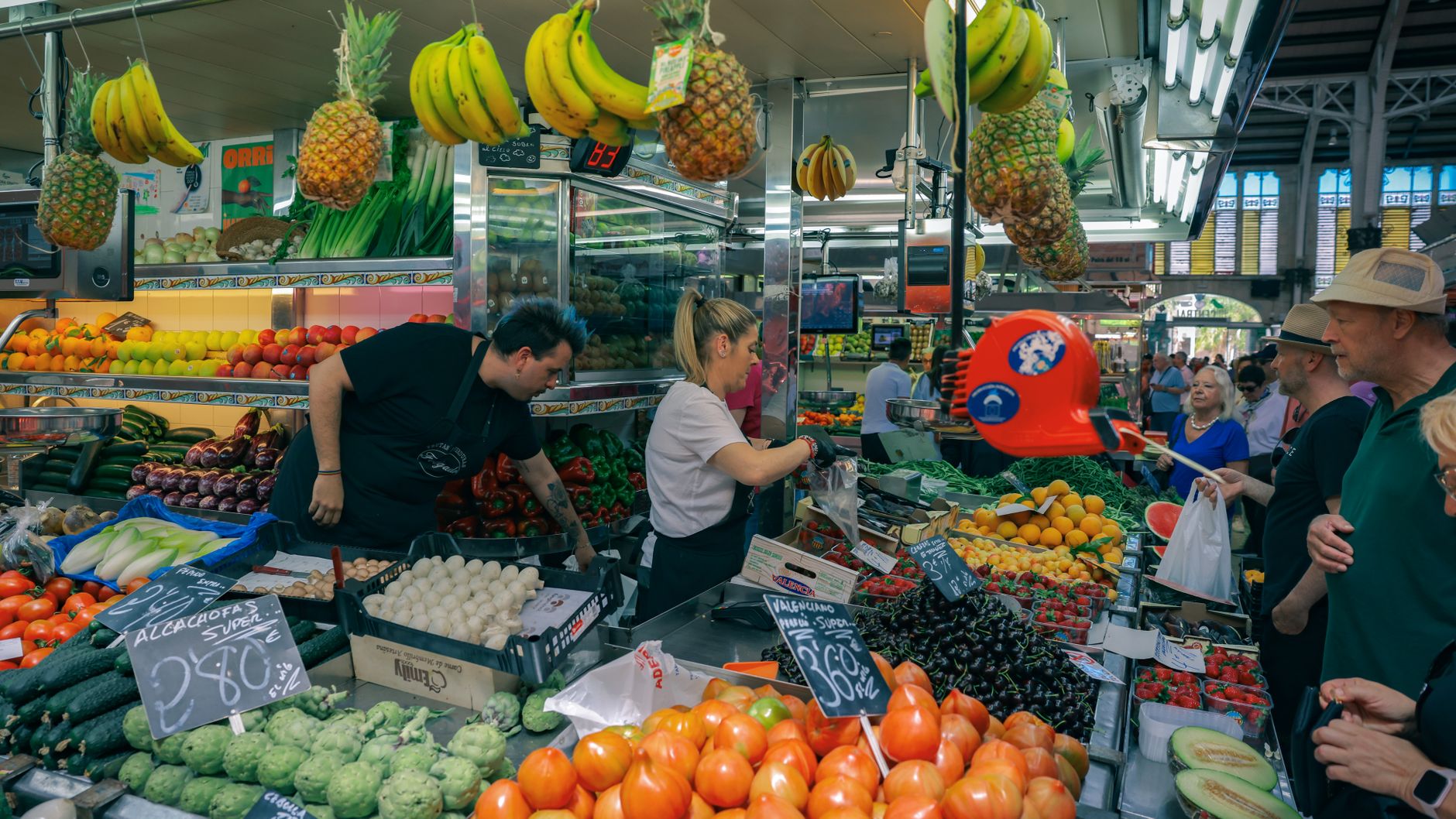
People who come back tend to do the Mirador del Castillo early, before the heat settles in, then work down through the medieval wall section at MUDEM and out to the Museo Carlos Soriano for the archaeological finds. The Saturday market near La Compañía Park is worth timing your visit around — local produce, unhurried pace.
Experiences you don't want to miss



Deals in Molina de Segura
Book directly at the provider
How Molina de Segura came to be
People have been living in this bend of the Segura valley since the Middle Palaeolithic — Neanderthal remains push the record back nearly 100,000 years. The Romans built a road through here connecting Cartagena to what is now Madrid, and the Moors fortified the high ground in the early 11th century, when Arab historian Ibn Hayyān recorded the settlement under the name 'Maniya.' The Treaty of Orihuela in 711 had folded the area into Muslim sovereignty; the Treaty of Alcaraz in 1243 brought it under the Crown of Castile, though the transition didn't fully take hold locally until 1266.
In 1396, nobleman Alonso Fajardo issued a Carta Puebla — a formal settlement charter — to attract Christian colonists. The town was simply called Molina until the early 20th century, when 'de Segura' was added to distinguish it from other Molinas. A plague in 1648 and a catastrophic Segura flood in 1651 knocked the population back hard, but the vegetable-canning boom of the 20th century more than reversed the damage, driving one of the region's more striking demographic transformations.
Who and what shaped it
People who shaped it
Landmark buildings
See Molina de Segura in motion
Plan your visit
On the map
When to go
Summers run hot and dry, regularly reaching the low-to-mid 30s Celsius, with long clear days. Winters are mild by day but can dip near freezing at night. March and September bring the most rain, though annual totals are low — this is a genuinely dry corner of Spain, and spring and autumn are the most comfortable windows for walking the historic centre.
Right now
Background & history adapted from Wikipedia (CC BY-SA) · specs from Wikidata (CC0) · weather from Open-Meteo · map data © OpenStreetMap contributors · photos from Wikimedia Commons / Unsplash with per-image credit. No third-party reviews or social posts reproduced.