
Torre-Pacheco
Torre-Pacheco sits on the flat agricultural plain of Murcia, where the light is hard and clear and the land has been worked for a very long time. Beneath Cabezo Gordo hill, at 312 metres the highest point in the municipality, a cave called Sima de las Palomas holds Neanderthal bone remains among the oldest human traces on the Iberian Peninsula. That depth of occupation sets the tone.
Above ground, the town is quiet and functional, shaped by farming rather than tourism. Fourteen of Murcia's 212 windmills stand here, and a public library half-buried in the earth — its toboggan roof barely clearing the grass — is one of the more quietly striking pieces of contemporary architecture in the region.
💛 What travellers fall for
People who return tend to mention the Route of the Mills — a four-hour circuit at moderate effort that threads together all fourteen windmills across the plain. Do it in the morning before the heat builds. The Valderas House is worth seeking out for the gold coin collection alone, even if the gardens are reason enough on their own.
Experiences you don't want to miss



Deals in Torre-Pacheco
Book directly at the provider

How Torre-Pacheco came to be
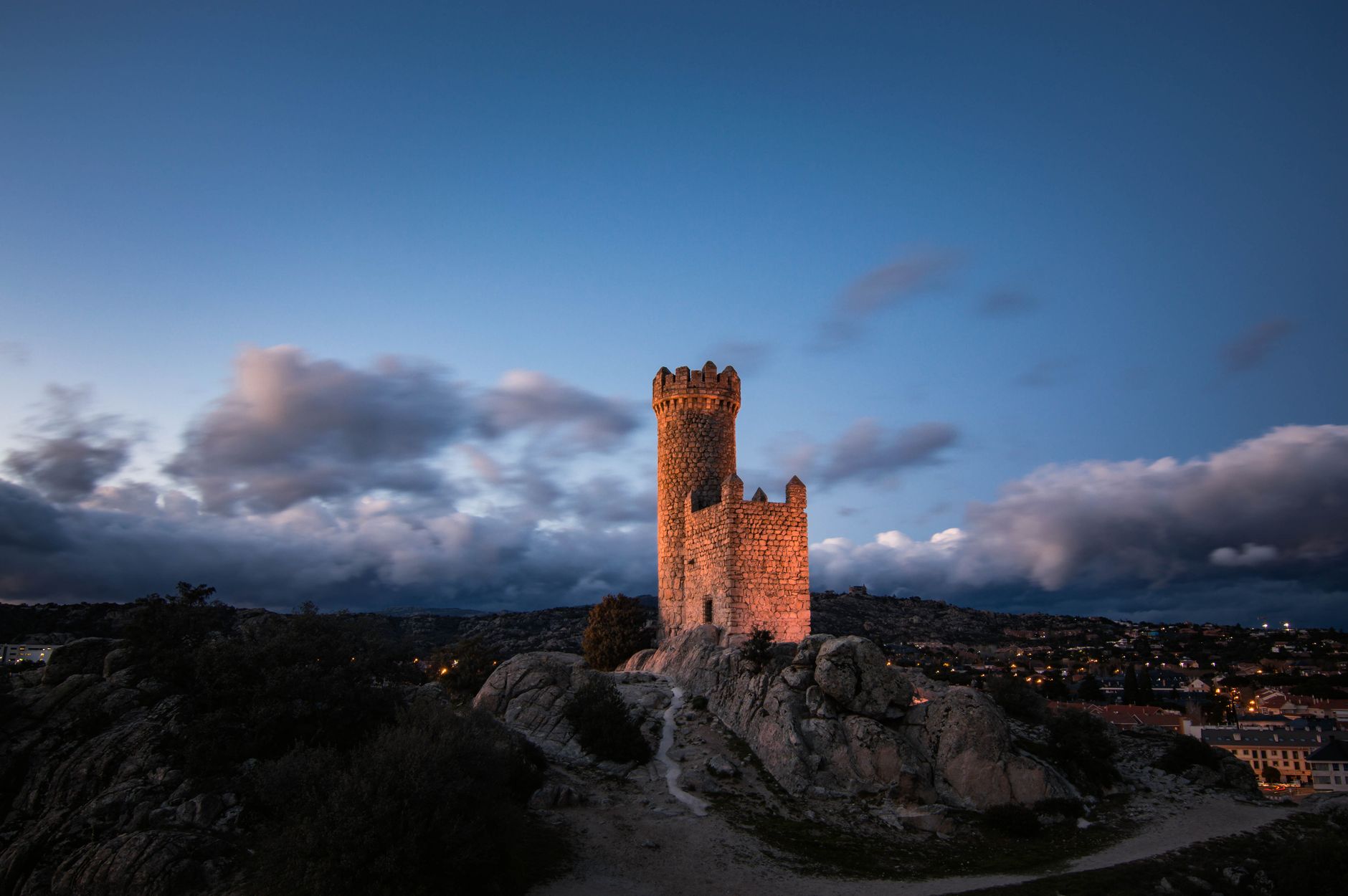
The town takes its name from a tower and country estate built by Pedro Pacheco, to whom the council of Murcia granted land on 7 November 1478. The Pacheco family had come from Portugal, and what began as a private landholding gradually became a settlement. The first references to the area, however, reach back to the 13th century, and sixteen Roman villas have been identified across the municipality from the period of Roman Hispania.
Torre-Pacheco became administratively independent from Murcia in 1836, a process that had been attempted earlier under the 1812 constitution but was reversed by Ferdinand VII. The Nuestra Señora del Rosario church, three centuries old, was demolished by the bishopric in 1971; its replacement tower was inaugurated on 6 January 2011, the first time bells had rung in the town in 38 years.
Who and what shaped it
People who shaped it
Landmark buildings
See Torre-Pacheco in motion
Plan your visit
On the map
When to go
Summers are long, dry and genuinely hot — the agricultural plain offers little shade. Spring and autumn bring mild temperatures well suited to outdoor exploration, while winters are short and generally mild, though nights can be cold.
Right now
Background & history adapted from Wikipedia (CC BY-SA) · specs from Wikidata (CC0) · weather from Open-Meteo · map data © OpenStreetMap contributors · photos from Wikimedia Commons / Unsplash with per-image credit. No third-party reviews or social posts reproduced.