
Caravaca de la Cruz
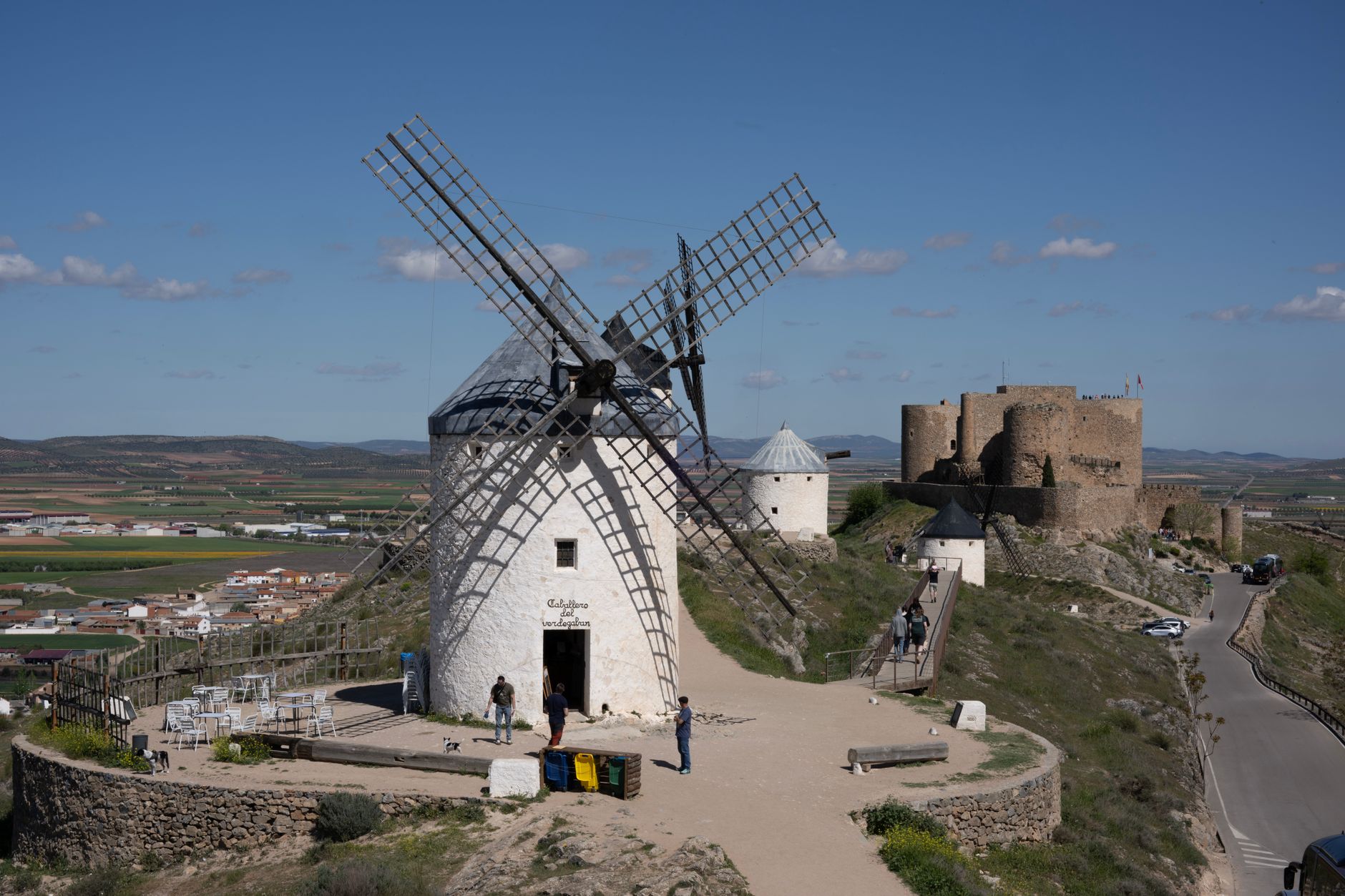
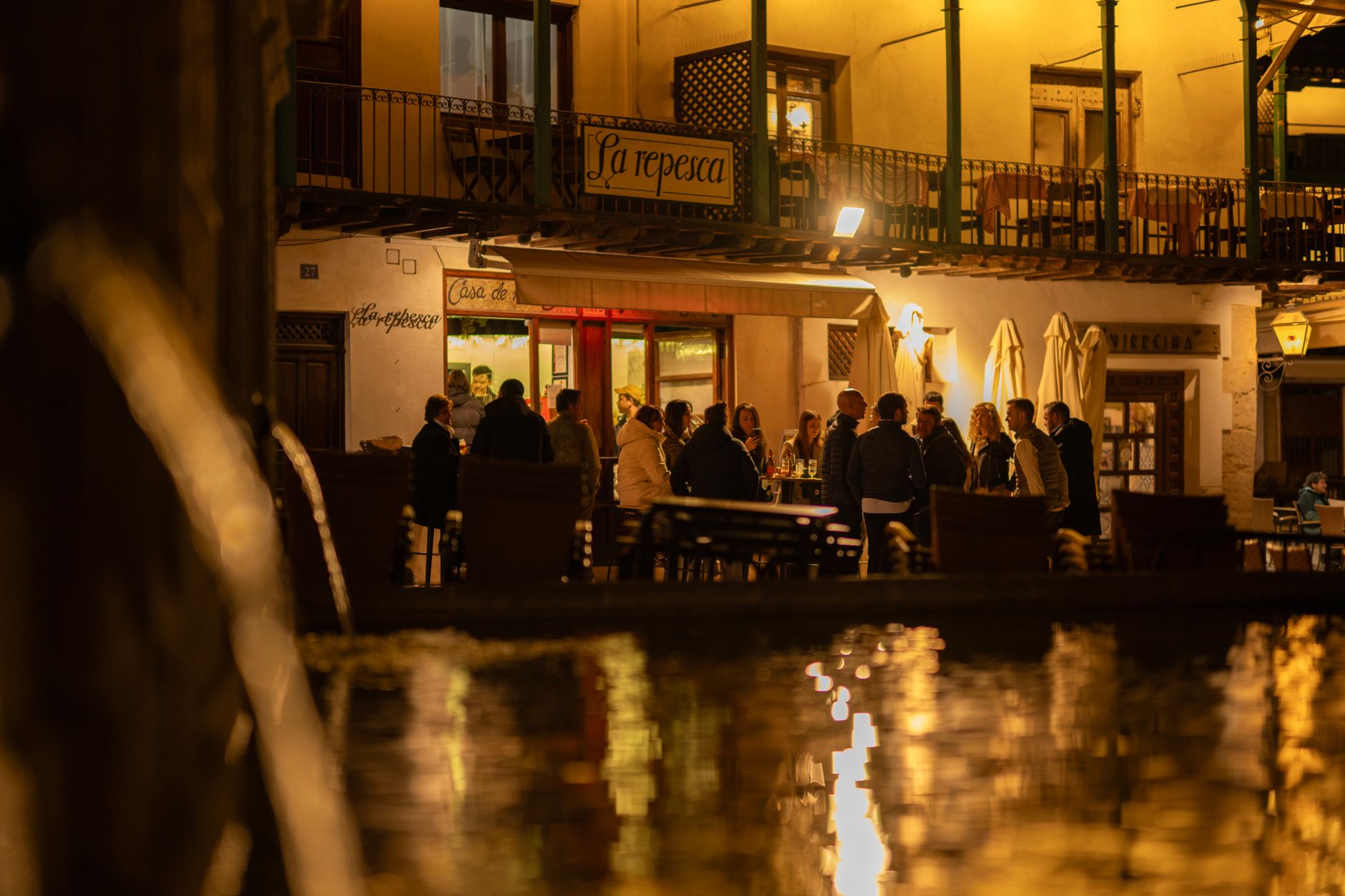
Caravaca de la Cruz sits on the northern bank of the Argos river with a castle on the hill and a relic inside it that, for Catholics, ranks this small Murcian city alongside Rome, Jerusalem, Santiago de Compostela, and Santo Toribio de Liébana. Pope John Paul II made that official in 1998, granting it a perpetual jubilee year — meaning you can earn the same indulgence here every year, not just every quarter-century.
Below the castle, the old town is compact and readable on foot: Renaissance churches, a neo-Arab bullring built over a Franciscan monastery, a Baroque water pavilion covered in Arab tiles. The layers are close together and mostly quiet.
💛 What travellers fall for
People who come back tend to time it around the 3 May festival — specifically the Caballos del Vino on the 2nd, when horses are paraded up the castle ramp in embroidered silks. Book accommodation months ahead for that week. Outside May, the castle complex is rarely crowded, and the red marble façade of the Vera Cruz sanctuary photographs best in the late afternoon.
Experiences you don't want to miss



Deals in Caravaca de la Cruz
Book directly at the provider
How Caravaca de la Cruz came to be
People have been here a very long time — Cueva Negra, just outside town, has yielded Homo heidelbergensis remains dating back up to 990,000 years, along with what are considered the oldest bonfire traces in Europe. Argaric, Iberian, and Roman cultures followed before the Moors shaped the urban core that still underlies the old town.
The Knights Templar built the castle in the 13th century, and in 1231 a relic believed to be a fragment of the True Cross arrived — according to tradition, during the reign of the Muslim ruler Zeyt-Abuzeyt. That event set the city's trajectory: religious orders accumulated through the 16th century (Franciscans in 1566, Carmelites founded by St. John of the Cross in 1586), the population reached 9,000 by 1600, and construction of the Baroque Vera Cruz sanctuary began in 1617 on the fortress site.
Who and what shaped it
People who shaped it
Landmark buildings
See Caravaca de la Cruz in motion
Plan your visit
On the map
When to go
Summers are hot and dry, with temperatures regularly above 35°C — the surrounding sierras offer little relief. Spring and autumn are the most comfortable seasons for walking the old town; the May festival falls just before the heat peaks. Winters are mild but can bring sharp nights at this inland elevation.
Right now
Background & history adapted from Wikipedia (CC BY-SA) · specs from Wikidata (CC0) · weather from Open-Meteo · map data © OpenStreetMap contributors · photos from Wikimedia Commons / Unsplash with per-image credit. No third-party reviews or social posts reproduced.