
San Javier
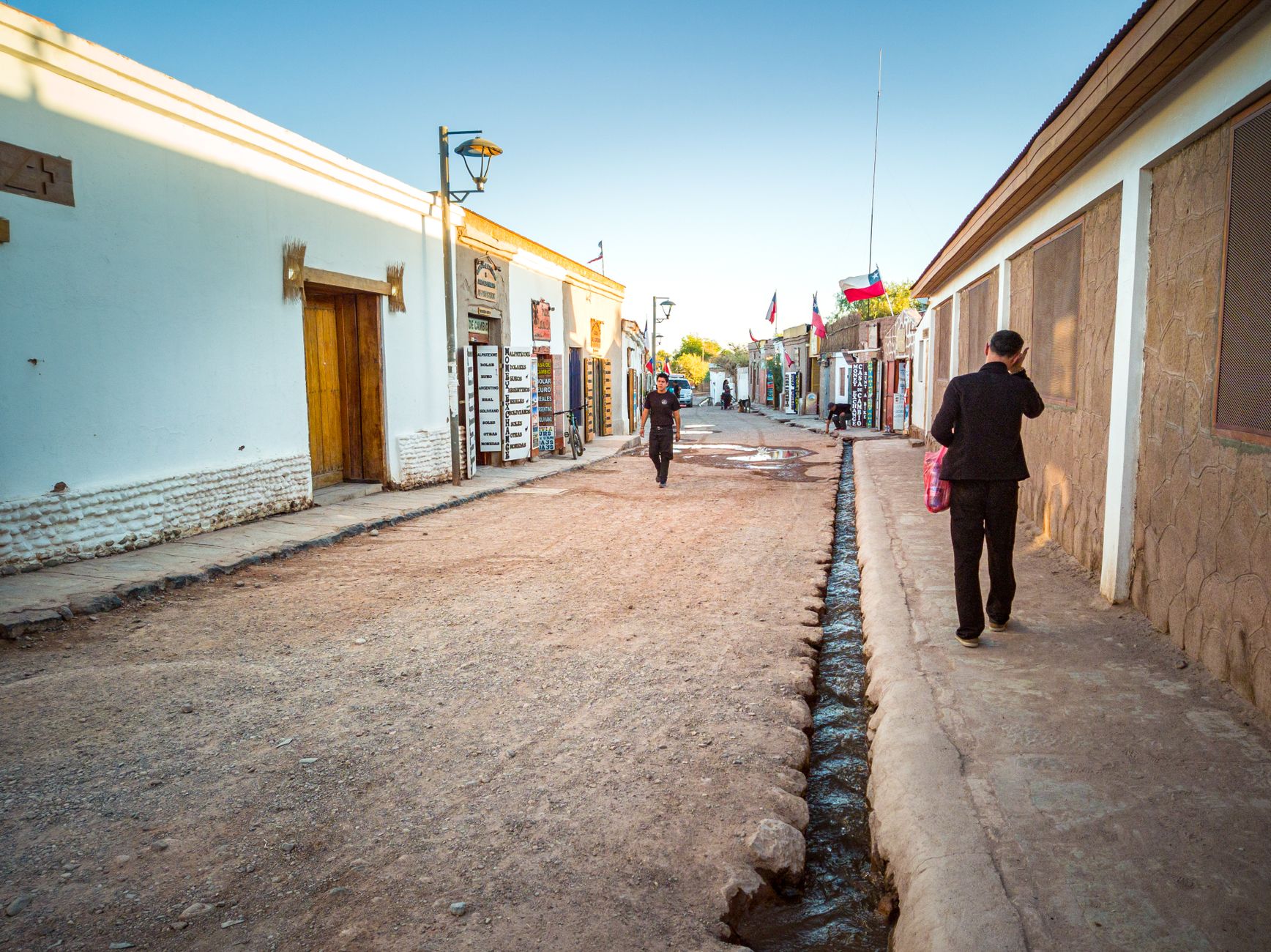
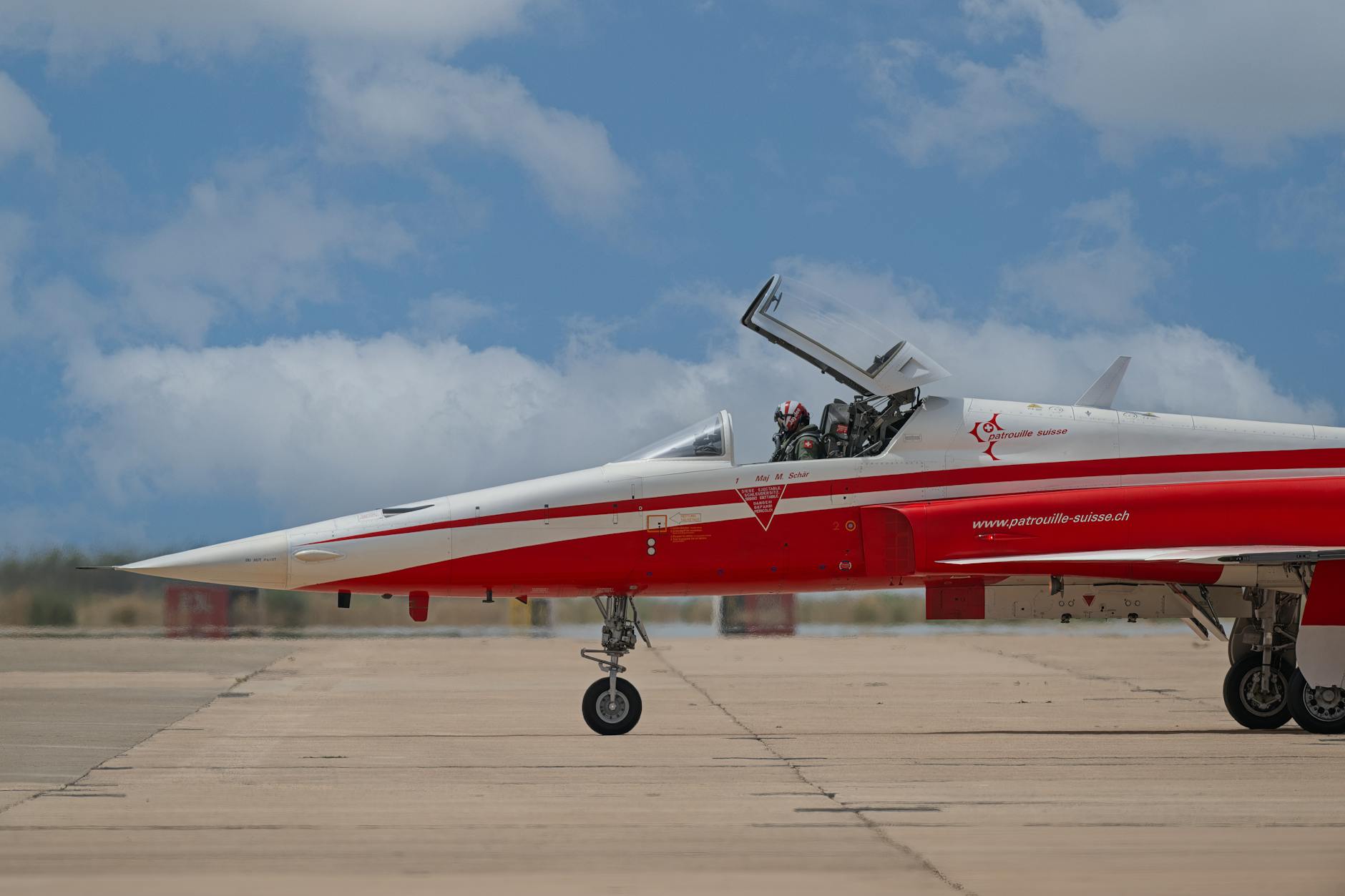
San Javier sits low on the Mar Menor, a coastal town whose identity has been shaped as much by jet engines as by the sea. The Academia General del Aire — Spain's General Air Academy — has occupied the edge of town since 1943, and for one year each, both Juan Carlos I and Felipe VI trained here as young pilots. That military gravity gives the place an unusual texture: a working air base beside a salt lagoon, aerobatic teams rehearsing overhead while people eat lunch on a terrace.
Every July the town pivots entirely around jazz. The festival, running since 1998 and now holding national tourist-interest status, draws performers and crowds from across Europe to open-air stages beside the water. The rest of the year, San Javier moves at a quieter pace, with 23 kilometres of Mar Menor shoreline and a town centre still anchored by its 17th-century church.
💛 What travellers fall for
People who come back tend to time it around the jazz festival, then stay a few extra days once the crowds thin. The Tiflological Aeronautical Museum — an open-air space where you can actually run your hands over scale aircraft models — is the kind of thing that sounds niche and turns out to absorb an entire afternoon. Santiago de la Ribera, the coastal district founded in 1888, is the quieter end for an evening walk.
Experiences you don't want to miss




Deals in San Javier
Book directly at the provider

How San Javier came to be
The town takes its name from Saint Francis Xavier, canonized in 1622, whose name was given to the local hermitage around which a small settlement grew. By 1809 the combined villages of San Javier, Roda and La Calavera held 428 people; the town council was formally reinstated in 1836. The Barnuevo family founded the coastal district of Santiago de la Ribera in 1888, adding a seaside dimension to what had been an inland agricultural community.
The decisive modern shift came in 1943 with the establishment of the Academia General del Aire. Civil flights followed in 1967, and a passenger airport opened the next year — operating for half a century before closing on 14 January 2019, when services transferred overnight to the new regional airport. The base itself remains active, and the Patrulla Águila aerobatic team — Spain's answer to the Red Arrows — has been based here for years.
Who and what shaped it
People who shaped it
Landmark buildings
See San Javier in motion
Plan your visit
On the map
When to go
Summers run hot and sunny from June through mid-September, with sea breezes taking the edge off the days but muggy nights; the Mar Menor is warm enough to swim from July onward. Winters are mild and mostly clear, though short spells of wind and rain do come through between December and February.
Right now
Background & history adapted from Wikipedia (CC BY-SA) · specs from Wikidata (CC0) · weather from Open-Meteo · map data © OpenStreetMap contributors · photos from Wikimedia Commons / Unsplash with per-image credit. No third-party reviews or social posts reproduced.